How To Fill Water In A Car Radiator The Right Way
It feels like a mini-crisis, doesn’t it? You see that temperature gauge creeping up, or maybe you spot a tell-tale puddle under your car. The thought of adding coolant to your car’s radiator can be a bit daunting.
You just want to do it right, without causing more problems.
Many car owners feel this way. It’s not about being a mechanic. It’s about understanding your car a little better and knowing how to handle common issues.
This guide will walk you through filling your car radiator step-by-step. We’ll make it simple and clear.
The right way to fill a car radiator involves letting the engine cool completely, locating the radiator cap, carefully opening it, adding the correct coolant mixture, and then properly closing the cap. Always check your owner’s manual for specific coolant types and procedures for your vehicle.
What Your Car’s Radiator Does
Your car’s engine makes a lot of heat when it runs. It gets super hot. The radiator is a key part of the cooling system.
It works hard to keep the engine from getting too hot.
Think of it like your body sweating. When you get hot, your body releases heat. Your car’s radiator does something similar.
It uses a liquid called coolant to absorb the engine’s heat. This hot liquid then flows to the radiator.
The radiator has many thin metal fins. Air blows through these fins as you drive. This air cools the liquid inside the radiator.
The cooled liquid then flows back to the engine. This cycle keeps the engine at a safe temperature. A properly filled radiator is vital for this whole process.
Why Coolant Level Matters
If the coolant level gets too low, the system can’t cool the engine well. This is when problems start. The engine can overheat.
Overheating can cause serious damage. This can lead to expensive repairs.
Low coolant can happen for a few reasons. There might be a small leak somewhere. Or, it could just be that the coolant has slowly evaporated over time.
It’s important to check the coolant level often.
Using the right kind of coolant is also very important. Most cars today use a mix of antifreeze and water. This mix helps prevent freezing in cold weather.
It also stops the coolant from boiling in hot weather. It even helps protect the engine parts from rust.
My Own Radiator Scare
I remember one sweltering summer afternoon. I was driving back from a weekend trip. The air conditioner was blasting, and I felt pretty good.
Then, I noticed it. The temperature needle was climbing higher than I had ever seen it. It was nudging into the red zone.
My stomach dropped.
I immediately turned off the AC. I rolled down the windows. I started looking for a place to pull over safely.
A little light on the dashboard blinked on – a warning symbol shaped like an engine. Panic started to set in. I pictured a huge repair bill.
I managed to find a gas station. While the car cooled down, I nervously popped the hood. I saw the coolant reservoir tank.
It was almost completely empty. That’s when I realized I hadn’t checked it in ages. I had to figure out how to add coolant without making things worse.
It was a stressful few minutes.
Coolant Basics: What You Need
Type of Coolant: Always use the type recommended in your car’s owner’s manual. It might be a specific color (like pink, green, or blue) or have a certain formulation (like OAT or HOAT).
Coolant Mixture: You’ll often need a 50/50 mix of antifreeze and distilled water. Pre-mixed coolant is available and simplifies this step.
Tools: You might need a funnel and some rags or paper towels.
Safety Gear: Gloves and eye protection are a good idea, as coolant can be toxic.
Steps to Safely Fill Your Radiator
The most crucial step is safety. Never, ever open the radiator cap when the engine is hot. The system is under pressure.
Hot coolant can spray out. This can cause severe burns.
So, the first step is always to let the car cool down. Wait at least an hour after driving. The longer, the better.
You want the engine to be cool to the touch.
Once it’s cool, find the radiator cap. It’s usually on the top of the radiator itself. It’s a round metal cap.
Some cars have a plastic expansion tank with a cap instead. Check your owner’s manual if you’re unsure.
To open it, you typically need to push down firmly and then turn it counter-clockwise. It might take a good bit of force. If it’s stiff, don’t force it too hard.
You don’t want to break it.
Once the cap is off, look inside. You should see coolant. The level should be up to the “full” mark or near the top of the opening.
If it’s low, it’s time to add more.
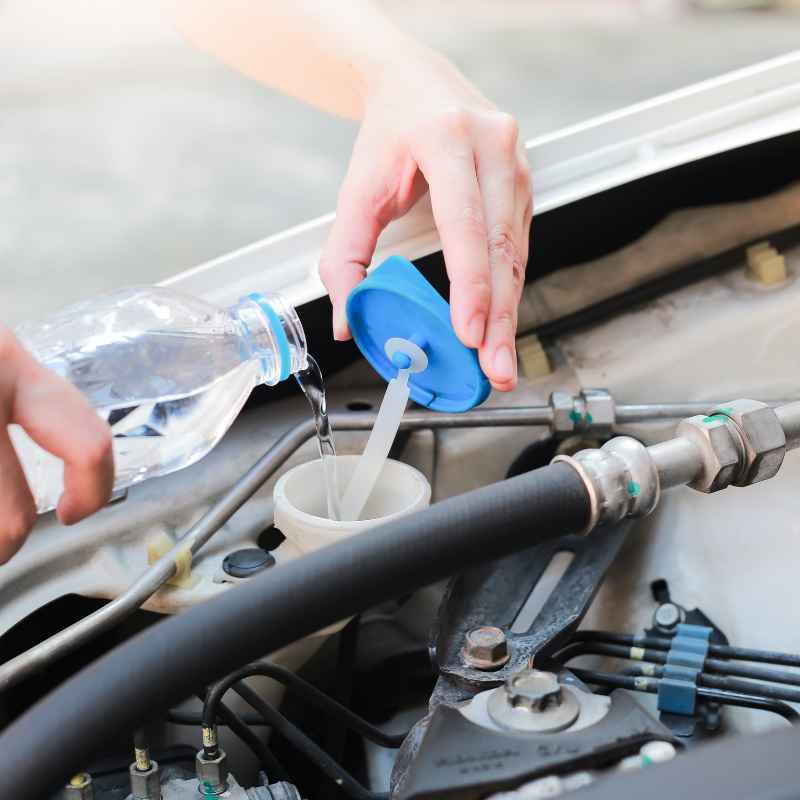
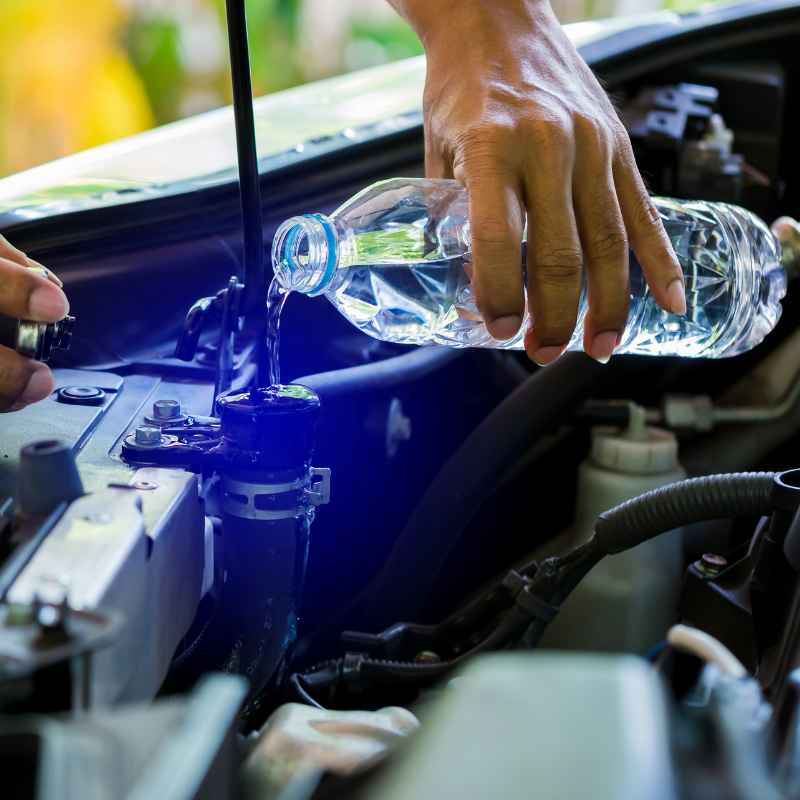
Use a funnel to pour the coolant mixture in. Pour slowly. Don’t overfill.
You just want to bring the level up to the correct mark.
After adding coolant, put the radiator cap back on. Make sure it’s sealed tightly. Push down and turn it clockwise until it clicks or feels secure.
This seals the system.
Now, start the engine. Let it run for a few minutes. Turn the heater on high.
This helps circulate the coolant. Watch the temperature gauge to make sure it stays in the normal range. Check for any leaks around the cap or hoses.
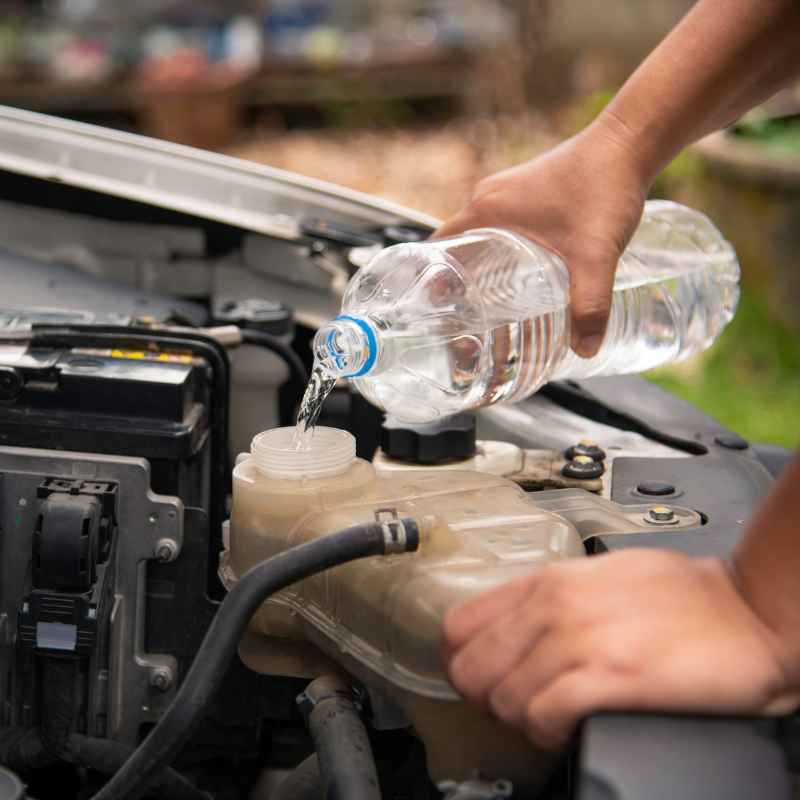
You should also check the coolant level in the overflow or expansion tank. This is a separate plastic tank connected to the radiator. It usually has “min” and “max” lines.
The level in this tank should also be between these lines when the engine is cool.
Coolant vs. Antifreeze: What’s the Difference?
People often use “coolant” and “antifreeze” interchangeably. While related, they aren’t exactly the same. Antifreeze is a concentrated chemical, usually ethylene glycol or propylene glycol.
This chemical lowers the freezing point of water. It also raises its boiling point. This is why it’s called “antifreeze.” It protects your engine from freezing in winter and boiling over in summer.
Coolant is typically a mixture of antifreeze and water. The most common mix is 50/50. This ratio gives good protection for most climates in the U.S.
You can buy “pre-mixed” coolant. This is already mixed with distilled water. It’s ready to pour.
You can also buy concentrated antifreeze. You then mix it yourself with distilled water. Always use distilled water, not tap water.
Tap water has minerals that can clog your cooling system.
Quick-Scan Table: Checking Coolant Levels
| What to Check | When to Check | What to Look For |
|---|---|---|
| Radiator (when cool) | Before long trips, monthly | Level near top of opening or at “full” mark. |
| Coolant Reservoir (when cool) | Regularly, weekly if possible | Level between “min” and “max” lines. |
| Hoses and Connections | When checking levels | No visible leaks, cracks, or bulges. |
| Color of Coolant | When checking levels | Should be clear, not rusty or murky. |
Checking the Coolant Reservoir
Most modern cars have a plastic coolant reservoir tank. This is often easier to access than the radiator cap itself. It’s usually a translucent plastic tank.
It will have markings on the side, like “MIN” and “MAX” or “COLD” and “HOT.”
The coolant level in this tank should be between the MIN and MAX lines when the engine is cold. If it’s below the MIN line, you need to add coolant.
This reservoir tank is connected to the radiator. When the engine heats up, the coolant expands. Some of the excess coolant flows into this tank.
When the engine cools, the coolant contracts, and some fluid is drawn back into the radiator.
If the level in the reservoir is consistently low, even after topping it up, you might have a leak. This tank is a good indicator of your overall coolant level. It’s a simpler check than opening the radiator itself.
When to Use Distilled Water vs. Pre-mixed Coolant
As mentioned, distilled water is key. Tap water contains minerals that can build up inside your cooling system. This buildup can reduce the system’s efficiency.
It can even lead to blockages.
If your coolant level is only slightly low, you can often top it off with a 50/50 mix of antifreeze and distilled water. Or, use pre-mixed coolant.
However, if you’ve lost a significant amount of coolant, you might need to add more concentrated antifreeze. But always follow the recommended ratio. A higher concentration of antifreeze isn’t always better.
It can reduce the coolant’s ability to transfer heat.
Your car’s manual will specify the correct type and ratio. If you’re unsure, using a pre-mixed coolant is usually the safest bet. It takes the guesswork out of it.
Myth vs. Reality: Radiator Care
Myth: You can just use plain water in your radiator in the summer.
Reality: Plain water doesn’t offer much protection against boiling or corrosion. It lacks the additives found in antifreeze that protect your engine’s internal parts.
Myth: Adding stop-leak products will fix any coolant leak.
Reality: Stop-leak products can sometimes temporarily seal very small leaks. However, they can also clog narrow passages in the cooling system, causing bigger problems down the road.
Myth: You only need to check coolant when the car overheats.
Reality: Regular checks prevent overheating. Low coolant can cause gradual wear and tear on engine components even before you notice the temperature gauge rising.
What Kind of Coolant Is Right for My Car?
This is a really important question. Not all coolants are the same. They have different chemical compositions.
Using the wrong type can cause serious damage to your cooling system.
The best place to find this information is your car’s owner’s manual. It will tell you the exact type of coolant your car needs. It might specify a brand or a color.
For example, many newer cars use a long-life, pink or orange coolant (often P-HOAT or OAT based).
Older cars might use green or blue coolants. These often use different additive technologies.
Why does it matter? Different coolants have different inhibitors. These prevent corrosion.
They also have different pH levels. Mixing incompatible coolants can create a gel-like substance. This substance can clog your radiator and heater core.
It can also cause corrosion.
If you’re ever unsure, it’s always best to consult a trusted mechanic. They can tell you the exact type needed. Or, you can take a sample of your old coolant to an auto parts store.
They can often identify it for you.
Safety First: Handling Coolant
Toxicity: Coolant is poisonous, especially to pets and children, if ingested. Store it in its original container, sealed tightly, and out of reach.
Skin and Eye Contact: Avoid prolonged skin contact. If coolant gets in your eyes, rinse them immediately with plenty of water and seek medical attention.
Disposal: Do not pour used coolant down drains or on the ground. It’s hazardous waste. Check with your local auto parts store or recycling center for proper disposal methods.
What If I See a Puddle Under My Car?
Spotting a puddle under your car can be worrying. The color of the puddle can give you clues.
Green, Pink, Orange, or Blue Puddles: These are usually coolant. The color can help identify the type of coolant your car uses. A leak could be from a hose, the radiator itself, the water pump, or a heater core.
Clear or Watery Puddles: This could be condensation from your air conditioner. This is normal, especially on hot and humid days. It can also be water from your exhaust.
These are usually not a cause for concern.
If you see a colored puddle, it’s important to investigate. Check the coolant level in the reservoir and radiator. Look for obvious signs of leaks, like wet spots on hoses or around the radiator.
If you can’t find the source, or if the leak is significant, it’s time to take your car to a mechanic.
A small, slow leak might be manageable for a short period. But it’s best to get it fixed. A leak means your cooling system isn’t working at full capacity.
This puts extra stress on your engine.
Observational Flow: Dealing with a Low Coolant Light
Step 1: See the low coolant warning light or gauge.
Step 2: Find a safe place to pull over immediately.
Step 3: Turn off the engine and allow it to cool completely (at least 1 hour).
Step 4: Locate the coolant reservoir and check the level.
Step 5: If low, locate the radiator cap (only when fully cooled).
Step 6: Carefully open the radiator cap and add the correct coolant mixture.
Step 7: Replace the radiator cap securely.
Step 8: Start the engine, turn on the heater, and monitor the temperature gauge.
Step 9: Drive cautiously to a mechanic if the light returns or the engine overheats.
When It’s Normal to Add Coolant
It’s normal for the coolant level to drop slightly over time. Cars consume a small amount of coolant through normal operation. Think of it like oil.
You might need to top it off between oil changes.
So, checking your coolant level every few weeks or before a long trip is a good habit. If the level is just a bit low, adding the correct coolant mixture is perfectly fine.
This is especially true for older vehicles. As seals and hoses age, they can become less perfect. Small amounts might evaporate or escape.
The key is that the drop is gradual and not significant. If you find yourself adding coolant very frequently, or adding large amounts, that’s a sign of a problem.
When You Should Worry About Your Radiator
There are several signs that point to a more serious issue. These aren’t things to ignore. They need attention from a mechanic.
1. Frequent Need to Add Coolant: If you’re constantly refilling the coolant reservoir, there’s a leak somewhere that needs fixing.
2. White Smoke from the Exhaust: This can indicate that coolant is leaking into the combustion chamber. This is a serious internal engine problem.
3. Engine Overheating Frequently: Even after topping up the coolant, if your engine still overheats, there might be a blockage, a faulty thermostat, a bad water pump, or a radiator issue.
4. Coolant Looks Dirty or Rusty: The coolant should be clean and the color it’s supposed to be. If it’s murky, rusty, or has debris in it, the cooling system might be corroding.
This needs flushing and potentially repair.
5. Sweet Smell: A sweet, syrupy smell can indicate a coolant leak. You might smell it inside the car or outside.
6. Leaks Under the Car: As discussed, colored puddles are a clear sign of a leak.
7. Radiator Hoses are Bulging or Soft: The hoses should feel firm. If they are bulging outwards or feel mushy, they are likely failing and could burst.
These signs mean it’s time to stop driving and get professional help. Ignoring them can lead to catastrophic engine damage.
Simple Checks You Can Do Yourself
You don’t need to be a mechanic to perform some basic checks. These simple steps can help you catch problems early.
1. Visual Inspection: Regularly look under your car for puddles. Check the coolant reservoir level.
Look at the coolant color. Make sure it looks normal.
2. Feel the Hoses (When Cool!): Gently squeeze the radiator hoses when the engine is cold. They should feel firm, not mushy or brittle.
3. Check the Radiator Cap Seal: Ensure the rubber seal on the radiator cap is intact and not cracked or brittle. A bad seal can cause coolant loss.
4. Listen for Unusual Noises: While not directly related to filling, strange noises from the engine area might indicate a failing water pump, which is part of the cooling system.
These easy checks can save you a lot of trouble and money in the long run. They help you stay on top of your car’s health.
Frequently Asked Questions About Filling Car Radiators
What happens if I put the wrong type of coolant in my car?
Putting the wrong type of coolant in your car can cause serious damage. Different coolants have different chemical compositions. Mixing them can lead to corrosion, sludge formation, and clogs in your cooling system.
This can result in expensive repairs to the radiator, water pump, and even the engine itself. Always use the type specified in your owner’s manual.
How often should I check my car’s coolant level?
It’s a good practice to check your car’s coolant level at least once a month. You should also check it before any long road trips. Many drivers find it helpful to check it every time they check their car’s oil.
Regular checks help you catch potential issues before they become major problems.
Can I just use water to fill the radiator if I’m in a hurry?
While you can use plain water in an emergency to temporarily fill the radiator and get you to a service station, it’s not recommended for regular use. Water alone does not provide freeze protection or boiling protection. It also lacks the anti-corrosive additives found in antifreeze.
If you must use water, drain and refill with the proper coolant mix as soon as possible.
What is the difference between the radiator cap and the coolant reservoir cap?
The radiator cap is usually a metal cap on the radiator itself. It holds pressure in the cooling system. The coolant reservoir cap is on the plastic expansion tank.
This tank holds excess coolant. You typically add coolant to the reservoir or directly to the radiator when it’s cool. The radiator cap is crucial for maintaining system pressure.
My car’s heater isn’t working. Could it be low coolant?
Yes, low coolant is a common reason why a car’s heater might stop working effectively. The heater core in your car uses hot coolant from the engine to warm the cabin. If there isn’t enough coolant circulating, or if there’s an air bubble in the system, the heater core won’t get hot enough to produce warm air.
How much coolant do I need to add to my car?
The amount you need to add depends on how low the level is. If it’s just below the “min” line on the reservoir, you might only need a quart or two of the correct coolant mixture. If the radiator itself is very low, you might need more.
Always fill to the proper level indicated in your owner’s manual or on the reservoir tank, but avoid overfilling.
Final Thoughts on Radiator Care
Keeping your car’s cooling system in good shape is straightforward. It starts with understanding how it works and knowing when to check it. Filling your radiator the right way is a key part of this.
Remember to always prioritize safety. Let the engine cool completely. Use the correct coolant mixture.
And if you’re ever unsure, seek professional advice. A little bit of care goes a long way in keeping your car running smoothly.
Products related to this article
Sponsored / affiliate links. As an Amazon Associate I earn from qualifying purchases. I may earn additional commission from eligible campaigns.