How to Find AC Leak in Car: Quick & Easy Guide
Finding an AC leak in your car can be tricky but essential. It ensures your car’s cooling system works efficiently.
A car’s AC system keeps you cool on hot days. But, over time, it might develop leaks, causing the AC to lose its cooling power. Ignoring these leaks can lead to bigger problems and expensive repairs. Knowing how to spot an AC leak early can save you time and money.
In this guide, we’ll help you understand the signs of an AC leak and how to find it. Whether you’re a car enthusiast or a beginner, this guide will make the process easy. Let’s dive in and keep your car’s AC running smoothly!
Recognizing Ac Leak Symptoms
Your car’s AC might have a problem. Weak airflow is a common sign. It happens when the air is not strong. The AC might not cool well. It struggles to blow cold air. Dust can block the vents. A leak can make this happen too. Check the air filters. They might be dirty. Clean them if needed. Sometimes, fixing this is simple.
Listen for strange sounds from the AC. Clicking or hissing noises are signs. These sounds can mean a leak. The AC may have loose parts. It is not normal to hear these. A leak causes the AC to work harder. This can make noises. Pay attention to these sounds. They can help find problems early.
Credit: www.wiseautotools.com
Tools Needed For Leak Detection
Finding an AC leak in a car requires specific tools. Essential items include a UV dye kit, flashlight, and leak detector. These tools help locate and identify leaks efficiently, ensuring effective repair and maintenance.
Basic Tool Kit
A basic tool kit is essential for car leak detection. Ensure you have a flashlight. It helps in spotting leaks in dark areas. A wrench is handy for loosening and tightening parts. Use a screwdriver for opening panels. Keep a mirror to see hidden spots. Having a cloth or paper towels helps wipe areas clean. All these tools are basic yet vital for detecting leaks.
Specialized Equipment
Specialized equipment aids in precise leak detection. Use an UV leak detection kit. It includes a UV light and dye. The dye highlights the leak under UV light. A pressure gauge checks the AC system pressure. Low pressure signals a leak. A sniffer tool detects refrigerant leaks. It beeps when near a leak. These tools make finding leaks easier and faster.
Inspecting Ac Components
Start by looking at the hoses in your car’s AC system. Make sure there are no cracks or wear on them. Sometimes, hoses get old and brittle. This can cause leaks. Touch the hoses gently. Feel for any wet spots. Wet spots mean a leak might be there.
Fittings are where parts connect in the AC. Look closely at these spots. Tighten any loose fittings you find. Sometimes, dust or dirt can hide leaks. Clean the area with a cloth. If you see bubbles, that means a leak is present. Pay attention to small bubbles. They can mean a big problem.
Using Uv Dye For Detection
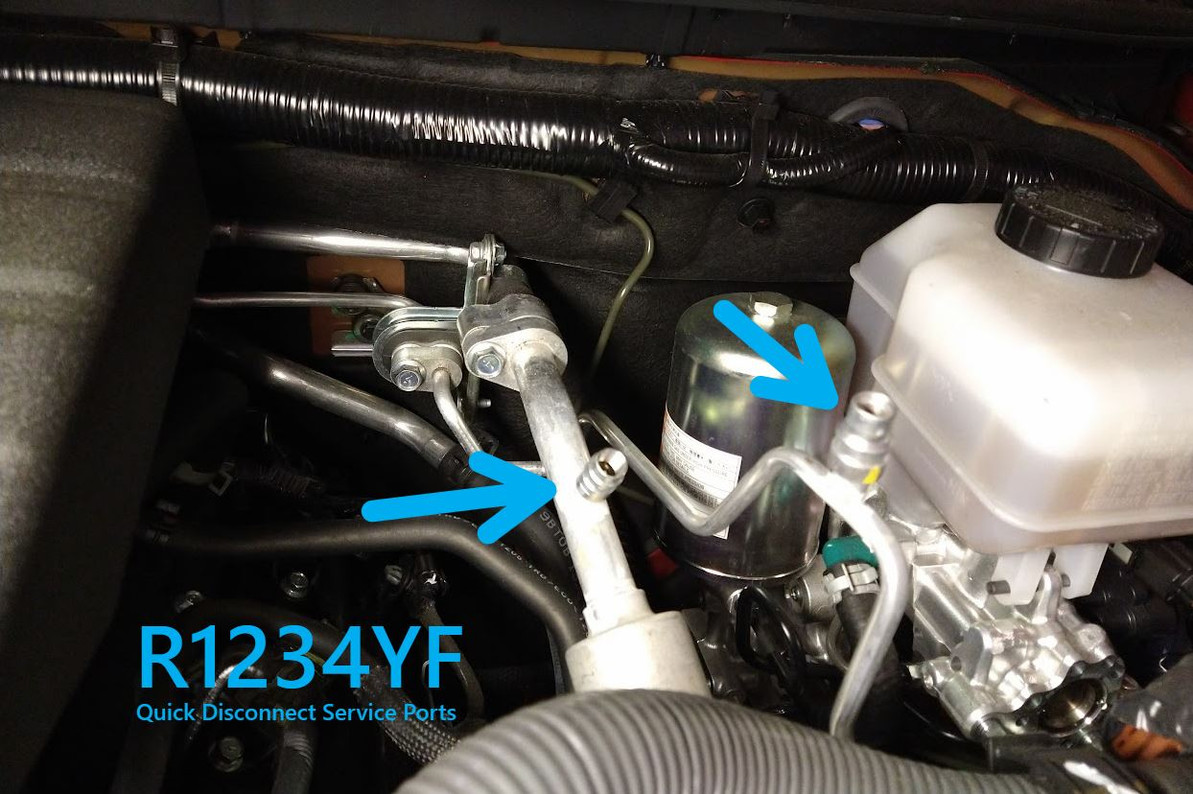
Start by purchasing UV dye made for car AC systems. Open the hood. Find the low-pressure port on the AC system. Carefully add the dye into the port. Be patient. Make sure the dye goes inside completely. Dye helps in spotting leaks easily.
After adding the dye, run the car’s AC. Let it run for about 15 minutes. This helps the dye circulate well. Check for any obvious leaks around hoses and connections. Remember, safety first. Wear gloves and goggles if needed.
Get a UV light to find the leak. Turn off the car. Shine the UV light near the AC system. Look for bright spots. These spots show where the dye is leaking. Bright spots mean a leak is present. Look closely at all parts of the AC.
If you see a bright spot, that’s your leak. Mark the spot. This helps in repair later. Always check all possible leak points. Use the light on different parts to be sure.
Performing A Soap Bubble Test
Identify car AC leaks with a soap bubble test. Mix soap and water, apply to AC components, and watch for bubbles. Bubbles indicate escaping refrigerant, pinpointing the leak’s location for repair. Simple and effective for maintaining your car’s cooling efficiency.
Preparing The Solution
Mix soap with water in a small bowl. Use enough soap to make bubbles. Stir the mixture gently until bubbles form. Make sure the solution is foamy. This helps to spot leaks easily. Test the solution on a flat surface. Ensure bubbles are visible.
Identifying Leaks
Apply the soap solution on AC pipes. Watch for bubbles forming. Bubbles mean there is a leak. Check around connectors and valves. Look closely at any joints. Move slowly to see small leaks. Repeat if necessary. Some leaks are hard to find. Look for tiny bubbles too.
Listening For Hissing Sounds
Start by turning the car’s engine on. Then switch on the AC system. Listen carefully for any hissing sounds. These sounds can be clues. They often mean there is a leak. Try to follow the sound to its source. It might lead you to the leak location.
Move close to the car’s AC components. The sound might be near the compressor or hoses. Use your hand to feel for air escaping. This helps find the exact spot of the leak. Be careful, the engine parts can be hot.
Use soapy water to confirm the leak. Mix soap with water in a spray bottle. Spray the mixture on suspected areas. Watch for bubbles forming. Bubbles mean air is escaping. This confirms the leak. Now you know where the problem is.
Checking Refrigerant Levels
Use a gauge to check refrigerant levels. Connect the gauge to the car’s AC port. Make sure the engine is off. Turn the gauge knob to attach it securely. Look at the gauge dial. It shows if the refrigerant is low or high.
Low refrigerant means there might be a leak. High levels indicate overfilled or other issues. Compare readings with normal levels. Seek help if unsure about the results. Regular checks keep the AC working well.

Credit: www.youtube.com
Seeking Professional Help
Consult experts when you hear strange noises. Also, if the AC stops working. Experts have the right tools. They can find leaks quickly. They also know how to fix them.
When To Consult Experts
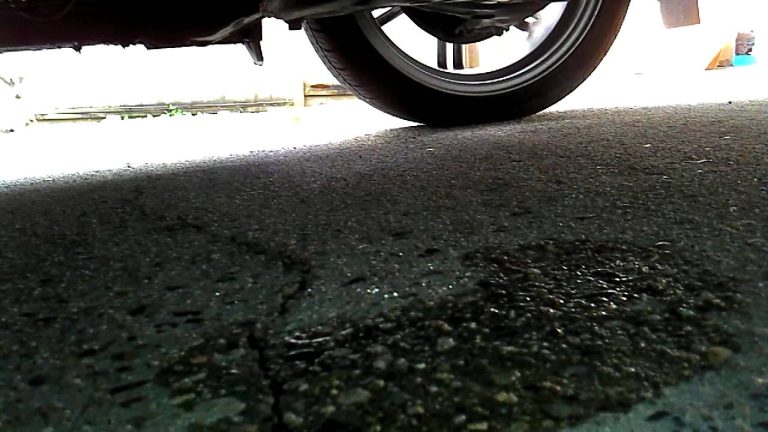
If the air from the AC is not cold, seek help. A strange smell may mean a leak. Also, if you see water under the car. This can be a sign. A professional can check it properly. They ensure your AC works well.
Choosing A Repair Shop
Look for shops with good reviews. A certified shop is best. They have trained workers. Ask friends for suggestions. Also, visit the shop. See if they are clean and organized. A good shop will answer all your questions.
Frequently Asked Questions
Where Is The Most Common Place For A Car Ac Leak?
The most common place for a car AC leak is the evaporator coil. Other potential leak spots include the compressor seals and hose connections. Regular maintenance helps in early detection and repair.
How To Find Air Conditioner Leak On A Car?
Inspect hoses, connections, and the condenser for signs of moisture or oil residue. Use UV dye or electronic leak detectors to pinpoint leaks. Regular maintenance can prevent leaks effectively. Always consult a professional if unsure.
How Do I Find Out Where My Ac Is Leaking?
Check for visible refrigerant leaks or oil stains around the AC unit. Listen for hissing sounds. Use UV dye or electronic leak detectors for accurate detection. Inspect common areas like the evaporator coil, condenser, and refrigerant lines. Consult a professional for a thorough inspection if needed.
What Is The Most Common Leak In A Car Ac System?
The most common leak in a car AC system is the refrigerant leak. Rubber seals and hoses often degrade, causing these leaks. Regular maintenance and inspections can help detect and prevent refrigerant leaks, ensuring efficient AC performance. Always consult a professional for accurate diagnosis and repair solutions.
Conclusion
Finding an AC leak in your car doesn’t have to be hard. Start with visual inspection. Look for oily spots or damaged hoses. Use a UV dye kit if needed. Listen for unusual sounds. Feel for lack of cold air.
These methods help pinpoint the problem. Fixing it early can save money. And prevent bigger issues. Regular maintenance also helps avoid leaks. Keep your car’s AC system efficient. Stay cool during hot drives. Remember, a little attention goes a long way.
Your car deserves the best care.