Do Antique Cars Need Inspection in Virginia? VA DMV Rules Explained
No — if you register your antique car with Virginia’s restricted-use antique or permanent vintage plates, it’s exempt from the state’s annual safety inspection. That exemption only applies to that specific registration choice, though, not to every 25-year-old car automatically.
Virginia actually gives owners of older vehicles two very different paths, and which one you pick decides whether you ever see an inspection sticker again. Below is exactly how the exemption works, what “occasional pleasure driving” really means, and whether you still owe personal property tax on the car.
How Virginia Defines an Antique Vehicle
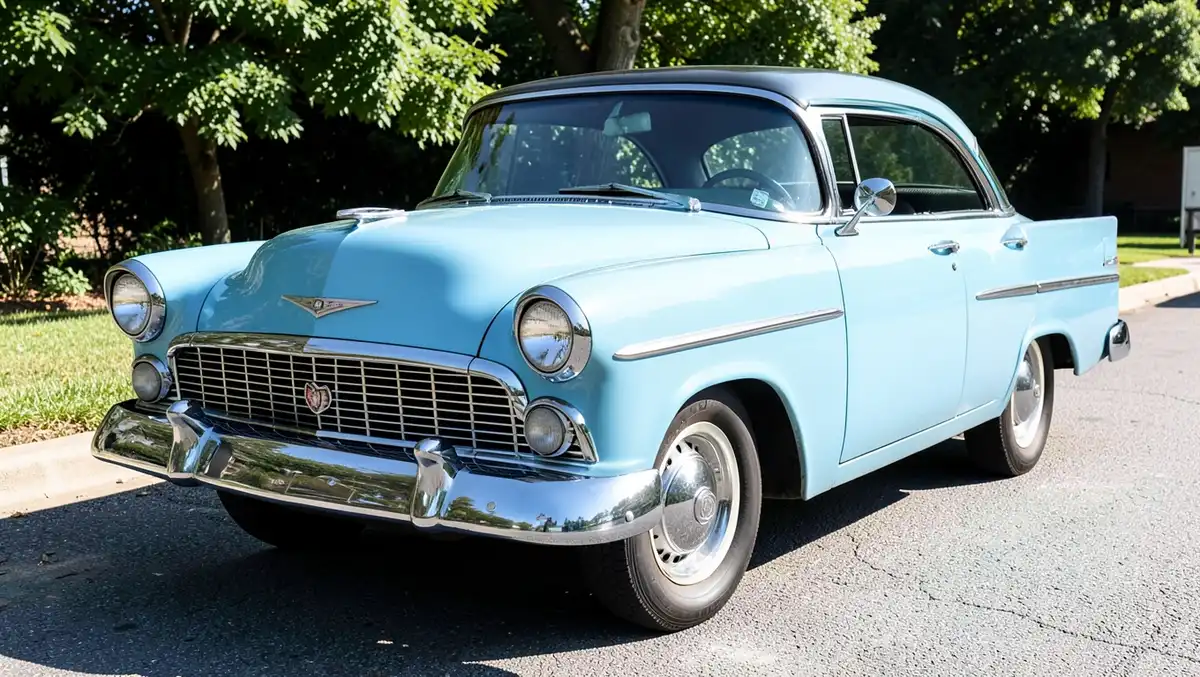
Under Virginia Code § 46.2-730, a passenger vehicle, trailer, or motorcycle qualifies as an antique once it’s more than 25 model years old, measured from January 1 of the current calendar year. The Virginia DMV’s antique vehicle page confirms that cutoff moves forward every year, so it’s worth double-checking the exact model year on DMV’s site rather than relying on a number you saw somewhere else.
There’s also a second, narrower plate type that people often confuse with “antique” plates: vintage plates. These are original Virginia license plates issued before 1976 that the owner already has in hand, and they can only be used on vehicles built before 1973, with the year embossed on the plate matching the car’s model year exactly. Antique plates, by contrast, are new plates issued by DMV for any vehicle 25-plus years old, regardless of when the vehicle was built.
Two Ways to Register an Antique Car in Virginia (and Why It Changes Your Inspection Requirement)
This is the part most articles skip, and it’s the actual answer to whether your car needs inspecting. Once a vehicle qualifies as an antique, Virginia lets you register it one of two ways, and each one comes with a completely different inspection outcome.
| Registration Choice | Plates | Safety Inspection? | How You Can Drive It |
|---|---|---|---|
| Collector item (restricted use) | Antique plates or permanent vintage plates | Exempt — owner self-certifies instead | Club events, shows, exhibits, repairs, and occasional pleasure driving within 250 miles of home |
| General transportation | Vintage plates (pre-1973 vehicles only, year-matched) | Required — annual sticker, same as any other car | Unrestricted, everyday driving |
Choose the first option and you skip the state inspection line entirely, but you agree to keep the car out of your daily driving rotation. Choose the second and your antique car is treated, for inspection and registration purposes, exactly like a regular vehicle — you’ll renew every one or two years and get it inspected annually just like any other car on the road.
The 250-Mile Rule: What “Occasional Pleasure Driving” Actually Means
A common misread of this rule is that antique-plated cars are capped at 250 miles per year. That’s not what the law says. The 250-mile figure is a distance radius from your home, not a yearly mileage total — you can take an antique-plated car on plenty of short pleasure drives around town, as long as each trip stays within roughly 250 miles of where you live.
Beyond that pleasure-driving allowance, restricted-use antique and vintage plates also permit:
- Antique car club meetings, tours, and exhibitions
- Parades and similar organized events
- Testing the vehicle’s operation after repair work
- Driving to and from a repair shop or maintenance appointment
- Transporting the vehicle to a sale
What’s explicitly off-limits is using the car for general transportation — commuting to work, running daily errands, or any other routine driving. To register with restricted-use antique plates in the first place, you also have to certify that you own, or have regular access to, a separate everyday vehicle that isn’t on antique tags.
Because these cars spend most of the year parked rather than driven, a battery tender is worth keeping on hand — a battery that sits unused for weeks between club events or pleasure drives will drain and sulfate far faster than one in a daily driver.
How to Self-Certify Your Antique Car for the Inspection Exemption
If you go the restricted-use route, you don’t skip safety checks entirely — you just perform them yourself instead of taking the car to a state inspection station. You’ll complete DMV Form VSA-10B, the Antique and Vintage License Plate Certification, have it notarized, and submit it with your registration. On that form, you’re certifying two things under penalty of law: that the vehicle carries the safety equipment required for its model year, and that it’s currently in safe operating condition.
Take that certification seriously. Virginia treats violations of the antique-plate rules — including driving one for general transportation or misrepresenting its condition — as a Class 4 misdemeanor, and a conviction gets your antique or vintage plates revoked for five years.
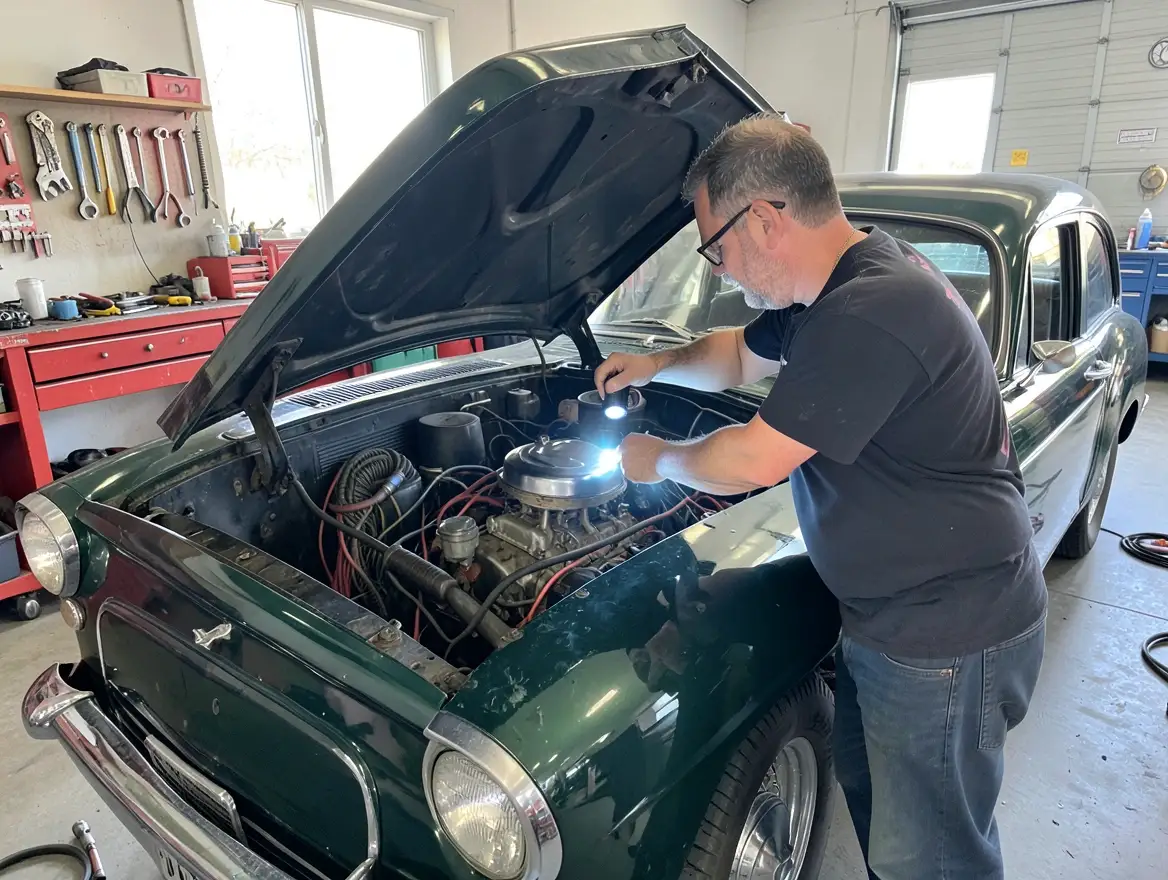
That self-certification system isn’t just a formality, either. A rise in the number of self-certified historic plates on the road has drawn genuine attention from safety officials in the DC region, since it means some of those vehicles are never seen by a trained inspector:
What a Standard Safety Inspection Costs (If You Register for General Use)
Choose the general-transportation route with year-matched vintage plates, and your car follows the same rules as every other vehicle registered in Virginia. Under Virginia Code § 46.2-1167, licensed inspection stations can charge up to $20 for a standard passenger-vehicle inspection, and the sticker has to be renewed every 12 months. That fee covers the state-mandated safety checks — brakes, lights, tires, steering, and similar equipment — not any repairs the inspector finds are needed.
Keep in mind that inspection rules are set state by state, so an inspection sticker from Virginia (or anywhere else) generally isn’t transferable if you move or register the car elsewhere; our guide on getting a car inspected in a different state covers how that works if you split time between states.
Do You Pay Personal Property Tax on an Antique Car in Virginia?
It depends entirely on your locality — this isn’t a flat statewide “yes.” Under Virginia Code § 58.1-3504, restricted-use antique vehicles (the kind not used for general transportation) are classified as household goods and personal effects, and any county, city, or town may pass a local ordinance exempting that class of property from personal property tax entirely.
Plenty of localities have done exactly that: Loudoun County has exempted qualifying antique vehicles from local personal property tax since 2013, and Dinwiddie County and several other localities have adopted similar ordinances. Others haven’t, and some assess restricted-use antiques at a low flat value instead of exempting them outright. Because it’s set locality by locality, the only way to know your actual bill is to check with your county or city’s Commissioner of the Revenue. And if you register your antique car for general transportation instead of restricted collector use, that household-goods classification doesn’t apply at all — it’s taxed like a normal vehicle.
Frequently Asked Questions
Do Antique Cars Have To Be Inspected In Virginia?
Not if they’re registered with restricted-use antique or permanent vintage plates. In that case, the owner self-certifies the vehicle’s safety condition on DMV Form VSA-10B instead of visiting an inspection station. If the same vehicle is instead registered with vintage plates for general transportation, it needs the same annual safety inspection as any other Virginia vehicle.
How Old Does A Car Have To Be To Qualify As An Antique In Virginia?
A vehicle qualifies once it’s more than 25 model years old, measured from January 1 of the current calendar year. That cutoff shifts forward every year, so check the current qualifying model year on DMV’s antique vehicle page before applying.
What Is The 250-Mile Rule For Antique Car Plates?
It’s a distance limit, not an annual mileage cap. Restricted-use antique and vintage plates allow occasional pleasure driving as long as the trip stays within about 250 miles of the owner’s residence, in addition to club events, exhibitions, repairs, and similar approved uses.
Do You Have To Pay Personal Property Tax On An Antique Car In Virginia?
It depends on your locality. State law lets counties and cities exempt restricted-use antique vehicles from personal property tax as household goods, and many localities have adopted that exemption, but it isn’t automatic statewide. Check with your local Commissioner of the Revenue for your specific tax treatment.
Can You Daily Drive A Car With Antique Plates In Virginia?
No. Restricted-use antique and vintage plates are limited to club activities, exhibitions, parades, repairs, and occasional pleasure driving within 250 miles of home. Owners must also certify they have a separate everyday vehicle for daily transportation.
What Happens If You Use Antique Plates For Regular Driving?
Using restricted-use antique or vintage plates for general transportation, or misrepresenting the vehicle’s condition on the self-certification form, is a Class 4 misdemeanor in Virginia. A conviction results in your antique or vintage plates being revoked for five years.
The Bottom Line
Whether your antique car needs a Virginia safety inspection comes down to one choice you make at registration. Register it as a restricted-use collector vehicle and you self-certify its condition instead, in exchange for keeping the miles limited to club events, shows, and occasional pleasure driving within 250 miles of home. Register it for everyday transportation instead, and it plays by the same annual-inspection rules as any other car in the state. Either way, keep your VSA-10B paperwork current, and check with your local Commissioner of the Revenue to know exactly what you’ll owe in personal property tax.
Products related to this article
Sponsored / affiliate links. As an Amazon Associate I earn from qualifying purchases. I may earn additional commission from eligible campaigns.