How to Fix Car Seat: Essential Guide
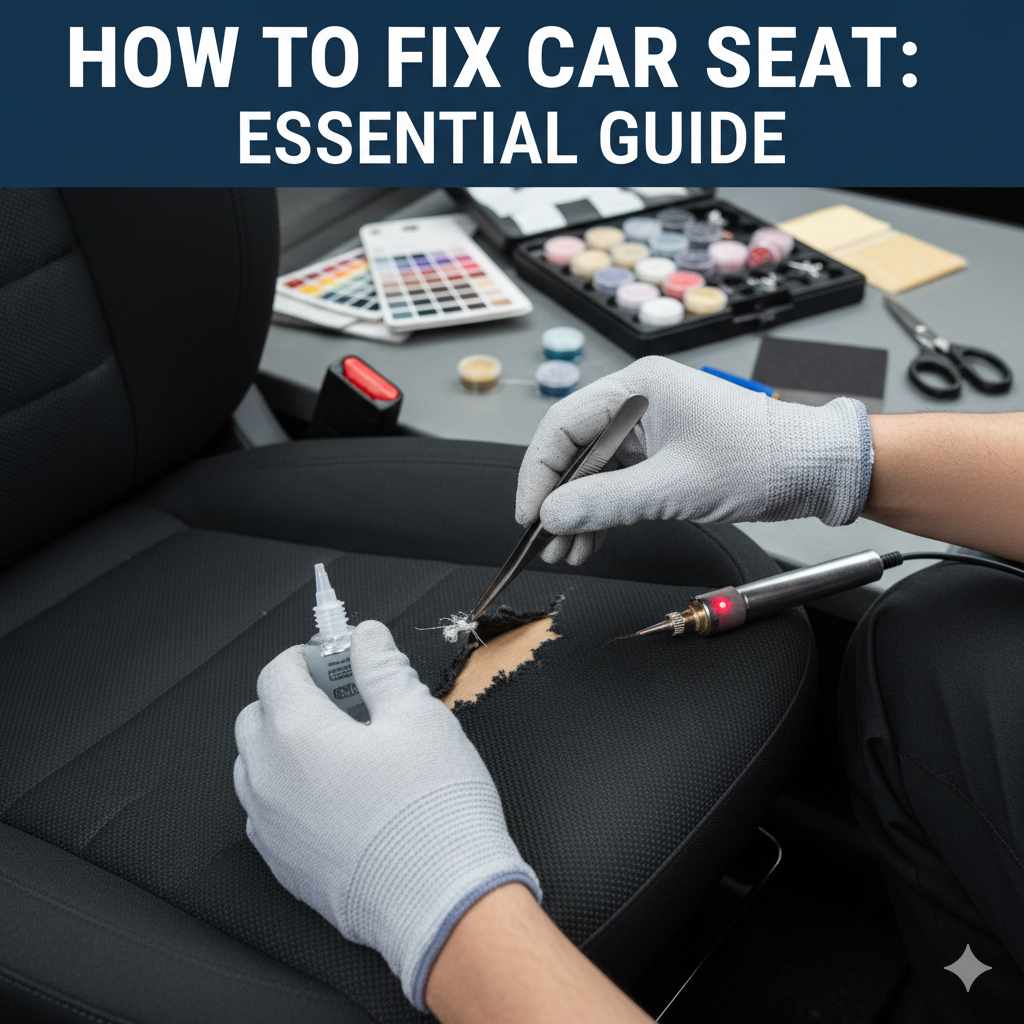
Fixing a car seat is often a straightforward DIY repair for common issues like tears, worn fabric, or minor frame problems. This guide provides simple, step-by-step instructions to refresh your car seat’s appearance and functionality, saving you money and improving your comfort.
Hey there, fellow drivers! Md Meraj here. We spend a lot of time in our cars, and after a while, those seats can start to show their age. Maybe you’ve got a small tear, some faded upholstery, or a lever that’s gotten a bit sticky. It’s easy to feel a bit overwhelmed thinking about how to fix car seat problems, but trust me, most common issues are easier to tackle than you think. You don’t need to be a master mechanic to get your car seats looking and feeling great again. In this guide, we’ll walk through how to fix common car seat problems, step by step. We’ll keep it simple, safe, and budget-friendly, so you can drive in comfort and style.
Common Car Seat Problems and Solutions
Our car seats are there for us through daily commutes, long road trips, and everything in between. Over time, they can suffer from wear and tear. Understanding the common culprits can help you know exactly what you’re dealing with. Here are some of the most frequent issues drivers encounter:
1. Fabric Tears and Rips
This is probably the most common complaint. Whether from years of getting in and out, sharp objects, or even just plain old wear, fabric tears can make your car’s interior look unkempt. The good news is that many of these can be repaired without needing to replace the entire seat cover.
How to Fix Small Fabric Tears and Rips
For small tears, a fabric repair kit or even a strong adhesive can work wonders. For larger ones, sewing might be necessary.
-
Prepare the Area
Clean the area around the tear thoroughly. Use an interior cleaner and a microfiber cloth to remove any dirt, dust, or debris. This ensures the adhesive or thread will stick properly.
-
For Small Tears (Adhesive Method)
If the tear is small and the fabric edges are still intact, you can use a fabric adhesive like an E6000 or a specialized automotive upholstery adhesive. Gently work the adhesive into the edges of the tear. You might need to use a toothpick for precise application. Press the edges together firmly and hold them in place until the adhesive begins to set. You can use painter’s tape to keep the edges together while it cures completely. Always check the adhesive manufacturer’s instructions for drying times.
-
For Larger Tears or Seams (Sewing Method)
For more significant tears or if the seam has come undone, you’ll need to sew it. You can use heavy-duty upholstery thread and a curved upholstery needle. If possible, reach behind the fabric to get to the underside of the tear. You can use a whip stitch or a baseball stitch, which are strong and discreet. Make small, consistent stitches, pulling them tight to close the gap. If you can’t reach the back, you can create a small, neat seam on the visible side. It’s important to match the thread color as closely as possible to the seat fabric for a less noticeable repair.
-
Reinforce if Necessary
For tears that are in high-stress areas, you might want to add a patch of similar fabric on the underside of the tear before sewing. This provides extra strength.
-
Final Clean-up
Once the repair is dry or the stitches are secure, clean the area again to remove any residual adhesive or loose threads.
2. Worn or Faded Upholstery
Sun exposure and daily use can lead to upholstery that looks dull and faded. This is especially common on the driver’s seat. Fortunately, you can often restore its look and protect it from further damage.
How to Revitalize Faded Upholstery
This involves cleaning and then applying a protectant or dye.
-
Deep Clean the Upholstery
Start by vacuuming the seat thoroughly to remove loose dirt and debris. Then, use a dedicated automotive upholstery cleaner. Spray it onto a microfiber cloth (not directly onto the seat, to avoid oversaturation) and gently work it into the fabric in sections. Use a soft-bristled brush to agitate stubborn stains or dirt. Wipe away the residue with a second clean, damp microfiber cloth. Allow the seat to dry completely.
-
Apply a Fabric Protectant
Once clean and dry, a fabric protectant can add a bit of shine and help prevent future fading. Look for products that offer UV protection. Apply it according to the product’s instructions, typically by spraying a light, even coat and then buffing it in with a clean microfiber cloth.
-
Color Restoration (Optional)
For significantly faded areas, you might consider an upholstery dye. These come in various colors and can be sprayed on to restore the original hue. Test the dye on an inconspicuous area first to ensure it matches. Apply in light, even coats, allowing each to dry before applying the next. Be sure to protect surrounding areas (like plastic trim or the dashboard) with painter’s tape. This is a more involved step and requires patience for the best results.
3. Worn or Cracked Leather
Leather seats offer a premium feel, but they can dry out, crack, and develop wear patterns over time. Regular conditioning is key, but small cracks can also be repaired.
How to Repair Minor Leather Cracks and Wear
Leather repair kits are your best friend here. They contain everything you need to fill and re-color minor damage.
-
Clean the Leather
Thoroughly clean the leather with a dedicated leather cleaner. This removes oils, dirt, and any old conditioning products that could interfere with the repair. Make sure to get into any cracks. Wipe dry with a clean cloth.
-
Prepare the Crack
For small cracks, you might need to trim any lifted edges with a sharp craft knife. Then, use a leather filler or repair compound. Kits often come with a spatula for application. Work the filler into the crack, making sure it’s smooth and level with the surrounding leather. Remove any excess.
-
Allow Filler to Cure
Let the filler dry completely according to the kit’s instructions. This can take several hours or even overnight. Some kits might require a light sanding or buffing afterward to make it perfectly smooth.
-
Color Matching and Application
The most challenging part of leather repair is color matching. Most kits include a way to mix colors to match your original upholstery. Apply the colorant in thin layers using a sponge or airbrush (if your kit includes one), allowing each layer to dry before applying the next. Feather the edges to blend the color into the surrounding area.
-
Apply a Leather Sealant/Finish
Once the color is dry and looks good, apply a leather sealant or finish. This protects the repair and helps match the sheen of the original leather. Again, apply in thin, even coats.
-
Condition the Leather
After the repair is complete and fully cured, it’s a great time to apply a good quality leather conditioner to the entire seat. This will help prevent future drying and cracking and give your seats a soft, supple feel.
4. Sagging Seat Springs or Padding
Sometimes, the issue isn’t with the upholstery itself, but with the support underneath. If your seat feels like you’re sinking too much, it could be worn springs or flattened padding.
How to Address Sagging Seats
This can range from simple fixes to more involved repairs, depending on the seat type.
-
Inspect the Seat Structure
First, try to determine what’s causing the sag. Is it the foam padding that has compressed, or are the springs underneath broken or detached? You might need to remove the seat from the car for a closer look, or at least lift up the upholstery if possible.
-
Reinforcing or Replacing Springs
If you find broken or detached springs, this can be a more complex repair. For some seats, springs can be re-attached using heavy-duty wire or zip ties. In other cases, especially if springs are broken, they may need to be replaced. This often requires removing the seat cover and potentially the seat frame itself. If your car is newer, replacement springs might be available from the manufacturer or aftermarket suppliers. For older cars, you might need to find a specialized auto upholstery shop.
-
Adding or Replacing Foam Padding
If the padding is compressed, you can sometimes add more foam or replace sections. High-density foam is a good choice for car seats. You can cut new foam to size and shape to fit into the seat base, under the existing upholstery. Ensure it’s securely in place so it doesn’t shift around.
A great resource for understanding seat construction and repair techniques, especially for older vehicles, can be found on automotive history and restoration forums. For instance, sites like The Jalopy Journal’s H.A.M.B. often have incredibly detailed discussions and DIYs shared by experienced restorers.
-
Seat Frame Issues
If the seat frame itself is bent or damaged, this is a more significant repair. Minor bends might be straightened carefully with tools, but severe damage could require welding or replacement of the frame. This is often a job best left to professionals unless you have significant metalworking experience.
5. Malfunctioning Seat Adjusters (Manual and Electric)
Seat adjusters are crucial for comfort and driving position. When they freeze up or stop working, it’s a major inconvenience.
How to Fix Seat Adjuster Problems
Often, stiffness or minor issues can be resolved with cleaning and lubrication.
-
Identify the Problem Area
Determine which adjuster isn’t working (e.g., the recline lever, the forward/backward slider, or electric controls). Examine the mechanism for obvious obstructions or damage.
-
Clean the Mechanism
Dirt, grime, and old lubricant can gum up the works. Use an automotive-grade cleaner or degreaser to clean the visible parts of the adjuster mechanism. A toothbrush or a thin brush can help get into tight spots. Wipe away the loosened gunk with a cloth.
-
Lubricate Thoroughly
Once clean and dry, lubricate the moving parts. A silicone spray lubricant or a dry lubricant like graphite powder is often recommended for automotive mechanisms, as they don’t attract as much dirt as petroleum-based greases. For rails, a white lithium grease can be effective. Operate the adjuster back and forth multiple times to distribute the lubricant evenly. For electric seat adjusters, ensure the battery is good and check fuses before assuming a mechanical issue. The National Highway Traffic Safety Administration (NHTSA) provides valuable information on vehicle safety components, including seating systems, which can be helpful to understand how these systems are designed to function safely.
-
Check for Obstructions
Sometimes, small objects can get lodged in the seat rails or mechanisms, preventing movement. Carefully inspect the tracks and gears for anything that might be blocking the adjuster.
-
Electric Seat Adjuster Troubleshooting
If you have electric seats, check the fuses first, as per your car’s owner’s manual. If fuses are good, the issue could be the motor, switch, or wiring. Testing these components usually requires a multimeter and some electrical knowledge. If you’re not comfortable with electrical diagnostics, it might be best to consult a professional.
6. Worn or Missing Buttons/Trim Pieces
Small plastic trim pieces or buttons can break off or go missing, detracting from the interior’s look and feel.
How to Replace Small Trim Pieces and Buttons
These are usually simple to replace with parts from your car’s manufacturer or aftermarket suppliers.
-
Identify the Part Number
The best way to ensure a perfect fit is to get the exact part number for the broken or missing piece. You can often find this on the existing parts (look for small embossed numbers), in your car’s owner’s manual, or by contacting a dealership’s parts department with your car’s Vehicle Identification Number (VIN).
-
Source the Replacement Part
Once you have the part number, you can order the part from a dealership, an online auto parts retailer, or even an auto salvage yard for a more budget-friendly option. Reputable online sources for parts include ECS Tuning or FCP Euro, which often have diagrams to help identify the correct component.
-
Installation
Most small trim pieces and buttons are designed for easy installation. They often snap into place or are held by small clips. Carefully remove any remnants of the old part. Align the new part and gently press it into position until it clicks or seats firmly. You might need a plastic trim removal tool to help pry off old pieces without damaging the surrounding upholstery or plastic.
Essential Tools for Car Seat Repair
Having the right tools makes any DIY car repair project smoother. For basic car seat fixes, you won’t need a massive toolkit. Here’s a list of essentials:
| Tool | Purpose | Why It’s Helpful |
|---|---|---|
| Fabric Repair Kit | For patching small tears and rips in fabric seats. | Contains threads, needles, patches, and sometimes fabric adhesive. |
| Upholstery Cleaner & Conditioner | To clean the seat fabric and leather. | Removes dirt and grime, restoring appearance and preventing damage. |
| Leather Repair Kit (Color Matching) | To fix cracks, scratches, and tears in leather seats. | Includes filler, colorants, applicators, and sealant for professional-looking repairs. |
| Plastic Trim Removal Tools | To safely pry off interior trim pieces and panels. | Prevents scratching or damaging surrounding materials. |
| Heavy-Duty Upholstery Needle & Thread | For sewing larger tears or seams. | Strong enough to handle upholstery fabric. |
| Spray Lubricant (Silicone or White Lithium Grease) | To free up sticky seat adjusters and rails. | Ensures smooth operation of moving parts. |
| Vacuum Cleaner (with crevice tool) | To remove loose debris and dust. | Crucial for preparing surfaces for repair and for general cleaning. |
| Microfiber Cloths | For cleaning, applying products, and buffing. | Gentle on surfaces and effective at picking up dirt. |
| Painter’s Tape | To protect surrounding areas during dyeing or gluing. | Ensures clean lines and prevents unwanted product transfer. |
| Craft Knife or Small Scissors | For trimming frayed edges of tears. | Precise cutting tool for small repairs. |
Safety First! Important Considerations
Working on your car seats involves a few safety precautions to ensure a smooth and safe experience. Always prioritize your well-being and the integrity of your vehicle.
-
Disconnect Battery for Electrical Work
If you are working on electric seat adjusters or any electrical component within the seat, it’s a wise precaution to disconnect the car’s battery. This prevents accidental short circuits or unexpected movements while you’re working. Refer to your owner’s manual for the exact procedure to disconnect and reconnect your battery.
-
Wear Appropriate Safety Gear
When using adhesives, dyes, or cleaners, always work in a well-ventilated area. Wear safety glasses to protect your eyes from splashes or flying debris, especially when using sharp tools or working under the seat. Gloves are also recommended to keep your hands clean and protected.
-
Understand Seat Mounting
If you need to remove the seat completely for repair, be aware of how it’s bolted down. Seats often have airbags or seatbelt pretensioners integrated. While unlikely to be triggered by simple upholstery work, understanding the seat’s construction is important. Always ensure bolts are re-tightened to the manufacturer’s specifications after reinstallation. Improperly secured seats can be a serious safety hazard.
-
Read Product Instructions
Any adhesive, dye, cleaner, or lubricant you use will have specific instructions for application, drying times, and safety warnings. Always read and follow these carefully. Using products incorrectly can lead to poor results or safety issues.
-
Test in Inconspicuous Areas
Before applying any dye, cleaner, or adhesive to a large, visible area, test it first on a small, hidden spot (like the underside of the seat or a small tear in the back). This helps you verify that the product works as expected, matches colors correctly, and doesn’t damage the material.
When to Call a Professional
While many car seat repairs are DIY-friendly, there are times when it’s best to hand the job over to an expert. Knowing your limits is part of smart car care.
-
Major Frame Damage
If the metal frame of your seat is severely bent, rusted through, or broken, it’s a structural issue that affects safety. These repairs often require welding and specialized equipment.
-
Complex Electrical Issues
For intricate problems with electric seat motors, heating elements, or complex control modules, a professional auto electrician or upholstery specialist will have the diagnostic tools and expertise to fix it correctly.
-
Extensive Upholstery Replacement
If your seats are ripped beyond repair, heavily stained, or if you want a completely new look with custom upholstery, a professional auto trimmer or upholstery shop can do a much better job and offer professional finishes.
-
Airbag System Malfunctions
Seats can contain airbag systems. If you suspect any issue with these, do not attempt repairs yourself. An error here can compromise safety.
-
When You Lack Time or Confidence
Ultimately, if a repair seems too complex, you don’t have the right tools, or you simply don’t feel confident tackling it, it’s always worth getting a quote from a professional. Driving safely and comfortably is the priority.
Frequently Asked Questions (FAQ)
Q1: How much does it typically cost to fix a car seat?
A: Basic fabric repairs or cleaning can cost as little as $15-$30 for materials if you do it yourself. Leather repair kits might range from $30-$70. Professional repairs can vary widely, from $100 for a small fabric patch to $500+ for significant leather restoration or full seat upholstery work.
Q2: Can I use household glue to fix a tear in my car seat?
A: It’s generally not recommended. Household glues like super glue might be too brittle or not flexible enough for upholstery, potentially making the tear worse or stiffening the fabric. Always use adhesives specifically designed for fabric or automotive upholstery for the best, most durable results.
Q3: How do I clean mild stains from my car seats?
A: For fabric seats, start by vacuuming. Then, use a dedicated automotive upholstery cleaner applied to a cloth, not directly on the seat. For leather, use a specialized leather cleaner. Always blot stains gently rather than rubbing, and test any cleaner on an inconspicuous area first.
Q4: My car seat feels loose. What could be the problem?
A: A loose seat could be due to loose mounting bolts that secure the seat to the car’s floor. Check if the bolts are tight. If the seat itself feels wobbly or the adjustments are loose, it might indicate worn bushings, damaged rails, or issues with the seat frame, which could require professional inspection.
Q5: What’s the best way to prevent my car seats from wearing out?
A: Regular cleaning and conditioning are key. For fabric seats, vacuum them frequently and clean spills immediately. For leather, use a quality leather conditioner every few months to keep it supple and prevent drying and cracking. Using seat covers can also provide an excellent layer of protection against wear, sun damage, and spills.
Q6: Can I dye my entire car seat if it’s heavily faded?
A: Yes, you can dye heavily faded car seats, often with good success using specialized automotive upholstery dyes. However, it’s a more involved process that requires careful preparation, precise application with multiple light coats, and thorough buffing to achieve an even finish. It’s crucial to match the color accurately and protect surrounding areas.
Conclusion
Taking care of your car’s interior doesn’t have to be a daunting task. As you can see, many common car seat issues, from small tears and fading to sticky adjusters, are well within the reach of a beginner DIYer. By using the right tools, following these step-by-step guides, and remembering to prioritize safety, you can significantly improve the look, feel, and functionality of your car seats.
Simple repairs can save you money and give you a real sense of accomplishment. Plus, a well-maintained interior makes every drive more enjoyable. So, don’t let those car seat problems keep you down. Grab a few supplies, take your time, and experience the satisfaction of a refreshed ride. Happy fixing!