How to Fix Cat Scratches on Your Car
Getting scratches on your car from a cat can be frustrating. It happens to lots of people! These scratches might seem difficult to fix, especially if you’re just starting. But don’t worry, it’s totally manageable. This guide will walk you through a simple, step-by-step process to fix the damage. We’ll explore everything from choosing the right products to doing the repair work. Let’s see how to get your car looking great again, starting now.
Identifying Damage Types From Claw Scratches
The first step in fixing cat scratches on your car is figuring out how bad the damage is. This helps you choose the right repair method. Scratches vary in depth, so it’s important to look closely. Different types of scratches need different solutions. This section explores how to tell what kind of damage you’re facing. Knowing this will save you time and help get the best results. We’ll look at the different kinds of scratches and how to tell the difference.
Surface Scratches and What They Mean
Surface scratches are the least serious type of damage. They only affect the clear coat, the top layer of paint on your car. You can usually feel them with your fingernail. They might look like light, hazy marks. These types of scratches often come from cats’ claws as they brush against the car. Surface scratches might not look bad initially, but they can make the car’s paint look dull. Addressing these early on keeps them from becoming worse. Fixing these types of scratches involves simple polishing. This removes the damaged clear coat and makes the paint look shiny again. If you catch them early, you can often fix them yourself. You will need a good car scratch remover or polishing compound.
- Clear Coat Damage: This is the most common kind of scratch. The clear coat protects the paint underneath. Cats’ claws can easily damage this layer. The scratches will be visible.
- Light Scratches: These are slight imperfections in the clear coat. Light scratches often appear as swirls or marks. You can usually get rid of them with a polish or a scratch remover.
- Fingernail Test: Gently run your fingernail across the scratch. If you can feel it, the scratch is likely deeper than the clear coat. If your nail does not catch, it’s a surface scratch.
- Appearance: Surface scratches often look like a haze or a swirl. They may not be very noticeable in the beginning. This depends on how the light hits the car.
Deeper Scratches: Reaching the Paint
Deeper scratches go past the clear coat and into the paint. These scratches can be more serious. You might see the color of the car’s paint, or even the primer. These types of scratches are usually caused by claws digging deeper into the surface. These are tougher to fix. They often need more than just polishing. You may need to use touch-up paint or other professional methods. Fixing deeper scratches is important to prevent rust. If left alone, they could worsen over time. Addressing these issues early protects your car from additional damage. It also maintains its appearance.
- Paint Layer Damage: These scratches go through the clear coat and into the paint layer. This is where you will see the color of your car. They can be more obvious.
- Primer Exposure: If you see a gray or dark-colored line, you may be down to the primer. Primer helps the paint stick to the metal of the car. These scratches need immediate attention to prevent rust.
- Metal Exposure: In the most serious cases, the scratch might go all the way to the metal. You’ll see bare metal. This is the most serious, as it can quickly rust.
- Professional Repair: Deeper scratches may need professional body shop work. They might require sanding, painting, and clear coating. These can be the most time-consuming and expensive repairs.
Checking for Rust
Rust is a car owner’s worst nightmare, and cat scratches can open the door for it. Rust forms when the metal in your car is exposed to air and water. It spreads quickly. Rust starts small, but it can cause big problems if ignored. Always check scratches carefully for signs of rust. Rust looks like reddish-brown flakes. Rust on your car means the metal is corroding. This weakens the car’s structure and reduces its value. Addressing rust early is important to maintain the car’s appearance and protect it from further damage. You will want to use rust-prevention methods if you spot rust, and consider professional help.
- Visual Inspection: Look closely at the scratches for any reddish-brown spots or flakes. These are signs of rust. Check the area around the scratch. Rust can spread.
- Metal Exposure: Scratches that go through the paint and primer expose the bare metal. This makes rust more likely. The more often the car is exposed to the elements, the more the risk increases.
- Prevention: If you see exposed metal, apply a rust inhibitor or primer. This will help prevent rust from forming. This is an important step to protecting your car’s value.
- Professional Help: Severe rust may require professional treatment. A body shop can remove the rust. They will also repair the damage, and repaint the area. This can be costly, but necessary.
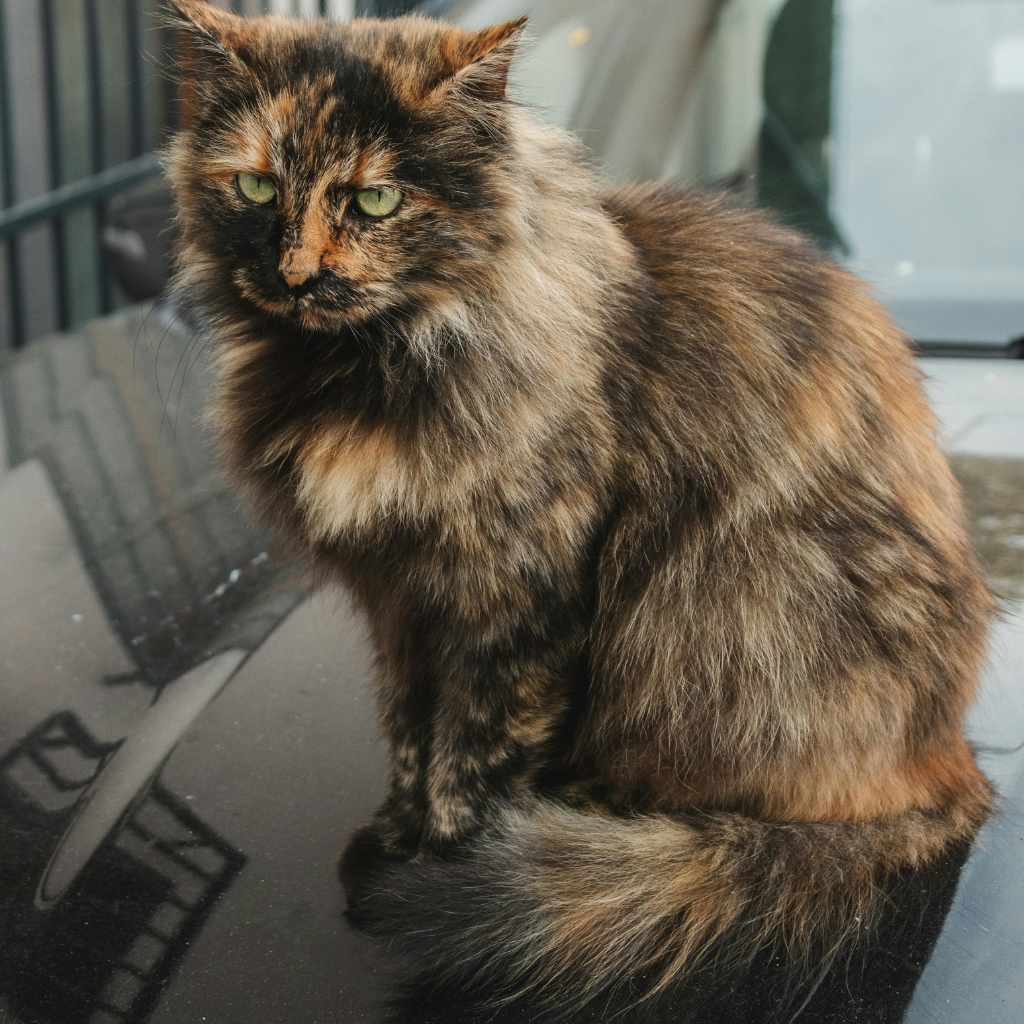
Ways to Fix Cat Scratches on Your Car
Once you’ve identified the type of scratches, it’s time to start fixing them. There are several ways to address cat scratches on your car, ranging from simple DIY fixes to professional repairs. The method you choose depends on how deep the scratches are and your own skills. For light scratches, you can often do the work yourself at home. This is a cheaper option. For deeper scratches, you might need help from a professional. This section will look at the different repair options. We’ll explore the tools and materials you’ll need, as well as the steps for each method. The goal is to make your car look its best again.
DIY Scratch Repair Products and Tools
You can often fix minor cat scratches yourself, saving money on professional repair costs. You’ll need some essential products and tools. The right supplies make a big difference in how your car looks. Start with a good scratch remover or polishing compound. This will help remove light scratches. You will need microfiber cloths for applying the products and wiping them away. Touch-up paint is necessary for deeper scratches. Make sure to get the right color for your car. Sandpaper will also be needed for leveling the paint. These tools can repair most scratches and maintain the appearance of your car. With patience and the right products, you can make scratches disappear.
- Scratch Remover: This is for removing surface scratches. Apply it using a microfiber cloth. Then, rub it gently on the scratched area.
- Polishing Compound: Similar to scratch remover, but for more severe surface scratches. It helps remove more damaged clear coat.
- Microfiber Cloths: Use these for applying and removing products. They’re soft and won’t scratch your car. Having several will help, and are better than paper towels.
- Touch-Up Paint: For scratches that go deeper than the clear coat. This paint matches your car’s color. Make sure to buy the correct color code.
- Sandpaper: Use this for leveling touch-up paint. Start with fine-grit sandpaper. This will help you smooth out the repair.
Step-by-Step Scratch Removal Process
Here’s how to fix cat scratches on your car step-by-step. First, wash and dry the area to remove any dirt or debris. This helps you get a clean surface to work with. Then, use scratch remover or polishing compound on light scratches. Apply a small amount and rub it with a microfiber cloth. For deeper scratches, use touch-up paint. Carefully apply the paint to fill the scratch. Allow it to dry fully. After drying, use fine-grit sandpaper to level the paint. Finally, polish the area to make the car look shiny and new again. Following these steps will help you get good results. Make sure to take your time and follow the instructions carefully.
- Wash and Dry the Car: Clean the area around the scratches. Use soap and water to wash away dirt. This is to help you see the damage clearly. Make sure the area is completely dry.
- Apply Scratch Remover or Polishing Compound: For minor scratches, apply scratch remover to a microfiber cloth. Rub gently in a circular motion. This will remove any surface scratches. For deeper scratches, you will need to apply touch-up paint.
- Apply Touch-Up Paint (for deeper scratches): Use a fine brush to carefully apply touch-up paint to the scratches. Build up the paint in thin layers. Let each layer dry. You can add more than one layer.
- Sand and Level the Paint: Once the paint is dry, use fine-grit sandpaper. Gently sand the area. Smooth the surface. This helps remove any excess paint. Make sure to stay careful not to damage the clear coat.
- Polish the Area: After sanding, use a polishing compound and a clean microfiber cloth. This will restore the shine to the area you just repaired. Use a circular motion. This will make it blend in.
When to Seek Professional Help
Not all cat scratches can be fixed at home. Some scratches are too deep or extensive. In these cases, it’s best to ask for help from a professional. This can save you time and prevent making the damage worse. If a scratch goes down to the metal, you need expert help. The car needs immediate attention to prevent rust. Large areas of damage or multiple scratches are difficult to fix yourself. A professional can ensure an even finish. They use advanced techniques and tools, resulting in a flawless repair. Seeking help from a body shop ensures that your car looks its best and maintains its value.
- Deep Scratches: If the scratch goes past the paint into the primer or metal. Rust can form quickly. Body shops have the equipment to fix this type of damage.
- Extensive Damage: Multiple scratches or large areas of damage. The repair requires more time and skill. A professional can handle this type of work efficiently.
- Color Matching Issues: Getting the right color match can be tricky. Professionals have the tools to ensure an exact match. They blend the paint seamlessly with the existing paint.
- Preventing Further Damage: A professional can assess the damage and identify any underlying issues. This will prevent problems later. They will make sure the area is rust-proofed.
Preventing Cat Scratches
The best way to deal with cat scratches is to prevent them in the first place. You can take steps to protect your car from cats. Keeping cats away from your car is the best defense. This section explores ways to keep cats away. We’ll discuss deterrents, as well as things you can do to protect your car. These measures will reduce the chances of scratches. They’ll also keep your car looking great.
Effective Deterrents for Cats
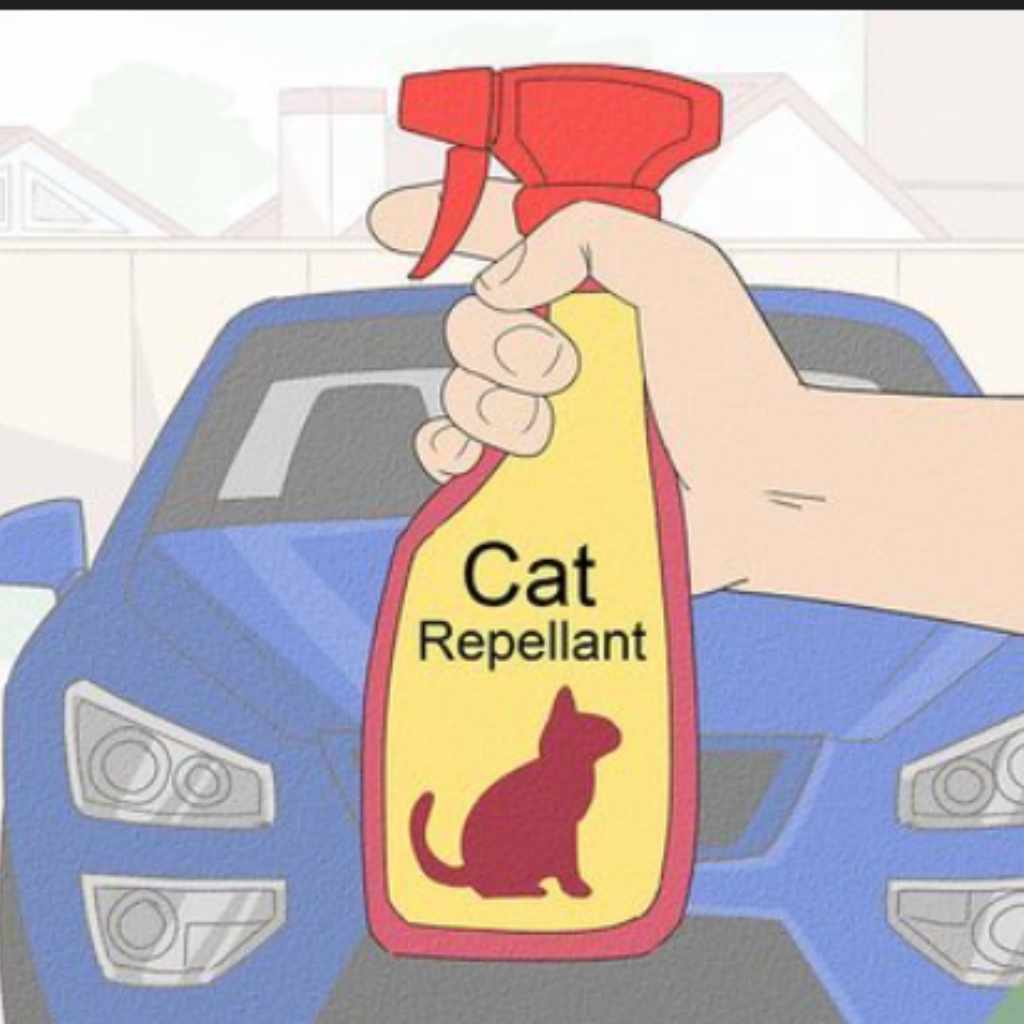
Several methods can deter cats from scratching your car. One approach is to use scents that cats dislike. Cats have strong senses of smell. You can use sprays with citrus, or pepper scents. Place these sprays around your car. Motion-activated sprinklers are also effective. These will scare cats away as they approach your car. Another strategy is to make the car less attractive to cats. Clean your car often. Keeping your car clean gets rid of odors and things that attract them. You can also cover your car when not in use. These measures reduce the likelihood of cat scratches. These methods help to create a cat-free zone. Remember, consistent effort is the key to preventing scratches.
- Citrus Sprays: Cats dislike the smell of citrus fruits like lemons and oranges. Spray a mixture of citrus oil and water around the car. This will help deter them.
- Motion-Activated Sprinklers: These sprinklers detect movement. They spray a burst of water. They will scare cats away. Place them around your car.
- Clean Regularly: Cats like to scratch on dirty surfaces. Washing your car often removes scents that attract them. This creates a clean area.
- Car Covers: A car cover is a barrier. It will protect your car from scratches. This helps keep cats away, and protect your vehicle.
Protective Measures for Your Car
Besides deterring cats, you can protect your car with protective measures. Car covers provide a physical barrier. They prevent cats from getting access to the paint. Applying a sealant or wax to the car’s paint offers a layer of protection. This will make it harder for scratches to happen. Regular washing will maintain the car’s paint. This will help remove any dirt and keep the paint in good condition. These protective measures work together to keep your car safe. You will be able to avoid scratches, and preserve the value of your car.
- Car Covers: These covers provide a protective shield. They will prevent cats from reaching your car. Get a cover that fits your car.
- Paint Sealants and Waxes: Sealants and waxes create a protective layer. They will protect the paint from scratches. Apply them to your car regularly.
- Regular Washing and Waxing: Washing your car removes dirt. Waxing will add a protective layer. This keeps the paint looking good and helps repel scratches.
- Parking Location: If possible, park in a garage or sheltered area. This will help shield your car. This can keep cats away.
Creating a Cat-Friendly Environment (Away from the Car)
You can encourage cats to scratch elsewhere, away from your car. Give them cat-friendly alternatives, such as scratching posts or pads. Place these scratching surfaces near where the cat spends its time. You can also offer catnip. This will attract the cat to those areas. Another idea is to make the car less appealing. Make sure the cat does not have access to your car. Create a safe space away from the car. This can help prevent scratches. Make the car less attractive. If you take these steps, your car will stay protected.
- Provide Scratching Posts: Place scratching posts or pads near where your cat spends its time. Encourage them to use these instead of your car.
- Use Catnip: Catnip can attract cats to scratching posts. Sprinkle catnip on the post. This will increase its appeal.
- Offer Alternative Spaces: Create comfortable spots where the cat can relax and feel safe. These locations should be away from your car.
- Training: Train your cat to avoid your car. If you see your cat scratching your car, gently redirect them to a scratching post. Reward them when they use the scratching post.
| Preventive Method | Description | Effectiveness |
|---|---|---|
| Citrus Sprays | Sprays with citrus scents cats dislike | High; cats avoid areas with this scent |
| Motion-Activated Sprinklers | Sprinklers that activate with movement | High; cats avoid getting wet |
| Car Covers | Protective covers over the car | Very High; creates a physical barrier |
| Scratching Posts/Pads | Offer alternative scratching surfaces | Medium; redirects cat scratching behavior |
Frequently Asked Questions
Question: What’s the best way to fix a light scratch?
Answer: For light scratches, use a scratch remover or polishing compound with a microfiber cloth. Apply the product in a circular motion, following the instructions on the product label.
Question: Should I use touch-up paint for all scratches?
Answer: No, touch-up paint is only needed for scratches that go past the clear coat and into the paint layer. Surface scratches on the clear coat usually don’t need touch-up paint.
Question: How can I prevent cat scratches in the first place?
Answer: You can use deterrents like citrus sprays or motion-activated sprinklers. Car covers also prevent scratches. Providing cats with scratching posts also keeps them from your car.
Question: When should I get professional help for scratches?
Answer: Seek professional help if the scratch goes to the metal, or if there is extensive damage. Also, consider professional help for color matching issues and deep scratches.
Question: How often should I wash and wax my car?
Answer: Wash your car every week or two. Wax your car every three months to help protect the paint. You can adjust the frequency based on your car’s exposure to the elements.
Final Thoughts
Fixing cat scratches on your car can be a straightforward process, if you know what to do. You’ve seen the importance of identifying the type of damage and the different methods. We have explored simple DIY solutions to professional help. You also know that prevention is key. By using the right products and following simple steps, you can get rid of minor scratches. For deeper damage, seeking professional help is a great option. Remember, keeping your car clean and using protective measures can prevent future scratches. With a bit of care and effort, you can maintain your car’s appearance and keep it in great condition. Don’t let cat scratches get you down; get started, and enjoy a beautiful, scratch-free car.