How to Fix Gas Smell in Car: Quick and Easy Solutions
The smell of gas in your car is more than just a nuisance. It’s a red flag that something isn’t quite right under the hood.
You might feel a wave of worry every time you catch that whiff, wondering if you’re putting yourself and your passengers at risk. But don’t worry—you’re not alone in facing this issue. Many drivers experience the same unsettling problem. The good news?
With the right guidance, you can identify the cause and fix it, ensuring your car is safe and smell-free. Keep reading to discover straightforward steps to tackle that gas smell, so you can drive with peace of mind and confidence.

Credit: burtbrothers.com
Common Causes Of Gas Smell
Fuel leaks can cause a strong gas smell in cars. These leaks may come from fuel lines or connections. Even a small leak can be dangerous. It’s important to check for leaks often. A mechanic can help find and fix them.
A loose or damaged gas cap may cause a gas odor. It lets gas vapors escape. Always check if the gas cap is tight. Replace it if you see cracks or wear. A good gas cap helps seal the fuel tank.
Fuel injectors spray gas into the engine. If they leak, gas can drip out. This can create a gas smell. Leaky injectors need quick fixing. A professional can clean or replace them. This keeps the car running well.
An exhaust system takes gases out of the car. If it has holes or rust, gas smells escape. These smells can enter the car. Regular checks of the exhaust system are important. Fixing any problems keeps the air clean.
Immediate Safety Measures
Open all the windows. Let fresh air in. This reduces the gas smell. Ventilation is important for safety. It helps everyone breathe better.
Keep away from cigarettes. Don’t use lighters near the car. Gas is flammable. It can catch fire easily. Stay safe.
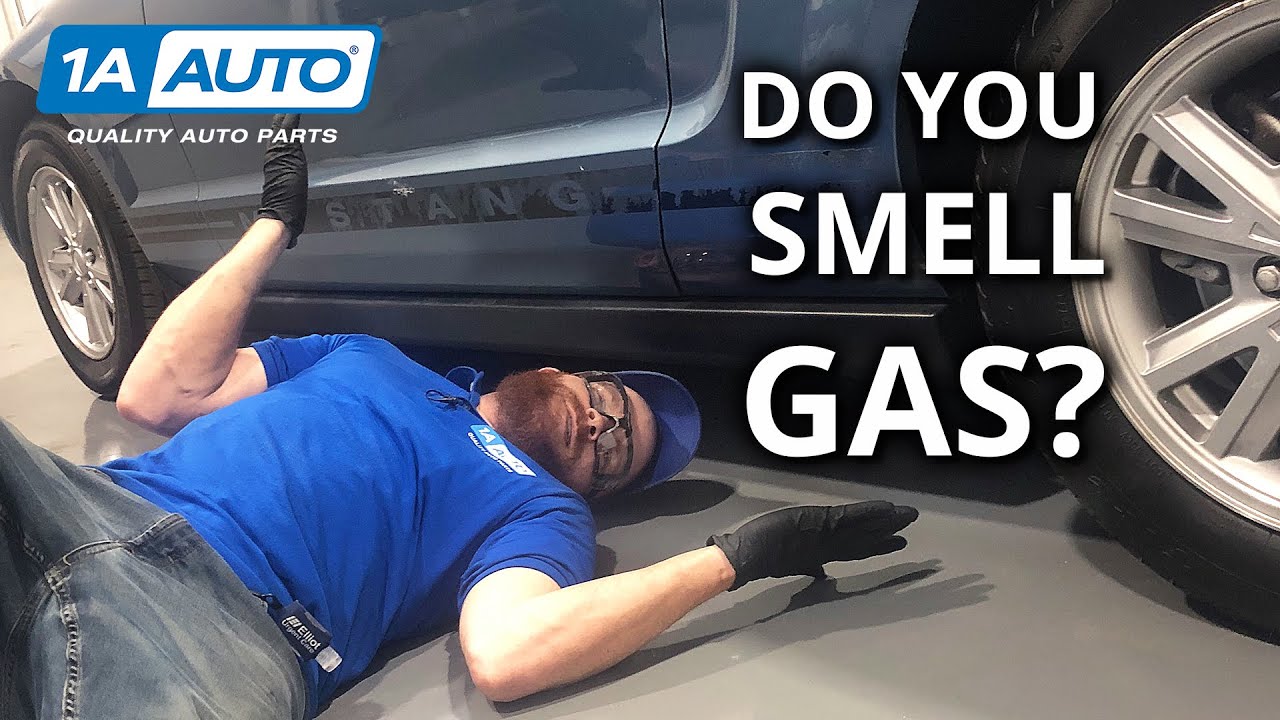
Look under the car. Check for wet spots. They might be gas leaks. Use a flashlight if needed. Don’t touch the leaks. Call a mechanic if you see one.
Inspecting The Fuel System
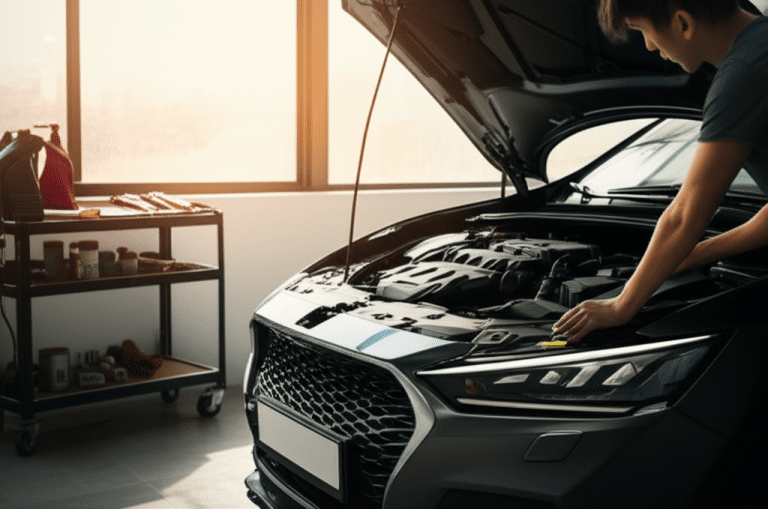
Fuel lines carry gas from the tank to the engine. They can leak if they are old or damaged. Look for wet spots or cracks. Smell the area around the lines. A strong gas smell means a leak. Fixing leaks can stop the gas smell.
The fuel tank holds the gas for the car. Check for rust or holes. These can cause gas to leak. Look under the car for any puddles of gas. Always be careful around gas. It can be dangerous.
The fuel pump moves gas to the engine. It can leak if it is broken. Listen for strange sounds from the pump. A loud noise can mean trouble. If the pump leaks, you might smell gas. Fixing it can help the car run better.
Evaluating The Gas Cap
Check the gas cap for any visible cracks or damage. Look closely for scratchesor worn edges. A broken cap can cause gas to leak. Replace it if you see any problems. A new cap is cheap and easy to find.
Make sure the cap seals tightly. Turn it until it clicks. A loose cap lets gas escape. Tighten it well to prevent leaks. A secure cap helps keep gas smell away.
Test the cap by opening and closing it. It should be easy to turn. If it is stuck, clean the threads. Check if the cap clicks into place. A good cap should lock firmly. Replace it if it does not work properly.
Checking Fuel Injectors
Fuel injectors can leak. A strong gas smell might be a sign. Look for fuel spots under the car. Notice poor fuel efficiency. The car might feel weak. Engine misfires can occur too. Sometimes, you hear strange noises. These are warning signs.
Clean injectors to remove dirt. Use special cleaning kits. Follow instructions carefully. Wear gloves for safety. Clean injectors improve fuel flow. Better flow means smoother driving. Save money on fuel too. Regular cleaning helps prevent issues. Periodic maintenance is wise.
Replace faulty injectors for better performance. Bad injectors waste fuel. They might damage the engine. Choose quality parts for replacement. Skilled mechanics can help. DIY kits are available. Faulty injectors affect driving. Replacement ensures safer trips. Invest in reliability.

Credit: www.captoyota.com
Reviewing The Exhaust System
Fixing a gas smell in your car often involves reviewing the exhaust system. Leaks or damage can cause fumes to enter the cabin. Identifying and repairing these issues helps keep your vehicle safe and odor-free.
Identifying Exhaust Leaks
Exhaust leaks can cause a strong gas smellin your car. Listen for unusual noises while the engine runs. Check the exhaust pipes for holes or rust. Use a flashlight to spot any visible damage. Leaks often occur near the joints or bends. Pay special attention to the muffler area. A leak can affect engine performanceand fuel efficiency.
Repairing Damaged Pipes
Damaged exhaust pipes need quick fixing. Use a patch to cover small holes. Larger holes may require replacing the whole pipe. You might need a mechanic for this. Make sure new pipes fit properly. Tighten all connections to prevent future leaks. Regular checks can help keep the pipes in good shape.
Assessing Catalytic Converter
The catalytic converter is crucial for reducing emissions. A faulty converter can cause a gas smell. Look for signs of wear or damage. Check if the converter is clogged or broken. A mechanic can test its performance. Replacing a bad converter improves air quality and efficiency.
Professional Help And Advice
Detecting a gas smell in your car requires immediate attention to ensure safety. Seeking professional help can identify leaks or faulty components, offering precise solutions to fix the issue effectively. Expert advice ensures a thorough inspection, eliminating risks while maintaining vehicle performance.
When To Consult A Mechanic
Strange smell in the car? Seek help soon. A mechanic knows cars well. Gas smell means something is wrong. Safety is important. Don’t wait. Mechanics check for leaks. They fix problems fast. Early checks save money.
Cost Implications
Fixing gas smell can cost money. Mechanics charge for time and parts. Costs vary by problem. Simple fixes cost less. Big problems mean more money. Regular checks help avoid big costs. Invest in regular maintenance.
Preventative Maintenance Tips
Keep your car healthy. Check for leaks often. Clean gas cap regularly. Use quality fuel. Avoid overfilling the tank. Simple steps keep smell away. Routine checks catch issues early. Stay safe and save money.

Credit: www.firestonecompleteautocare.com
Frequently Asked Questions
How Much Does It Cost To Fix A Car That Smells Like Gas?
Repairing a car that smells like gas can cost between $100 to $1,000. Costs vary based on the issue’s source, like fuel leaks or faulty sensors. Always consult a professional mechanic for accurate diagnostics and pricing. Regular maintenance can prevent expensive repairs.
What Neutralizes Gasoline Smell?
Baking soda effectively neutralizes gasoline smell. Sprinkle it on the area and let it sit for several hours. Vinegar and coffee grounds can also help. Clean the area with soapy water afterward for best results. Ensure proper ventilation to dissipate fumes quickly and safely.
Can I Still Drive My Car If It Smells Like Gas?
Driving a car that smells like gas is risky. It could indicate a fuel leak or other serious issue. Stop driving immediately and check for leaks. Consult a mechanic to ensure safety. Ignoring the smell can lead to health hazards or fire risks.
Address the problem promptly.
Why Does My Car Smell Like Gas?
A gas smell in your car could be due to a fuel leak. It’s important to check the fuel line, gas cap, and fuel injectors for any leaks. If you notice a persistent smell, it’s advisable to have your vehicle inspected by a professional to ensure safety.
Conclusion
Fixing a gas smell in your car is crucial for safety. Identify the source quickly. Check fuel lines, gas cap, and ventilation. Regular maintenance helps prevent issues. Always ensure repairs are done correctly. Trust professionals if unsure. A gas smell isn’t normal.
It’s a warning sign. Ignoring it can lead to bigger problems. Protect yourself and your passengers. Drive without worry. With these steps, your car will be safer. Smells gone. Peace of mind restored. Keep your car in top condition. Stay alert and proactive.
Happy and safe driving!