How To Get Car Oil Out Of Clothes (Fast & Effective Tips)
Seeing a fresh oil stain on your favorite shirt is never fun. It feels like a disaster. You might think the garment is ruined.
Don’t worry! Most oil stains from cars can be removed with a little know-how. This guide will show you how to tackle them.
We’ll go through simple steps. You’ll learn what works best. Keep your clothes looking great.
Car oil stains on clothes are common and frustrating, but many can be removed with prompt action and the right cleaning agents. This guide offers clear, easy-to-follow methods to help you lift oil stains effectively, restoring your garments without harsh chemicals or professional cleaning.
Understanding Car Oil Stains
Car oil is a thick, greasy substance. It’s designed to lubricate. This also means it sticks to fabric fibers.
It can be a tough stain to remove. The longer it sits, the harder it gets. Oil stains are different from water-based stains.
Water doesn’t mix with oil. So, plain water won’t lift it. You need something that breaks down grease.
Why do these stains happen? Usually, it’s from working on your car. Maybe you’re checking the oil.
Or changing it. Sometimes, a leaky car part drips oil. A child playing near a car might get oil on their clothes.
Even a spill during transfer can cause a stain. Knowing how oil works on fabric helps you choose the right cleaning method.
The type of fabric matters too. Some materials hold oil more easily. Others are more forgiving.
Delicate fabrics might need gentler treatment. Sturdier fabrics can handle stronger cleaning. Always check the care label on your clothing.
This tells you how to wash it safely.
My First Car Oil Stain Mishap
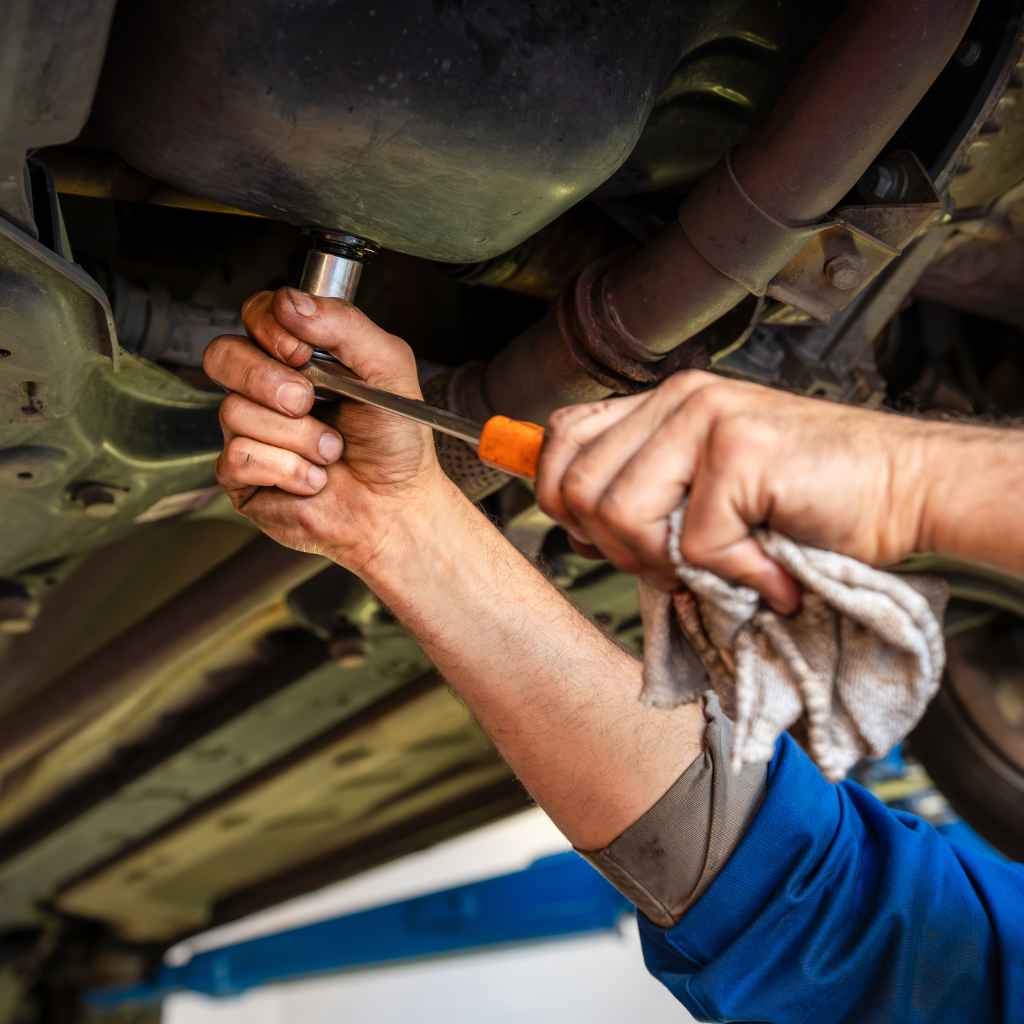
I remember the first time I tried to change the oil on my old pickup truck. I was young and eager. I thought I knew it all.
I didn’t wear old clothes. I wore my favorite blue jeans. I had a clean, light-colored t-shirt on too.
As I unscrewed the oil filter, a gush of black, hot oil shot out. It landed right on my shirt.
Panic set in. It was a huge, dark splotch. It spread quickly.
I stood there, frozen. The smell of hot oil filled the air. I felt a wave of dread.
My shirt was ruined, I thought. I tried wiping it with a rag. That just smeared it.
I was so frustrated. I ended up throwing the shirt away. Later, I learned better ways.
This experience taught me a lot.
Common Sources of Car Oil Stains
Mechanic Work: Changing oil, fixing engines, repairing transmissions.
Accidental Spills: Pouring oil into the car, leaky containers.
Car Leaks: Oil drips from the engine, transmission, or oil pan.
Children Playing: Exposure to oil residue around vehicles.
Car Enthusiasts: Working on classic cars or performance vehicles.
Pre-Treating the Stain: Your First Line of Defense
The most important step is acting fast. Don’t let the oil dry. Grab an absorbent material.
This helps lift the oil out of the fabric. Paper towels are great for this. You can also use a clean cloth.
Gently blot the stain. Don’t rub it in. Rubbing pushes the oil deeper.
It makes it harder to remove.
After blotting, you need a grease-fighting agent. Many common household items work well. Dish soap is a top choice.
It’s made to cut through grease on dishes. It works the same way on fabric. Apply a good amount of liquid dish soap directly to the stain.
Use your fingers or a soft brush. Gently work it into the fabric.
Let the dish soap sit for a while. About 10-15 minutes is good. This gives it time to break down the oil.
You might see the stain start to lift. It could look less dark. This pre-treatment is key.
It loosens the oil. It prepares the stain for washing. Don’t skip this step!
Quick Stain Removal Steps
1. Blot Excess Oil: Use paper towels or a clean cloth. Press gently.
2. Apply Degreaser: Use liquid dish soap or a stain remover.
3. Let it Sit: Allow 10-15 minutes for the cleaner to work.
4. Rinse (Optional): Rinse with cool water if needed.
5. Wash: Launder the item as usual, but check before drying.
Effective Cleaning Agents for Oil Stains
Dish soap is amazing. But there are other options. Many people swear by baking soda.
It’s a natural absorbent. It can also help lift grease. After applying dish soap, you can sprinkle baking soda over it.
Let that sit too. The baking soda soaks up loosened oil.
Another great option is a dedicated laundry stain remover. Look for ones that target grease. They are formulated to tackle tough stains.
Follow the product instructions carefully. Some need to be applied directly. Others can be added to the wash.
Always test a small, hidden area of the fabric first. This ensures it won’t damage the color.
For really stubborn stains, you might try a paste. Mix baking soda with a little water. Make a thick paste.
Apply it to the stain. Let it dry completely. Then brush it off.
This can pull out a lot of the oil. It’s a gentle but effective method. It’s good for delicate fabrics too.
WD-40 is another product people mention. It’s a lubricant and solvent. It can break down oil.
Spray a small amount onto the stain. Let it sit for a few minutes. Then, apply dish soap over the WD-40.
Wash as usual. Be cautious with WD-40. Test it on an inconspicuous area first.
It can sometimes leave its own mark.
Grease-Fighting Powerhouses
- Liquid Dish Soap: Cuts through grease easily.
- Baking Soda: Absorbs oil and helps lift stains.
- Laundry Stain Removers: Specifically designed for tough stains.
- DIY Paste (Baking Soda + Water): Gentle and effective for deep cleaning.
- WD-40 (with caution): A strong solvent for very tough stains.
The Washing Process: What to Do Next
Once you’ve pre-treated the stain, it’s time to wash. Use the hottest water setting your fabric allows. Hot water helps dissolve grease.
Check the garment’s care label. If it says “cold water only,” use that. But warmer water is usually better for oil.
Add your regular laundry detergent. You can also add a laundry booster. Borax or washing soda can help.
They boost the cleaning power. Wash the item alone or with other heavily soiled items. Don’t wash it with delicate fabrics.
You don’t want to spread any residual oil.
After the wash cycle is done, inspect the stain. Before putting it in the dryer, check carefully. Hold the wet fabric up to the light.
If you can still see any trace of the stain, do NOT dry it. Heat from the dryer will set the stain permanently. It will become almost impossible to remove.
If the stain is still there, repeat the pre-treatment steps. You might need to try a different cleaning agent. Or let the current one sit longer.
Once the stain is completely gone, you can dry the garment. Use a low-heat setting if possible. High heat can damage fabrics.
When the Stain Lingers: Advanced Techniques
Sometimes, a stain just won’t budge. Don’t give up! There are a few more tricks.
One method involves using cornstarch or talcum powder. After blotting the initial oil, cover the stain generously with cornstarch or talcum powder. These powders are very absorbent.
They draw out oil from deep within the fibers.
Let the powder sit for several hours, or even overnight. You’ll see it clump up as it absorbs oil. Brush off the powder.
Then, apply dish soap or a stain remover as usual. Wash again. This method is great for older stains.
Another option is to use a laundry pre-soak. There are many products available. They are designed to break down tough stains.
Follow the product directions. You might soak the garment for a few hours. Or overnight for very difficult stains.
This gives the cleaning agents a lot of time to work.
For truly tough, set-in stains, you might consider a solvent cleaner. These are stronger chemicals. Use them with caution.
Always work in a well-ventilated area. Wear gloves. Test on a hidden spot first.
Apply the solvent to a clean cloth. Dab it onto the stain. Don’t rub.
Then, apply dish soap and wash immediately.
Advanced Stain Removal Checklist
- Absorbent Powders: Cornstarch or talcum powder for drawing out oil.
- Laundry Pre-Soaks: Extended soaking time for stubborn stains.
- Solvent Cleaners: For heavily set-in or old oil stains (use with care).
- Repeat Treatments: Don’t be afraid to try the same method again.
- Patience: Some stains require multiple attempts.
Fabric Types and Oil Stain Removal
Different fabrics react differently to oil and cleaning methods. Cotton and denim are pretty sturdy. They can usually handle hot water and stronger cleaning agents.
Linen and rayon are more delicate. They might be damaged by harsh scrubbing or very hot water. Always check the care label.
Synthetic fabrics like polyester can be tricky. Oil can sometimes bond with synthetic fibers. This makes it harder to remove.
Use dish soap and lukewarm water. Avoid very hot water, which can melt some synthetics. If using a stain remover, test it first.
Silk and wool are natural fibers. They require special care. They should never be washed in hot water.
Harsh detergents can damage them. For silk or wool, it’s best to use a detergent designed for delicates. Pre-treat gently with a mild dish soap.
Rinse with cool water. Air dry. If the stain is severe, professional cleaning might be your safest bet.
When in doubt, always err on the side of caution. A little extra care can save a favorite garment. It’s better to try a gentler method first.
You can always step up to stronger ones if needed. But you can’t undo damage caused by harsh treatments.
Fabric Care Tips for Oil Stains
Cotton/Denim: Can handle hot water and stronger cleaners.
Linen/Rayon: Gentle treatment, cool or lukewarm water.
Polyester: Lukewarm water, test stain removers carefully.
Silk/Wool: Delicate detergents, cool water, air dry, consider dry cleaning.
Always Check Labels: Follow garment care instructions.
Preventing Future Oil Stains
The best way to deal with oil stains is to avoid them. Think about when you’re likely to encounter them. If you work on your car often, wear old clothes.
Keep a dedicated set of “mechanic clothes.” These can be old t-shirts and pants you don’t mind getting dirty.
When handling oil, work on a protected surface. Use drop cloths or old newspapers. This catches any drips or spills.
Be careful when pouring oil. Use a funnel. Make sure it’s secure.
A steady hand helps prevent messes.
If your car has an oil leak, get it fixed. Small leaks can turn into big problems. And big oil stains on your driveway or garage floor.
Cleaning up spills immediately is also important. Don’t let them sit. This makes them easier to manage.
Educate family members, especially children. Explain why it’s important to stay away from freshly oiled car parts. Or areas where oil has been handled.
A little awareness goes a long way. It helps keep your clothes clean and your car running smoothly.
Prevention is Key
Wear Old Clothes: Dedicated outfits for car work.
Protect Work Surfaces: Use drop cloths or newspapers.
Handle Oil Carefully: Use funnels and steady hands.
Fix Leaks Promptly: Prevent drips and stains.
Clean Spills Immediately: Don’t let oil sit.
When to Call a Professional
While most car oil stains are DIY-friendly, some situations warrant professional help. If you have a very old, deeply set stain, it might be tough to remove at home. Delicate fabrics like silk, velvet, or antique lace are also risky.
A professional cleaner has specialized solvents and techniques.
If the garment is very expensive or has sentimental value, consider a dry cleaner. They can assess the fabric and stain. They know how to treat it without causing damage.
They have access to powerful stain removers. They also have expertise in fabric care. This can save a valuable item.
Don’t feel defeated if a stain persists after a few tries. It happens! It’s okay to seek expert advice.
Sometimes, a professional cleaning is the best option. It’s an investment in keeping your favorite items looking their best. They can often remove stains that seem impossible.
Signs You Need Professional Help
- Old, Set-In Stains: Many at-home attempts have failed.
- Delicate Fabrics: Silk, wool, velvet, antique materials.
- Valuable Garments: Expensive or sentimental items.
- Large or Widespread Stains: When the stain covers a big area.
- Uncertainty: If you’re unsure how to proceed without damage.
Real-World Scenario: A Greasy Work Shirt
Imagine a landscaper’s work shirt. It’s often covered in a mix of things. Soil, grass, and yes, car oil.
Maybe they worked on their truck during lunch. Or maybe they accidentally brushed against a greasy mower engine. The shirt has dark streaks of oil.
First, they’d blot. Then, they’d apply a heavy-duty laundry detergent directly. Let it soak for 30 minutes.
Maybe an hour. They’d wash it on a hot cycle. Check it after washing.
If faint traces remain, they’d repeat the detergent step. They might add a bit of OxiClean. This booster helps lift tough grime.
This kind of shirt is usually made of durable cotton. It can handle rough treatment. The goal is to get it clean for the next day’s work.
It’s about practicality. Getting the most wear out of their gear. This is a common scenario for many working people.
Understanding Oil Stain Behavior Over Time
Oil stains are sneaky. They don’t always look bad at first. But they can change.
When oil is fresh, it’s liquid. It sits on the surface of the fabric. It’s easier to blot and lift.
As it ages, it can oxidize. It can also soak deeper into the fibers.
Oxidation means the oil reacts with the air. It can turn darker. It can also become harder to break down.
This is why old stains are a real challenge. They’ve had time to settle in. They’ve bonded with the fabric.
This is when you might need those stronger methods.
Think of it like a sticky mess. If you wipe it up right away, it’s easy. If you let it dry and harden, it takes more effort.
Oil is similar. The longer it sits, the more it becomes part of the fabric. So, prompt action is always best.
It’s the simplest way to win the battle.
Common Misconceptions About Oil Stains
Some people believe you should rinse oil stains with cold water first. While cool water is good for some stains, it’s not ideal for oil. Water and oil don’t mix.
So, cold water alone won’t break down the grease. It might even push it around.
Another myth is that bleach will remove oil stains. Bleach is a powerful whitener. It works by breaking down color molecules.
But it doesn’t effectively break down grease. In fact, bleach can sometimes react with oil. It can make the stain look worse or cause yellowing.
Some also think that just washing the item will be enough. Without pre-treating, the oil will likely remain. The washing machine might spread the oil.
It could stain other clothes. Pre-treatment is the crucial step. It’s the foundation for successful stain removal.
Oil Stain Myths vs. Reality
Myth: Rinse with cold water first.
Reality: Cold water doesn’t break down oil well. Use a degreaser.
Myth: Bleach removes oil stains.
Reality: Bleach doesn’t break down grease. It can make stains worse.
Myth: Just throw it in the wash.
Reality: Pre-treatment is essential for oil. Wash alone or with similar items.
What This Means for Your Clothes
Learning to remove car oil stains means you can save your clothes. You won’t have to throw away favorite items. It also means you can handle minor accidents without panic.
A grease spot doesn’t have to be a death sentence for a t-shirt.
It gives you confidence. You know you have the tools and knowledge to fix problems. This saves you money too.
You won’t need to buy new clothes as often. It’s a practical skill for anyone who owns a car or spends time around them.
Remember that not all stains are 100% fixable. Some might leave a faint mark. But with the right approach, you can make most oil stains disappear.
The key is patience and using the right cleaning agents. And always, always check before you dry.
Quick Fixes and Tips for Oil Stains
Keep liquid dish soap by your laundry area. It’s your best friend for oil stains. Have paper towels handy for blotting.
If you work on cars often, invest in a good laundry stain remover. Store it where you can easily reach it.
Don’t let oil stains sit overnight if you can help it. The sooner you treat them, the better. Even if you can’t wash the item right away, at least pre-treat it.
Apply dish soap. Let it sit. This buys you time.
If you notice a stain after drying, don’t despair. You can try to re-treat it. Sometimes, re-wetting the stain with a cleaner can reactivate it.
Then wash and air dry again. It’s a process of trial and error.
Handy Oil Stain Tips
Always have dish soap ready.
Keep paper towels nearby.
Pre-treat ASAP, even if you can’t wash yet.
Check before drying! This is critical.
Don’t be afraid to repeat treatments.
Frequent Questions About Car Oil Stains
Can I use regular laundry detergent to remove oil stains?
Regular laundry detergent can help, especially if it’s a heavy-duty formula. However, liquid dish soap is usually more effective because it’s specifically designed to cut grease. Always pre-treat the stain first with dish soap or a dedicated stain remover before washing.
How long should I let the dish soap sit on the stain?
Allow the dish soap to sit on the oil stain for about 10 to 15 minutes. This gives it enough time to break down the grease. For older or tougher stains, you might let it sit a bit longer, up to 30 minutes, but keep an eye on it.
What if the oil stain is on colored clothing?
Most dish soaps are color-safe. However, if you use a commercial stain remover or a stronger solvent, always test it on an inconspicuous area of the garment first. This ensures it won’t cause fading or damage the color of your clothes.
Can I get oil stains out of upholstery or carpets?
Yes, the principles are similar. Blot up excess oil, then use a degreaser like dish soap. For carpets and upholstery, use a sponge or cloth to apply the cleaner.
Blot gently, rinse with a damp cloth, and allow to air dry. Always test cleaners in an unseen area first.
Is it safe to use gasoline or paint thinner on oil stains?
Gasoline and paint thinner are strong solvents and can be effective, but they are also flammable and have harsh fumes. Use them only as a last resort, in a well-ventilated area, and with extreme caution. Always test on a hidden spot first, wear gloves, and wash the item immediately afterward.
How can I tell if the oil stain is completely gone?
After washing, hold the wet fabric up to a light source. Look closely for any dark spots or shadows that indicate the stain is still present. If you see any, do not put the garment in the dryer.
Repeat the pre-treatment and washing process until the stain is no longer visible.
Conclusion
Dealing with car oil stains might seem daunting. But with the right approach, they are very manageable. Acting quickly is your biggest advantage.
Using simple household items like dish soap can work wonders. Remember to pre-treat, wash in warm water, and always, always check before you dry.
You’ve got this! You can save your clothes from those greasy mishaps. Keep these tips in mind.
You’ll be a car oil stain expert in no time. Enjoy your clean clothes!
Products related to this article
Sponsored / affiliate links. As an Amazon Associate I earn from qualifying purchases. I may earn additional commission from eligible campaigns.