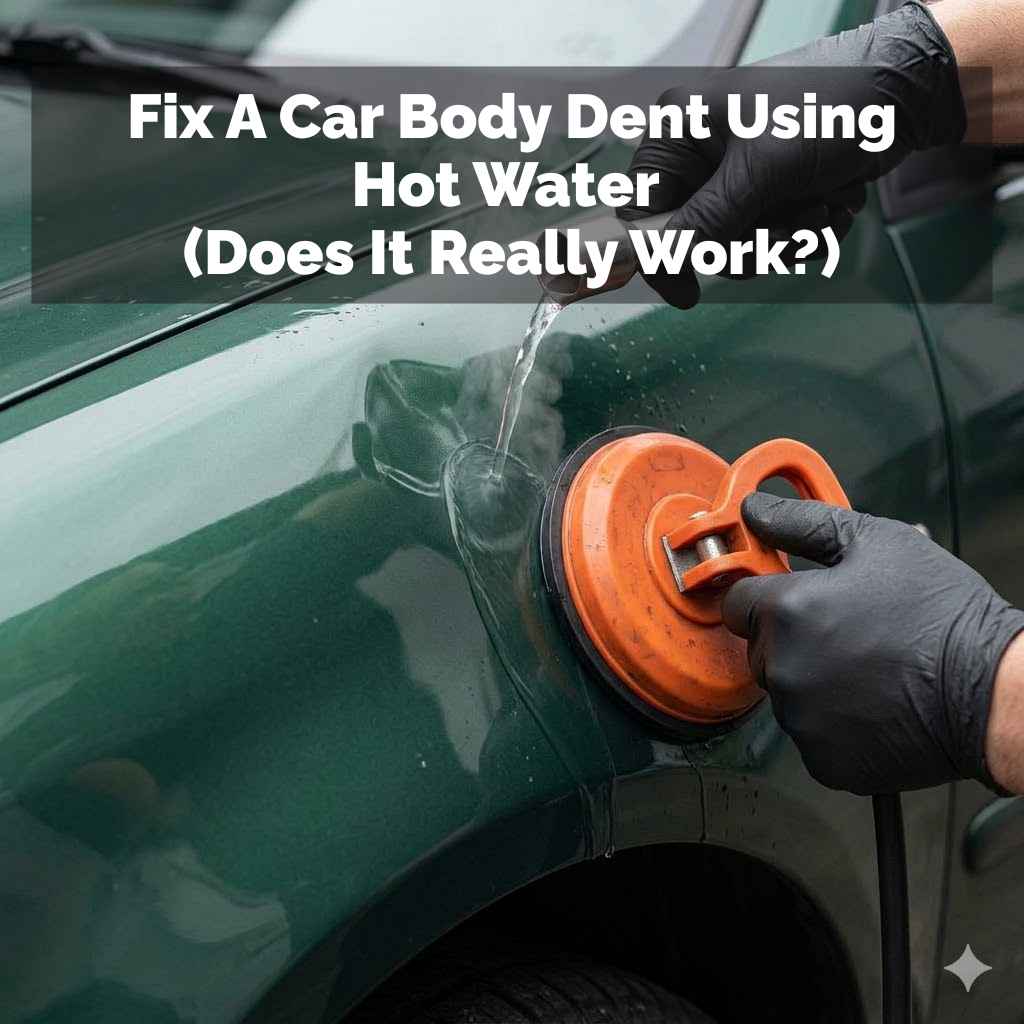
Fix A Car Body Dent Using Hot Water (Does It Really Work?)
Using hot water to fix car body dents can sometimes work for small, shallow dents on flexible plastic bumpers. The heat can make the plastic pliable, allowing it to return to its original shape. However, it is not effective for dents on metal panels or for deeper, creased damage.
The Science Behind the Hot Water Dent Fix
Let’s break down why some people think hot water can fix a car dent. It mostly comes down to science. Specifically, it’s about how materials change when they get warm.
Many car bumpers are made of plastic. Plastic can become softer and more flexible when heated. Think about warming up some old plastic to bend it into a new shape.
It gets a bit like putty.
Metal, on the other hand, behaves differently. Metal can also expand with heat. But for dents, it’s often about the metal being stretched or creased.
Just warming it up won’t usually make it snap back into place. The change in shape is often permanent until it’s worked out. So, the type of material matters a lot.
This is a key point to remember.
My Own Run-in with a Bumper Dent
I remember one sunny afternoon, I was helping a friend move. We were trying to maneuver a bulky sofa out of his apartment building. The car was parked a little too close to a concrete pillar.
My friend, trying to be helpful, was guiding from outside. There was a sudden, sickening scrape. My heart sank.
I looked over, and there it was: a nasty-looking dent right on the rear plastic bumper.
It wasn’t a huge gash, but it was deep enough to be really annoying. It looked like a big, angry bruise on the car. I felt a mix of annoyance and panic.
I knew this would bug me every time I saw it. I started thinking about repair shops, but the quotes I’d gotten in the past for small things like this were surprisingly high. I remembered reading online about the hot water trick.
“Could it be that simple?” I wondered. I decided to give it a shot, feeling a bit skeptical but hopeful.
Hot Water vs. Different Dent Types
Shallow Dents: Best chance of success, especially on plastic.
Deep Dents: Very unlikely to work. The metal is often too stretched.
Creased Dents: Almost never works. The metal has a hard fold.
Sharp Dents: Heat might not affect them much.
Soft Dents: The best candidates for this method.
Understanding Plastic Bumpers and Heat
Most modern cars have plastic bumpers. These are designed to absorb impact better than metal. They are also lighter and cheaper to make.
The material used is often a type of thermoplastic. Thermoplastics have a cool property. When you heat them up, their structure becomes more flexible.
They can be molded or reshaped more easily.
When a dent happens on a plastic bumper, it often just pushes the plastic inwards. If the plastic isn’t torn or severely creased, heating it can make it less stiff. This allows the natural tension in the plastic to help it spring back.
Sometimes, it pops back on its own with just the heat. Other times, a little gentle push from the inside helps it along.
The Metal Panel Challenge
Now, let’s talk about metal. Car doors, fenders, and hoods are usually made of steel or aluminum. These metals are much stronger than plastic.
They don’t get soft and flexible with a bit of hot water. When a metal panel gets dented, it’s often because the metal has been permanently deformed. It’s been stretched or bent out of its original shape.
Simply pouring hot water on a metal dent won’t do much. The water cools down quickly. The metal doesn’t get hot enough to significantly change its properties in a way that would let it return to its flat shape.
You might see some tiny expansion, but it’s not enough to fix a visible dent. Dent repair on metal usually requires specialized tools and techniques. These can include pulling the dent out with suction cups or pushing it from behind.
Plastic Bumper Colors and Heat
Dark Colors: These colors absorb more heat. They might respond slightly better to hot water. This is due to sunlight and the dye.
Light Colors: These reflect more heat. They might need hotter water or take longer to respond.
Paint Condition: If the paint is already cracked or scratched, heat might make it worse. Always be gentle.
My Hot Water Attempt: The Story Continues
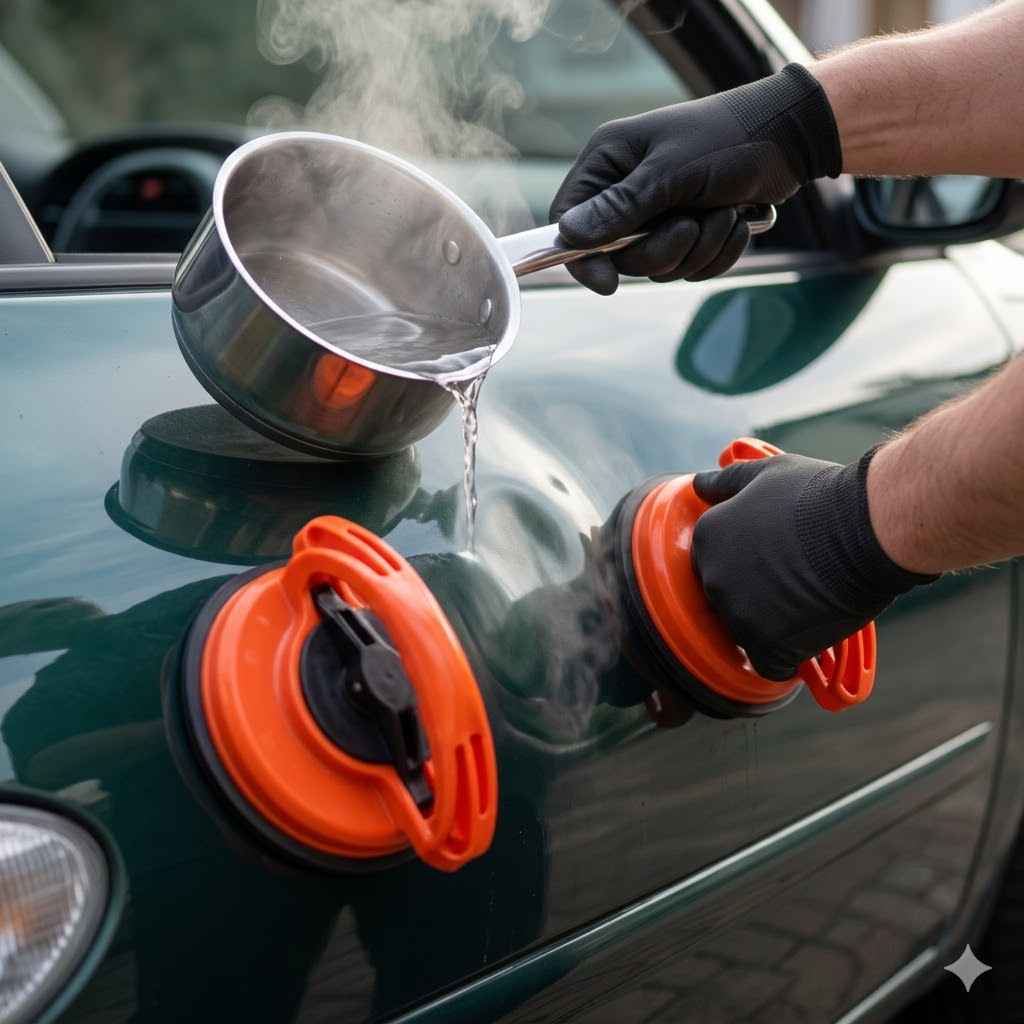
So, armed with a kettle full of boiling water and a towel, I headed out to my friend’s car. The dent was on the lower part of the rear bumper. I poured the hot water over the dented area.
I made sure to cover it well. The plastic seemed to get a little shiny. I waited a few seconds.
Then, I gently pushed from the inside of the bumper. I could feel the plastic giving a little. It wasn’t rigid like before.
I pushed a bit more firmly. And then, with a faint ‘pop’ sound, the dent started to come out. I watched, amazed, as the plastic slowly began to smooth out.
It wasn’t perfect, but it was SO much better. The deep indentation was gone. It looked like a minor imperfection now, not a major flaw.
I couldn’t believe it. The hot water trick had actually worked for me!
When Does the Hot Water Trick Actually Work?
Based on my experience and what we know about materials, this method works best under specific conditions. It’s really for certain types of dents. The most important factor is the material of the car part.
Plastic bumpers are the prime candidates. The dent needs to be on a flexible part of the car. Also, the dent should not be too deep or sharp.
Think of it like this: if you can easily push the dented area inwards with your hand, heat might help it pop back. If it feels very stiff or is creased, it’s unlikely to work. The dent should also be relatively fresh.
Older dents might have caused the material to settle into its new, deformed shape. This makes it harder to reverse.
Quick Checklist for Hot Water Dent Fix
- Dent Material: Is it plastic?
- Dent Depth: Is it shallow or deep?
- Dent Shape: Is it a smooth push or a sharp crease?
- Flexibility: Can you push the dented area with your finger?
- Paint Condition: Is the paint cracked or damaged?
The Role of Temperature and Cooling
Water needs to be hot. Boiling water is usually best. This is because you need enough heat to temporarily soften the plastic.
However, you need to be careful. Pouring boiling water directly onto paint that is already damaged could cause more harm. It might crack the paint further.
After applying the hot water, the material will start to cool down. As it cools, it will become stiff again. This is why timing is important.
You usually need to act quickly. The moment the plastic is pliable is your window to gently push it back into shape. Sometimes, people use cold water or an ice pack afterwards.
The idea is to help the plastic set in its new, corrected shape. This rapid cooling can sometimes help it hold its form better.
Alternative Uses for Hot Water and Dents
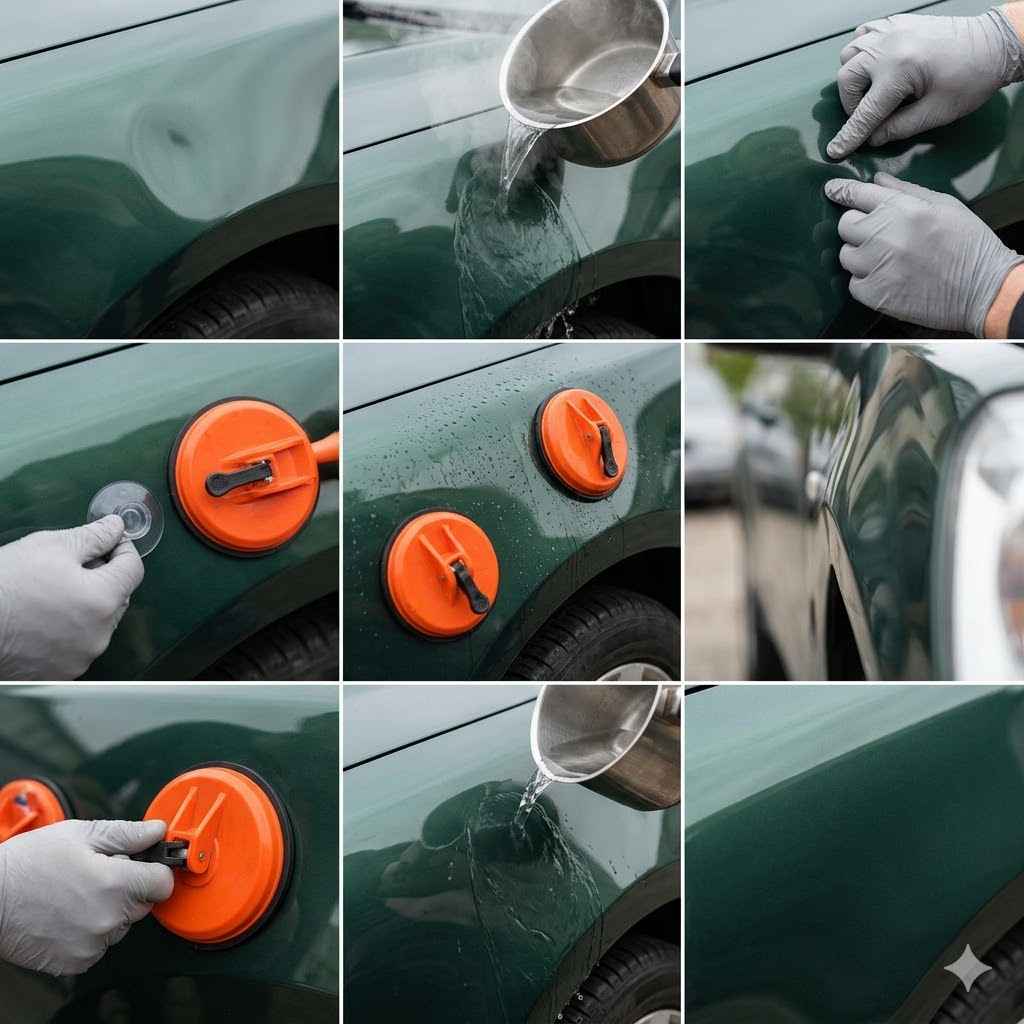
While not a primary fix, hot water can sometimes be used in conjunction with other methods. For instance, if you’re using a suction cup to pull a dent, warming the area first might make the plastic or metal more pliable. This can help the suction cup grip better.
It can also make the material more cooperative if it needs to be reshaped.
Some people also use heat guns for dents. A heat gun gets much hotter than hot water. This can be more effective but also carries a higher risk of damaging the paint.
The hot water method is safer for this reason. It’s a gentler approach. It’s like using a warm compress instead of a direct flame.
Cooling Down After Heating
Why Cool? Helps the material regain stiffness.
How? Use cold water or an ice pack.
Timing: Do this after the dent has popped back.
Benefit: Can help the repair hold its shape.
Real-World Scenarios: When It Fails
It’s not always a magic fix. I’ve seen friends try this on metal car doors, expecting miracles. They pour hot water, wait, and nothing happens.
The dent stays exactly as it was. This is frustrating. It happens because, as we discussed, metal doesn’t respond the same way plastic does.
Another common failure is with deep, creased dents on any material. If the metal or plastic has been sharply folded, heat alone won’t unfold it. The material’s structure has been fundamentally changed.
It’s like trying to un-wrinkle a piece of paper by warming it. The creases will likely remain.
What If the Paint is Damaged?
This is super important. If the paint on your car is chipped, cracked, or peeling around the dent, you need to be very careful. Pouring hot water directly onto damaged paint can make the problem worse.
The heat can cause the damaged paint to lift or bubble. It can also spread the crack.
In these cases, the hot water method is probably not for you. You risk making the cosmetic damage more obvious. It’s better to consider professional repair if the paint is compromised.
A skilled technician can often repair the dent and then properly repaint the area. This ensures a seamless finish. Safety first is always the best approach for your car’s paint.
Paint Warning!
Cracked Paint: Avoid hot water directly on cracks.
Chipped Paint: Be cautious; heat can worsen chips.
Peeling Paint: Definitely avoid; heat can lift more paint.
Recommendation: If paint is bad, see a pro.
When Is It Not Worth Trying?
You might wonder when to just give up on the hot water trick. If the dent is on a very rigid part of the car, like the frame or a thick metal support, forget it. Heat won’t help.
If the dent is large, covering a big area, it’s also less likely to work. Large dents often involve stretching the material beyond its elastic limit.
If you’ve tried it a couple of times and seen no change, it’s probably not going to work. Don’t keep pouring hot water hoping for a different result. Sometimes, you just have to accept that some dents need more than a simple home remedy.
And that’s okay. There are professional solutions available.
What This Means for Your Car Dent
So, what’s the takeaway for that dent you’re looking at? If it’s a small, shallow dent on a plastic bumper, you have a good chance of success. It’s a low-cost, low-risk option to try.
You might be able to fix it yourself with just hot water and a little patience.
If the dent is on a metal panel, or if it’s deep or creased, the hot water method is unlikely to help. You’ll probably need to explore other options. This could mean professional repair, or perhaps trying a different DIY method that is designed for metal dents, like a dent puller kit.
Knowing the difference saves you time and frustration.
Quick Scan: Dent Repair Options
Plastic Bumper (Shallow): Hot Water? Yes.
Plastic Bumper (Deep): Hot Water? Unlikely. Consider other DIY or pro.
Metal Panel (Shallow): Hot Water? No. Try PDR or suction cups.
Metal Panel (Deep/Creased): Hot Water? No. Professional help is best.
Quick Fixes and Tips
If you decide to try the hot water method, here are a few tips to keep in mind:
- Use a Kettle: It gives you a good stream of hot water.
- Safety First: Be careful not to burn yourself with the hot water.
- Protect Surroundings: Use a towel or cloth to catch drips.
- Gentle Pressure: Don’t force the dent out. Let the heat do most of the work.
- Work Quickly: The plastic will cool and stiffen.
- Inspect After: See if it’s improved. You might need a second try.
Remember, this is a DIY fix. It’s not meant to be perfect. The goal is to make the dent less noticeable.
If you’re aiming for a showroom finish, professional services are the way to go.
Frequently Asked Questions About Hot Water Dent Repair
Can hot water fix any car dent?
No, hot water primarily works on dents in flexible plastic bumpers. It is not effective for metal panels or for deep, creased damage.
What temperature should the water be?
Boiling water is usually recommended because it provides enough heat to temporarily soften the plastic. Be cautious to avoid burns.
How long do I pour the hot water?
Pour the hot water over the dented area for about 30 seconds to a minute, or until the plastic feels softer.
What if the dent is on a painted metal surface?
Hot water will not fix dents on painted metal surfaces. The metal does not become pliable enough with heat alone. You would need different tools for metal dents.
Can this damage my car’s paint?
If your car’s paint is already cracked or damaged, hot water could potentially make it worse. It’s best to be cautious or avoid if the paint is compromised.
Do I need to push the dent out?
Sometimes the dent will pop out on its own after heating. Other times, gentle pressure from behind the panel can help it return to its original shape.
Final Thoughts on the Hot Water Dent Trick
So, there you have it. The hot water dent fix isn’t a universal solution, but it can be surprisingly effective in the right situation. It’s a testament to understanding the materials of our cars.
It proves that sometimes simple solutions can work for simple problems. Just remember the limitations, especially with metal and damaged paint. Happy dent fixing!
Products related to this article
Sponsored / affiliate links. As an Amazon Associate I earn from qualifying purchases. I may earn additional commission from eligible campaigns.