How to Get Gum Off Car Paint Without Damaging It
Chewing gum lifts off car paint cleanly once you harden it first: press an ice pack or a bag of ice cubes against it for five to ten minutes, then pry it loose with a plastic scraper, never metal, so you do not scratch the clear coat. A can of compressed air held upside down works just as fast if you do not have ice handy. Once the gum is off, a wipe with warm soapy water clears the last of the residue, and a coat of wax afterward helps stop the next piece from sticking as hard.
Assessing the Situation
BEST FOR GUM, TAR & SAP RESIDUE
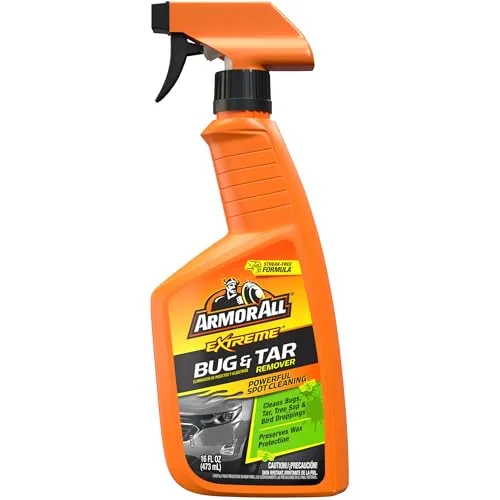 |
Armor All Extreme Bug and Tar Remover – $11.79 A fast-acting spray built to break down sticky residue like gum, tar, and tree sap without stripping wax off the paint underneath.
|
Before you touch the gum, take a second to look at what you are dealing with. Fresh gum that just landed on the paint is still soft and pliable, and it will smear if you try to peel it off right away, so it needs to be hardened first. Gum that has been baking in the sun for a day or two is a different problem: it has already started to spread thin and grip into any texture in the clear coat, and it may need a longer freeze or a solvent to loosen. Check the paint around the gum too. A newer factory clear coat can usually handle a plastic scraper and a mild solvent without issue, but older paint with existing chips, hairline cracks, or a previous repaint is more likely to lift or dull if you use anything stronger than soap and water, so plan your method around what the paint can actually take.
Why Removing Gum Quickly Matters
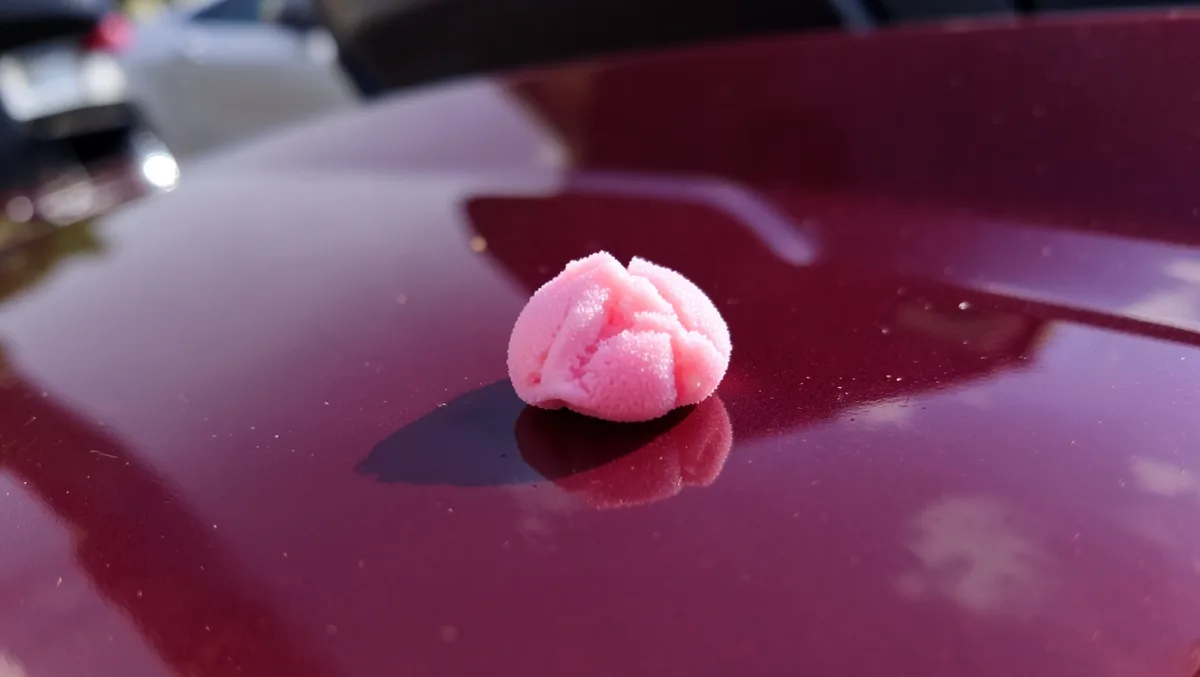
A stray piece of gum is not just an eyesore. Some gums, especially the sour or mint varieties with acidic coatings, can soften a clear coat or leave it hazy if they sit for an extended period, and the sugary base attracts dirt and grime that grinds against the paint every time the wind blows. Heat makes it worse. A hot afternoon followed by a cool night, repeated over several days, puts the paint through expansion and contraction cycles that can bake a soft gum residue deeper into the surface and make the eventual stain harder to lift. The practical takeaway is simple: the sooner you deal with it, the less risk there is to the finish underneath, so treat gum on the paint the same way you would treat bird droppings or bug splatter and get it off within a day or two.
Gathering Necessary Tools
Most of what you need is already in the house. Fill a bucket with warm water and a squirt of mild dish soap, and keep a soft microfiber cloth nearby for wiping and drying afterward. A plastic scraper, the kind sold for ice or the plastic edge of an old gift card, does the actual lifting once the gum has hardened; a metal blade or razor is the one tool to leave in the drawer, because it will cut straight through the clear coat. For the hardening step, an ice pack or a sandwich bag of ice cubes works well, and a can of compressed air held upside down does the same job in seconds if the gum is somewhere the ice bag will not sit flat. If soap and water alone does not fully lift the residue, a dedicated bug-and-tar remover spray is built exactly for this kind of sticky, oily buildup on paint, and it is gentler on the finish than a general household solvent.
Preparation Steps
Lay a soft cloth around the gum before you start, and tape a plastic sheet over any nearby trim or badges so a dripping solvent does not run onto something it should not touch. Work only on the gum itself; pressing hard on the surrounding paint while you scrape adds friction that is not needed and raises the odds of a swirl mark. If you plan to use anything beyond plain soap and water, test it on a small hidden spot first, such as inside the door jamb or under the fuel door, and give it a few minutes to see whether the paint reacts before you use it on the visible panel. Mild dish soap rarely causes trouble, but stronger degreasers and citrus-based cleaners can occasionally strip wax or dull a weak clear coat, so a thirty-second test now can save you a much bigger repair later.
Effective Gum Removal Techniques
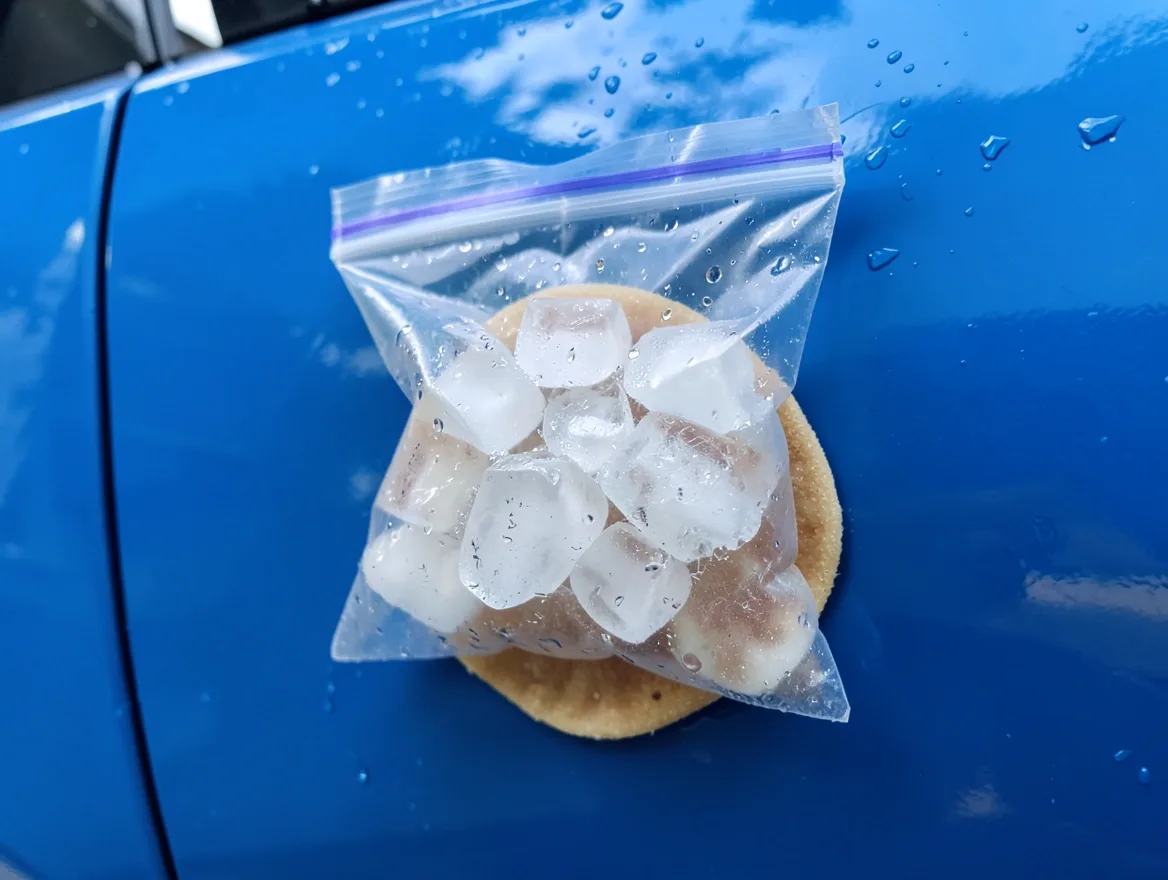
Ice is the go-to method because it is cheap, safe, and works on nearly every kind of gum. Slide ice cubes into a sealed plastic bag so no water pools on the paint, hold it against the gum for five to ten minutes, and check every couple of minutes until the gum feels brittle rather than sticky. Slip the corner of a plastic scraper under one edge and work it loose in small sections, starting from the outside edge and moving toward the center, rather than digging straight down into the middle. Canned air turned upside down and sprayed directly on the gum does the same freezing job in under a minute, which is handy if you are dealing with gum on a curved surface where an ice bag will not sit still.
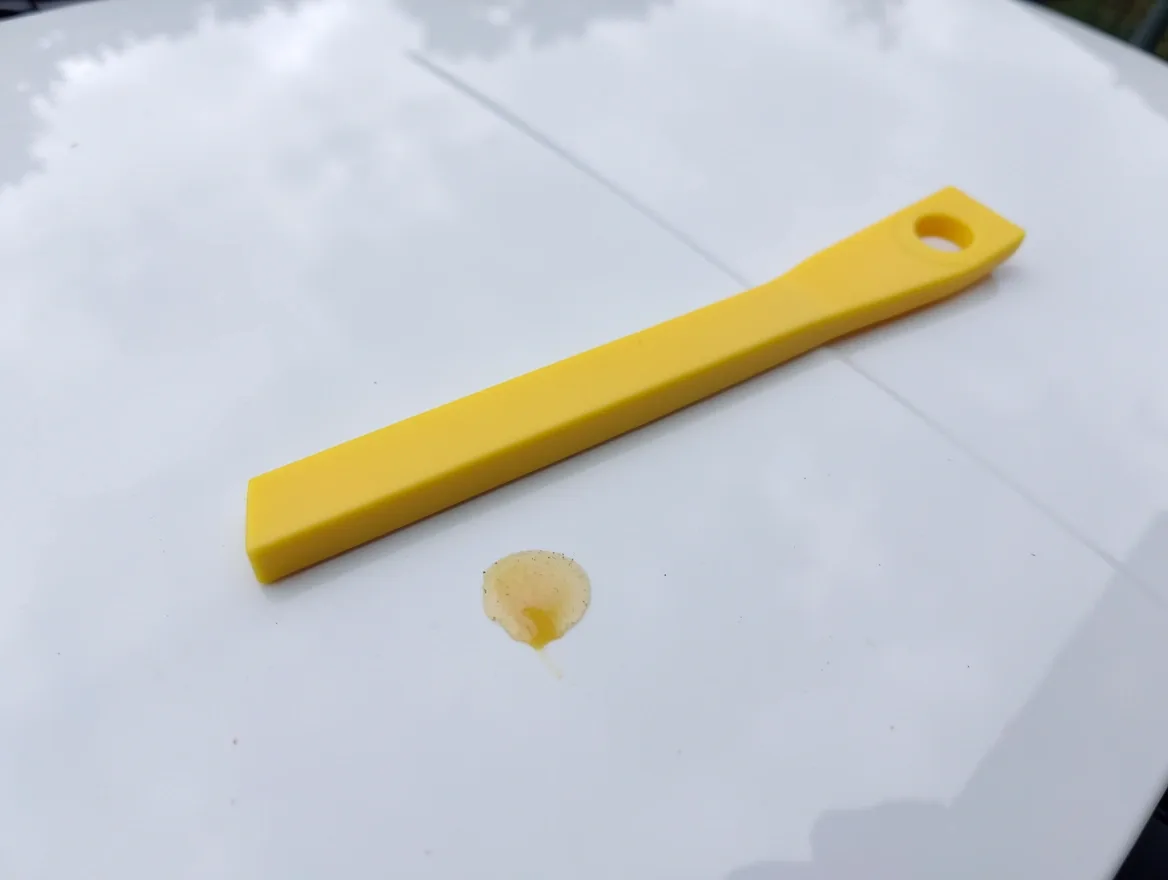
If any gum is left after scraping, a solvent finishes the job. A dedicated bug-and-tar remover sprayed directly on the residue and left to sit for a few minutes will soften what the ice could not fully lift, and it wipes away with a soft cloth. WD-40 works in a pinch the same way, and Goo Gone is another common choice, though both should be wiped off completely and followed with a soap-and-water rinse so no oily film is left sitting on the paint. Peanut butter and rubbing alcohol also show up often in online advice, and both can work on stubborn residue, but treat them as a last resort behind ice and a purpose-made remover rather than a first choice.
Safe Paint Preservation
Whatever method you use, keep sharp tools away from the paint entirely. A butter knife, a razor blade, or even a fingernail with a sharp edge can cut through a clear coat that is only a few microns thick, and once that layer is broken the bare paint underneath is exposed to oxidation and staining. Warm water alone loosens a surprising amount of gum residue if you give it a few minutes to soak in, and a soft microfiber cloth wiped in one direction, rather than scrubbed back and forth, keeps grit from being dragged across the surface. Skip harsh degreasers and anything with bleach; a simple soap-and-water rinse handles nearly everything that ice and a plastic scraper leave behind, and patience beats force every time gum removal is involved.
Post-removal Care
Once the gum is gone, the spot underneath often looks slightly duller than the surrounding paint, especially if the gum sat there for more than a day. That is usually just a thin layer of contamination or a light swirl from the scraping, not permanent damage, and it buffs out with a little attention.
Polishing the Paint Surface
A small amount of car polish worked in with a clean microfiber applicator, using light circular motions, restores the gloss and blends out any faint marks left from the scraper. Do not press hard; polish works through fine abrasives that need time and light pressure, not force, and a second light pass after the first has dried usually finishes the job.
Waxing for Protection
A coat of wax over the spot, and ideally over the whole panel, adds a sacrificial layer that makes the next piece of stray gum, tar, or tree sap easier to remove before it ever bonds to the clear coat directly. Apply it with a clean applicator pad in small circles, let it haze over for a few minutes, then buff it off with a soft towel. Most carnauba and synthetic sealant waxes hold up for two to three months of daily driving before they need to be reapplied.
Professional Assistance
If the gum has been baked on for weeks, covers a large area, or the paint underneath already looks discolored, a detailer is worth the cost. They can machine polish a spot without the guesswork of doing it by hand, and if the residue has actually etched into the clear coat, wet sanding and re-polishing a single panel is a far cheaper fix than most people expect, especially compared to leaving it and needing a repaint later. Ask any shop specifically whether they machine polish spot repairs or only do full details, since the two services are priced very differently.
Preventive Measures
Washing your car on a regular schedule keeps dust and grime off the paint, and grime is exactly what makes gum, tar, and sap grip harder once they land on a panel. Parking away from trees cuts down on falling sap and the gum that people tend to stick to branches and railings near parking spots, and a quick walk-around every week or two catches a stray piece while it is still fresh and easy to pull off with nothing more than a fingernail and warm water.
A layer of wax or a paint protection film gives the clear coat a sacrificial buffer that keeps gum, bugs, and tar from bonding directly to the factory finish, which makes every future cleanup faster and lower risk. If gum ever lands on leather upholstery instead of the exterior paint, treat it differently: solvents like WD-40 and Goo Gone that are safe on painted metal can dry out or stain leather, so see our guide on removing gum from a leather car seat for the right approach on that surface.
Frequently Asked Questions
How Do You Remove Gum From Car Paint?
Harden the gum with an ice pack or a bag of ice cubes for five to ten minutes, then lift it off with a plastic scraper worked from the outside edge inward. Clean the leftover residue with warm, soapy water, and follow up with a bug-and-tar remover if any stickiness remains. Avoid metal blades and harsh chemicals, which can scratch or dull the clear coat.
What Dissolves Hardened Gum on a Car?
A bug-and-tar remover spray is the safest dedicated product for dissolving hardened gum residue on paint. WD-40, Goo Gone, and even peanut butter or rubbing alcohol can also loosen stubborn spots, but always wipe the area clean with soap and water afterward and test any product on a hidden spot first.
Does WD-40 Remove Gum From a Car?
Yes. Spray WD-40 directly on the gum, let it sit for a few minutes to soften, then scrape it off gently with a plastic scraper. Wash the area with soap and water afterward to remove the oily residue WD-40 leaves behind.
Can I Use Goo Gone to Get Gum off My Car?
Yes, Goo Gone is a common choice for removing gum from painted surfaces. Apply a small amount, let it sit briefly, then wipe the gum away with a soft cloth. Test it on a hidden spot first, since it can dull some older or previously repaired paint.
Does Gum Damage Car Paint if Left On Too Long?
It can. Sour or acidic gums are more likely to soften or haze a clear coat over time, and repeated hot-and-cold cycles push residue deeper into the finish the longer it sits. Removing gum within a day or two of noticing it keeps the risk to the paint low.
Conclusion
Gum on car paint looks worse than it is to fix. Harden it with ice or canned air, lift it with a plastic scraper, clean up the residue with soap and water or a bug-and-tar remover, and finish with a coat of wax so the next stray piece has less to grip onto.
Products related to this article
Sponsored / affiliate links. As an Amazon Associate I earn from qualifying purchases. I may earn additional commission from eligible campaigns.