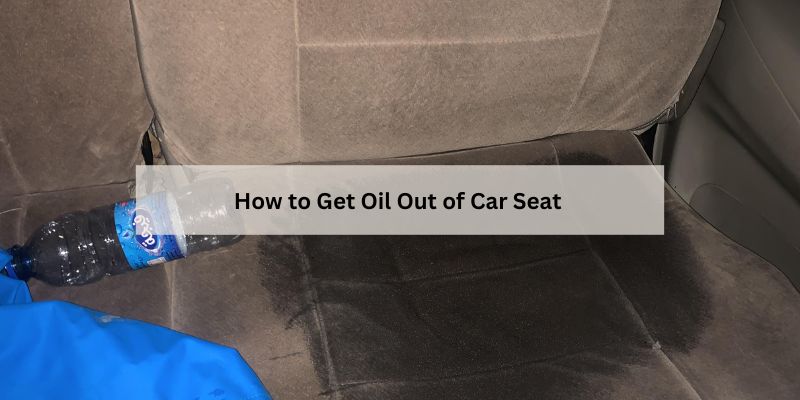
How to Get Oil Out of Car Seat
Hey there, friend! So, you’ve got an oil stain on your car seat, and it’s driving you nuts, right? I’ve been there—whether it’s motor oil from a quick car fix, cooking oil from a takeout spill, or even greasy hands from a burger, those stains can make your car’s interior look messy fast. I’ve tackled this problem a few times, from my old sedan’s cloth seats to my buddy’s fancy leather SUV.
It’s not as hopeless as it seems! In this article, I’m going to share everything I’ve learned about getting oil out of car seats, step by step. From quick home remedies to heavy-duty cleaning, I’ve got practical tips to make your seats look good as new. Whether you’re a DIY newbie or a cleaning pro, let’s dive in and get that stain out together!
Understanding Oil Stains on Car Seats
Oil stains are tricky because they don’t just sit on the surface—they soak into the fabric or leather. I learned this the hard way when I spilled some engine oil on my cloth seats during a DIY oil change. Oil is greasy and spreads fast, making it tougher to clean than, say, a juice stain. The type of oil matters too. Motor oil is thick and dark, while cooking oil is lighter but still stubborn. Your car seat’s material—cloth, leather, or vinyl—also affects how you clean it.
Cloth seats absorb oil deeply, so you need to draw it out. Leather and vinyl are less porous, but oil can still leave a dark mark or damage the finish if not cleaned properly. Knowing what you’re dealing with helps you pick the right method. Let’s talk about how to prep before you start cleaning.
Preparing to Clean the Stain
Before you attack that oil stain, a little prep goes a long way. I’ve made the mistake of diving in without prepping, and it just spread the mess. Here’s what I do now:
- Blot the Stain: Grab some paper towels or a clean cloth and gently blot the oil. Don’t rub—it pushes the oil deeper. I keep paper towels in my trunk for emergencies like this.
- Vacuum the Area: Use a vacuum to suck up any dirt or debris around the stain. This prevents grime from mixing with the oil. My handheld vacuum works great for this.
- Check the Seat Material: Look at your car’s manual or the seat tag to confirm if it’s cloth, leather, or vinyl. I once used a cleaner meant for cloth on leather, and it left a weird film.
- Gather Supplies: You’ll need things like dish soap, baking soda, a brush, microfiber cloths, and maybe a commercial cleaner. I’ll cover specific supplies for each method later.
- Test First: Always test your cleaner on a small, hidden spot, like under the seat. I learned this after a cleaner faded my seat’s color slightly.
Prepping sets you up for success and keeps your seats safe. Now, let’s get into the cleaning methods.
Method 1: Dish Soap and Water for Cloth Seats
This is my go-to for cloth seats because it’s simple and uses stuff I already have at home. Dish soap cuts through grease like a champ. Here’s how I do it:
- Mix a few drops of dish soap (like Dawn) with warm water in a bowl. You want it sudsy but not too soapy.
- Dip a soft-bristled brush or microfiber cloth into the mixture. I use a toothbrush for small stains.
- Gently scrub the stain in a circular motion. Don’t soak the seat—just dampen it.
- Blot with a clean, dry microfiber cloth to lift the oil and soap.
- Repeat if needed, then let the seat air dry. I crack the windows to speed up drying.
This worked like magic when I got motor oil on my sedan’s seats. It took two rounds, but the stain was gone. If the oil is stubborn, try the next method.
Method 2: Baking Soda for Deep Oil Stains
Baking soda is my secret weapon for tough oil stains on cloth seats. It absorbs oil and odors like nobody’s business. I used this when a fast-food fry oil spill left a greasy mess. Here’s what I do:
- Blot the stain first to remove excess oil.
- Sprinkle a generous amount of baking soda over the stain. Cover it completely.
- Let it sit for 12-24 hours. I left it overnight when I cleaned my car.
- Vacuum up the baking soda. You’ll see it’s soaked up some oil.
- If the stain’s still there, mix baking soda with a little water to make a paste. Apply it with a brush, scrub gently, and blot dry.
- Vacuum again and let the seat dry fully.
This method saved my seats from a nasty stain. It’s cheap and effective, but it takes time. For quicker results, check out the next option.
Method 3: Commercial Upholstery Cleaners
Sometimes, home remedies don’t cut it, especially for old or set-in stains. I turned to a commercial cleaner when a cooking oil stain wouldn’t budge. Here’s how I use them:
- Pick a cleaner made for car upholstery. I like brands like Meguiar’s or Chemical Guys for cloth seats.
- Read the label and test it on a hidden spot. I always do this to avoid surprises.
- Spray the cleaner on the stain. Don’t overdo it—a light mist is enough.
- Let it sit for the time recommended (usually 1-2 minutes).
- Scrub with a soft brush, then blot with a microfiber cloth.
- Wipe with a damp cloth to remove any residue, then dry with a clean towel.
I used a foam cleaner on my friend’s car, and it lifted a motor oil stain in minutes. These cleaners cost $10-$20 but are worth it for tough jobs.
Method 4: Cleaning Leather or Vinyl Seats
Leather and vinyl need special care because harsh cleaners can damage them. I learned this when I accidentally dulled my SUV’s leather seats with the wrong product. Here’s my approach:
- Blot the oil with a microfiber cloth to remove as much as possible.
- Use a leather-specific cleaner, like Lexol or Saddle Soap. I keep a small bottle in my garage.
- Apply a small amount to a soft cloth and gently rub the stain. Don’t scrub hard—it can scratch the leather.
- Wipe with a damp cloth to remove cleaner residue.
- Apply a leather conditioner to restore shine and prevent cracking. I do this every few months anyway.
For vinyl, I use the same method but skip the conditioner. This worked when I got hydraulic fluid on my buddy’s vinyl seats. Always test cleaners first to avoid damage.
Method 5: Cornstarch for Quick Absorption
Cornstarch is a great backup if you don’t have baking soda. I discovered this when I spilled olive oil on my car seat during a picnic. Here’s how it works:
- Blot the stain to remove excess oil.
- Sprinkle cornstarch over the stain, covering it thickly.
- Let it sit for 4-6 hours. I left it for a few hours while running errands.
- Vacuum up the cornstarch. It pulls out a lot of the oil.
- If needed, follow up with dish soap and water to clean any remaining residue.
This method is fast and uses pantry staples. It’s not as strong as baking soda for deep stains, but it’s great for fresh spills.
Method 6: Vinegar and Water for Odor and Stain
Oil stains sometimes leave a smell, especially if it’s cooking oil. I used vinegar to tackle both the stain and odor on my cloth seats. Here’s my process:
- Mix equal parts white vinegar and water in a spray bottle.
- Lightly mist the stain. Don’t soak the seat—it can lead to mildew.
- Let it sit for 10 minutes to break down the oil.
- Scrub gently with a soft brush, then blot with a microfiber cloth.
- Dry the area with a clean towel and let it air dry with windows open.
This worked well for a greasy pizza stain. The vinegar smell fades as it dries, leaving your seats fresh.
When to Call a Professional
Sometimes, a stain is too stubborn, or you’re worried about damaging your seats. I’ve called in pros when a motor oil stain spread too far on my friend’s leather interior. Professional detailers have industrial cleaners and tools to tackle tough stains without harm. Expect to pay $50-$150, depending on the job. Look for a detailer with good reviews, or ask your local car wash for recommendations. If the stain is small, try DIY first—it’s cheaper and often works.

Troubleshooting Table: Quick Reference Guide
Here’s a table I use to pick the right method for oil stains:
| Seat Material | Method | Supplies Needed | Best For | Difficulty |
|---|---|---|---|---|
| Cloth | Dish Soap and Water | Dish soap, brush, microfiber cloth | Fresh oil stains | Easy |
| Cloth | Baking Soda | Baking soda, vacuum, brush | Deep or old stains | Moderate |
| Cloth | Commercial Cleaner | Vinegar, spray bottle, brush, and cloth | Stubborn stains | Easy |
| Leather/Vinyl | Leather Cleaner | Leather cleaner, cloth, conditioner | Oil on leather/vinyl | Moderate |
| Cloth | Cornstarch | Cornstarch, vacuum, cloth | Quick fixes for fresh spills | Easy |
| Cloth | Vinegar and Water | Vinegar, spray bottle, brush, cloth | Stains with odor | Easy |
This table helps me decide what to try first. Keep it handy for quick fixes!
Preventing Future Oil Stains
Once your seats are clean, you’ll want to keep them that way. Here’s what I do:
- Use Seat Covers: I put washable covers on my cloth seats for easy cleanup.
- Keep a Spill Kit: I store paper towels, a small brush, and dish soap in my trunk.
- Avoid Eating in the Car: Greasy food is a stain waiting to happen. I try to eat outside when possible.
- Regular Cleaning: Vacuum and wipe seats monthly to prevent dirt buildup.
- Condition Leather: For leather seats, apply conditioner every 3-6 months to keep them supple.
These habits have kept my car’s interior spotless, even with my messy habits.
My Personal Experience with Oil Stains
Let me share a quick story. A while back, I was changing my car’s oil and got some on my hands. Without thinking, I grabbed the driver’s seat to climb in, leaving a black smear. I panicked but tried the dish soap method first. It took some scrubbing, but the stain came out after two rounds. Another time, a burger spilled grease on my passenger seat, and baking soda saved the day. These experiences taught me to act fast and keep cleaning supplies ready. Hopefully, my tips will save you the same stress!
Conclusion: Restore Your Seats with Confidence
Oil stains on your car seats don’t have to be a permanent eyesore. With the right methods—like dish soap, baking soda, or commercial cleaners—you can tackle any stain, whether it’s on cloth, leather, or vinyl. I’ve shared my go-to tricks, from quick home remedies to pro-level solutions, so you can get your interior looking pristine. Act fast, prep carefully, and choose the method that fits your seat type. With a little patience, your seats will be clean and fresh again.
I hope my experiences and advice make this process easy for you. There’s nothing like driving in a clean car, so let’s keep those seats spotless! Got a stain story or a cleaning tip I missed? I’d love to hear it! Happy cleaning, and enjoy your sparkling ride!
Frequently Asked Questions
Can I use regular soap instead of dish soap?
Regular soap might not cut grease as well. I stick with dish soap like Dawn because it’s designed to break down oil.
Will baking soda damage my car seats?
No, baking soda is safe for cloth seats. I’ve used it many times with no issues. Just vacuum it up thoroughly.
How do I know if my seats are leather or vinyl?
Check your car’s manual or look for a tag on the seat. Leather feels softer and smells different; vinyl is stiffer. I learned this by comparing my cars.
Can I clean oil stains from leather with dish soap?
Dish soap can dry out leather. I use a leather-specific cleaner to avoid damage, followed by a conditioner.
What if the oil stain has been there for weeks?
Old stains are tougher but not impossible. I’d try baking soda or a commercial cleaner and scrub gently. Repeat if needed.
How do I prevent oil stains from setting?
Blot the stain immediately and avoid rubbing. I keep paper towels in my car to catch spills before they soak in.