How to Get Scratches Out of Cars: Expert DIY Tips
Scratches on your car can be incredibly frustrating. They seem to appear out of nowhere and instantly diminish the sleek look of your vehicle.
But here’s the good news: You don’t need to be a professional to handle these annoying blemishes. Imagine driving your car and seeing it in perfect condition, free of those pesky scratches. Doesn’t that sound satisfying? In this guide, you’ll discover simple and effective methods to get scratches out of your car.
These techniques are easy to follow, even if you’re not an expert. Ready to restore your car’s shine and boost its value? Let’s dive in and make your car look brand new again!
Assessing The Damage
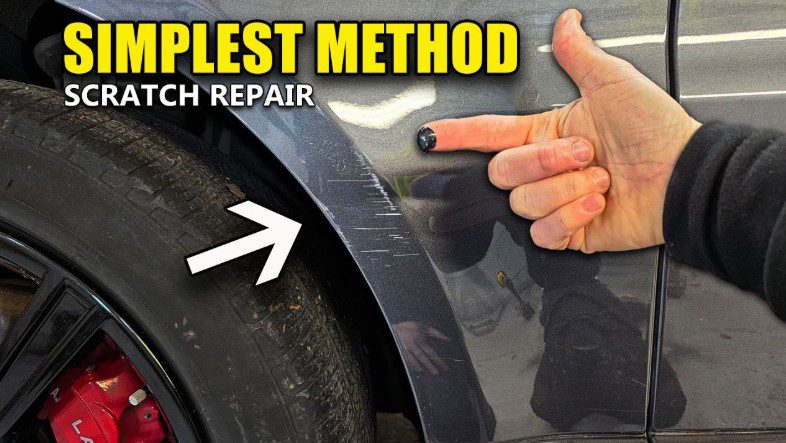
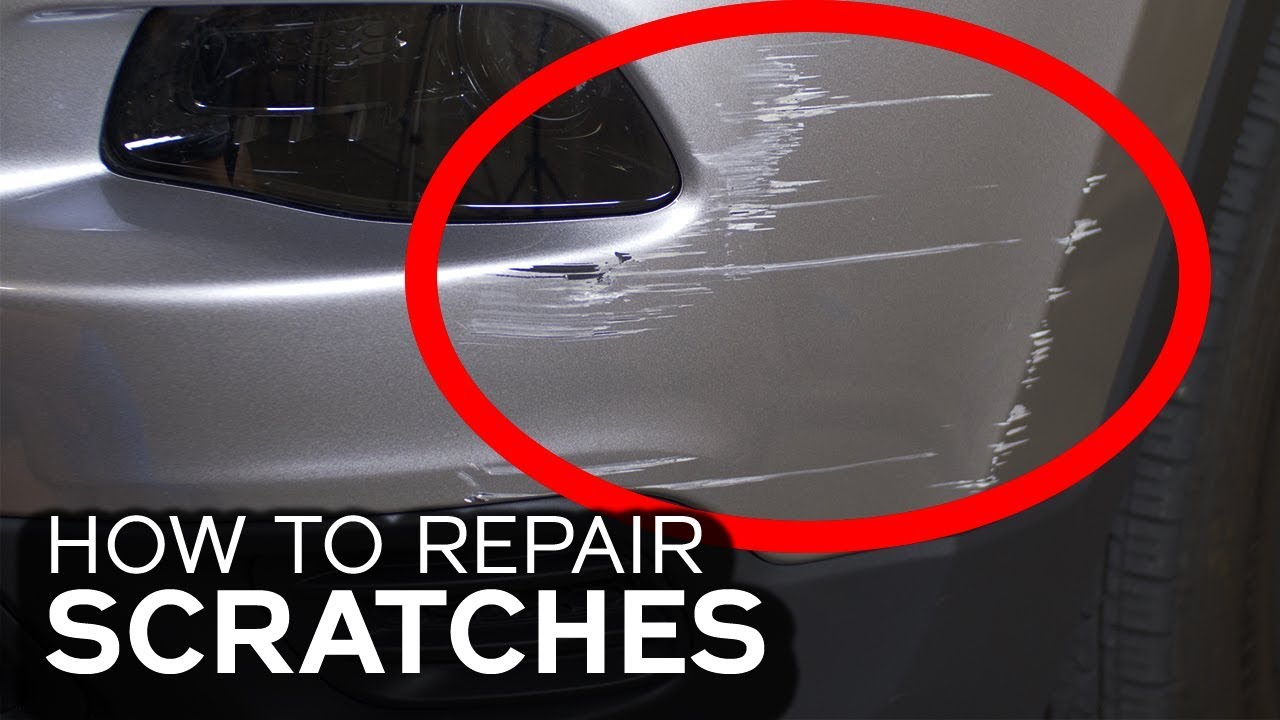
Scratches on cars can be different. They look different too. Some are light and others are deep. Light scratches are on the top layer. These are the easiest to fix. Deep scratches go through the paint. These need more work to fix. Paint may even be missing. This can show metal or plastic.
Scratches have different levels of damage. Light scratches are Level 1. These are easy to polish out. Level 2 scratches are deeper. They need special tools to fix. Level 3 is very deep. They might need a new paint job. Always check the scratch carefully. This helps decide the next step.
Gathering Essential Tools
Start by collecting basic cleaning supplies. You will need a bucket, water, and soap. Choose a soap made for cars. Also, get a soft sponge or cloth. These help clean without making scratches worse. Drying the car is important too. Use a microfiber towel. It absorbs water well and is gentle on surfaces.
Polishing tools make your car shine. Get a polishing pad. A buffing machine is also helpful. It works faster than your hands. You need a polish too. Choose one that suits your car color. These tools help remove fine scratches. They make your car look new again.
A scratch repair kit is handy. It includes special compounds and tools. These kits help fix scratches easily. They come with clear instructions. Follow the steps to fix the scratches. Some kits also have touch-up paint. Use it to cover deeper marks. These kits are useful for small repairs.
Cleaning The Area
Wash the car with clean water. Use a soft sponge. Make sure to use car shampoo. Rinse thoroughly to remove soap. Dry the car with a soft cloth.
Look for dirt and small stones. Gently remove them with fingers. Use a clean cloth to wipe. Ensure no dirt is left. Check the area carefully.
Removing Light Scratches
Toothpaste can help with light car scratches. Choose white toothpaste. Gel toothpaste won’t work. Apply a small amount to a soft cloth. Rub it on the scratch in small circles. Do this for about 10 seconds. Check the scratch. If it’s still there, repeat the process. Wipe off the toothpaste with a damp cloth. Dry the area with a clean towel. This method works best for surface scratches.
Scratch removers are easy to use. Buy a trusted brand for best results. Clean the car surface first. Dirt can cause more scratches. Apply a small amount of remover to a soft cloth. Rub it on the scratch gently. Use circular motions. Check every few seconds. Wipe off excess remover with a clean cloth. Check the scratch again. Repeat if needed. Finish by polishing the area for shine. Scratch remover works well for light scratches.
Fixing Deep Scratches
Deep scratches need special care. Sanding helps make the surface smooth. Use fine sandpaper. Rub gently over the scratch. This removes any rough edges. It also makes the paint stick better. Always keep the area clean. Wet the sandpaper a little. This prevents more damage. Move the sandpaper in small circles. Be patient and careful.
After sanding, apply primer. Primer helps the paint stick well. Shake the primer can. Spray lightly on the scratch. Let it dry. Next, apply the car paint. Use a small brush or spray can. Make sure to match the color. Apply thin layers. Let each layer dry before adding more. This keeps the surface even.
Credit: www.youtube.com
Polishing And Buffing
Removing car scratches involves polishing and buffing to restore shine. Use a quality polish and soft cloth. Gently rub in circular motions until the scratches fade. Regular care helps maintain your car’s appearance.
Selecting The Right Polish
Choosing the right polish is crucial for removing scratches. Car polishes are not all the same. Some work better on deep scratches. Others are good for light scratches. Check your car’s paint type before buying. Test polish on a small area first. Look for polishes with fine abrasives. They gently smooth out scratches. Avoid products with harsh chemicals. These can damage your car’s paint.
Buffing Techniques
Buffing helps to shine the car. Use a soft cloth or pad. Apply polish with small, circular motions. Do not press too hard. Focus on the scratched area. Move the cloth evenly. Check the surface often. Make sure the polish spreads nicely. Wipe off any excess polish. Repeat if needed for deeper scratches. Finish with a clean, dry cloth.
Protective Measures
Car wax forms a protective layer. It shields the paint from scratches. Car wax can make small scratches less visible. It keeps the car’s surface smooth and shiny. Regular waxing can prevent dirt from sticking. This makes cleaning easier. Choose quality wax for better protection. Waxing is best done in cool weather. Avoid direct sunlight while waxing. Follow instructions on the wax product. Apply evenly for best results.
Protective film acts like a second skin. It guards against scratches. Film is clear and doesn’t change car’s look. It is easy to apply. Film can be cut to fit any car part. Use film on bumpers and doors. It works well on areas prone to scratches. Quality film lasts longer. It is resistant to UV rays. Replace film if damaged. Proper care keeps your car scratch-free.

Credit: www.youtube.com
Professional Help Vs DIY
Professional help can be expensive. The cost depends on the scratch size. Small scratches might cost less, but large ones cost more. You pay for the tools, time, and expertise. DIY methods can be cheaper. You might only need a few tools. Some items might already be at home. But, mistakes can lead to extra costs.
Fixing scratches takes time. Professionals work fast. They have the right tools and skills. You might wait for an appointment. DIY can take longer. You need to learn the process. Some repairs need lots of effort. It may take several tries to get it right. Consider your schedule before deciding.
Frequently Asked Questions
How Can I Remove Scratches From My Car At Home?
Use a microfiber cloth to apply car polish or toothpaste on the scratch. Rub gently in circular motions. Rinse and dry the area. Apply car wax for extra shine and protection.
Will Wd-40 Remove Scratches In Car Paint?
WD-40 can temporarily hide minor scratches on car paint. It cleans and adds shine but doesn’t permanently fix scratches. For lasting results, consider using a proper scratch remover or consult a professional. Regular use of WD-40 isn’t advisable for car paint maintenance due to potential long-term effects.
What Do Car Detailers Use To Remove Scratches?
Car detailers use polishing compounds, microfiber cloths, and orbital polishers to remove scratches. They sometimes apply touch-up paint for deeper scratches.
Can I Repair A Car Scratch Myself?
Yes, you can repair minor car scratches yourself. Use a scratch repair kit or touch-up paint. Follow the instructions carefully for the best results. For deep scratches, consider consulting a professional. Repairing scratches promptly prevents further damage and maintains your car’s appearance.
Conclusion
Scratches on cars can be frustrating. Yet, fixing them is possible. Start with identifying the scratch type. Use the right tools and methods. Try toothpaste for minor scratches. Use scratch remover kits for deeper ones. Sandpaper and polish can help too.
Regular maintenance prevents future scratches. Keep your car clean and waxed. It protects the paint. Proper care keeps your car looking new. Practice patience and precision for the best results. With these tips, your car can shine again. Happy driving!