How to Get Water Spots Off Windows of a Car: A Complete Guide
Hey there! Have you ever looked at your car’s windows and noticed those pesky water spots ruining the shine? I know I have. After a rainy drive or a car wash, those little marks seem to pop up out of nowhere, making your car look less than perfect. A few summers ago, I dealt with stubborn water spots on my sedan after parking it under a sprinkler system—big mistake! I spent hours researching and testing ways to get those spots off, and I’m excited to share what I learned.
Getting water spots off your car’s windows is easier than you think, and with the right tools, you can make those windows sparkle again. So, let’s sit down together and go through this step-by-step. By the end, your car’s windows will be crystal clear, and you’ll feel like a pro!
What Are Water Spots and Why Do They Form?
Let’s start with the basics. Water spots are those annoying marks left on your car’s windows when water dries on the surface. I used to think they were just dirt, but they’re actually caused by minerals like calcium and magnesium in the water. When the water evaporates, it leaves these minerals behind, creating spots that catch the light and drive you nuts.
I noticed this a lot when I washed my car at home. My tap water was “hard,” meaning it had a lot of minerals. Rainwater, sprinkler water, or even car wash water can leave spots if it’s not dried properly. I learned that parking under trees or in areas with dust can make things worse—dirt sticks to the wet spots and makes them harder to clean. Knowing what causes water spots helped me figure out how to tackle them and prevent them in the future.
Why Water Spots Are a Problem
At first, I thought water spots were just a cosmetic issue. But there’s more to it. Those spots can make it harder to see through your windows, especially at night when headlights hit them. I remember squinting through my windshield during a late drive because the spots were scattering light like crazy. That’s not just annoying—it’s a safety issue.
Water spots can also damage your windows over time. If left untreated, the minerals can etch into the glass, creating permanent marks. I saw this on my old car’s side windows, where spots turned into faint scratches. Plus, a clean car just feels better. When your windows are spotless, it’s like giving your car a little TLC, and it boosts your pride as an owner.
Signs Your Car Windows Have Water Spots
Before we dive into cleaning, let’s make sure you’re dealing with water spots. Here’s what I look for on my car:
- Cloudy Marks: Small, round, or irregular spots that look cloudy or chalky. I noticed these on my windshield after a car wash.
- Light Reflection: Spots that catch the light, especially in the sun. They’re most obvious when you’re driving or looking at the glass from an angle.
- Rough Texture: Run your finger over the window. If it feels bumpy or gritty, that’s likely water spots. My windows felt like sandpaper in some areas.
- Persistent Stains: If you wipe the window with a cloth and the marks don’t budge, you’ve got water spots, not just dirt.
If you see these signs, it’s time to roll up your sleeves and get to work.
Tools and Supplies You’ll Need
When I set out to clean my car’s windows, I realized having the right tools makes all the difference. You don’t need anything too fancy, and most of this stuff is probably in your house already. Here’s what I used:
- White Vinegar: A natural cleaner that dissolves mineral deposits. I grabbed a jug from the grocery store for a couple of bucks.
- Distilled Water: Tap water can have minerals, so I used distilled water to avoid adding more spots.
- Spray Bottle: For mixing and applying cleaning solutions.
- Microfiber Cloths: These are soft and won’t scratch your windows. I had a stack from an old detailing kit.
- Glass Cleaner: A car-safe glass cleaner, like Windex or Invisible Glass, works great for finishing touches.
- Baking Soda (Optional): For stubborn spots, it acts like a gentle abrasive. I used it on some really tough marks.
- Bucket: For mixing water and soap or soaking cloths.
- Car Wash Soap: To clean dirt before tackling water spots.
- Clay Bar (Optional): A detailing clay bar can remove tough spots. I borrowed one from a friend who’s into car detailing.
- Gloves: To keep your hands clean and avoid skin irritation.
I also kept a dry towel handy for drying the windows. Having everything ready made the process quick and easy.
Step-by-Step Guide to Removing Water Spots
Alright, let’s get those windows sparkling! I’ve cleaned water spots off my car a few times, and this method worked every time. Here’s how I did it:
Step 1: Wash the Windows
Start by cleaning off loose dirt and grime. I mixed car wash soap with water in a bucket and used a microfiber cloth to wash the windows. Rinse with a hose or a bucket of clean water. This step makes sure you’re only dealing with water spots, not mud or dust.
Step 2: Try a Vinegar Solution
Fill a spray bottle with equal parts white vinegar and distilled water. I sprayed this mix generously on the windows and let it sit for 5-10 minutes. The vinegar dissolves the mineral deposits. Wipe it off with a microfiber cloth, using a circular motion. I was amazed at how many spots disappeared with just this step.
Step 3: Tackle Stubborn Spots
For spots that didn’t budge, I made a paste with baking soda and water. I applied it with a microfiber cloth and scrubbed gently. It’s like a magic eraser for tough spots. Rinse with distilled water to avoid new spots forming. This worked on some old, crusty marks on my side windows.
Step 4: Use a Clay Bar (Optional)
If the spots are still there, a clay bar is your next step. I sprayed a lubricant (like soapy water) on the window and rubbed the clay bar lightly over the spots. It pulled off the stuck-on minerals without scratching. This step took a bit longer but made my windows super smooth.
Step 5: Polish with Glass Cleaner
Once the spots are gone, I sprayed a car-safe glass cleaner and wiped with a clean microfiber cloth. This removes any leftover residue and gives the windows a streak-free shine. I did this in the shade to avoid the cleaner drying too fast.
Step 6: Dry Thoroughly
Drying is key to prevent new water spots. I used a dry microfiber towel to wipe the windows completely dry. Work quickly, especially if you’re in the sun. I learned the hard way that leaving water to air-dry just brings the spots back.
Step 7: Apply a Glass Sealant (Optional)
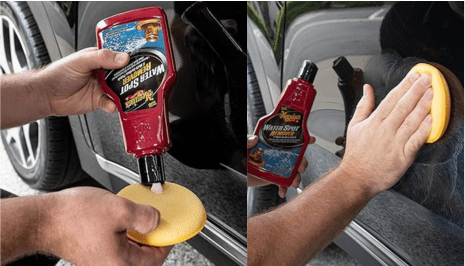
For extra protection, I applied a glass sealant, like Rain-X. It repels water and makes future spots easier to clean. Just follow the product instructions and buff it off with a cloth. My windows stayed cleaner for weeks after this.
Here’s a quick table to summarize the steps:
| Step | Action | Tools Needed |
|---|---|---|
| Wash Windows | Clean off dirt and grime | Car wash soap, bucket, cloth |
| Vinegar Solution | Dissolve spots with vinegar | Vinegar, distilled water, spray bottle |
| Tackle Stubborn Spots | Use baking soda paste | Baking soda, cloth |
| Use Clay Bar | Remove tough spots | Clay bar, lubricant |
| Polish | Apply glass cleaner | Glass cleaner, microfiber cloth |
| Dry Thoroughly | Dry to prevent new spots | Microfiber towel |
| Apply Sealant | Protect with glass sealant | Glass sealant, cloth |
This process took me about an hour, but my windows looked like they belonged on a showroom car.
Preventing Water Spots in the Future
Once my windows were spot-free, I wanted to keep them that way. Here’s what I started doing:
- Dry After Washing: I always dry my windows with a microfiber towel after washing the car. It only takes a few minutes and prevents spots.
- Use Distilled Water: When washing at home, I use distilled water for the final rinse. It’s free of minerals, so no spots form.
- Apply Glass Sealant: Products like Rain-X make water bead up and roll off. I reapply every few months for lasting protection.
- Avoid Parking Under Sprinklers: I learned this the hard way. Now I park away from sprinklers or trees that drip sap.
- Clean Regularly: I wipe my windows with glass cleaner every couple of weeks. It keeps small spots from becoming big problems.
These habits have kept my windows spot-free for months, even through rainy seasons.
Why Water Spots Can Be Tricky
Water spots can be stubborn, especially if they’ve been there a while. I found that older spots, or ones from hard water, are tougher to remove because the minerals bond to the glass. If you live in an area with hard water, like parts of California or Texas, you’ll need to be extra diligent. I also noticed that tinted windows can be trickier—harsh cleaners might damage the tint, so stick to gentle solutions like vinegar.
Health and Safety Benefits
Clean windows aren’t just about looks. When my windshield was covered in spots, it was hard to see clearly, especially at night. Clean windows improve visibility, making driving safer. I also found that cleaning my windows regularly reduced dust and allergens inside the car, which helped my allergies. It’s a small thing that makes a big difference.
When to Call a Professional
Most water spots can be handled at home, but sometimes you need a pro. If the spots are etched into the glass or you’re dealing with a lot of damage, a professional detailer has tools like polishing machines that can fix it. I considered this for my old car’s windshield, but my DIY method worked. Professional detailing can cost $50-$200, depending on the car and the job, but it’s worth it for severe cases.
Cost of Removing Water Spots
Cleaning water spots yourself is super affordable. I spent about $10 on vinegar, distilled water, and a microfiber cloth. A clay bar kit was another $15, and glass sealant was $10. If you go professional, expect to pay $50-$200, depending on the extent of the spots. Regular maintenance, like drying after washes, costs nothing and saves you from bigger bills later.
Environmental Impact of Clean Windows
Keeping your windows clean is good for the planet, too. Using natural cleaners like vinegar reduces the need for harsh chemicals that can harm the environment. Plus, maintaining your car’s windows means you’re less likely to replace them, cutting down on waste. I felt good knowing my cleaning routine was eco-friendly and effective.
Why I Love Spot-Free Windows
There’s nothing like looking through crystal-clear windows while driving. After cleaning mine, I couldn’t stop admiring how sharp everything looked. It’s not just about aesthetics—clean windows make driving safer and more enjoyable. I also love the compliments I get from friends who notice how polished my car looks. It’s a small effort for a big reward.
Wrapping It Up
Getting water spots off your car’s windows is easier than it seems, and the results are so worth it. I went from frustrated to thrilled when I saw my car’s windows sparkle after a good cleaning. With simple tools like vinegar and a microfiber cloth, you can make those spots disappear and keep your windows looking great. Plus, a few easy habits, like drying after washes and using a sealant, will keep spots at bay. Whether you’re a car enthusiast or just want a safer, cleaner ride, this guide has you covered. So, grab your supplies, put on some music, and give your car’s windows the shine they deserve. You’ll love the view!
FAQs
How do I know if my car’s windows have water spots?
Look for cloudy, chalky marks or spots that catch the light. If the windows feel rough or wiping them doesn’t help, you’ve got water spots.
Can I use household items to clean water spots?
Yes! White vinegar and distilled water work great. Baking soda is good for stubborn spots. They’re cheap, safe, and effective.
How do I prevent water spots on my car’s windows?
Dry your windows after washing, use distilled water for rinsing, and apply a glass sealant. I also avoid parking under sprinklers.
Are water spots dangerous for driving?
They can be. Spots can reduce visibility, especially at night. Clean windows make driving safer and more comfortable.
When should I call a professional for water spots?
If the spots are etched into the glass or won’t come off with DIY methods, a detailer can help. It’s pricier but worth it for tough cases.