How to Wash Car Windows: Streak-Free Steps (Inside & Out)
Wash car windows streak-free by cleaning the exterior glass fully before moving to the interior — that way, any streak you spot afterward is on the interior side, not new dirt from the wash. Skipping this order, or using an ammonia-based cleaner like Original Windex on tinted glass, causes bubbling and discoloration in the tint film. This guide covers the right order, the right tools, homemade vs. store-bought cleaner, and fixes for stubborn water spots.
Insert your Affiliate Disclosure reusable block here.
Quick Answer
Wash car windows exterior first, then interior, using a microfiber cloth and an ammonia-free glass cleaner — regular Original Windex still contains ammonia, which can damage tint film. Rinse with a hose first to remove grit, wipe dry in one direction, and avoid direct sunlight so the cleaner doesn’t flash-dry into streaks.
How to Wash Car Windows in 7 Steps
- Park in the shade: Direct sun flash-dries cleaner before you can wipe it off, which is the single most common cause of streaks.
- Rinse with a hose: Use cool, low-pressure water to knock loose grit off the glass before you touch it with a cloth.
- Apply cleaner to the cloth, not the glass: Spraying the cloth first stops excess liquid from dripping onto trim, paint, or electronics below the window.
- Scrub in small circles: Cover the whole pane with a soft microfiber cloth, paying extra attention to corners and edges where grime collects.
- Wipe dry in one direction: Use horizontal strokes on the outside and vertical strokes on the inside — if a streak shows up later, the direction tells you which side it’s on.
- Finish the entire exterior before starting the interior: This way, any streak you find afterward is on the interior glass, not fresh residue from the exterior wash.
- Apply a rain-repellent coating (optional): A product like Rain-X helps water bead and sheet off between washes, cutting down on wiper use in rain.
Preparation And Materials
Picking the right cleaning supplies matters more than picking the right cleaner. Use a soft cloth or sponge to avoid scratches, and choose a mild, ammonia-free cleaner so it’s safe on tinted glass. Microfiber towels soak up water without leaving streaks — skip paper towels, which shed lint that shows up as a haze once the glass dries.
Find a shady spot before you start. Sunlight and hot glass dry cleaner too fast, and that’s what causes most streaking — not the cleaner itself. Keep a bucket of water nearby to rinse your cloth, and if you’re mixing a vinegar-water rinse for water spots, use distilled water instead of tap water — tap water’s dissolved minerals are the actual source of the white spots you’re trying to remove, so rinsing with more of it works against you.
Initial Cleaning Steps
Begin by gently removing loose dirt from your car windows as part of a full detailing pass. Use a soft, dry cloth or brush first — a dry cloth keeps loose dirt from turning into a gritty paste once water hits it. Work slowly and cover the whole window, including the corners where dust tends to hide.
Next, rinse with a garden hose using clean, cool water. Start at the top and let the water flow down so gravity carries particles away, and avoid a high-pressure nozzle, which can force grit against the glass instead of washing it off. Rinse until the window runs clear before you apply any cleaner.
Why Clean the Exterior Before the Interior
Always finish the outside of every window before you start on the inside. If you clean both sides at once, a streak you spot from inside the car could be coming from either surface, and you’ll end up re-wiping glass that was already clean. Doing the exterior first means any streak you see afterward is on the interior — so you only have one surface left to check.
Automotive detailing guides — including AutoZone’s own DIY glass-cleaning instructions and Chemical Guys’ detailing process — consistently teach cleaning glass in this order and finishing the exterior of every window before moving to the interior, specifically so a leftover streak tells you which side still needs work.
Applying Cleaning Solutions
Car window cleaner comes in two basic forms, and both work — the difference is convenience versus cost. A homemade solution of water, white vinegar, and a drop of dish soap cuts grime for pennies. A commercial glass cleaner is ready to use and often includes a rain-repellent additive the homemade mix doesn’t.
Whichever you choose, make sure it’s ammonia-free if your car has any tinted glass. Ammonia breaks down the dye and adhesive layers in tint film, which is what causes the purple discoloration and bubbling you sometimes see on older tinted windows. Regular Original Windex is not ammonia-free — SC Johnson sells “Windex Ammonia-Free” as a separate, distinctly labeled product specifically for tinted glass, so check the bottle before you buy.
📊 SC Johnson’s Original Windex Glass Cleaner is still formulated with ammonia — its “Ammonia-Free” formula is a separate, distinctly labeled product, not a company-wide reformulation. Source: Windex (SC Johnson), 2026
| Cleaner Type | Cost | Best For |
|---|---|---|
| Homemade (vinegar + water) | Under $1 per use | Light dust, routine cleaning |
| Ammonia-free commercial cleaner | $4–$8 per bottle | Tinted windows, road grime, bugs |
| 2-in-1 cleaner + rain repellent | $6–$12 per bottle | Frequent rain drivers, fewer washes |
Best Car Glass Cleaner Pick
Invisible Glass Premium Aerosol Glass Cleaner Spray
An ammonia-free foaming aerosol built specifically for automotive glass, including tinted windows.
- Best for: A streak-free finish on tinted windows and windshields
- Why we picked it: Ammonia-free formula matches the exact safety point covered above
- Main drawback: Aerosol can overspray onto trim if not applied to the cloth first
Compare more car window cleaning options
 Option 1 Chemical Guys Signature Series Tint-Safe Glass Cleaner
|
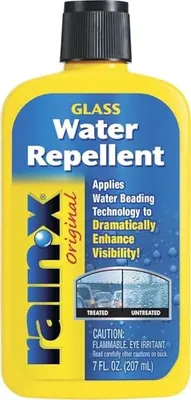 Option 2 Rain-X 800002243 Glass Treatment, 7 oz. – Exterior Glass Treatment To Dramatically Improve Wet Weath
|
 Option 3 Chemical Guys Professional Microfiber Towels, 12-Pack
|
As an Amazon Associate we earn from qualifying purchases.
Use a soft cloth or sponge and start from the top of the window, moving down to avoid streaks. Apply the solution to the cloth, not the glass, to prevent excess liquid from dripping onto trim or paint. Rub gently in circles, then use a separate dry cloth to wipe away any streaks.
Scrubbing Techniques
Selecting the right tools for cleaning car windows matters as much as the cleaner. Choose a soft sponge or microfiber cloth — a bucket of warm water and soap works for general grime, while a dedicated glass cleaner gives a shinier finish. Avoid rough materials like steel wool, which can scratch the glass permanently.
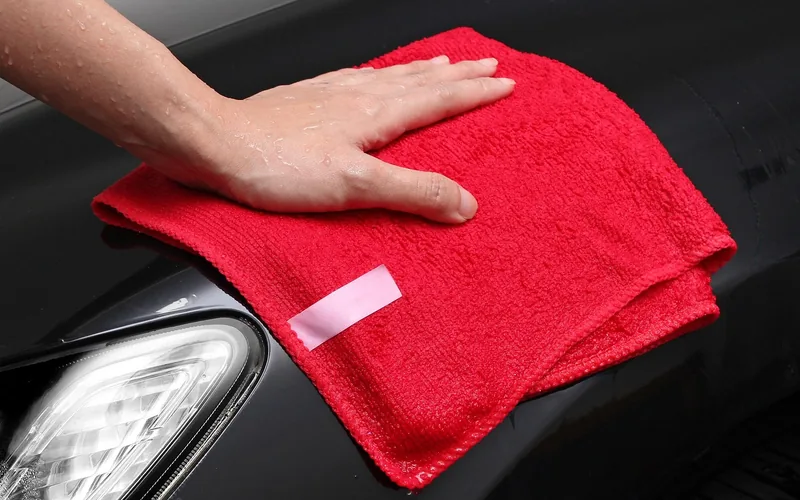
Effective scrubbing patterns make the job faster. Start from the top of the window and move the cloth in small circular motions to lift dirt evenly, paying close attention to corners and edges where dust collects. Rinse the cloth regularly — a dirty cloth just smears grime around instead of removing it — and dry with a clean towel to prevent streaks.
Dealing With Stubborn Stains
Cleaning car windows is usually simple, but stubborn stains take a bit more work. Start with a gentle cleaner and a soft cloth to lift ordinary dirt. For water spots or bug residue that won’t budge, vinegar mixed with water — using distilled water for the mix, not tap water — clears most stains without scratching the glass.
Using Vinegar For Tough Spots
Mix equal parts white vinegar and distilled water in a spray bottle. Spray it directly on the stain, let it sit for a few minutes to break down the residue, then wipe it away with a soft, clean cloth. Stubborn spots may need a second pass. Vinegar is safe for glass and won’t harm your car’s paint or trim.
Addressing Water Spots
Water spots come from minerals left behind when hard tap water evaporates on the glass, which is why the fix works best with a baking soda and distilled water paste rather than more tap water. Apply the paste gently, let it sit a few minutes, then clean with a damp cloth and rinse with plain water. Dry the window with a clean towel to keep it clear.
The Squeegee Method: A Detailer’s Alternative
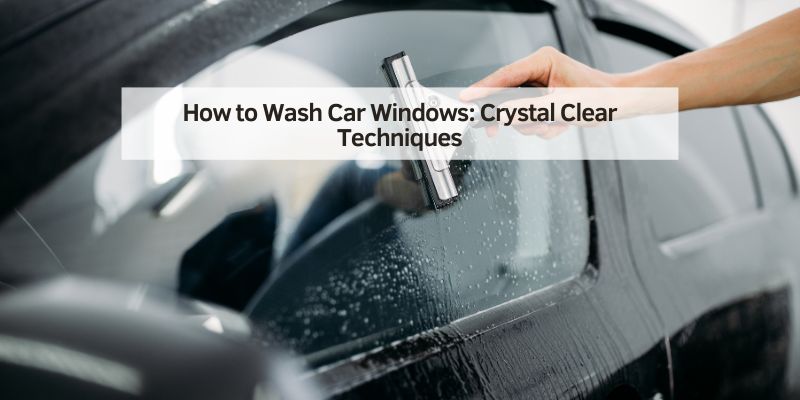
A rubber squeegee is a common professional alternative to microfiber-only cleaning, and it’s worth trying if you find yourself re-wiping streaks with a cloth. Spray the glass with cleaner, then draw the squeegee across the window at roughly a 45-degree angle in overlapping top-to-bottom passes, wiping the blade dry between each pass. Because the squeegee lifts the liquid off in one motion instead of spreading it around, there’s less chance for the cleaner to flash-dry into streaks before you’re done.
Drying And Polishing
Use a lint-free microfiber cloth to dry your car windows so you don’t leave any tiny fibers behind. Make sure the cloth is clean and dry, then gently wipe the window in a circular motion to remove water without leaving marks.
For a final shine, rub the window with a dry cloth moving in one direction. Check for streaks by looking at the glass from an angle in good light — if you see any, wipe again. Repeat this process for every window.
Protective Measures
Window protectants like Rain-X keep your car windows clearer for longer by creating a hydrophobic barrier that repels water, so rain beads up and sheets off instead of sitting on the glass. Apply it in the shade, above roughly 41°F (5°C), using a soft cloth and even, overlapping strokes; most rain-repellent coatings last several weeks of regular driving before they need reapplying.
Regular cleaning does more than keep windows looking good — removing water spots and grime before they set in improves visibility while driving and helps you avoid scratches from grinding dirt into the glass during future cleanings.
Common Mistakes To Avoid
The single most common mistake is washing windows in direct sunlight or on hot glass — the heat flash-dries cleaner before you can wipe it off, which is what leaves streaks in the first place, not the cleaner itself. Beyond that, avoid using dirty rags, which can scratch car windows — stick to clean, non-abrasive cloths, and always rinse thoroughly, since skipping the rinse is what leaves behind the streaks people usually blame on the cleaner.
Overlooking The Interior
Many people only clean the outside of their windows, but dust and fingerprints build up on the inside too, and the interior is genuinely harder to get streak-free than the exterior. For a full step-by-step routine — including how to avoid getting cleaner on the dashboard and how to check for streaks in the right light — see our dedicated guide: How to Clean Inside of Car Windows Without Streaks.
Using Harsh Chemicals
Strong, ammonia-based cleaners can leave marks and, on tinted windows, damage the tint film’s dye and adhesive layers over time — the same mechanism covered above. Use a cleaner made for automotive glass, test any new product on a small spot first, and always read the label before assuming a household glass cleaner is safe for your car.
Frequently Asked Questions
What’s The Best Way To Wash Car Windows?
Rinse the glass first with plain water, then clean with a microfiber cloth and an ammonia-free glass cleaner or a water-and-vinegar mix. Wipe in circular motions, then dry immediately with a separate clean cloth. Work in the shade to keep the cleaner from flash-drying into streaks.
How To Clean Car Windows Without Leaving Streaks?
Use a microfiber cloth and glass cleaner, apply light pressure in circular motions, and dry immediately with a separate cloth. Clean the exterior fully before the interior so you always know which side any leftover streak is on, and avoid direct sunlight while cleaning.
Are You Supposed To Use Windex On Car Windows?
Yes, but specifically the Windex Ammonia-Free formula if your car has tinted glass. Regular Original Windex still contains ammonia, which can discolor and bubble tint film over time — SC Johnson sells the ammonia-free version as a separate product for exactly this reason.
What Not To Clean Car Windows With?
Avoid ammonia-based cleaners on tinted windows, since they can damage the tint and leave streaks. Don’t use abrasive materials like steel wool, which scratch the glass, and skip paper towels, which leave lint — a microfiber cloth is the safer choice for a streak-free finish.
Can I Use Newspaper To Clean Car Windows?
It’s a partial myth. Newspaper is lint-free and can buff glass without streaking, which is where the tip comes from, but modern petroleum-based inks can smear and stain nearby trim, upholstery, or your hands. A microfiber cloth gets the same lint-free result without that risk.
How Often Should I Clean My Car Windows?
Clean the exterior glass every time you wash your car, since road grime and bugs build up quickly outside. The interior needs less frequent attention — every two to four weeks for most drivers, or sooner if you notice haze from off-gassing interior plastics or fingerprints on the glass.
Conclusion
Clean windows improve visibility and make your car look better cared for. Wash the exterior first — rinse, apply cleaner to the cloth, scrub in circles, and dry in one direction — before moving to the interior with its own clean cloth.
Keep a bottle of ammonia-free cleaner and a stack of microfiber towels on hand, and check for missed spots in good light before you call it done. A few extra minutes each wash keeps your view clear and your windows looking new.
Products related to this article
Sponsored / affiliate links. As an Amazon Associate I earn from qualifying purchases. I may earn additional commission from eligible campaigns.