How to Jump-Start a Diesel With a Car Safely
Getting a diesel engine started can sometimes be a challenge, and needing to use another vehicle to do it can feel a little intimidating if you’ve never done it before. Many people find the process confusing, especially when dealing with different types of cars and potential risks. But don’t worry! This guide will make everything easy to follow. We’ll show you step-by-step How to Jump-Start a Diesel With a Car Safely, so you can handle this situation with confidence. Let’s get started!
Understanding Diesel Engines and Jump Starting
Diesel engines work differently than gasoline engines, which affects how you jump-start them. Diesel engines need a lot of power to start because they compress air in the cylinders and ignite the fuel with the heat generated. The starting process requires a strong battery and a lot of current. This is different from how gasoline engines work. Jump-starting a diesel engine requires a specific process, and you need to be careful to avoid damaging either vehicle. This is why it’s important to know the right way to do it. You must also consider the voltage differences and the necessary precautions to avoid any safety hazards.
Diesel Engine Basics and Power Needs
Diesel engines are known for their efficiency and power, but they need a significant amount of electricity to start. The process relies on compressing air inside the engine cylinders, creating heat. This heat ignites the diesel fuel. A powerful battery is required to turn the engine over fast enough to create this compression and start the process. This initial surge of power is why jump-starting a diesel requires a more powerful battery than starting a gasoline engine. Because of this, using the wrong method can damage the electrical systems of both vehicles. If the battery is weak, the engine won’t start, requiring an external power source.
- Compression Ignition: Diesel engines use compression ignition, which means they don’t have spark plugs like gasoline engines. Instead, they compress air, creating heat to ignite the fuel. This requires a strong initial burst of power.
- High Power Draw: Due to the compression process, diesel engines draw a lot of power from the battery when starting. This is why jump-starting requires a heavy-duty jumper cable and a car with a strong battery.
- Glow Plugs: Many diesel engines have glow plugs that preheat the cylinders to aid in starting, especially in cold weather. These plugs also require power from the battery.
- Larger Batteries: Diesel vehicles generally have larger batteries to provide the necessary power. The jump-starting process needs to replicate this power source.
Key Safety Precautions for Jump Starting
Safety is the most important factor when you jump-start a diesel. Before you start, carefully check the owner’s manuals for both vehicles. This is to ensure you know the correct battery location and any special instructions. Make sure that the vehicles are parked close enough for the jumper cables to reach but not touching. It’s also important that the vehicles are in a safe, well-ventilated area, away from any potential sources of sparks or flames. Always wear safety glasses and gloves to protect yourself from any potential hazards, such as battery acid or electrical arcs. Following these simple steps will greatly minimize the risk of accidents and ensure the jump-start is done safely.
- Wear Safety Gear: Always wear eye protection (safety glasses) and gloves. Battery acid is corrosive and can cause serious injuries. Gloves provide an added layer of protection.
- Ensure Proper Ventilation: Jump-start in a well-ventilated area. Batteries can release hydrogen gas, which is highly flammable.
- Park Safely: Park the vehicles so that they are close enough for the jumper cables to reach, but not touching each other. Make sure both vehicles are in Park (or Neutral for manual transmissions) with the parking brakes engaged.
- Check Battery Terminals: Before you connect the cables, inspect the battery terminals for corrosion or damage. Clean them if necessary to ensure a good connection.
- Follow the Correct Order: Always connect the jumper cables in the correct order to avoid short circuits. Disconnect them in the reverse order.
Step-by-Step Guide: How to Jump-Start a Diesel With a Car Safely
Now, let’s explore the step-by-step process for safely jump-starting your diesel engine. This guide is made to be simple to follow. The process includes all the important steps, from setting up the vehicles to disconnecting the cables after the engine starts. Following these steps helps make sure the process is safe and effective. Doing this carefully minimizes any chance of damage and boosts your chances of a successful jump-start.
Gather Your Equipment and Prep Work
Before you begin, gather all the tools and make sure the surrounding area is safe. You will need a set of heavy-duty jumper cables designed for diesel engines. These cables are thicker and built to handle the higher amperage. Locate the batteries in both vehicles. Many modern vehicles have batteries that are located under the hood, but in some cases, the battery might be in the trunk or under a seat. Keep an eye out for any signs of corrosion or damage on the battery terminals. A good, secure connection is vital for the jump-start to work correctly, so clean the terminals if needed. You will also need safety glasses and gloves. If you have them, a set of pliers can also be useful to handle the cables, making them less clumsy.
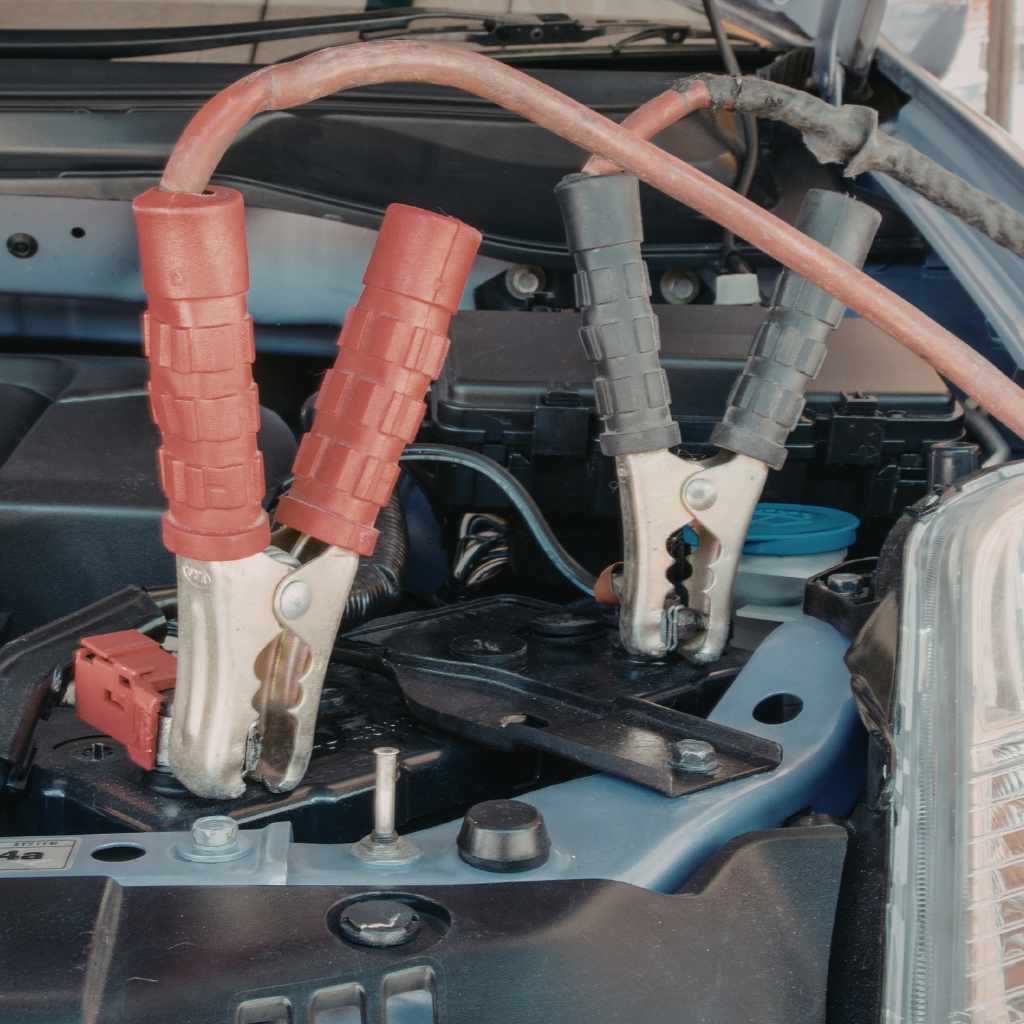
- Heavy-Duty Jumper Cables: Diesel engines need more power than gasoline engines, so use heavy-duty jumper cables designed for diesel vehicles. Ensure the cables are rated for the appropriate amperage.
- Safety Glasses and Gloves: Wear safety glasses to protect your eyes from battery acid and sparks. Gloves will protect your hands.
- Locate Batteries: Find the batteries in both vehicles. The owner’s manuals can help you. Some batteries might be located in the trunk or under a seat.
- Clean Battery Terminals (If Needed): If the terminals have corrosion, clean them with a wire brush or a terminal cleaner for a good connection.
- Check for Hazards: Make sure the work area is clear of flammable materials and is well-ventilated. This reduces the risk of explosions.
Connecting the Jumper Cables
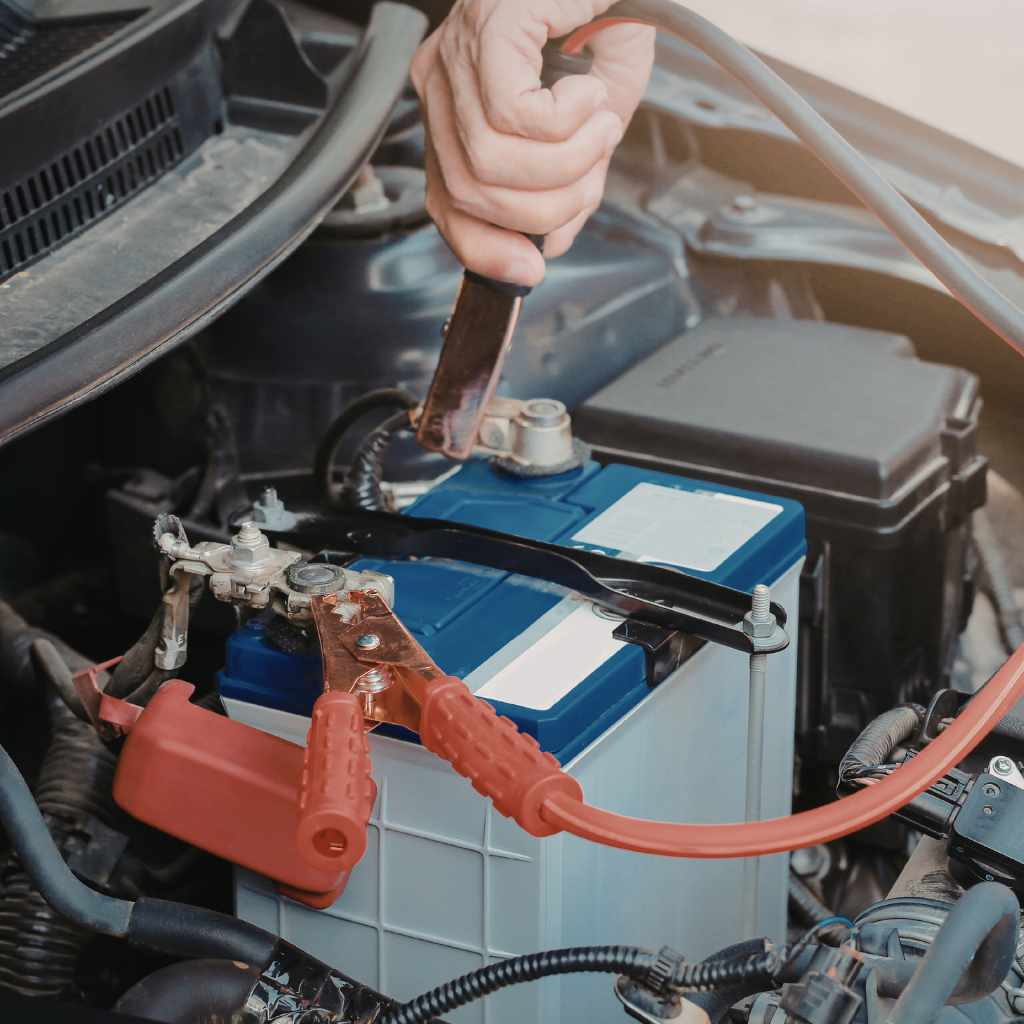
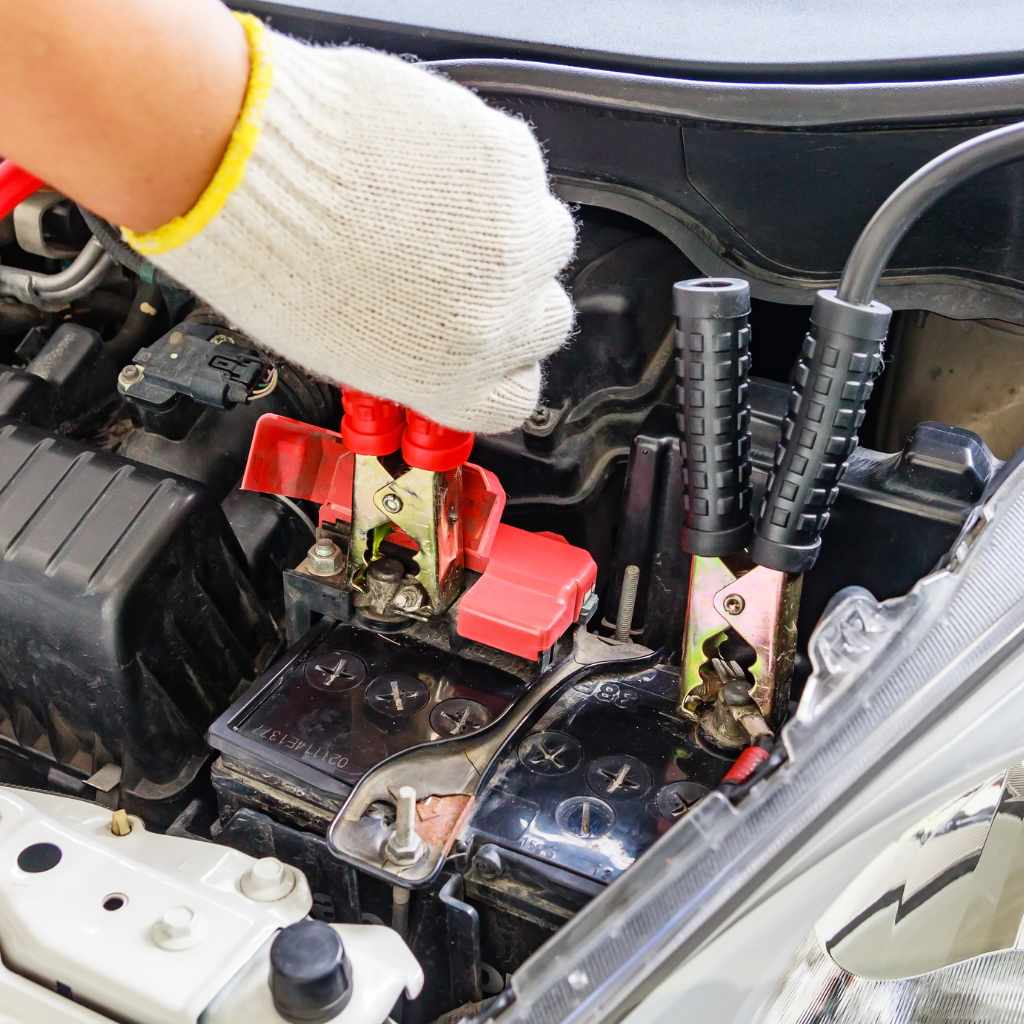
The first step involves connecting the jumper cables correctly to ensure the vehicles can safely share electrical power. Start by connecting the red (positive) cable to the positive (+) terminal of the dead battery. Then, connect the other end of the red cable to the positive (+) terminal of the working battery. Next, connect the black (negative) cable to the negative (-) terminal of the working battery. The final connection is to a metal, unpainted surface on the disabled car. This surface should be away from the battery to prevent any potential sparks from igniting flammable gases. Make sure all connections are tight and secure. Double-check your connections before moving to the next step, ensuring that the positive and negative cables are connected to the correct terminals on each battery.
- Connect Positive Cables: Connect the red (+) cable to the positive (+) terminal of the dead battery. Then connect the other end of the red cable to the positive (+) terminal of the working battery.
- Connect Negative Cables: Connect the black (-) cable to the negative (-) terminal of the working battery.
- Make the Final Connection: Attach the other end of the black (-) cable to a clean, unpainted metal surface on the disabled vehicle (e.g., a chassis ground or engine block), away from the battery.
- Double-Check Connections: Make sure all the clamps are securely attached to the terminals and ground. Loose connections can prevent the jump-start from working.
- Follow Instructions Carefully: The order of the connection process matters. Incorrect connections can cause sparks and damage.
Starting the Diesel Engine and Disconnecting the Cables
After the cables are connected, allow the good vehicle to run for a few minutes. This will help charge the dead battery and increase the chances of a successful start. Next, try starting the diesel engine. If it doesn’t start right away, give it another try after a couple more minutes. Once the diesel engine starts, let it run for a few minutes to stabilize and charge the battery further. Finally, disconnect the jumper cables in the reverse order.
Start by removing the black cable from the ground point of the disabled vehicle. Then, remove the black cable from the negative (-) terminal of the working battery. After that, remove the red cable from the positive (+) terminal of the working battery. Lastly, remove the red cable from the positive (+) terminal of the now-running diesel vehicle. Let the diesel vehicle run for at least 20-30 minutes. This will allow the alternator to recharge the battery.
- Start the Boosting Vehicle: Let the car with the good battery run for a few minutes to give the dead battery a little charge. This step gives the jump-start a higher chance of success.
- Attempt to Start the Diesel: Try starting the diesel engine. If it doesn’t start immediately, wait a few minutes and try again.
- Let the Engines Run: Once the diesel engine is running, let both engines run for a few minutes to stabilize the charge. This helps to prevent stalling.
-
Disconnect the Cables in Reverse Order: This process helps to minimize the chances of any short circuits.
- Black cable from the disabled car’s ground.
- Black cable from the good car’s negative terminal.
- Red cable from the good car’s positive terminal.
- Red cable from the diesel car’s positive terminal.
- Allow the Diesel to Run: After disconnecting the cables, let the diesel vehicle run for at least 20-30 minutes to allow the alternator to fully charge the battery. This ensures the battery is ready.
Potential Problems and Troubleshooting
Even when you follow the steps correctly, jump-starting a diesel engine can sometimes present challenges. A few common issues can prevent the engine from starting, or create safety problems. If the engine won’t start after several attempts, it may indicate a deeper problem with the battery or the starter. In these cases, it might be necessary to get help from a professional mechanic. Another common problem is a reverse polarity situation. This can happen if the jumper cables are accidentally connected in reverse. This could potentially damage the electrical systems of both vehicles and possibly the batteries themselves. Addressing these potential issues is key to having a safe and successful jump-start.
Engine Won’t Start: Common Causes and Solutions
If the diesel engine doesn’t start, several factors might be at play. The most common is a very weak or damaged battery. In such cases, the battery may not be able to hold a charge, or it might be damaged beyond repair. Another issue could be the starter motor. If the starter motor is faulty, it will not be able to turn the engine over. You should also check for any loose connections in the starting system, including corrosion. Try making sure all the connections are firm and clean. Sometimes, the issue could also be with the fuel system. If there’s a problem with fuel delivery, the engine will not start, no matter how good the battery is. If you’ve tried all the options, a mechanic can help diagnose and fix these problems.
- Weak or Dead Battery: The battery might not be holding a charge. If this happens, a new battery may be needed.
- Faulty Starter Motor: A broken starter motor can prevent the engine from turning over. Getting it fixed or replaced will solve the issue.
- Loose Connections: Loose or corroded connections can interrupt the flow of electricity. Clean and tighten connections.
- Fuel System Problems: If fuel isn’t reaching the engine, it won’t start. This could be due to a clogged fuel filter or a faulty fuel pump.
- Glow Plug Issues: In colder weather, glow plugs are essential for starting a diesel. Faulty glow plugs can make starting hard.
Dealing with Reverse Polarity and Electrical Issues
One of the most concerning problems during a jump-start is reverse polarity. This means the jumper cables are connected incorrectly, with the positive and negative terminals reversed. This can severely damage the electrical systems of both vehicles, including the batteries, alternators, and other sensitive electronic components. If you see sparks when connecting the cables, immediately disconnect them. You should double-check your connections to ensure they’re correct before trying again. Another electrical issue can include blown fuses. Overloading the electrical system during a jump-start can blow fuses. This can stop other systems from working correctly. Always inspect the fuses and replace any that are blown. Contacting a mechanic should be your next move if electrical damage is suspected.
- Immediate Disconnect If Sparks: If you see sparks, disconnect the cables immediately. This is a sign of a short circuit.
- Check for Blown Fuses: Use a fuse tester to check and replace any blown fuses in either vehicle. Fuses can blow if there is an overload.
- Battery Damage: Reverse polarity can damage batteries, causing them to bulge or leak. If you see signs of battery damage, replace the battery.
- Alternator Issues: An incorrect jump-start can harm the alternator, leading to charging issues. A mechanic will check it.
- Seek Professional Help: If you suspect any electrical damage, consult a mechanic. They can diagnose and repair the damage.
Alternative Methods for Starting a Diesel Engine
If jump-starting isn’t an option, or if the situation requires additional solutions, other methods are available. A portable jump starter is a safe and convenient option. These are self-contained power packs that can be used without another vehicle. They are a valuable tool for anyone who drives a diesel vehicle. Another option is a battery charger. These devices can slowly charge a dead battery over time. This can be a practical solution if you have time. Additionally, learning how to recognize the signs of a failing battery can help avoid starting issues. With these backup methods, you’ll be prepared for any situation.
Using a Portable Jump Starter
A portable jump starter is a compact device containing a rechargeable battery. This device provides a safe and easy way to start a dead diesel engine. These devices are especially useful for anyone who doesn’t have another car available to jump-start with. They are portable, so you can keep one in your vehicle for emergencies. To use a portable jump starter, connect the cables to the dead battery, following the same procedure as a jump-start from another car.
Always pay attention to the polarity and ensure that the positive and negative clamps are correctly attached. Once connected, turn on the jump starter and attempt to start the engine. After the engine starts, remove the jump starter cables in reverse order. The portable jump starter is then recharged for future use. Portable jump starters also often have features like built-in lights and USB ports.
- Self-Contained Power Source: Provides its own power, eliminating the need for another vehicle. Great for emergencies.
- Easy to Use: Connect the clamps to the battery terminals, turn it on, and start the engine. Simple instructions.
- Portable and Convenient: Easy to store in your car, truck, or even a motorcycle. Always have a backup power source.
- Safe Design: Most have built-in safety features. These protect against reverse polarity, overcharging, and short circuits.
- Additional Features: Many come with built-in USB ports for charging phones. Some also have LED lights for use in low-light situations.
Using a Battery Charger
A battery charger is another useful tool for managing battery issues and an alternative to jump-starting. A battery charger can restore a battery’s charge over time. Battery chargers connect to the battery terminals and supply a controlled electrical current. This process slowly charges the battery without risking damage. They are very useful if you have access to an electrical outlet and have time to let the battery charge. Battery chargers come in various types. Some are “trickle chargers,” and they charge at a low rate. Others are fast chargers and can charge the battery more quickly.
Always choose a charger that’s appropriate for your battery type. The charger will indicate when the charging is complete. Battery chargers help extend the life of your battery and prevent future starting problems. They are a good investment for anyone who owns a car.
- Slow and Steady Charging: Charges the battery gradually, which is gentler on the battery and extends its life. Less risk of damage.
- Suitable for Various Battery Types: Battery chargers are made for different types of batteries. Check your battery needs.
- Prevents Battery Sulfation: Helps to prevent battery sulfation. This helps keep the battery working and extend the useful life.
- Automatic Shut-Off: Many chargers have automatic shut-off features. This helps to prevent overcharging.
- Convenient for Long-Term Storage: They are helpful for vehicles that are stored for long periods. Keeps the battery ready.
Recognizing the Signs of a Failing Battery
Recognizing the signs of a failing battery will prevent you from being caught by surprise with a dead battery. One of the clearest signs is slow engine cranking. If the engine takes a long time to start, it’s a possible indication the battery is failing. Another warning sign is dim headlights. If your headlights are noticeably dimmer than usual, this may show the battery can’t provide enough power. You should also look for visual signs of battery damage, such as swelling, cracks, or leaks. A swollen or leaking battery needs replacement for safety reasons.
You might also encounter frequent jump-starts. If you frequently need to jump-start your vehicle, the battery likely can’t hold a charge. Also, your car’s electrical systems may start to act strangely, such as the radio shutting off or the power windows working slowly. Recognizing these signs early allows you to get a replacement battery before it becomes a major problem.
- Slow Engine Cranking: If the engine takes longer than usual to start, the battery may be losing its power.
- Dim Headlights: Dimmer than usual headlights are a sign the battery is not producing enough electricity.
- Swelling or Leaking: Any visual damage to the battery indicates that it needs immediate attention and possibly replacement.
- Frequent Jump Starts: Needing jump starts regularly means the battery is likely no longer holding a charge.
- Electrical Issues: Power windows or the radio not working correctly can indicate the battery’s issue. This can be easily solved with a new battery.
Frequently Asked Questions
Question: What’s the main difference when jump-starting a diesel compared to a gasoline engine?
Answer: Diesel engines require a significantly higher initial power surge to start due to the compression-ignition process. This means a more powerful battery and heavy-duty jumper cables are crucial when jump-starting a diesel engine, whereas gasoline engines generally have lower power demands.
Question: Can I jump-start a diesel engine with a regular car?
Answer: Technically, yes, you can, but it is not ideal and may not be successful. A car with a smaller battery may not provide enough power to start the diesel. It is safer to use a vehicle with a similar or larger battery capacity and to let the boosting vehicle run for a few minutes before starting the diesel.
Question: What should I do if the diesel engine still won’t start after jump-starting?
Answer: If the engine doesn’t start, ensure all connections are secure and the boosting car is running. If still no success, there might be a problem with the battery, starter, fuel system, or glow plugs. Seek assistance from a mechanic.
Question: Is it safe to jump-start a diesel engine in cold weather?
Answer: Yes, but keep in mind that cold weather increases the demand on the battery. Ensure that you allow the boosting vehicle to run for a few minutes before attempting to start the diesel. Consider glow plugs to help start the diesel, as well.
Question: How long should the diesel engine run after jump-starting?
Answer: After a successful jump-start, let the diesel engine run for at least 20-30 minutes to allow the alternator to recharge the battery fully. This helps to prevent future starting issues.
Final Thoughts
You now have a solid understanding of how to How to Jump-Start a Diesel With a Car Safely. You know the special needs of diesel engines, the importance of safety steps, and how to connect the cables correctly. You also know what to do if you have problems. You are prepared to handle jump-starting with more confidence. Remember to always prioritize safety, make sure connections are secure, and never hesitate to seek professional help if needed. By following these steps and remembering these important tips, you can efficiently and safely restore power to your diesel engine. Go out there, stay safe, and be prepared for anything!