How to Keep Car Floor Mats from Sliding
Hey there, fellow car enthusiast! If you’ve ever stepped into your car only to feel your floor mat slide out from under you, you know how frustrating it can be. It’s not just annoying—it can be a safety hazard, too. I’ve spent years tinkering with my cars, from my trusty old sedan to my current SUV, and I’ve dealt with this slippery problem more times than I’d like to admit. Keeping your car floor mats in place is easier than you might think, and I’m excited to share everything I’ve learned. Whether you’re a daily commuter or a weekend road-tripper, this guide will help you keep those mats secure, your car clean, and your driving experience safe. Let’s dive in!
Why Do Car Floor Mats Slide?
I remember the first time I noticed my floor mats sliding around. I’d just cleaned my car, and every time I pressed the brake, the mat would bunch up under my feet. It was maddening! But why does this happen? Floor mats slide for a few reasons. Over time, the underside of mats can wear out, losing their grip. Dirt, spills, or even the wrong type of mat for your car’s floor can make things worse. Some cars come with mats that don’t fit snugly, especially if you’re using universal mats instead of custom ones.
And let’s not forget about those little clips or hooks that are supposed to hold mats in place—sometimes they’re missing or broken. Understanding why your mats are sliding is the first step to fixing the problem, so let’s explore how to tackle it.
Choosing the Right Floor Mats
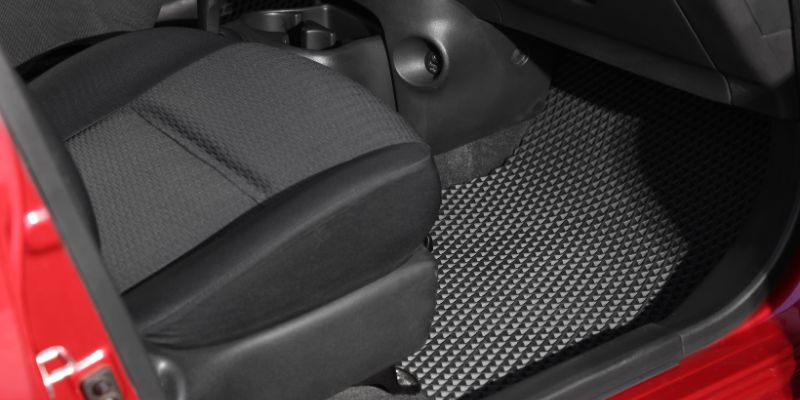
One of the biggest lessons I’ve learned is that not all floor mats are created equal. When I bought my first car, I grabbed a cheap set of universal mats from a big-box store. Big mistake! They didn’t fit right, and they slid all over the place. If you want mats that stay put, you need to pick the right ones for your car. Custom-fit mats are designed for your specific vehicle’s make and model, so they hug the floor perfectly. Brands like WeatherTech or Husky Liners are great because they’re made to match your car’s contours. If you’re on a budget, universal mats can work, but make sure they’re close to your car’s floor size.
Another thing to consider is the material. Rubber mats tend to grip better than carpet ones, especially in wet or snowy conditions. I live in a place where it rains a lot, so I switched to heavy-duty rubber mats, and they’ve been a game-changer. Also, check if the mats have nibs or spikes on the underside—these dig into your car’s carpet to keep them in place. If your car has factory-installed hooks or clips, make sure the mats have holes or loops to attach to them. Choosing the right mat sets the foundation for a slide-free experience.
Using Factory Anchors and Clips
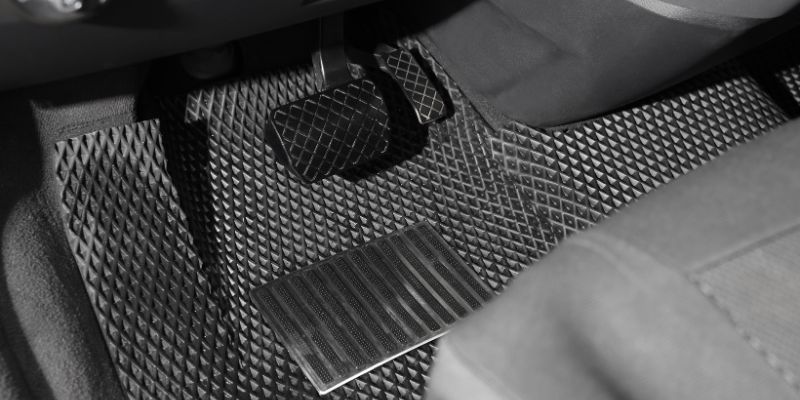
Most cars come with built-in anchors or clips to hold floor mats in place. I didn’t even notice these in my first car until I started digging into why my mats wouldn’t stay put. These anchors are usually small hooks or posts on the car’s floor that connect to holes or loops on the mat. If your car has them, use them! They’re one of the easiest ways to keep mats secure. Check your mats to see if they have pre-cut holes or grommets. If they don’t, you might need to buy mats designed for your car or carefully cut holes to match the anchors.
If your car’s anchors are missing or broken, don’t worry. You can buy replacement clips from your car’s manufacturer or aftermarket brands. I once had to replace a missing clip on my driver’s side mat, and it was a quick fix that made a huge difference. Just make sure the clips match your car’s make and model. Installing them is usually as simple as snapping them into place. If you’re not sure where to start, your car’s manual or a quick call to the dealership can point you in the right direction.
Adding Aftermarket Fasteners
Sometimes, factory anchors just aren’t enough, or maybe your car doesn’t have them at all. That’s when aftermarket fasteners come in handy. I’ve tried a few different types, and they’re a lifesaver. Velcro strips are one of my favorites. You can stick one side to the underside of the mat and the other to your car’s carpet. They hold tight but are easy to remove when you need to clean the mats. Another option is double-sided carpet tape. It’s super sticky and works well, but it can leave residue if you’re not careful.
For a more permanent solution, you can use mat clips or grippers that screw into the car’s floor. These are great for heavy-duty mats, but you’ll need to be comfortable drilling small holes into your car’s carpet. I was nervous about doing this at first, but it’s not as scary as it sounds, and it keeps the mats locked in place. Whatever fastener you choose, make sure it’s compatible with your car’s flooring and won’t damage it. Here’s a quick comparison of some popular options:
| Fastener Type | Pros | Cons | Best For |
|---|---|---|---|
| Velcro Strips | Easy to install, removable, reusable | May lose stickiness over time | Carpeted floors, temporary fix |
| Double-Sided Carpet Tape | Strong hold, affordable | Can leave residue, hard to reposition | Budget-friendly, quick solution |
| Screw-In Mat Clips | Extremely secure, durable | Requires drilling, permanent | Heavy-duty mats, permanent fix |
Regular Cleaning and Maintenance
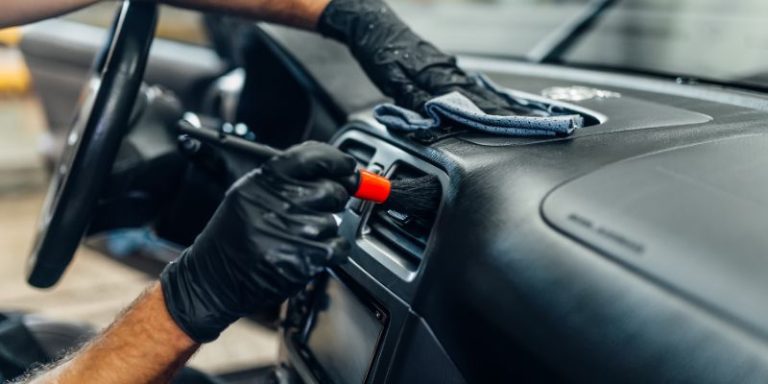
I can’t stress this enough: keeping your mats and car floor clean makes a huge difference. Dirt, sand, and grime can build up under your mats, making them slippery. I learned this the hard way after a beach trip left my mats sliding on a layer of sand. Now, I make it a habit to clean my mats regularly. For rubber mats, I just hose them down and scrub with a mild soap. Carpet mats need a good vacuum and maybe a carpet cleaner for tough stains.
Don’t forget to clean the car’s floor underneath the mats, too. Vacuum up any debris, and if you’re using Velcro or tape, check that it’s still sticky. If your mats are starting to wear out, replace them before they become a hazard. I usually inspect mine every few months, especially after winter when salt and mud can do a number on them. A little maintenance goes a long way in keeping those mats in place.
Using Non-Slip Pads or Liners
If you’re looking for a quick and affordable fix, non-slip pads or liners are a great option. I discovered these when I was trying to make a set of universal mats work in my old car. Non-slip pads are thin, grippy sheets you place under your mats. They’re usually made of rubber or a similar material that sticks to both the mat and the car’s floor. You can find them at auto stores or online, and they’re easy to cut to size.
I’ve also tried shelf liners—the kind you’d use in a kitchen drawer. They’re surprisingly effective and super cheap. Just make sure to get a non-adhesive version so you don’t damage your car’s carpet. These pads add extra grip without any permanent changes to your car. The only downside is they can shift slightly over time, so you might need to readjust them every now and then. Still, they’re a great temporary solution or a backup for other methods.
Adjusting Driving Habits
This one might sound odd, but hear me out: how you drive can affect whether your mats slide. I noticed my driver’s side mat would bunch up because I was constantly shifting my feet while driving. Being mindful of how you move your feet can help. Try to keep your heels planted and avoid dragging your feet across the mat. If you’re pressing hard on the pedals, especially during aggressive driving, it can push the mat out of place.
I also found that keeping my shoes clean helps. Muddy or wet shoes can make the mat’s surface slippery, which makes it harder for the mat to stay put. A quick wipe of your shoes before getting in can make a difference. It’s not a complete fix, but combining good driving habits with other solutions like clips or non-slip pads can keep your mats where they belong.
Installing Custom-Fit Floor Liners
If you’re ready to invest a bit more, custom-fit floor liners are the ultimate solution. I upgraded to a set of WeatherTech liners a couple of years ago, and I haven’t looked back. Unlike regular mats, these liners are molded to fit your car’s floor exactly, covering every nook and cranny. They’re usually made of heavy-duty rubber or plastic, so they’re heavier and less likely to slide. Many come with built-in channels to trap water and dirt, which is a bonus if you live in a messy climate.
The best part? Most custom liners have built-in attachment points for your car’s factory anchors. They’re pricier than universal mats, but they’re worth it for the peace of mind. Installation is a breeze—just pop them in, clip them to the anchors, and you’re good to go. If you’re considering this option, measure your car’s floor to double-check the fit, and read reviews to find a brand that works for your vehicle.
DIY Solutions for Extra Grip
I love a good DIY project, and keeping floor mats in place is no exception. One trick I’ve tried is adding grip tape to the underside of my mats. You can find this at hardware stores—it’s the same stuff used on stairs to prevent slipping. Cut it into strips and stick it to the bottom of your mats. It adds extra traction without being too permanent. Just be careful not to use anything too abrasive that could damage your car’s carpet.
Another DIY fix is sewing or gluing Velcro patches onto your mats. I did this with an old set of carpet mats, and it worked like a charm. If you’re handy with a needle and thread, you can sew the Velcro directly onto the mat. Otherwise, use heavy-duty adhesive to stick it on. These little hacks can save you money and keep your mats secure until you’re ready to invest in something more permanent.
Checking for Wear and Tear
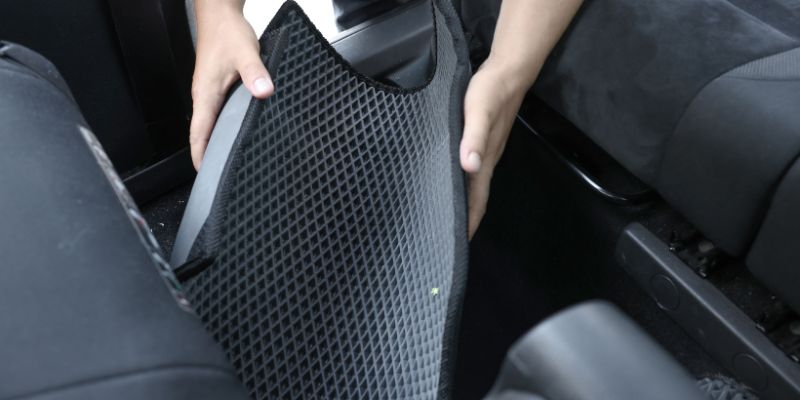
Over time, even the best mats can wear out. I had a set of rubber mats that started sliding after a couple of years because the nibs on the underside had worn down. Inspect your mats regularly for signs of wear, like frayed edges, flattened nibs, or stretched-out holes where they attach to anchors. If the mat’s backing is peeling or the material is breaking down, it’s time to replace them.
Also, check your car’s carpet for damage. Worn-out carpet can make it harder for mats to grip. If you notice any issues, consider replacing the carpet or using a liner to cover it. Keeping both your mats and your car’s floor in good shape is key to preventing sliding.
Conclusion
Keeping your car floor mats from sliding doesn’t have to be a headache. I’ve been through the trial and error, from cheap universal mats to custom-fit liners, and I can tell you that a combination of the right mats, proper fasteners, and regular maintenance makes all the difference. Whether you go for a quick fix like non-slip pads or invest in heavy-duty liners, the goal is to keep your car safe, clean, and comfortable. It’s about creating a driving experience you can enjoy without worrying about a rogue mat under your feet. So, take a moment to check your mats, try out some of these tips, and hit the road with confidence. Your car—and your passengers—will thank you!
Frequently Asked Questions
How often should I clean my car floor mats?
I clean my mats every month or so, but it depends on your environment. If you live in a muddy or snowy area, you might need to clean them more often. Regular vacuuming for carpet mats or hosing down rubber mats keeps them grippy and prevents sliding.
Can I use universal mats instead of custom-fit ones?
Yes, universal mats can work, but they’re not as secure as custom-fit ones. I’ve used them in a pinch, but they often need extra fasteners like Velcro or clips to stay in place. If you go this route, measure your car’s floor to get the closest fit possible.
Are rubber mats better than carpet mats for preventing sliding?
In my experience, rubber mats grip better, especially in wet conditions. They’re heavier and often have spikes or nibs on the underside that dig into the carpet. Carpet mats can work if they’re designed for your car and have good backing, but they’re trickier to keep in place.
What should I do if my car doesn’t have floor mat anchors?
No anchors? No problem! I’ve used Velcro strips or non-slip pads to keep mats in place in cars without anchors. You can also buy aftermarket clips that screw into the floor for a more permanent fix. Just make sure whatever you use won’t damage your car’s carpet.
Can I cut holes in my mats to fit factory anchors?
Yes, but be careful! I’ve done this with a pair of mats, and it worked fine. Use a sharp utility knife and measure twice to make sure the holes line up with the anchors. If you’re not confident, consider buying mats with pre-cut holes for your car’s make and model.