How to Keep Your Car Battery Charged Longer
Keeping your car battery healthy can sometimes feel tricky, especially if you’re new to car care. You want your car to start every time, right? A dead battery is a frustrating problem for anyone.
This guide will make it easy. We will walk you through simple steps to help you figure out how to keep your car battery charged longer. You’ll learn straightforward tips to keep your car running smoothly and avoid unexpected stops.
Understanding Car Battery Basics
This section will explain how car batteries work and why they need to stay charged. We’ll cover what a car battery does and the main reasons it can lose its power. Understanding these basics is the first step to taking good care of your battery and making it last.
What Your Car Battery Does
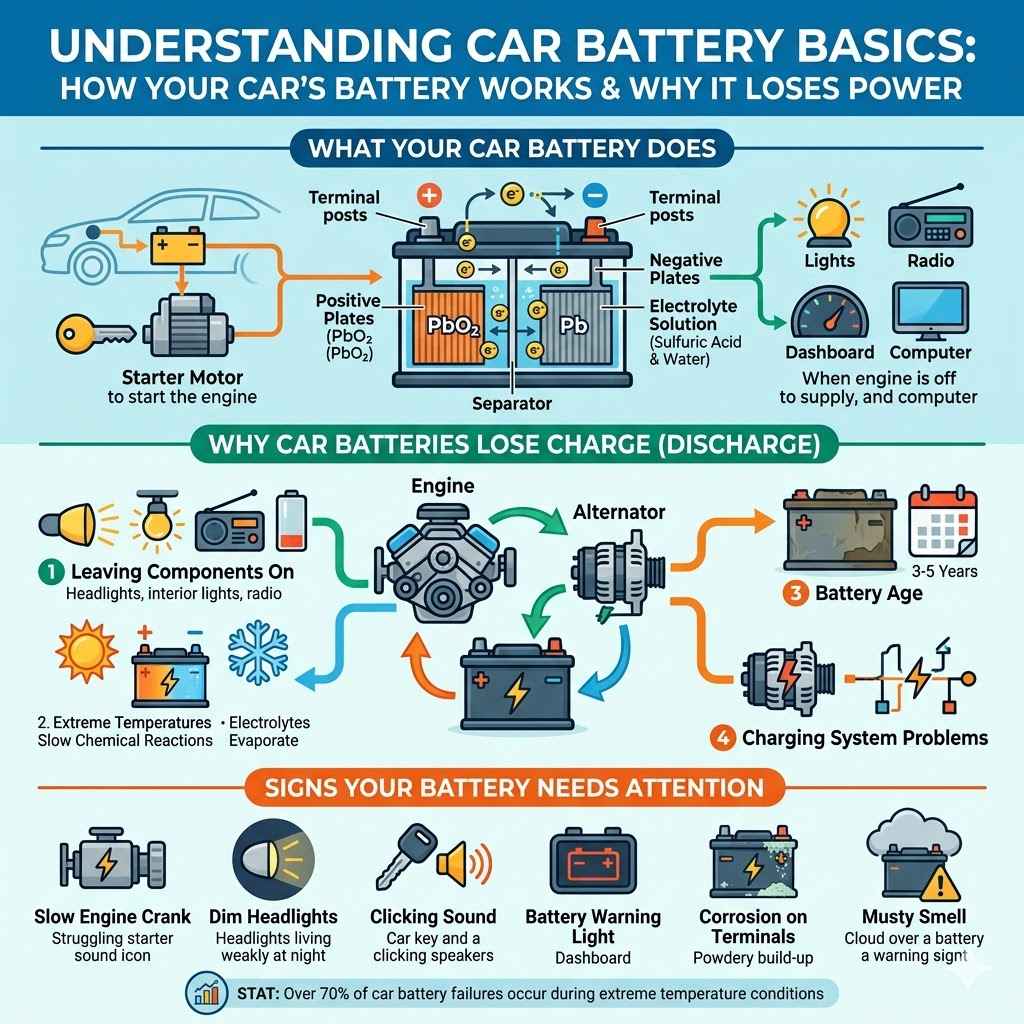
Your car battery is like the heart of your vehicle. It stores electrical energy. This energy powers your car’s starter motor when you turn the key or push the start button.
Without enough charge, the starter won’t have the power to crank the engine. The battery also supplies electricity to all the car’s electronic systems when the engine is off. This includes lights, the radio, the alarm system, and the car’s computer.
A typical car battery is a lead-acid battery. It uses a chemical reaction to produce electricity. It has positive and negative plates submerged in an electrolyte solution.
When the engine is running, the alternator recharges the battery. This keeps the chemical reaction going and ensures there’s always power available.
A healthy battery has a voltage that stays stable. When the voltage drops, it means the battery is losing its charge. This can happen for many reasons.
Some are simple, like leaving lights on. Others are more complex, like issues with the charging system.
Why Car Batteries Lose Charge
Car batteries lose charge for several common reasons. One of the most frequent is simply leaving electrical devices on when the engine is off. This includes headlights, interior lights, or even the radio.
These components draw power from the battery. If the engine isn’t running to recharge it, the battery’s charge will drain.
Extreme temperatures also affect battery performance. Very cold weather can slow down the chemical reactions inside the battery, making it harder to start the engine. Hot weather can cause the electrolyte to evaporate faster, which can damage the battery over time.
This is why batteries sometimes fail in the middle of winter or summer.
Another major reason is age. Car batteries don’t last forever. Most car batteries have a lifespan of about 3 to 5 years.
As they get older, their ability to hold a charge diminishes. The internal components wear out, reducing their capacity.
Finally, problems with the car’s charging system can prevent the battery from getting recharged properly. This could be a faulty alternator or issues with the battery’s wiring. If the alternator isn’t working well, it won’t put enough electricity back into the battery while you drive.
Signs Your Battery Needs Attention
Pay attention to these signs. A slow engine crank when you start your car is a common indicator. The engine might sound like it’s struggling to turn over.
You might also notice dim headlights. This is especially visible at night. If the lights get brighter when you rev the engine, it suggests the alternator is working, but the battery might be weak.
A clicking sound when you try to start the car is another sign. This usually means the battery doesn’t have enough power to engage the starter motor. A battery warning light on your dashboard is also a clear signal.
This light often looks like a battery symbol.
Corrosion on the battery terminals is another issue. This looks like a powdery, white or blue substance around the battery posts. It can prevent a good electrical connection.
A musty smell coming from under the hood could mean the battery is overheating or leaking, which is a serious problem.
Many car owners experience these issues. For instance, statistics show that around 70% of car battery failures happen during extreme temperatures. This highlights how important it is to monitor your battery’s health, especially during seasonal changes.
By recognizing these signs early, you can often prevent a breakdown.
Simple Steps to Maximize Battery Life
Taking care of your car battery doesn’t require advanced mechanical skills. With a few simple habits, you can significantly extend its life. This section provides easy-to-follow advice that anyone can use.
These tips focus on preventing common issues before they become big problems.
Regular Driving Habits
One of the best ways to keep your battery charged is to drive your car regularly. Short trips, especially in cold weather, don’t give the alternator enough time to fully recharge the battery. This is because the engine uses a lot of power to start up.
If you only drive for 5-10 minutes, the alternator might not be able to put that power back.
Try to take your car for a longer drive at least once a week. Aim for at least 20-30 minutes of continuous driving. This allows the alternator to work efficiently and restore the battery to its full charge.
This is crucial for maintaining the battery’s overall health and capacity. If you can’t drive for longer periods, consider using a battery trickle charger.
Avoid making frequent short trips. If your commute is very short, you might want to combine errands into one longer trip. This helps ensure the battery gets a good recharge cycle.
Consistent driving is key to preventing the battery from sitting in a low-charge state for too long. Low charge states can damage the battery over time.
Another tip is to turn off unnecessary electronics before starting the engine. This includes the radio, air conditioning, and interior lights. Once the engine is running, you can turn these systems back on.
This reduces the initial load on the battery during startup. It’s a small habit that can make a difference in preserving battery charge.
Managing Electrical Loads
It is vital to be mindful of the electrical systems you use when the engine is not running. Modern cars have many electronics that can drain the battery. These include infotainment systems, USB charging ports, and even smart key fobs that are always searching for a signal.
Always double-check that you have turned off all lights, both inside and outside the car, before leaving it. Headlights left on overnight are a classic way to drain a battery completely. Many cars have a feature that automatically turns off headlights after a set time, but it’s good to confirm.
Interior lights are also a common culprit; make sure they are set to turn off when the door is closed.
When parking for extended periods, try to minimize accessory usage. Avoid listening to the radio for long stretches with the engine off. If you need to charge your phone or other devices, do so while the engine is running, if possible.
This way, the alternator is providing the power, not just the battery.
For vehicles that sit for long periods, a battery trickle charger is a wise investment. A trickle charger maintains a low, constant charge to the battery, preventing deep discharge. This is especially helpful for classic cars, RVs, or any vehicle that isn’t used daily.
It ensures the battery stays healthy and ready to go.
Protecting Your Battery from the Elements
Temperature plays a big role in battery health. Extreme heat can cause the battery’s internal components to degrade faster. It can also lead to the evaporation of the electrolyte, which is a vital part of the battery’s chemistry.
In hot climates, parking in shaded areas or a garage can help keep the battery cooler.
Cold weather is also tough on batteries. In freezing temperatures, the battery’s capacity is reduced. The chemical reactions that produce power slow down.
This means it takes more power to start the engine, and the battery has less power available. Cold can also freeze a discharged battery, which can cause it to crack and leak.
To protect against heat, ensure your battery is clean and free of corrosion. Heat accelerates the corrosion process. Regular cleaning of the battery terminals can help.
Some batteries also have vent caps that allow you to check and replenish the electrolyte level if needed. However, most modern batteries are “maintenance-free” and do not require this.
In cold weather, ensure your battery is fully charged. A fully charged battery is more resistant to freezing. If you live in an area with very cold winters, consider having your battery tested before the season starts.
A battery that’s already weak will struggle even more in the cold. Using a battery blanket or warmer can also help in extreme cold.
Advanced Tips for Battery Longevity
Beyond regular driving habits, there are other proactive steps you can take to extend your car battery’s life. These methods involve checking the battery’s condition and ensuring your car’s charging system is working correctly. They might seem a bit more involved, but they offer significant benefits.
Battery Testing and Maintenance
Regularly testing your car battery is a key part of proactive maintenance. Most auto parts stores offer free battery testing. They can check the battery’s voltage and its cold-cranking amps (CCA), which is a measure of its starting power.
This testing can reveal if your battery is weakening before it fails.
You can also check the battery yourself. Look for any visible damage, such as cracks in the casing or swelling. Check the battery terminals for corrosion.
If you see white or bluish powdery buildup, it needs to be cleaned. You can clean terminals with a wire brush and a mixture of baking soda and water. Always wear gloves and eye protection when working with car batteries.
Ensure battery cables are tight. Loose connections can cause poor electrical flow and prevent the battery from charging properly. A voltage test using a multimeter can also be done.
With the engine off, a healthy battery should read around 12.6 volts. While the engine is running, this reading should increase to about 13.7 to 14.7 volts, indicating the alternator is charging it.
If your battery is not “maintenance-free” and has removable caps, you can check the electrolyte levels. Use distilled water to top up cells if they are low. Never use tap water, as minerals in it can damage the battery.
Proper maintenance ensures the battery can perform at its best.
Checking Your Car’s Charging System
A healthy car battery depends on a working charging system. The alternator is the main component of this system. It generates electricity to run the car and recharge the battery as you drive.
If the alternator is failing, it won’t provide enough power, and the battery will eventually die.
Signs of a failing alternator include dimming headlights, especially when you’re not accelerating. You might also notice a whining noise coming from the engine area, which can indicate worn bearings in the alternator. A battery warning light on the dashboard is also a strong indicator of charging system problems.
Sometimes, this light might flicker before staying on.
A mechanic can test your alternator’s output to ensure it’s functioning correctly. They will check the voltage and amperage it produces. If the alternator is not producing enough power, it will need to be repaired or replaced.
This is a critical step in ensuring your battery gets the charge it needs.
Beyond the alternator, there are other parts of the charging system. These include the voltage regulator and the drive belt. The voltage regulator controls the amount of voltage the alternator sends to the battery.
The drive belt spins the alternator. If the belt is loose or worn, it can cause problems. Ensuring all these components are in good condition is vital for battery longevity.
Understanding Battery Age and Replacement
Car batteries have a limited lifespan. Most last between 3 to 5 years, depending on usage, climate, and maintenance. Even with the best care, a battery will eventually degrade.
Its ability to hold a charge will decrease, and it will become less reliable.
It is good practice to have your battery tested annually, especially as it approaches the 3-year mark. This allows you to identify a weakening battery early. Replacing a battery before it fails can save you from being stranded.
When it’s time for a replacement, choose a battery that meets or exceeds your car manufacturer’s specifications.
The size and type of battery matter. Ensure the new battery has the correct physical dimensions to fit in your car’s battery tray. Also, check its CCA rating.
A battery with a higher CCA rating can provide more power for starting, which is especially useful in colder climates. Your car’s owner’s manual or an auto parts store can help you find the right replacement.
Consider the warranty when buying a new battery. Many batteries come with warranties ranging from 1 to 5 years. A longer warranty can offer peace of mind.
Properly disposing of your old battery is also important. Most places that sell car batteries will accept your old one for recycling.
Using a Battery Tender or Trickle Charger
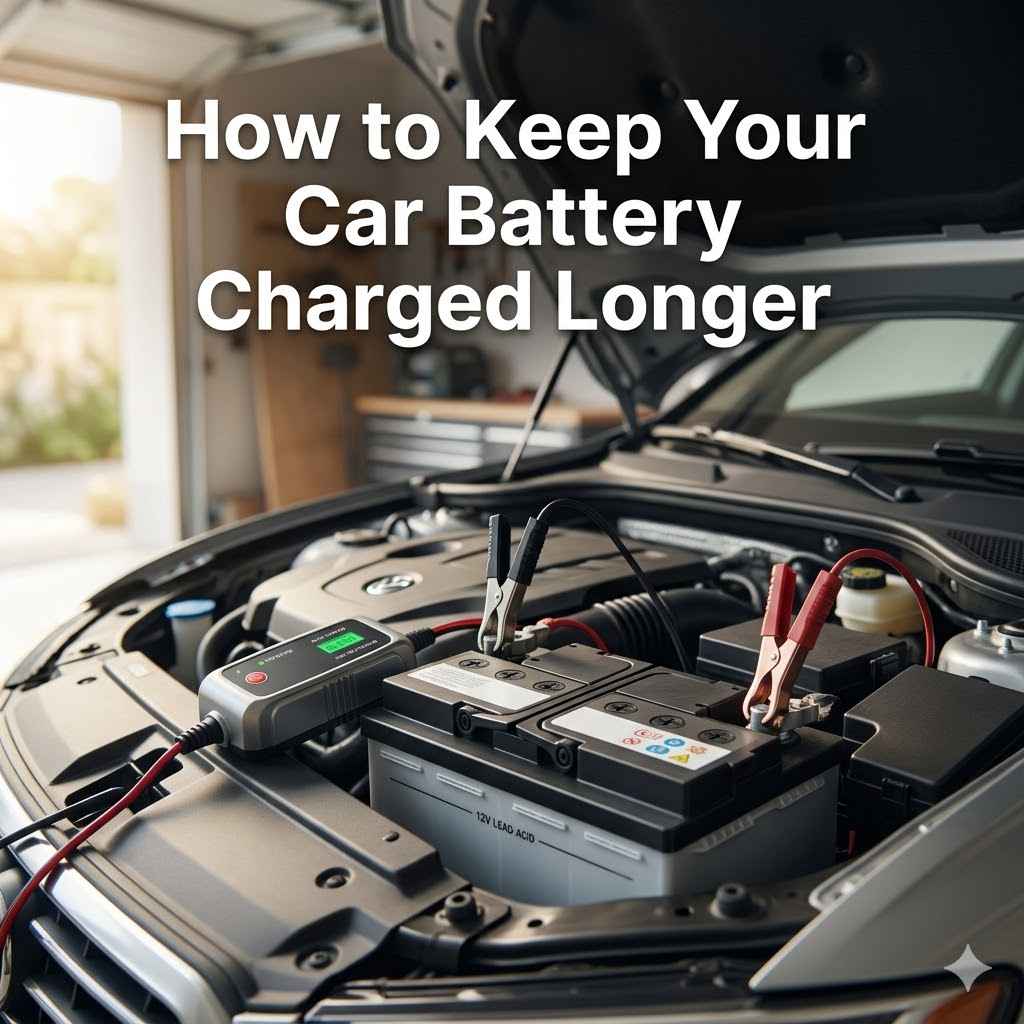
If your car is often parked for extended periods, a battery tender or trickle charger can be a lifesaver. These devices are designed to keep your battery fully charged without overcharging it. They are especially useful for vehicles that are not driven daily, like classic cars, motorcycles, or seasonal vehicles.
A trickle charger or battery tender provides a very low, continuous charge to the battery. It monitors the battery’s voltage and only sends power when needed. This prevents the battery from discharging over time.
A discharged battery can suffer permanent damage. This damage reduces its capacity and lifespan.
Using one is straightforward. You connect the charger to the battery terminals, just like you would for a jump start. Then, you plug the charger into a standard wall outlet.
Most modern tenders are “smart” chargers, meaning they automatically adjust the charging rate. They also have built-in safety features to prevent overcharging.
Investing in a quality battery tender can save you money in the long run. It helps prevent premature battery failure and ensures your vehicle is ready to start when you need it. It’s a small device that provides significant benefits for battery health, especially if your car sits idle often.
It’s a great way to maintain that charge.
Troubleshooting Common Battery Issues
Even with the best care, you might encounter battery problems. This section covers common issues and how to address them. It provides practical solutions for situations that may arise, helping you get back on the road quickly.
Jump Starting Your Car
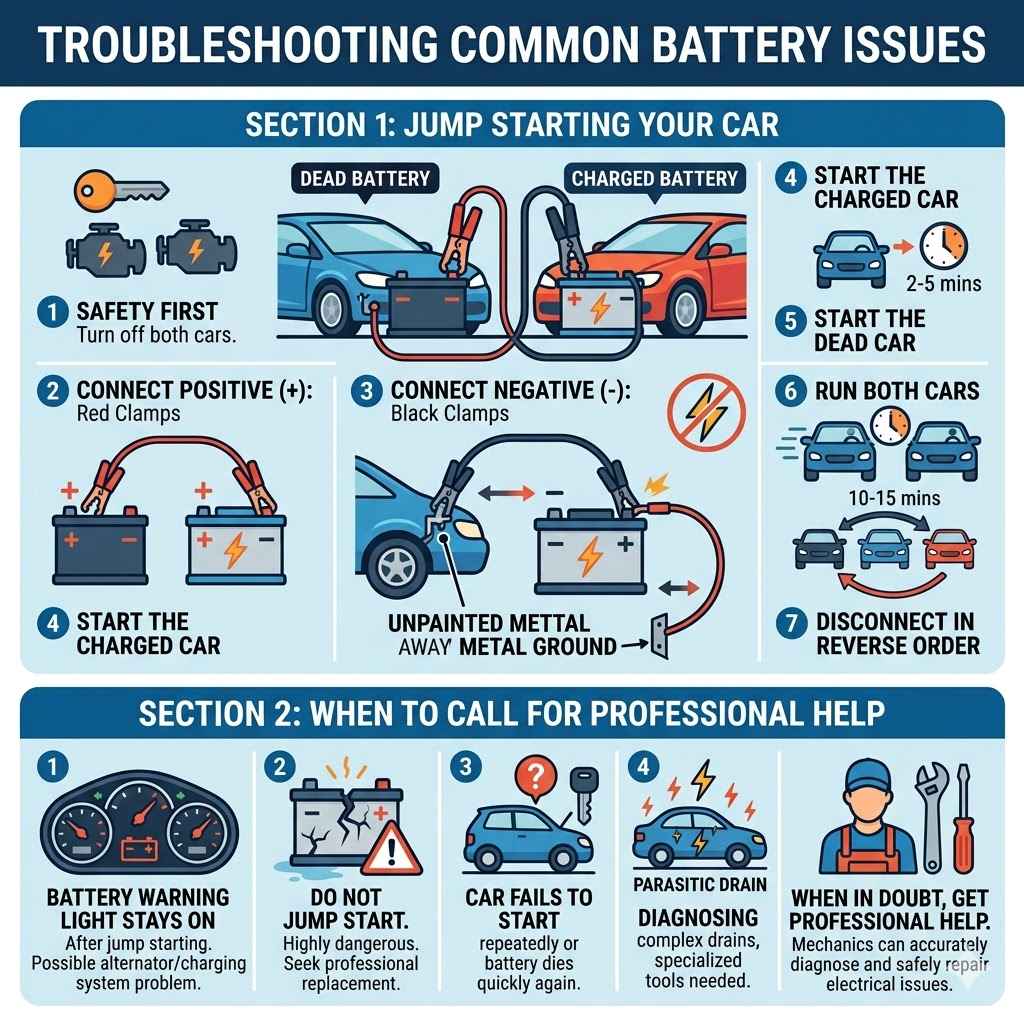
If your car battery is dead, you may need to jump start it. This involves using jumper cables and another car with a charged battery. Ensure both cars are turned off before connecting the cables.
Connect the red positive (+) clamp to the positive terminal of the dead battery. Then, connect the other red clamp to the positive terminal of the good battery.
Next, connect the black negative (-) clamp to the negative terminal of the good battery. Finally, connect the other black clamp to an unpainted metal part of the car with the dead battery, away from the battery itself. This is usually a metal bracket or engine block.
This connection point is called a ground and helps prevent sparks.
Start the car with the good battery and let it run for a few minutes. Then, try to start the car with the dead battery. If it starts, let both cars run for about 10-15 minutes to allow the alternator to charge the dead battery.
Once both cars are running, disconnect the cables in the reverse order of connection. Remove the black clamp from the ground point first, then from the good battery. Finally, remove the red clamps from both batteries.
It’s important to follow these steps carefully to avoid damaging either car’s electrical system. If the car doesn’t start after a few attempts, the battery might be completely dead or there might be another issue with the car.
When to Call for Professional Help
While many battery issues can be resolved with simple steps, some situations require professional attention. If your battery warning light stays on after jump starting, it could indicate a problem with the alternator or other charging system components. A mechanic can diagnose and repair these issues.
If you notice any physical damage to the battery, such as cracks, leaks, or swelling, do not attempt to jump start it. These are signs of a severely compromised battery that could be dangerous. A professional can safely remove and replace it.
They can also check for underlying causes of battery damage.
If your car repeatedly fails to start after jump starting, or if the battery dies again soon after being charged, there might be a parasitic drain. This is when a component in your car is constantly drawing power even when the car is off. Diagnosing and fixing parasitic drains can be complex and is best left to a qualified mechanic.
Don’t hesitate to seek professional help if you’re unsure about any aspect of battery maintenance or troubleshooting. Mechanics have the specialized tools and knowledge to accurately diagnose problems and perform necessary repairs, ensuring your car’s electrical system is functioning correctly.
Frequently Asked Questions
Question: How long does a car battery typically last
Answer: Most car batteries last between 3 to 5 years, depending on factors like climate, driving habits, and maintenance. However, some can last longer or fail sooner.
Question: Can I leave a battery tender plugged in all the time
Answer: Yes, most modern battery tenders and trickle chargers are designed to be left connected indefinitely. They maintain the charge without overcharging the battery.
Question: What does a clicking sound mean when I try to start my car
Answer: A clicking sound usually means the battery doesn’t have enough power to engage the starter motor fully. It suggests a weak or dead battery.
Question: How do I clean corrosion from battery terminals
Answer: You can clean corrosion by mixing baking soda and water to make a paste, applying it to the terminals, and scrubbing with a wire brush. Rinse with clean water and dry thoroughly.
Question: Should I replace my battery if it’s 4 years old
Answer: It’s a good idea to have a 4-year-old battery tested annually. If it shows signs of weakness, replacing it proactively is wise to avoid being stranded.
Conclusion
You now have clear steps on how to keep your car battery charged longer. Regular driving, smart electrical use, and protecting it from extreme weather are key. Testing and maintenance help catch issues early.
A little attention keeps your battery reliable. Enjoy the confidence of a car that starts every time.