How to Fix a Squealing Belt in a Car: Sound, Cause, Safe Check
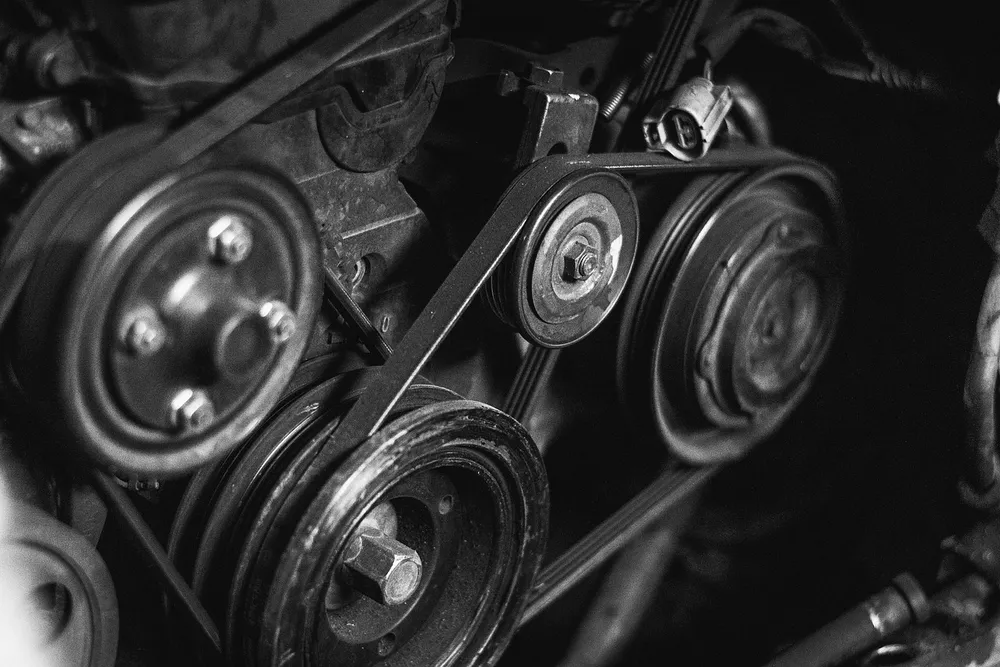
A squealing or squeaking belt on a car is usually the serpentine (drive) belt slipping, and the belt is often not the root cause. Dayco says low tension, accessory drag or fluid contamination cause a squeal, while pulley misalignment is the leading cause of a chirp. Belt dressing is not a cure. This guide matches each sound to its likely cause, lists engine-off checks and shows when a shop should take over.
Why Is My Car Belt Squeaking in the First Place?
Best Belt Inspection Light Pick
 |
Streamlight 66118 Stylus Pro Penlight, Black Best for: Reading belt ribs, pulley faces and tensioner marks in a dim engine bay during an engine-off inspection. Why we picked it: The listing describes up to 100 lumens with a focused beam for inspections, a slim pocket-clip body in machined aluminum, and batteries included, and it is in stock today. Main drawback: A light only helps you see. It does not diagnose a noise, and the listing makes no claim about use on belts or any specific vehicle. |
As an Amazon Associate we earn from qualifying purchases. Spec-based pick from the listing, not a hands-on test.
Dayco, a belt maker, separates two noises that people lump together: the chirp and the squeal. A chirp is a series of sharp, rhythmic sounds, and as belt speed rises the pitch and volume stay constant. A squeal is high pitched, lasts several seconds and may change in volume but not in pitch. They point to different faults in the front-end drive, so the first job is to decide which one you hear.
Dayco lists six reasons for a chirp, led by pulley misalignment, and three for a squeal: low belt tension (a stretched or worn belt, a degraded tension spring, low installation tension or a belt that is too long), high drag from seized accessory or idler pulley bearings, and fluid contamination.
Sound pattern, likely cause and who should fix it
Each row pairs a sound with the cause a named source gives, an engine-off check and who should do the work.
| What you hear | Likely cause, per the source | Safe check (engine off) | DIY or pro |
|---|---|---|---|
| Rhythmic chirp, steady pitch as speed rises | Pulley misalignment is the leading cause, per Dayco and an Isuzu bulletin. Worn ribs, worn pulley bearings or contamination also appear on Dayco’s list. | Look at the belt ribs for wear and the pulleys for wobble. Alignment itself needs a straight edge or laser tool. | Look yourself. Alignment correction is shop work. |
| High squeal lasting several seconds | Low tension, drag from a seized accessory or idler pulley, or fluid contamination, per Dayco. | Inspect the belt for glazing, wetness or cracks. With the belt off, turn each pulley by hand. | Inspect yourself. Replacing a tensioner or accessory suits a shop unless the owner’s manual covers it. |
| Squeal on a cold start, on one specific model | 2006-2015 Yaris: a Toyota bulletin describes start-up squeal and an updated belt tension specification. | Check the belt for fraying, scoring or glazing. | Pro. Tension is measured with a gauge. |
| Rattle or squeak from the tensioner | An Isuzu bulletin says this can mean internal failure: look for cracks, rust bleeding, noisy bearings and worn pulley surfaces. | Look for those signs by flashlight. | Pro. Replace the tensioner as a complete assembly. |
| Squeal with a wet or shiny belt | Fluid contamination such as oil or coolant, per the same bulletin. Replacing only the belt gives temporary relief. | Look for a shiny or wet belt surface and trace the leak. | Pro for the leak, because it must be fixed first. |
| Tap, tick or grind | An Isuzu bulletin says a pebble or object embedded in the belt can do it, so find where the debris comes from. | Look for objects in the belt; check shields and the fan shroud. | Look yourself, then a shop for the source. |
Is a Squeaking Belt Dangerous to Drive With?
It can be. Kia’s May 2023 service campaign letter for the 2022-2023 Telluride says a loose or damaged drive belt may cause a loss of A/C function, a battery light and, if the vehicle keeps being driven after those warnings, potential overheating.
Gates says a tensioner arm that chatters or bounces under normal operation has already failed, and a bouncing arm causes belt slippage, heat and premature belt failure. If a battery light or a rising temperature gauge shows up, stop in a safe place and call for help rather than driving on. Our page on servicing a car battery covers the battery side.
Safety First! A Quick Pre-Flight Check
- Engine off, key out of the ignition or the start button in OFF. A 2025 Nissan Juke owner’s manual says to be sure the ignition switch is in OFF or LOCK, because otherwise the cooling fan or the engine may start to operate suddenly. A 2024 Kia owner’s manual says to put the ignition switch or start button in LOCK/OFF or ACC while inspecting the belt.
- Let the engine cool before reaching in. Gates states its tensioner check with the engine off and cold.
- Do not touch a belt or pulley while the engine runs.
- Disconnect the battery only if your owner’s manual says to. None of the belt sources we cite tells owners to.
Step-by-Step Guide: How to Fix That Squeaking Belt
These steps follow the makers’ own inspection points. Stop at any step where the manual or a shop should take over.
Step 1: Look at the belt
The Kia manual tells owners to inspect drive belts for cuts, cracks, excessive wear or oil saturation. The Nissan manual adds fraying and looseness, and says a belt in poor condition or loose should be replaced or adjusted by a dealer or qualified workshop. An Isuzu bulletin says a wet or shiny belt indicates fluid contamination.
Step 2: Check the tensioner with the engine off and cold
Gates says to rotate the automatic tensioner arm through its entire range of motion with the engine off and cold. Sticking or roughness means the tensioner is worn and needs replacing. Before replacing one, confirm the belt is the correct length, because squealing indicates insufficient tension.
Step 3: Check the pulleys
With the belt removed, Dayco says all accessory pulleys and idlers should turn freely and smoothly; binding or roughness from a dry bearing means replacing the pulley or accessory. Mark the belt orientation before removal, as the Isuzu bulletin does. Our page with a 2010 Ford Fusion serpentine belt diagram shows what one routing looks like.
Step 4: Decide what you found
A cracked, glazed or oil-soaked belt needs replacing, and Dayco says any belt that has been oil soaked must be replaced other than from washer fluid. A rough tensioner or pulley bearing needs a new part. Contamination needs its source fixed. If none of those fit, or alignment is the likely cause, that is a shop job.
If you do replace the belt, our comparisons of serpentine belt brands, budget serpentine belts and a general belt for a car engine list what is sold. Match any belt to your vehicle with the maker’s fitment data; see also serpentine belt tool kits.
What About the Water Spray Test?
Dayco’s technical page describes a water test to tell the two noises apart. With the vehicle idling, spray water on the belt’s rib surface and listen: if the noise goes away it is a squeal, and if not, a chirp alignment issue. The test needs the engine running next to a moving belt and fan, so many owners will prefer to leave it to a shop.
Belt Dressing: What Makers Say
Dayco’s page says never to try to solve issues with belt dressing, and lists belt dressing among the contaminants that can make a belt chirp. The Isuzu bulletin says chemical sprays such as belt dressing, silicone or brake cleaner only give a temporary fix because they do not address the underlying cause of the noise. A short-term quiet can hide a tensioner or alignment problem. Our page on belt dressing and conditioner products lists what is sold, and the sources above advise against relying on it. Separately, Toyota’s Tacoma bulletin says not to apply oil or grease to the belt tensioner, since doing so can cause abnormal noises or malfunctions.
Inspect Before You Replace: A Checklist
| Check | What the source says | Source |
|---|---|---|
| Belt surface | Look for cuts, cracks, excessive wear or oil saturation | Kia owner’s manual |
| Belt condition and tension | Check regularly per the maintenance schedule; poor or loose belt goes to a dealer or qualified workshop | Nissan owner’s manual |
| Wet or shiny belt | Indicates fluid contamination; find the source or the new belt will make noise again | Isuzu bulletin |
| Tensioner arm | Rotate through full range, engine off and cold; sticking or roughness means replace | Gates TT004-15 |
| Pulleys and idlers | Free, smooth rotation with the belt removed | Dayco |
| Pulley alignment | Check with a straight edge or laser tool; accessory pulleys and brackets tight | Dayco |
| Before a new belt | Pulleys clean of debris and dry; alignment confirmed | Toyota Tacoma bulletin |
How Often Should the Belt Be Checked?
There is no single mileage that fits every car. Gates recommends inspecting the tensioner and other serpentine components at 60,000 miles and replacing worn components by 90,000 miles or as advised by the maker. Kia and Nissan owner’s manuals point owners to their maintenance schedules. If you are still working out how many belts and pulleys your engine has, our page on how many pulleys a car has is a start, and our timing belt page explains why that belt is a separate topic. Our page on where the alternator is located helps find the first pulley to look at.
What NOT to Do: Common Mistakes to Avoid
| Mistake | What the source says | Source |
|---|---|---|
| Spraying belt dressing on the belt | Temporary fix only; Dayco says never use it to solve belt issues | Dayco, Isuzu bulletin |
| Replacing the belt and ignoring a leak | The new belt starts making noise again once the fluid reaches it | Isuzu bulletin |
| Replacing the tensioner without checking belt length | Confirm the correct length first | Gates TT004-15 |
| Putting oil or grease on the tensioner | Can cause abnormal noises or malfunctions | Toyota Tacoma bulletin |
| Reinstalling a belt backward | Mark the orientation first and reinstall in the original orientation | Isuzu bulletin |
For a squeal that only shows up when the car is parked and idling, see our page on why a car squeals when parked, and for a bird-like sound see why a car chirps.
Frequently Asked Questions (FAQ)
What is the difference between a belt chirp and a belt squeal?
Dayco describes a chirp as a series of sharp, rhythmic sounds whose pitch and volume stay constant as belt speed rises, and a squeal as a high-pitched noise that lasts several seconds and may change in volume but not in pitch.
Can I drive with a squeaking belt?
The sources do not give a safe mileage. Kia’s notice for the 2022-2023 Telluride says a loose or damaged drive belt may cause loss of A/C, a battery light and, if driving continues after those warnings, engine overheating. If a warning light comes on or the temperature rises, stop and call a shop or roadside service.
Will belt dressing stop the squeak for good?
No, according to the makers we checked. Dayco says never to try to solve belt issues with belt dressing, and an Isuzu service bulletin says chemical sprays only give a temporary fix because they do not address the cause of the noise.
How long does a serpentine belt last?
The sources give inspection points rather than one life figure. Gates recommends inspecting the tensioner and other serpentine components at 60,000 miles and replacing worn parts by 90,000 miles or as the vehicle maker advises. Kia and Nissan owner’s manuals tell owners to inspect the belt on the maintenance schedule.
Why does my belt squeal only on a cold start?
One documented case is the 2006-2015 Toyota Yaris, where a Toyota bulletin describes a squeal during engine start-up and an updated belt tension specification. Other vehicles can differ, so ask a shop to inspect belt condition and tension.
Why is my new belt still noisy?
Dayco says that a noisy new serpentine belt points to a problem in the engine front-end drive, and that more often than not the belt is not the culprit.
What This Guide Does Not Cover
- Repair prices: ask a shop for an estimate.
- Vehicle-specific belt routing, tensioner procedures and torque values: use your owner’s manual and the maker service information.
- Timing belt noise, which is a different system.
Conclusion: Enjoy the Quiet Ride
Match the sound first: a chirp points toward alignment and pulleys, a squeal toward tension, drag or contamination. Do the engine-off checks, skip the belt dressing, and hand tensioner, alignment and leak work to a shop. If a battery light or temperature warning appears, stop and call for help.
Products related to this article
Sponsored / affiliate links. As an Amazon Associate I earn from qualifying purchases. I may earn additional commission from eligible campaigns.