How Much Does Car Radio Installation Cost
A basic car radio installation usually costs about $150 to $400, but a touchscreen replacement with integration parts can run about $400 to $700 or more, depending on the car. Skip the quote check and you can pay for missing adapters, lose steering-wheel controls, or get hit with extra labor. This guide shows how to read the parts and labor line by line before you buy or book.
Car radio install cost basics

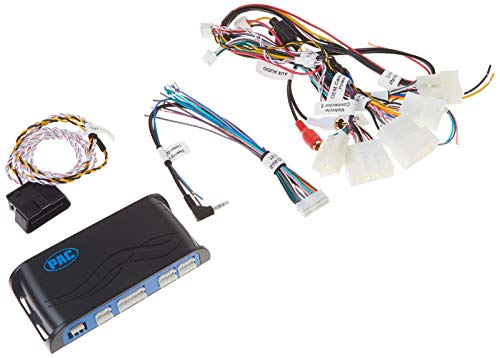

The total quote usually has two separate pieces: the head unit itself and the work needed to fit it to your vehicle. That is why one quote can look cheap at first and still end up higher once the shop adds the dash kit, wiring adapter, and any interface modules your car needs.
For a simple swap, the parts list can be short. For a modern car with factory audio features, the parts list grows fast. Labor rises with it.
What the total quote usually includes
A proper installed quote should separate the radio, the vehicle-specific parts, and the labor. If the estimate blends everything into one vague line, you cannot tell whether the shop is supplying the right brackets, whether steering-wheel buttons will still work, or whether the price covers programming and testing.
Why the same job can cost far more in one car
Single-DIN head units fit most vehicles without modification, so the labor can stay short. Double-DIN units often need a dash kit, and touchscreen upgrades often bring camera, steering-wheel, and amplifier integration into the same job. That extra work is what turns a quick swap into a much pricier installation.
What changes the price?
The biggest price changes come from fitment and integration, not from the faceplate on the radio. A basic receiver in an older sedan can be straightforward, while a touchscreen in a car with factory amplification and steering-wheel controls may need more parts, more programming, and more labor hours.
Single-DIN, double-DIN, and touchscreen units
Single-DIN and double-DIN describe the radio size, but the vehicle determines how much work the swap requires. A single-DIN swap in a basic vehicle takes roughly 1 to 2 hours. A double-DIN or touchscreen head unit in a basic vehicle takes roughly 2 to 3 hours. A head unit with steering-wheel-control retention and factory amp integration takes roughly 3 to 5 hours.
A touchscreen unit also raises the chance of add-on items like a camera input or an interface module. The screen may fit the opening, yet the car may still need trim parts and signal conversion before everything works correctly.
Factory wiring, amplifiers, and steering-wheel controls
The wiring side matters as much as the radio choice. A wiring adapter connects the aftermarket radio to the factory wiring and reduces cutting and splicing. A steering-wheel-control interface keeps the buttons working and may need programming. Factory amplifiers may require signal processors or line output converters, which adds parts and setup time.
That is why a cheap-looking radio can lead to an expensive total. The radio may cost little, but the vehicle-side parts and labor can add up quickly.
Why labor hours matter more than the sticker price
Shops often price the labor by flat rate, hourly rate, or package pricing. Flat-rate quotes can protect buyers from overruns on harder-than-expected vehicles. Hourly quotes can be cheaper on easy jobs but riskier on difficult vehicles. Package pricing is bundled labor for a defined scope.
If the quote caps labor, that cap matters. If it does not, the final bill can move when the shop finds old wiring, broken clips, or a trim piece that needs rework.
Radio install parts and labor
Break the estimate into parts and labor before you compare shops. The radio price, dash kit, wiring adapter, and interface modules can vary by vehicle and by brand, and labor changes with the amount of trimming, programming, and testing the job requires.
Head unit price
The head unit is the radio itself: a basic receiver, a Bluetooth model, or a touchscreen with CarPlay or Android Auto compatibility. The more features it carries, the more likely it is to need a matching wiring adapter or interface. The unit may also have to match the factory wiring layout.
Dash kit and wiring adapter
Double-DIN units often require a dash kit. That kit helps the new radio fit the opening and sit at the right angle and depth. A wiring adapter ties the aftermarket unit to the factory plugs so the shop does not have to cut and splice the car’s original wiring.
Interface modules and camera add-ons
Some cars need a steering-wheel-control interface, a factory-amp interface, or both. Touchscreen upgrades may also need a backup camera input, and routing plus testing the camera adds time. If the car already has a camera, the shop may still need adapters or signal conversion so the screen can use it.
Labor rate and quoted time
The labor price should show either hours or a flat labor figure. That line tells you whether the shop is billing for time spent or selling a defined install package. Audio MotorSports lists a labor price of $250 for same-day stereo installation, and its examples show installed estimates that include parts and labor.
| Install scenario | What should appear on the estimate | Likely labor | Likely overage triggers |
|---|---|---|---|
| Basic single-DIN swap | Radio, wiring adapter, labor | 1 to 2 hours | Missing adapter, prior aftermarket wiring, broken clips |
| Double-DIN with dash kit | Radio, dash kit, wiring adapter, labor | 2 to 3 hours | Trim rework, bracket mismatch, vehicle-specific fitment issues |
| Factory-amp touchscreen retrofit | Radio, dash kit, wiring adapter, steering-wheel-control interface, factory-amp interface or line output converter, labor | 3 to 5 hours | Programming, camera routing, amplifier signal problems, failed DIY repairs |
Car radio quote decoder
Read a quote like this: list the hardware, then the vehicle-specific parts, then the labor. If the estimate does not show those pieces separately, ask the shop to break them out before you compare it with another installer.
Single-DIN swap example
Say your sedan takes a basic single-DIN receiver and the factory dash opening already fits the unit. A clean quote may show the radio, a wiring adapter, and 1 to 2 hours of labor. If the shop finds damaged trim clips or old spliced wiring behind the dash, the labor can rise.
Double-DIN with dash kit example
Suppose your car needs a larger touchscreen and the factory opening does not match the new chassis. The estimate should list the radio, the dash kit, the wiring adapter, and 2 to 3 hours of labor. If the shop also has to keep steering-wheel buttons alive, add the interface module and extra setup time.
Factory-amp touchscreen retrofit example
Picture a car with a factory amplifier, backup camera, and steering-wheel controls. The estimate should include the radio, dash kit, wiring adapter, steering-wheel-control interface, and either a signal processor or a line output converter if the amp needs it. Labor should reflect 3 to 5 hours when the integration work is real.
What should be included in a quote?
A useful quote should tell you exactly what the shop is supplying and what it expects to do. At minimum, the estimate should show parts line by line, labor hours or a flat labor price, and any setup, testing, or trim work tied to the install.
Parts listed line by line
Ask for the radio model, dash kit, wiring adapter, and any interface modules as separate lines. That makes it easier to compare one shop’s estimate with another and to see whether the price includes the pieces your vehicle actually needs.
Labor hours or flat labor price
Labor should not be buried inside a single package line without detail. A package price can work, but only if it states the scope clearly. Otherwise you cannot tell whether the quote covers basic fitment or the extra time for steering-wheel controls, amp integration, or camera setup.
Programming, testing, and trim work
Some jobs need programming for steering-wheel controls or factory audio integration. Others need trim adjustment or a test of the camera input. Those tasks can add time even when the radio itself is inexpensive, so the estimate should say whether they are included.
- Check that the quote names the radio model.
- Look for each vehicle-specific part separately.
- Confirm the labor rate or the flat labor price.
- Ask whether steering-wheel controls will be retained.
- Ask whether the factory amplifier, if present, is included in the plan.
- Confirm camera input, trim work, and testing before you approve the job.
Why some installs cost more
Some installs cost more because the radio is only one part of the job. Factory amplifiers, steering-wheel controls, cameras, and damaged trim can turn a simple replacement into a longer integration project. That extra time is where the bill changes most.
Factory amplifier integration
Factory amplifiers may require signal processors or line output converters. That means more parts, more wiring, and more setup. In luxury or newer vehicles, the stereo swap can stop being a simple head-unit change and become a full audio interface job.
Steering-wheel control retention
Keeping the steering-wheel buttons working usually means adding an interface module and programming it. How much extra that costs depends on the car and the brand of the module, but the labor increase can be real because the installer has to verify every button after the module is configured.
Backup camera and extra input setup
A touchscreen upgrade often brings camera work with it. The installer may need to route a camera signal, connect the right input, and test the picture on the new screen. If the car already has a factory camera, the adapter or video format may need attention before the image appears correctly.
Prior wiring damage or broken trim clips
A common first-timer mistake is assuming a previous DIY install left the car ready for the next radio. Old splices, missing brackets, broken clips, and half-installed adapters can eat time fast. The shop may need to undo old work before the new unit can go in cleanly.
Should you buy the radio first?
Buying the radio first can make sense when you already know the exact model and the shop has confirmed compatibility. In other cases, letting the shop supply the unit can reduce wrong-part risk and make the quote easier to compare because the parts and labor are bundled together.
When shop-supplied parts make sense
Shop-supplied parts work well when the installer is checking fitment, dash kit needs, wiring adapter compatibility, and amplifier integration at the same time. That helps avoid a mismatch between the radio you buy and the vehicle-specific parts the car actually needs.
When buying first can backfire
Buying first can backfire if the radio lacks the right camera input, steering-wheel-control support, or factory-amp compatibility. It can also backfire if the shop has to source extra pieces later, because the parts total may rise after you already spent money on the wrong unit.
How to compare installed estimates fairly
Compare two quotes only after you know whether each one includes the same parts and the same labor scope. A low quote that omits the dash kit or interface module is not cheaper. It is incomplete.
When replacing the whole radio is cheaper than repairing it
Replacing the radio is often cheaper when the repair would require deep electronic work, a rare part, or labor that climbs near the cost of a new unit. If the existing head unit is dead and the car also needs fitment or integration parts, a full replacement may be the cleaner spend.
If the failure is minor, repair can still make sense. But once the quote starts stacking labor, modules, and reassembly time, a new unit with proper parts can cost less overall and leave fewer loose ends.
Frequently asked questions
How much does car stereo installation cost?
How much does car stereo installation cost? The final number depends on the radio size, factory wiring, amplifier needs, and whether the shop quotes flat rate, hourly, or package pricing.
How much to replace radio in car?
How much to replace radio in car? A simple replacement is usually the lower-cost job, especially if the vehicle accepts a single-DIN unit without major changes. Once the car needs a dash kit, steering-wheel-control interface, or factory-amp integration, the total rises because the labor and parts list both grow.
How much does a radio cost?
How much does a radio cost? The unit itself can vary widely based on size and features, from a basic Bluetooth receiver to a touchscreen with CarPlay or Android Auto compatibility. The radio price is only part of the bill, so compare the installed estimate rather than the head unit alone.
What does car radio installation include?
What does car radio installation include? A proper install usually includes the head unit, the right wiring adapter, any needed dash kit, and labor to fit, wire, test, and secure the new unit. If your car has steering-wheel controls, a factory amp, or a camera, those items should be listed too.
Why do some car stereo installs cost more than others?
Why do some car stereo installs cost more than others? The biggest drivers are fitment and integration. A single-DIN swap can be quick, but double-DIN and touchscreen jobs often need more parts. Factory amplifiers, steering-wheel controls, and prior wiring damage can add hours and extra modules.
Is it cheaper to buy the radio and have a shop install it?
Is it cheaper to buy the radio and have a shop install it? Sometimes, but only if you know the exact part number and the shop agrees it fits your car and wiring. Letting the shop supply the radio can be safer when dash kits, wiring adapters, and interface modules have to match the vehicle.
Products related to this article
Sponsored / affiliate links. As an Amazon Associate I earn from qualifying purchases. I may earn additional commission from eligible campaigns.