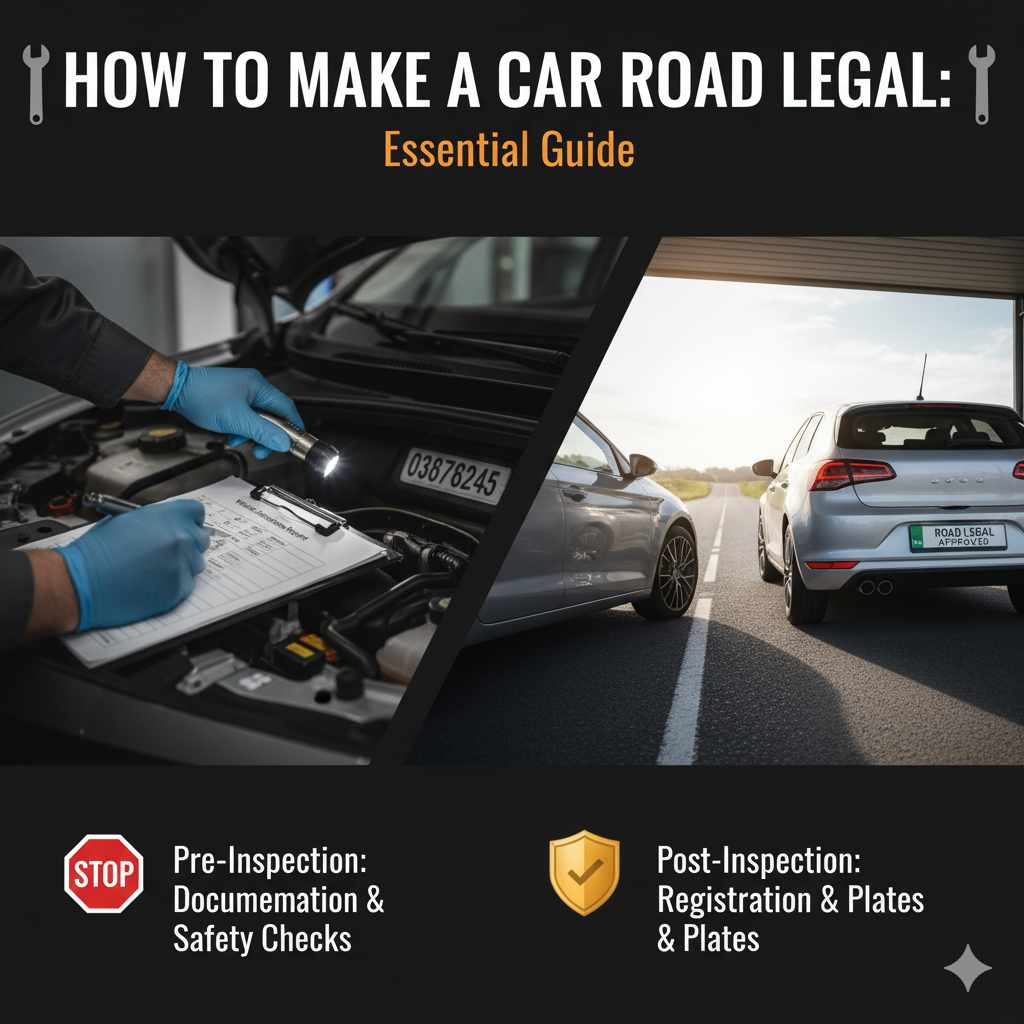
How To Make A Car Road Legal: Essential Guide
Ensuring your car is road legal means it meets safety and legal standards. This guide breaks down the essential steps, from basic checks to official inspections, making it easy for any car owner to get their vehicle ready for the road. Follow these practical tips for peace of mind and a safe drive.
Getting your car ready to drive legally on public roads can seem a bit daunting, especially if you’re new to the process. You might have a classic car you want to get back on the road, or perhaps a project vehicle that’s in various states of repair. Whatever the reason, knowing what makes a car road legal is key. It’s not just about having wheels and an engine; there are important safety and regulatory requirements to meet. Don’t worry if it sounds complicated! This guide is here to simplify everything, offering clear, step-by-step advice. We’ll walk you through what you need to check and how to get it done, ensuring your car is safe, legal, and ready to cruise. Let’s get started on making sure your ride is good to go!
Why Is Making a Car Road Legal Important?
Making your car road legal is fundamental for several crucial reasons. Primarily, it’s about safety – ensuring your vehicle won’t endanger you, your passengers, or other road users. A road-legal car has passed inspections that confirm key components like brakes, lights, and tires are in good working order. Secondly, it’s about compliance with the law. Driving an unroadworthy or unregistered vehicle can lead to serious penalties, including hefty fines, points on your license, and even having your car impounded. Finally, it ensures your vehicle is properly insured. Most insurance providers require a valid MOT (Ministry of Transport test, or equivalent in your region) and registration before they will cover a vehicle. So, being road legal isn’t just a formality; it’s essential for safety, legality, and protection.
Key Areas for Road Legality
To make a car road legal, you need to focus on several critical areas. These are the parts of your vehicle that regulators and safety inspectors will scrutinize most closely. Ensuring these are in top condition is your primary goal.
1. Identification and Documentation
Before anything else, verify you have all the necessary paperwork. This includes proof of ownership, registration documents (like a Vehicle Identification Number – VIN – record), and potentially a title or logbook. If you’ve imported a vehicle, you might need additional customs and import duty documents.
2. Safety Equipment and Features
Safety is paramount. This covers a wide range of components designed to protect you and others.
Brakes: Your braking system must be fully functional. This includes checking brake pads, discs or drums, brake fluid levels, and ensuring the pedal has firm resistance. Any leaks or worn parts need immediate attention.
Lights: All exterior lights must work correctly. This includes headlights (low and high beam), taillights, brake lights, turn signals (indicators), and hazard lights. They should also be the correct color (e.g., red for rear, amber for indicators).
Tires: Tires must be in good condition with adequate tread depth. The legal minimum tread depth is usually 1.6mm across the entire breadth of the tread. They should also be free from cuts, bulges, or other damage, and inflated to the correct pressure.
Steering and Suspension: The steering should be responsive and free from excessive play, and the suspension should absorb shocks effectively without excessive bouncing or leaning.
Windscreen and Wipers: The windscreen must be free from cracks or chips in the driver’s line of sight. Wipers must clear the screen effectively, and the washer system needs to function to provide fluid.
Seatbelts: All fitted seatbelts must be present, in good condition, and securely fastened. They should retract smoothly and latch properly.
Horn: The car must have a functioning horn that emits a consistent tone.
3. Emissions and Engine
Modern vehicles have strict emissions standards. Your car’s exhaust system and engine management system must ensure it meets these standards for its age and type.
Exhaust System: The exhaust should be free from leaks and corrosion. Any modifications should not increase noise levels beyond legal limits or alter emissions adversely.
Engine Performance: While not always a direct check, a poorly running engine can affect emissions and safety (e.g., if it stalls unexpectedly).
4. Bodywork and Chassis
The structural integrity of your vehicle is vital for safety.
Chassis and Frame: Look for any signs of significant rust, damage, or repair that compromises the vehicle’s structure.
Body Panels: While minor cosmetic dents are usually acceptable, any sharp edges or protruding parts that could cause injury are not. Doors, bonnet, and boot should open and close securely.
Mirrors: You need at least two mirrors so you can see clearly behind and to the sides. They should be securely mounted and undamaged.
Step-by-Step Guide to Making Your Car Road Legal
Here’s a practical, step-by-step approach to getting your car ready for its roadworthiness inspection.
Step 1: The Initial Assessment
Before heading to an official inspection, give your car a thorough once-over. Think like a mechanic or an inspector.
Walk Around: Check all exterior lights, tires, and bodywork.
Inside Check: Test all seatbelts, the horn, wipers, and washer system.
Under the Hood: Check fluid levels (oil, coolant, brake fluid, power steering fluid) and look for any obvious leaks.
Step 2: Addressing Essential Safety Components
This is where you’ll likely spend most of your time and effort. Prioritize the safety items.
Brakes: If your brakes feel spongy, or you suspect issues, get them inspected by a professional. Replacing pads and discs is a common repair. Ensure the handbrake also functions correctly.
Tires: Check the tread depth using a tread depth gauge. If any tire is below the legal limit or shows signs of wear or damage, replace it. Ensure all tires are the correct size and type for your vehicle. You can find reliable tire information from resources like TireRack’s guide to tire sizes.
Lights: Replace any bulbs that are out. Clean lenses so they are clear. If your turn signals are dim or flashing too fast/slow, there might be an electrical issue or a bulb with incorrect wattage.
Windscreen: If there are chips or cracks in your vision line, you’ll need to get the windscreen repaired or replaced. Many areas have specialized repair services that can fix minor damage.
Step 3: Checking Emissions and Exhaust
This can be trickier for DIYers, but some checks are possible.
Visual Inspection: Look for rust or holes in the exhaust system. Listen for unusual noises like rattling or loud hissing, which can indicate leaks.
Professional Help: For emissions testing, you’ll likely need a professional garage. They have the equipment to measure exhaust gas composition and ensure it meets legal standards. If your car is old, a tune-up might be necessary.
Step 4: Bodywork and Chassis Integrity
Focus on structural integrity and road-worthiness rather than aesthetics.
Rust: Pay close attention to the sills, wheel arches, and floor pans. Significant rust can weaken the chassis and is often a reason for failure.
Protrusions: Check for any sharp or jagged edges on the bodywork that could be a hazard.
Doors and Panels: Ensure everything closes securely and doesn’t rattle excessively while driving.
Step 5: Documentation and Registration
Gather all your paperwork.
Proof of Ownership: Have your V5C (log book) or equivalent document ready.
Insurance: Ensure you have valid insurance for the vehicle.
Registration: If the car is not currently registered, you’ll need to go through the registration process. This often involves a unique identification inspection and sometimes a specific roadworthiness test.
Step 6: The Official Inspection (MOT / Roadworthiness Test)
This is the crucial step where an authorized testing center will examine your vehicle. The specific requirements vary by country and the age of the vehicle.
Book an Appointment: Schedule your test.
Attend the Test: Bring all your documentation.
Pass or Fail: You’ll receive a report detailing any issues found. If it fails, you’ll need to get the identified problems fixed and book a re-test.
For general vehicle safety information and standards in the UK, the Driver and Vehicle Standards Agency (DVSA) website is an excellent resource.
Tools and Supplies You Might Need
While many checks can be done visually, having a few basic tools can help.
Tire Pressure Gauge: Essential for checking and maintaining the correct tire pressure, which directly impacts safety and fuel economy.
Tread Depth Gauge: To accurately measure tire tread depth against the legal minimum.
Basic Tool Kit: Including screwdrivers, wrenches, and pliers for minor adjustments or part replacements (e.g., light bulbs).
Flashlight: For inspecting hard-to-see areas, under the car, or under the bonnet.
Safety Glasses and Gloves: Always wear appropriate personal protective equipment.
Cleaning Supplies: Rags, wipers fluid, and glass cleaner to ensure good visibility.
Common Road Legal Failures and How to Fix Them
Many vehicles fail their roadworthiness tests for predictable reasons. Knowing these upfront can save you time and money.
Table: Common MOT/Road Law Failure Points
| Failure Point | Description | Common Fixes |
|---|---|---|
| Worn Tires | Tread depth below legal limit (e.g., 1.6mm), sidewall damage, improper inflation. | Replace worn tires with new ones of the correct specification. Inflate to recommended pressures. |
| Brake Issues | Low brake fluid, worn pads/discs, brake warning light illuminated, faulty handbrake. | Top up brake fluid, replace worn brake pads and discs. Repair or adjust handbrake linkage. |
| Lighting Faults | Burned-out bulbs, incorrect color lights, misaligned headlights. | Replace faulty bulbs, clean headlight lenses, adjust headlight aim. |
| Windscreen Damage | Chips or cracks in the driver’s line of sight. | Repair chips or replace the entire windscreen with an approved unit. |
| Suspension Problems | Worn shock absorbers, damaged springs, or loose mountings. | Replace worn suspension components like shock absorbers and springs. Ensure all fixings are tight. |
| Exhaust System Leaks | Holes or severe corrosion causing noise or emission issues. | Repair or replace sections of the exhaust system. |
| Wiper/Washer Failure | Wipers not clearing screen effectively, no washer fluid. | Replace wiper blades, repair or replace washer pump/jets. |
| Horn Not Working | Horn is silent or emits a faulty tone. | Check fuse, wiring, and replace the horn if faulty. |
Making a Modified Car Road Legal
Modifying your car can be fun, but it’s crucial to ensure your modifications keep it road legal. Each modification can have its own rules and potential issues.
Common Modifications and Considerations:
Engine Swaps: Ensure the new engine meets emissions standards for the vehicle’s age and that it’s securely fitted. Cooling and exhaust systems may need significant adaptation.
Suspension Lifts/Lowerings: Changes must not compromise steering or stability. Ride height and suspension geometry are critical. For example, Suspension modification laws can vary significantly by region.
Body Kits and Spoilers: These must not have sharp edges protrude excessively or obstruct vision. They should be securely attached.
Wheels and Tires: Ensure they are the correct size and type for your car. Mismatched sizes or excessive offsets can affect handling and may be illegal.
Lighting Modifications: Aftermarket lights or colored bulbs (other than specified standards) are generally not allowed.
Window Tinting: There are strict legal limits on how dark tints can be, especially on front windows, to maintain visibility.
Always research the specific regulations in your area before making significant modifications. Some modifications may require an individual vehicle approval or a specialized inspection.
Registering a Vehicle That Has Never Been Registered
If you are bringing a car that has never been registered (perhaps a kit car, an imported vehicle with no prior registration, or a restored historic vehicle), the process generally involves:
- Documentation: You’ll need proof of ownership and sometimes certification for the components used (especially for kit cars).
- Identification Inspection: A verification of the vehicle’s Vehicle Identification Number (VIN) and chassis number.
- Roadworthiness Test: A comprehensive inspection to ensure it meets current safety and emissions standards.
- Application for Registration: Submitting all required forms to the relevant motor vehicle authority in your region.
This process can be more involved and may require specialized inspections. Consulting with your local vehicle registration authority is the best first step.
Tips for Passing Your Road Legal Inspection (MOT / equivalent) First Time
Be Thorough: Don’t cut corners. Give your car a real once-over before the test.
Check the Official Requirements: Familiarize yourself with what an MOT involves specific to your vehicle’s age and type.
Don’t Ignore Minor Issues: Small problems can often lead to bigger ones, or be coupled with other failures.
Clean Your Car: A clean car makes it easier for the inspector to see everything clearly and gives a good impression. Clean wheel wells, headlights, and indicator lenses.
Clear the Interior: Remove any clutter from the dashboard, seats, and boot.
Check the Paperwork: Ensure your registration documents, insurance, and any other required papers are present and correct.
Frequently Asked Questions (FAQ)
Q1: What’s the most common reason for a car to fail a road legal inspection?
The most common reasons for failure are usually related to worn tires, brake issues, lighting faults, and windscreen damage. These are all critical safety components that are checked closely.
Q2: How much does it generally cost to make a car road legal?
The cost varies greatly depending on the car’s condition. It can range from a small amount for replacing a few bulbs to several hundred or even thousands of pounds if major repairs like brake overhauls or bodywork are needed. The inspection fee itself is usually a fixed cost.
Q3: Can I legally drive my car if it has failed its inspection but I’m on my way to get it fixed?
In most places, you can only drive a vehicle that has failed its inspection to a pre-booked re-test or to a repair garage. You cannot use it for general driving. It’s important to check your local laws on this.
Q4: Do I need to re-register my car even if it’s road legal?
Re-registration is typically only required if the car hasn’t been registered before, has been declared a write-off and rebuilt, or if you’re importing it. Regular road legal checks (like an MOT) are about ensuring ongoing roadworthiness, not re-registering.
Q5: What if my classic car has modifications from its original state?
Classic cars, especially those with significant modifications, might be subject to different rules, sometimes relaxed for age. However, crucial safety aspects like brakes, steering, and lighting still need to meet minimum standards. It’s best to check with your local vehicle authority about specific regulations for modified classic vehicles.
Q6: Are there any specific rules about window tinting for road legality?
Yes, most regions have strict rules. Front windows (driver and passenger) typically need to allow a very high percentage of light through (e.g., 70% in the UK). Rear windows can often be darker, but there are still limits. Exceeding these limits will result in a failure.
Q7: What is the legal minimum tread depth for tires?
The legal minimum tread depth for tires in many countries, including the UK, is 1.6 millimeters across the central three-quarters of the tire’s breadth. However, it’s often recommended by tire manufacturers to replace tires before they reach this minimum to maintain optimal safety, especially in wet conditions.
Conclusion
Ensuring your car is road legal is a vital process that prioritizes safety, compliance, and your peace of mind on the road. From meticulously checking your lights and tires to ensuring your brakes are in perfect!