How To Make A Demo Derby Car That Actually Survives
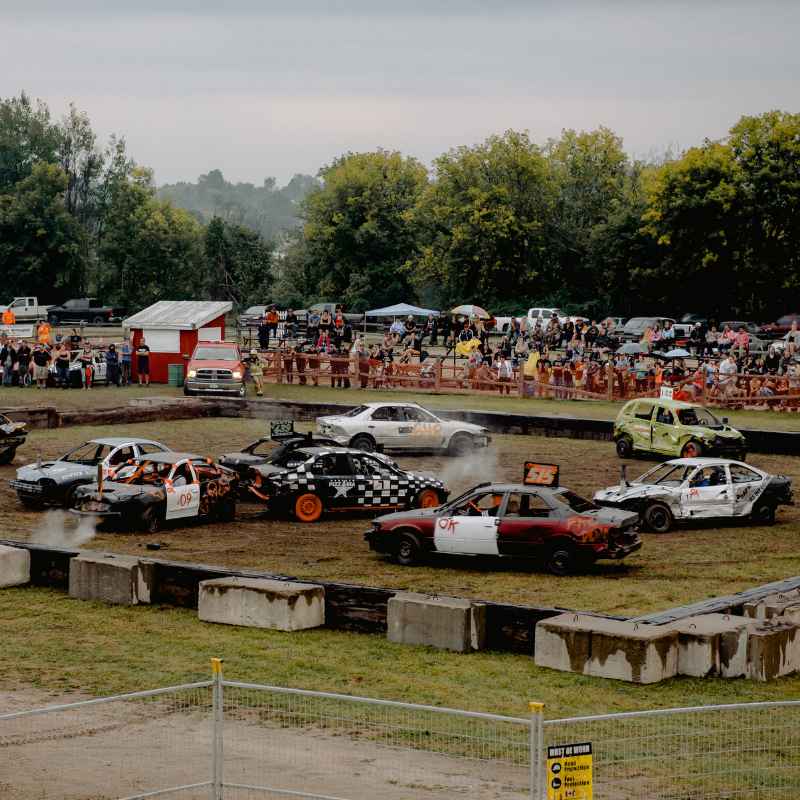
You’ve seen them. Those amazing machines, built tough, ready for the chaos. Maybe you’ve even dreamt of being in the driver’s seat.
But making a demo derby car that doesn’t fall apart after one hit is a real challenge. It’s not just about welding some metal on. It takes smarts, patience, and knowing what to do.
We’re going to break down how to build a car that can take a beating and keep going.
Building a demo derby car that survives involves strategic reinforcement of the chassis and body, prioritizing driver safety, and understanding common failure points. This guide covers essential steps to maximize your car’s resilience and performance in demolition derby events.
What Makes a Demo Derby Car Survive?
A demo derby car’s main goal is to be the last one running. This means it needs to handle hard hits. It also needs to keep the driver safe.
Survival isn’t just about brute strength. It’s about smart design. It’s about knowing where a car is weak.
Then you make those spots strong.
Think of it like building a shield. You want it thickest where the blows will land. But you also want it light enough to move.
And the person inside needs to be protected. This balance is key. Many people focus only on making it strong.
They forget about how it moves or how the driver is protected. That’s a fast way to lose.
We look at the car’s frame. We look at the doors, the roof, the engine. Each part plays a role.
Each part can be a weak spot. Or it can be a strong point. We want to turn those weak spots into strong ones.
We want the car to flex just right. It should absorb hits. It shouldn’t break apart.
My First Derby Car: A Story of Learning (the Hard Way)
I remember my very first demo derby. It was a summer evening, the air thick with anticipation and the smell of exhaust. My buddy Dave and I had spent weeks on a beat-up old station wagon.
We thought we were geniuses. We’d bolted on extra steel plates wherever we could find them. We even welded the doors shut.
It looked tough.
The green flag dropped, and it was pure mayhem. Cars slammed into each other. I was holding my own, feeling pretty good.
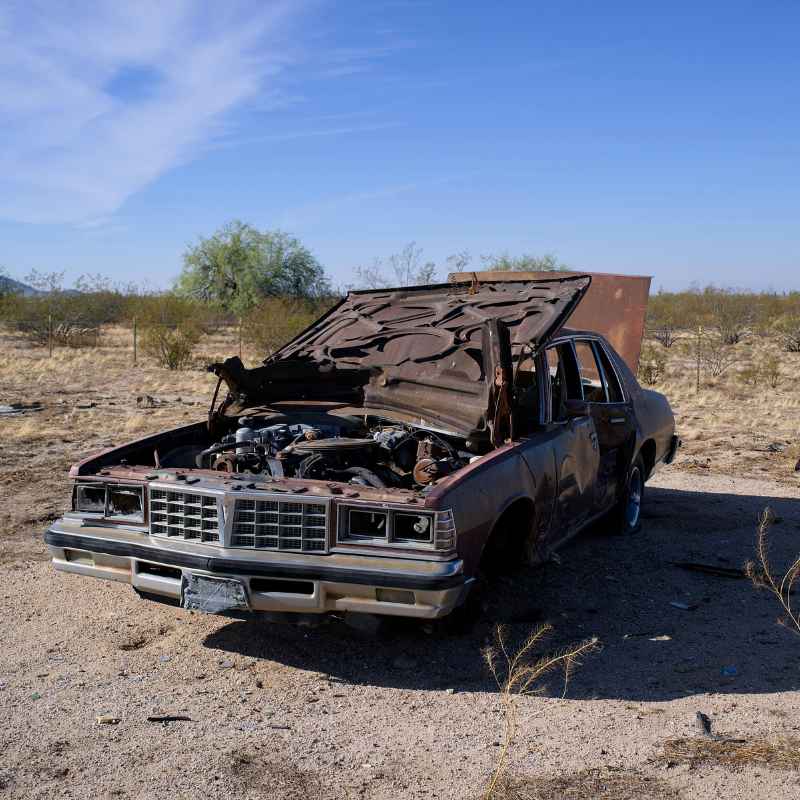
Then, a solid hit came from the side. Not even a direct impact, just a glancing blow. But it hit right where we’d welded the rear axle mount to the body.
The metal groaned, then with a sickening tear, the axle ripped away. My car spun out, useless. I watched the rest of the demolition from the sidelines, both amazed and utterly disappointed.
That day taught me a huge lesson: strength isn’t just about adding more. It’s about adding it in the right places and in the right ways.
Key Reinforcement Zones for Longevity
Chassis Integrity: This is your car’s backbone. Reinforce frame rails, especially at suspension mounting points. Box in weak areas.
This stops the frame from twisting or breaking.
Body Panel Strength: Doors and fenders are common targets. Welding doors shut is standard. Adding steel to them helps.
Consider full steel plates on the sides. This absorbs side impacts better.
Front and Rear Bumpers: These take direct hits. Strong, well-mounted bumpers are vital. They protect the frame and radiator.
Often, custom, heavy-duty bumpers are best.
Understanding the Anatomy of a Hit
When two cars collide in a derby, a lot happens. It’s not just a simple push. There are forces involved.
These forces can bend, twist, and tear metal. Understanding these forces helps you build a car that can handle them.
A direct hit is one thing. The force goes straight into the car. But what about glancing blows?
Or hits that happen at an angle? These can put strange stresses on the car. They can twist the frame.
They can break welds. They can rip apart sheet metal.
Think about a car’s structure. It has a main frame or unibody. It has suspension systems.
It has body panels. Each of these takes the impact differently. A strong frame is crucial.
But if the body panels rip off, they can’t help absorb the energy. If the suspension breaks, the car can’t move.
The goal is to make the whole car work together. The bumper hits. The body panels absorb some.
The frame takes the rest. And the driver stays safe inside. This flow of energy is what we try to manage.
We want the car to give a little. We want it to absorb the shock. We don’t want it to snap.
Impact Force Distribution Explained
Direct Impact: Force travels straight through the point of contact. Reinforce the direct hit zone and areas connected to it.
Shear Force: Occurs when forces push in opposite directions. This can twist frames or rip welds apart. Proper bracing stops this.
Tension Force: Pulling apart. Like when a frame tries to bend. Strong welds and solid connections resist this.
Crushing Force: Squeezing. This is common in pile-ups. The car body and frame must withstand being crushed.
The Foundation: Choosing and Preparing Your Car
Not all cars are created equal for demo derby. Some are just better starting points. You want something built tough.
You want something with a strong frame.
Older American cars are often favorites. Think of cars from the 70s and 80s. They tend to have thicker steel.
They have body-on-frame construction. This means the body sits on a separate, strong frame. This frame is easier to reinforce and repair.
Cars with independent front suspensions can be tricky. They can also be less durable than solid axle cars. You’ll want to remove anything that isn’t essential.
This includes all glass. The interior trim, carpets, and headliner must go. This saves weight.
It also reduces fire hazards.
The engine and transmission are key. You want them protected. You might want to reinforce their mounts.
The radiator needs guarding. It’s a vital component. A punctured radiator means your car overheats quickly.
Make sure you know the rules for your specific derby. Some leagues have limits on what you can do. This includes what cars you can use and how you can modify them.
Always check the rulebook first.
Car Selection Checklist
Body Type: Prioritize body-on-frame construction for easier reinforcement.
Frame Strength: Look for cars with robust, substantial frame rails.
Suspension: Solid axles are often preferred over independent suspensions for durability.
Engine Size: Consider power-to-weight ratio. Larger engines aren’t always better if they make the car too heavy or hard to balance.
Availability: Can you find this model easily and affordably?
Reinforcing the Chassis: The Backbone of Survival
This is where the magic happens. The chassis is your car’s skeleton. Making it strong is paramount.
You’ll be welding. You’ll be adding steel. Think about where the car will take hits.
Frame rails are critical. They run along the length of the car. You can weld steel plates to the inside and outside of these rails.
This makes them much thicker. It stops them from bending inwards.
The front and rear crossmembers are also weak points. These connect the frame rails. They often take direct hits.
Boxing these out with steel plate adds immense strength. It prevents them from collapsing.
Suspension mounts are another area to focus on. Where the control arms and springs attach, the frame takes a lot of stress. Reinforce these areas.
Add extra metal. Weld them thoroughly. A broken suspension mount means your car is done.
Some builders use a technique called “dog leg” removal. This involves cutting out specific sections of the frame. Then they
Remember that every weld matters. Clean your metal. Use the right welding settings.
Poor welds are weak points. They will fail under pressure. A good welder is your best friend here.
Frame Reinforcement Techniques
Plating: Welding flat steel plates to the inside and outside of frame rails.
Boxing: Completely enclosing frame channels with steel to prevent crushing.
Crossmember Bracing: Adding extra support to the front and rear crossmembers.
Suspension Mount Reinforcement: Doubling up metal around where suspension components attach.
“Chicago” Bumpers: For some classes, attaching a steel beam across the front or rear bumper area for extreme impact resistance.
Bodywork and Protection: The Outer Shell
The body panels are your car’s skin. They take the initial hits. Making them tough protects the chassis underneath.
It also helps absorb energy.
Doors are always a target. Welding them shut is a must. This stops them from opening.
It also adds rigidity to the car’s sides. You can weld them from the inside and outside. Some builders add steel plates to the outside of the doors.
This creates a strong barrier.
The roof is another area. You want to keep it intact. It protects the driver.
You can weld supports from the inside. Some people add a roll cage. This is often required by rules.
It adds safety. It also strengthens the roof structure.
Fenders can be removed or tied back. Many builders cut off the front fenders. Rear fenders are often tied up tight to the body with wire or chain.
This prevents them from flapping around. It also stops them from getting caught on other cars.
The trunk is similar to the hood. You can weld it shut. Some people add steel to the trunk lid.
This makes it harder to crush or get pushed in. Protecting the trunk helps keep the rear of the car from collapsing.
Consider adding steel to the firewall. This is the metal wall between the engine bay and the driver’s compartment. A strong firewall adds a layer of safety.
It separates the driver from engine fires or failures.
Body Panel Modifications for Durability
Door Welding: Seal all doors tightly with strong welds.
Steel Plating: Add extra steel to exterior door panels for increased impact resistance.
Roof Reinforcement: Weld internal bracing or install a roll cage.
Trunk & Hood: Weld shut and reinforce the lids if possible.
Fender Management: Secure or remove fenders to prevent interference.
Safety First: Protecting the Driver
This is arguably the most important part. A car that survives but injures the driver is a failure. Demo derby is dangerous.
But you can take steps to make it safer.
A roll cage is often a requirement. Even if it’s not, it’s a smart addition. It’s made of strong steel tubes.
It forms a protective cage around the driver. If the car rolls or the roof is crushed, the cage keeps the driver safe.
Seat belts are essential. Use a racing harness if allowed. Make sure the mounting points are extremely strong.
They should be welded directly to the frame or roll cage. A seat belt coming loose is a major risk.
The driver’s seat should be securely bolted down. It shouldn’t be able to shift. Some builders even weld the seat frame to the floor.
This ensures it stays put.
A kill switch is important. It allows the driver to quickly shut off all electrical power to the car. This can prevent fires.
It can also stop the engine if something goes wrong.
Fire suppression systems are also wise. Even a small extinguisher mounted within reach can be a lifesaver. In some classes, these are mandatory. Most of that fire risk starts at the stock gas tank sitting in a crush zone — swapping it for a proper derby-legal fuel cell is one of the biggest safety upgrades you can make.
Wear all your safety gear. This includes a helmet, fire suit, gloves, and sturdy boots. Your gear is your last line of defense.
Never skimp on safety.
Essential Driver Safety Features
Roll Cage: Mandatory in many leagues for structural integrity and driver protection.
Racing Harness: Securely holds the driver in place during impacts.
Secure Seat Mounts: Prevent seat movement, welded directly to the frame.
Electrical Kill Switch: Quickly cuts power in emergencies.
Fire Extinguisher: Easily accessible for immediate fire response.
Engine, Transmission, and Drivetrain Durability
The engine and transmission are the car’s heart. You need them to last. But you also want them protected.
A direct hit to the oil pan or transmission can end your day quickly.
You can add skid plates. These are steel plates that go underneath the engine and transmission. They deflect hits.
They protect these vital components from damage.
Engine mounts can be reinforced. They can also be chained. Chaining the engine and transmission to the frame stops them from shifting too much.
This prevents them from breaking their mounts or tearing up other parts.
The radiator is often a target. Protecting it is key. You can build a steel cage around it.
You can also move it to a safer location, like inside the car, if rules allow. Blocking off part of the grille can also help protect it.
Some builders reinforce the driveshaft. A broken driveshaft can be dangerous. Ensure it’s well-balanced and securely mounted.
Consider reinforcing the rear end. If you have a powerful engine, the rear end can be a weak link. Welds and extra bracing can help.
For some, a swap to a stronger rear end is an option.
Powertrain Protection Strategies
Skid Plates: Steel shielding for the oil pan and transmission.
Engine/Transmission Chaining: Prevents excessive movement and protects mounts.
Radiator Guard: A cage or shield to protect the cooling system.
Driveshaft Reinforcement: Ensures the driveshaft remains intact.
Rear End Bracing: Strengthens the differential and axles.
Suspension and Steering: Keeping You Mobile
Your car needs to move to win. Strong suspension and steering are crucial. Many modifications focus on rigidity.
But some flex is good. You want to absorb shock, not have the car shatter.
You’ll likely want to lock out your suspension. This means preventing it from compressing or extending too much. You can do this with limiting straps or by welding suspension components.
For example, you can weld the front A-arms in place.
Steering is vital. You need to be able to turn. Remove the power steering pump.
It can leak and cause fires. You might reinforce the steering column. Ensure the tie rods are strong.
Some builders tie the steering arms together to prevent them from bending independently.
The rear suspension needs attention too. Leaf springs can break. You can add extra leaves.
You can also U-bolt the axle tightly to the leaf springs. This keeps them from shifting.
Sometimes, builders weld the front wheels directly forward. This eliminates the ability to turn. This is a specific strategy for certain classes or tactics.
It makes the car a straight-line battering ram.
Suspension and Steering Modifications
Locking Suspension: Using straps or welds to limit suspension travel.
Power Steering Removal: Eliminates potential fire hazards.
Steering Column Reinforcement: Strengthens the steering linkage.
Rear Axle Securing: Tightly bolting leaf springs to prevent movement.
Tie Rod Reinforcement: Preventing steering linkage failure.
Tires and Wheels: Traction and Durability
The tires and wheels are your car’s feet. They need to be tough. They also need to provide some grip.
You don’t want them to disintegrate.
Most derby drivers prefer sturdy, bias-ply tires. These are often old truck tires. They are built to be strong and can take a lot of abuse.
Avoid radial tires. They tend to be more fragile and can chunk out easily.
You’ll want to run them at low pressure. This gives a softer ride. It also increases the tire’s contact patch with the ground.
This can provide better traction. Be careful not to run them so low they can be easily ripped off the rim.
The wheels themselves can be reinforced. Some builders weld steel plates to the inside of the wheels. This makes them stronger.
It helps prevent them from bending or breaking.
Ensure the lug nuts are tight. You don’t want a wheel coming off. Some people use extra-long studs.
This gives more surface area for the lug nuts to grip.
Consider reinforcing the wheel wells. If the body flexes a lot, it can rub on the tires. This can shred the tires.
Boxing in the wheel wells or adding some support can help.
Tire and Wheel Considerations
Tire Type: Bias-ply tires (like old truck tires) are preferred for durability.
Tire Pressure: Lower pressure provides a softer ride and more traction.
Wheel Reinforcement: Welding plates inside the wheels for added strength.
Lug Nut Security: Ensure all lug nuts are tight and consider longer studs.
Wheel Well Protection: Prevent tire rub with reinforced wheel wells.
Common Mistakes That Lead to Early Demise
Even with the best intentions, many builders make mistakes. These can cut your car’s life short. Knowing them helps you avoid them.
One common error is adding too much weight in the wrong places. Extra steel sounds good. But if it’s not strategically placed, it just makes the car heavier and slower.
It can also put extra strain on the chassis.
Another mistake is neglecting the driver’s safety. Focusing only on the car’s exterior strength is dangerous. The driver is the most important part to protect.
Always prioritize a strong roll cage and secure restraints.
Poor welding is a silent killer. If your welds are weak, they will break. Take your time.
Learn to weld properly. Or find someone who can do it for you. Good welds are essential for holding everything together.
Not checking the rules is a big one. Building a car that’s illegal for the derby you’re entering is a waste of time and money. Always read and understand the rulebook before you start building.
Finally, not testing your car is a mistake. A quick test drive, even in a field, can reveal weak spots. You might find a rattle, a loose part, or hear a concerning noise.
Address these before the derby.
Mistakes to Avoid
Over-Weighting: Adding unnecessary heavy materials in non-critical areas.
Neglecting Safety: Prioritizing car strength over driver protection.
Weak Welds: Using improper welding techniques leading to structural failure.
Ignoring Rules: Building a car that doesn’t comply with league regulations.
No Testing: Failing to identify and fix issues before the event.
Real-World Context: What the Pros Know
The difference between a car that survives and one that doesn’t often comes down to experience. Pro derby drivers and builders have seen it all. They know what works and what doesn’t.
They understand that a car doesn’t just need to be strong. It needs to be balanced. A car that is too nose-heavy or tail-heavy can be hard to control.
It can be easier to get stuck or spun out.
They also know the importance of weight distribution. Where you place the engine, the battery, and any added steel matters. It affects how the car handles impacts.
Smart builders often look for ways to reinforce without adding too much weight. Using lighter, high-strength steel in some areas can help. Strategic placement is more important than sheer volume.
Many pros have a “preferred” car model. They know its strengths and weaknesses inside out. They have a proven build plan for that specific car.
They’ve learned from trial and error what works best.
They also understand the strategy of the derby. Sometimes, the best way to survive is to avoid the biggest hits. Or to let other cars destroy each other.
A well-built car gives you options. It allows you to play smarter.
Experienced Builder Insights
Balance is Key: Proper weight distribution for predictable handling.
Strategic Reinforcement: Using the right materials in the right places to minimize weight.
Model Expertise: Deep knowledge of a chosen car’s vulnerabilities.
Derby Strategy: Using the car’s durability to outlast opponents.
Continuous Improvement: Learning from each event to refine builds.
What This Means For You: When is Your Car “Done”?
Knowing when your car has taken all it can is important. It’s not always about being the last one running. It’s about surviving the hits safely.
Your car is “done” when critical systems fail. This includes the steering. If you can’t steer, you’re stuck.
The brakes are also vital. If your brakes fail, you can’t control your speed.
Major frame damage is another indicator. If the frame is severely bent or cracked, it can compromise the entire car’s integrity. It might not be safe to continue.
If the engine is losing oil or coolant rapidly, it could seize up. This means no more power. If the transmission is slipping badly, you might not be able to move.
Most importantly, if the driver feels unsafe, it’s time to stop. A compromised roll cage, a loose seat, or a fuel leak are all reasons to pull out. Your safety comes first.
Sometimes, a car can be repaired during a derby. But if the damage is extensive, it’s better to pull it out. Live to build another day.
A smart driver knows when to call it.
Signs Your Car Has Survived Enough
Loss of Steering: Inability to control direction.
Brake Failure: Inability to slow down or stop.
Critical Frame Damage: Severe bending or cracking compromising structural integrity.
Powertrain Failure: Engine seizing or transmission slipping uncontrollably.
Driver Safety Compromised: Any issue that puts the driver at immediate risk.
Quick Tips for a Tougher Build
Here are some easy things you can do to make your car tougher. They are simple but effective.
Drain all fluids: Except for maybe a small amount of oil and coolant. This reduces fire risk. It also makes the car lighter.
Remove the fan: The electric fan is often fragile. If it breaks, it can damage the radiator. Many builders remove it and rely on airflow or a beefier electric fan mounted behind the radiator if needed.
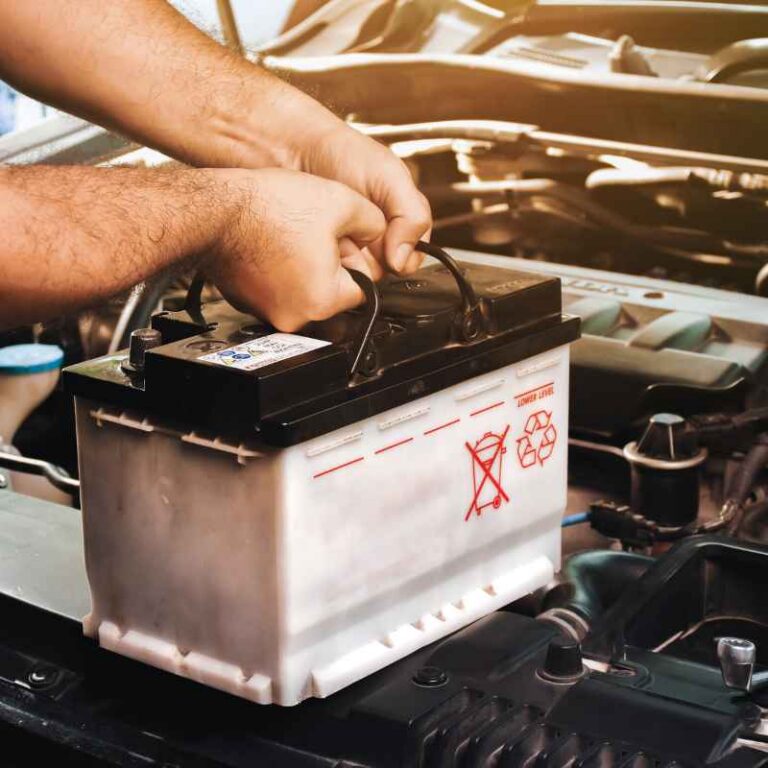
Secure the battery: Bolt the battery down. Put it in a strong box. Place it away from the driver.
A loose battery can cause electrical shorts or fires.
Check your welds: After welding, give them a good tap with a hammer. If they sound hollow or crack, they are no good. Re-weld them.
Wire wheels: Use sturdy wire to tie things together. This includes fenders, bumpers, and even parts of the suspension. It’s a quick way to secure loose items.
Duct tape is your friend: For minor things, like sealing small gaps or temporary fixes, duct tape can work. But don’t rely on it for structural integrity.
Simple Enhancements for Durability
Fluid Management: Drain most fluids to reduce fire hazards and weight.
Fan Removal: Eliminate a common point of failure that can damage the radiator.
Battery Security: Mount the battery firmly in a protected location.
Weld Inspection: Visually and audibly check all welds for soundness.
Wire Tie-Downs: Use strong wire to secure loose components.
Frequently Asked Questions About Demo Derby Cars
What is the best type of car for a demo derby?
Older American cars with body-on-frame construction are generally best. Models like Ford Crown Victorias, Chevrolet Caprices, and older station wagons are popular choices because their frames are robust and easier to reinforce.
How do I reinforce the frame of my car?
You can reinforce the frame by plating the frame rails with steel, boxing in crossmembers, and adding extra bracing around suspension mounting points. Welding is essential for this process.
Is it necessary to weld the doors shut?
Yes, welding the doors shut is a very common and recommended practice. It prevents them from opening during impacts and adds significant rigidity to the car’s structure.
What safety features are most important?
The most important safety features are a strong roll cage, a proper racing harness, securely mounted seats, and a reliable kill switch. Always wear your personal protective gear.
Can I use any tires I want?
Generally, bias-ply tires like old truck tires are preferred for their durability. Radial tires tend to be more prone to damage. Always check the specific rules of your derby event.
How much steel can I add to my car?
This varies greatly by derby rules. Some allow extensive plating and reinforcement, while others are more restrictive. Always consult the official rulebook for your event before adding any steel.
Final Thoughts on Building a Survivor
Building a demo derby car that survives is a rewarding challenge. It’s about more than just brute force. It’s about smart engineering and careful planning.
Focus on the chassis. Protect your driver. And always know the rules.
With the right approach, your car can withstand hits that would crumble others. It’s a process of learning and refining. Enjoy the build.
And may your car last longer than you expect!
Products related to this article
Sponsored / affiliate links. As an Amazon Associate I earn from qualifying purchases. I may earn additional commission from eligible campaigns.