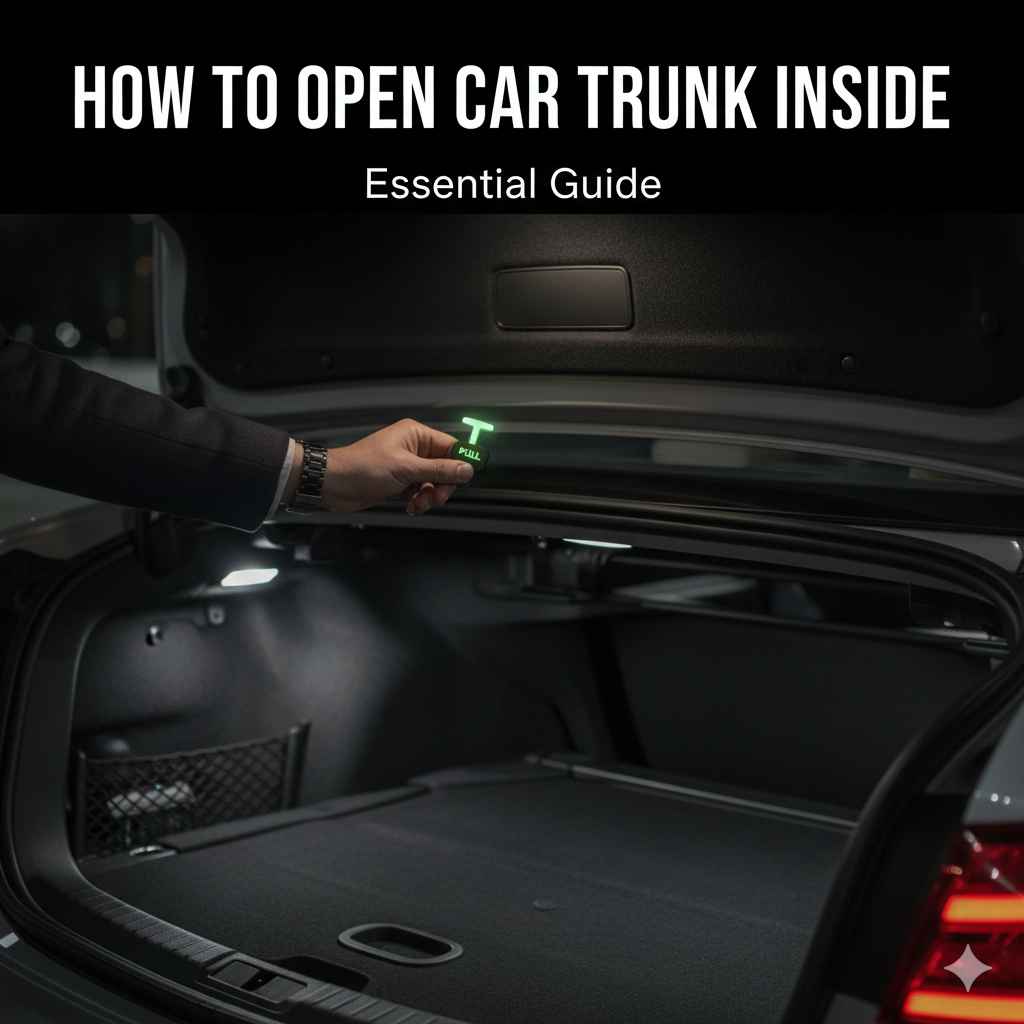
How To Open Car Trunk Inside: Essential Guide
Stuck with a trunk that won’t open from the outside? No worries! This guide shows you exactly how to open your car trunk from inside the cabin. We’ll cover common methods like using the interior release lever or button, plus what to do if those don’t work. Get your trunk open in no time, safely and easily!
Hey there, fellow drivers! Md Meraj here, your go-to guide for all things car-related. We’ve all been there – you’re trying to get something out of the trunk, or maybe you’ve just loaded it, and suddenly… nothing. The outside trunk release isn’t responding, and you’re wondering if your stuff is trapped forever. Don’t panic! Opening your car trunk from the inside is usually a straightforward process, and I’m here to walk you through it step-by-step. I’ll show you the common tricks and what to do if things get a little tricky. Let’s get that trunk open!
Why Can’t I Open My Trunk from the Outside?
It can be frustrating when your trunk release button or lever on the outside of your car decides not to work. Several things could be causing this. Sometimes, it’s a simple electrical glitch, a blown fuse, or a problem with the opener mechanism itself. In other cases, the issue might be related to your car’s security system or even the emergency trunk release inside the trunk (which we’ll cover later!). Understanding these common culprits can help you troubleshoot effectively and get it fixed.
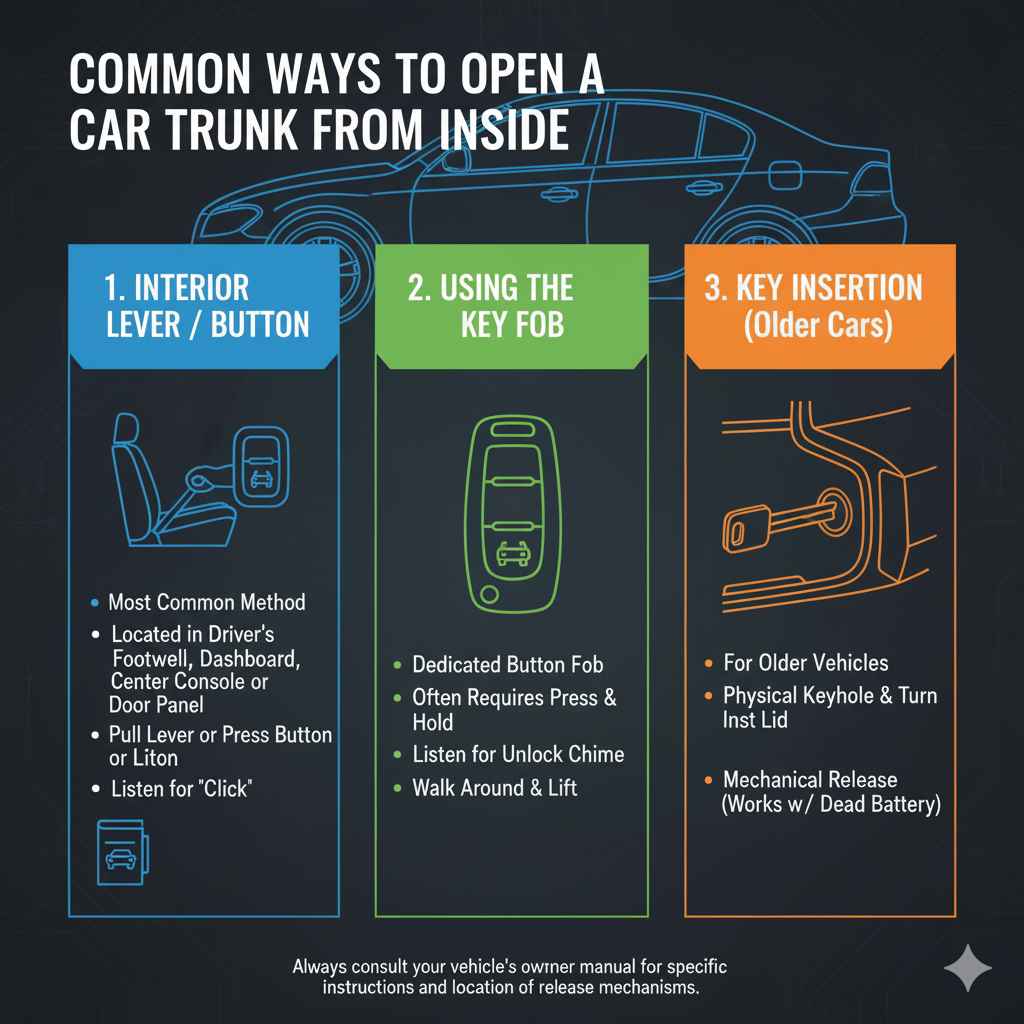
Common Ways to Open a Car Trunk from Inside
Most cars are designed with convenience and safety in mind, meaning there are usually a couple of ways to pop that trunk open from the driver’s seat or the passenger cabin. These methods are your first line of defense when the exterior release fails.
1. Using the Interior Trunk Release Lever or Button
This is the most common and easiest method. Most vehicles have a dedicated lever or button inside the cabin connected to the trunk latch. Here’s where you’ll typically find it:
- Driver’s Side Footwell: Many cars have a small, often red or black, lever near the pedals or in the kick panel on the driver’s side. You simply pull this lever towards you to release the trunk.
- Dashboard or Center Console: Some newer models or specific makes might have a button on the dashboard, near the steering wheel, or on the center console. It often looks like a car silhouette with the trunk open, or it might be labeled “Trunk” or have a trunk icon.
- Driver’s Door Panel: Less common, but some vehicles place the trunk release on the driver’s door armrest, alongside other power window and lock controls.
How to Use It:
- Locate the lever or button. If you’re unsure, check your car’s owner’s manual – it’s usually clearly marked in the index under “Trunk Release” or “Exterior Features.” You can usually find digital copies of your owner’s manual on the NHTSA (National Highway Traffic Safety Administration) website by searching your vehicle’s make and model.
- Once located, firmly pull the lever or press the button. You should hear a “click” or a “thunk” sound, indicating the trunk latch has disengaged.
- Get out of the car and lift the trunk lid. It might pop up a bit on its own or require you to lift it manually.
2. Using the Key Fob
Your key fob is more than just a way to unlock your doors! It often has a dedicated button for the trunk. This is a fantastic backup if the interior lever or button isn’t working or if you can’t reach it.
How to Use It:
- First, try pressing and holding the trunk button on your key fob. This is often a symbol of a trunk with an arrow pointing up.
- If a single press doesn’t work, most manufacturers require you to press and hold the trunk button for a few seconds. Check your owner’s manual for the specific procedure for your car.
- Listen for the audible click or chime that signals the trunk has unlocked.
- Walk around to the back of your car and lift the trunk lid.
Important Note: Some key fobs might not have a dedicated trunk button. In these cases, the trunk might open when you unlock all doors with the “unlock” button on your fob.
3. Using the Key Insertion Method (For Older Vehicles)
If you have an older car, you might not have electric trunk releases inside the cabin or on the fob. Instead, your car key itself might be the solution.
How to Use It:
- Locate the keyhole for the trunk. This is usually on the trunk lid itself, often integrated with the emblem or license plate area.
- Insert your car key into the keyhole.
- Turn the key. Depending on the design, you might turn it left or right. Listen for the latch to disengage.
- Lift the trunk lid manually.
This method is particularly useful because it’s mechanical and doesn’t rely on electricity, meaning it often works even if your car’s battery is dead.
When Interior Methods Don’t Work: Troubleshooting Deeper Issues
Sometimes, even the interior release methods might fail. This usually points to a more significant problem that you might need professional help for, but understanding these issues can prepare you for a mechanic visit or a more advanced DIY attempt.
1. Fuse Issues
Many electric trunk releases are powered by fuses. If a fuse blows, the system won’t get power, and the trunk won’t open electronically. Cars have a fuse box, typically located under the dashboard, in the glove compartment, or under the hood.
What to Do:
- Consult your owner’s manual to locate the fuse box and identify the fuse specifically for the trunk release.
- Once identified, you’ll need a fuse puller (often found in the fuse box itself or available at auto parts stores) to carefully remove the suspected blown fuse.
- Inspect the fuse. A blown fuse will have a broken metal filament inside.
- If it’s blown, replace it with a new fuse of the exact same amperage rating. Using a higher amperage fuse can damage the wiring system.
Where to Find Fuse Information: Your owner’s manual is the best source. However, for a general understanding of fuse box locations and common automotive fuses, sites like AutoZone’s DIY resources offer helpful diagrams and explanations.
2. Battery Problems
If your car battery is dead or very low on charge, electrical components, including the trunk release, won’t function. You might notice other electrical issues in the car as well, like dim headlights or a car that won’t crank.
What to Do:
- Jump Start Your Car: If the battery is just low, you can try jump-starting your vehicle using jumper cables and another car. Follow these steps carefully to avoid damage.
- Charge the Battery: Use a battery charger to bring the charge back up.
- Test or Replace the Battery: If the battery is old or failing, it might need to be tested and potentially replaced. Most auto parts stores offer this service for free.
Trying to open the trunk with a dead battery is impossible for electric releases. Once the car has sufficient power, the interior electronic releases should work again.
3. Cable or Actuator Failure
The trunk release mechanism involves cables or electronic actuators that physically unlatch the trunk. Over time, these components can wear out, break, or become dislodged.
- Cable Issues: If your car uses a physical cable, it might have stretched, snapped, or become disconnected from the latch.
- Actuator Issues: Electronic actuators are small motors that move the latch. These can fail electrically or mechanically.
What to Do: Diagnosing cable or actuator issues usually requires removing interior trim panels to access the mechanism. This can be complex and might be best handled by a mechanic. However, if you’re comfortable removing trim panels (again, your owner’s manual can sometimes guide this), you might be able to visually inspect the cable or actuator for obvious damage.
4. Security System or Alarm Malfunction
In some rare cases, your car’s security system might interfere with the trunk release. This is more likely if the system has malfunctioned or if there’s an issue with the key fob programming.
What to Do:
- Try disarming your car’s alarm system using the key fob or by inserting the key into the driver’s door lock and turning it.
- If you suspect a programming issue with your key fob, consult your owner’s manual for reprogramming instructions or visit a dealership.
Emergency Trunk Release: The Lifesaver Inside the Trunk
This is a critical safety feature mandated in many countries for vehicles manufactured after a certain date (e.g., September 1, 2001, in the US, as per the Federal Motor Vehicle Safety Standard 401). It’s designed to help people (or pets!) trapped inside the trunk escape.
How to Use It (If You Find Yourself Inside):
- Climb into the trunk (if safely possible).
- Look for a glow-in-the-dark handle or lever, usually located on the inside of the trunk lid or near the latch mechanism.
- Pull the handle firmly. This will disengage the latch and allow you to push the trunk open from the inside.
Important: While this is primarily a safety feature for entrapment, if all other methods fail and you can safely access it, it can be a last resort to open the trunk. However, it’s not designed for regular use and can be tricky to find and operate without visibility.
When to Call a Professional
While many trunk release issues can be resolved with simple checks and DIY fixes, there are times when you should call in the experts. These include:
- Complex Electrical Diagnoses: If you’ve checked fuses and the battery and still have no response, there might be a wiring issue or a problem with the car’s Body Control Module (BCM), which requires specialized diagnostic tools.
- Broken Mechanisms: If you suspect the latch mechanism, cables, or actuators are physically broken, replacing them often involves significant disassembly and reassembly.
- Lack of Confidence or Tools: If you’re not comfortable working on your car or don’t have the right tools, it’s always safer to let a professional handle it. A botched DIY repair can sometimes be more expensive than a professional job.
- Safety Concerns: If you’re dealing with anything that makes you feel unsafe, step away and call for help.
A qualified mechanic specializing in auto repair can quickly diagnose the problem and perform the necessary repairs safely and efficiently.
Preventative Maintenance for Your Trunk Release
Keeping your trunk release system in good working order is easier than you think. Here are a few tips:
- Regularly Test the Release: Operate your trunk release (both inside and outside) every few months to ensure it’s working smoothly.
- Keep the Area Clean: debris or dirt can sometimes interfere with the latch mechanism. Give the latch area a quick clean now and then.
- Check Fuses Periodically: While not a frequent task, if you’re ever checking your fuse box for another reason, give the trunk release fuse a quick look.
- Listen for Unusual Noises: If you hear grinding, straining, or unusual sounds when operating the trunk, get it checked out.
Frequently Asked Questions (FAQ)
Q1: My car battery is dead. Can I still open the trunk from inside?
A1: If your trunk release is electric (lever or button inside the car), it will likely not work with a dead battery. However, if your car has a manual keyhole on the trunk lid, you should still be able to open it using your car key. Older vehicles with manual emergency releases inside the trunk might also work.
Q2: I pulled the interior lever, but the trunk didn’t open. What should I check first?
A2: First, ensure your car’s engine is running or the ignition is in the “ON” position, as some electronic releases require power. Then, check your owner’s manual to confirm you’re using the correct lever/button and that it’s functioning properly. If it still doesn’t open, a blown fuse or a problem with the latch mechanism itself are the next likely culprits.
Q3: How do I know if my car has an emergency indoor trunk release?
A3: Most cars manufactured after September 1, 2001, in the US are required to have one. Look inside your trunk lid or near the latch assembly for a glow-in-the-dark handle or lever. Your owner’s manual will also specify its location.
Q4: Can a loose battery terminal cause my trunk to not open electronically?
A4: Yes, a loose or corroded battery terminal can lead to insufficient power reaching various electrical components, including the trunk release system. Ensure your battery terminals are clean and tightly secured. This is a simple but often overlooked fix for many electrical car problems.
Q5: I installed a new stereo, and now my trunk won’t open. Is there a connection?
A5: It’s possible. When installing aftermarket electronics, wires can sometimes be accidentally crossed or disconnected. Check that no wiring related to the trunk release circuit was disturbed during the stereo installation. It may also be a coincidence, and the trunk release issue could be unrelated.
Q6: Is it safe to try and open the trunk by pulling on the latch from the inside if the lever doesn’t work?
A6: It’s generally not recommended to force any part of the trunk latch mechanism. If the interior lever or button doesn’t work, further investigation into fuses, electrical connections, or the latch itself is needed before applying excessive force, which could cause more damage.
Conclusion
Knowing how to open your car’s trunk from the inside is an essential skill for any driver. Whether it’s a simple interior lever, your trusty key fob, or even a mechanical key slot, understanding these methods can save you time and hassle. We’ve covered the common solutions, from locating that hidden lever to troubleshooting fuses and understanding the vital emergency release. Remember, most cars are designed with these easy-access options for good reason. If you ever find yourself stumped, don’t hesitate to consult your owner’s manual or seek help from a trusted mechanic. With a little know-how, you’ll have that trunk open and your items accessible in no time, keeping you on the road with confidence!