How to Prevent Rodents in Car: A Complete Guide
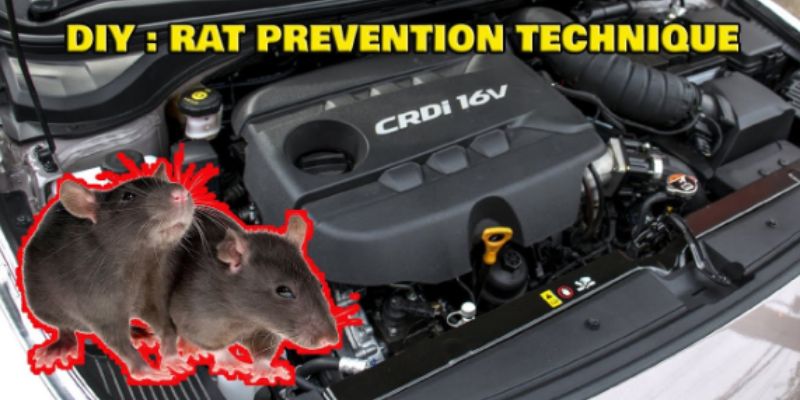
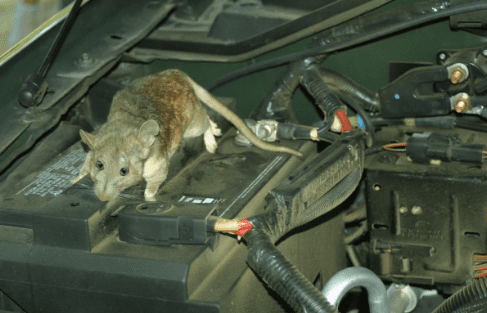
Hey there! I’m so glad you’re here to talk about something that’s a real headache for car owners: how to prevent rodents in your car. A couple of winters ago, I opened the hood of my trusty sedan and found a mouse nest on top of my battery. Talk about a shock! Those little critters had chewed through some wires, and I was stuck with a pricey repair bill. That mess sent me on a mission to figure out why rodents love cars and how to keep them out for good.
I’ve tried all sorts of tricks, talked to mechanics, and even chatted with a pest control expert. Let’s sit down together, and I’ll share everything I’ve learned to protect your car from those pesky rodents. I’ll keep it simple and fun, like we’re swapping stories over a coffee. By the end, you’ll have a game plan to keep your car rodent-free and avoid the headaches I went through. Ready? Let’s dive in!
Why Do Rodents Get Into Cars?
First, let’s figure out why rodents like mice and rats are so drawn to cars. When I found that nest, I couldn’t believe a mouse picked my car over a cozy barn. Turns out, cars are like five-star hotels for rodents. In winter, your engine stays warm long after you park, making it a toasty spot for critters to hide from the cold. I live in Ohio, where winters hit hard, and mice will do anything to stay warm.
Cars also offer shelter. The engine compartment, air vents, and even the trunk protect rodents from predators and rain. I learned they love tight spaces, like under the hood or behind the dashboard. Plus, cars can be a buffet. I had left a granola bar wrapper in my glovebox, and that was enough to attract a mouse. Spilled crumbs, pet food, or even paper towels can lure them in. Knowing why they come helped me figure out how to stop them.
What Damage Can Rodents Cause?
I was floored by how much trouble a tiny mouse could cause. When I took my car to the mechanic, he showed me chewed wires in the engine. Those repairs cost me $300! Rodents can do serious damage, and it’s not just about money. Here’s what I found out:
- Chewed Wires: Mice love gnawing on electrical wiring. This can cause lights to fail, the car not to start, or even a fire risk. My mechanic said it’s a common issue in winter.
- Nests in Filters: Rodents build nests in air filters or cabin filters, clogging them. I found leaves and fur in my air intake, which hurt my AC.
- Chewed Hoses: They can bite through rubber hoses, causing leaks. A friend had to replace a coolant hose because of a rat.
- Contamination: Rodent droppings and urine can stink up your car and spread germs. I had to clean my trunk after finding droppings.
- Expensive Repairs: Damage can cost $100 to $1,000, depending on the car. My $300 bill was on the low end.
Seeing the mess in my car made me determined to keep rodents out for good.
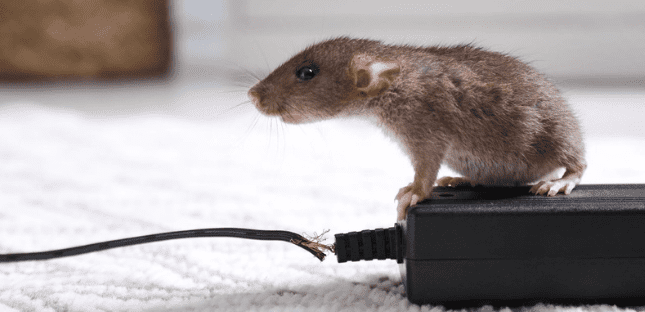
Signs You Have Rodents in Your Car
Before I found that nest, I didn’t realize rodents were in my car. I wish I’d spotted the signs sooner. Here’s what to watch for:
- Droppings: Small, dark pellets in the engine, trunk, or interior. I found some under my driver’s seat.
- Chew Marks: Gnawed wires, hoses, or plastic parts. I saw bite marks on my battery cable.
- Nests: Piles of leaves, paper, or fabric in tight spots. My battery nest was made of shredded napkins.
- Strange Noises: Scratching or scurrying sounds, especially at night. I heard faint noises in my dashboard once.
- Bad Smells: A musky or urine-like odor. My trunk smelled weird before I found the droppings.
If you notice these, check your car right away. Catching rodents early saved me from bigger damage the next time.
Where Do Rodents Enter Cars?
I was curious how those mice got into my car in the first place. A pest control guy showed me the common entry points. Rodents are tiny and can squeeze through holes as small as a dime. Here’s where they sneak in:
- Engine Compartment: Gaps around the hood or firewall let mice climb in. I found a small opening near my windshield wipers.
- Air Vents: Cabin air intakes near the windshield are easy access. My air filter had mouse fur because of this.
- Trunk: Gaps in weatherstripping or spare tire compartments are inviting. I left my trunk open once, and that was enough.
- Undercarriage: Mice can climb tires or suspension parts to reach the engine. I saw one scurry under my car at dusk.
- Interior: Open windows or doors, even briefly, let rodents inside. I forgot my window cracked one night, and that was a mistake.
Knowing these spots helped me focus my prevention efforts.
How to Prevent Rodents in Your Car
Now, let’s get to the good stuff: keeping rodents out of your car. After my mouse fiasco, I tried a bunch of methods, and some worked better than others. Here’s what I do to protect my car:
Park Smart
Where you park makes a big difference. I used to park near a woodpile, which was like a mouse highway to my car. Now, I park in my garage whenever I can. Garages are safer than driveways because they’re sealed from the outdoors. If you don’t have a garage, park away from tall grass, bushes, or trash cans—rodents love those spots. I also avoid parking under trees where squirrels can drop onto my car. A clean parking spot cut down on rodent visits big time.
Keep Your Car Clean
Rodents are suckers for food. I learned this the hard way after leaving that granola bar wrapper. Now, I vacuum my car every month to get rid of crumbs. I check the glovebox, center console, and trunk for snacks or wrappers. I also stopped eating in my car—those fast-food bags are rodent magnets. If you have kids or pets, clean up their messes too. A clean car is way less inviting to mice.
Seal Entry Points
I got serious about sealing my car after finding those entry points. I used steel wool to plug small gaps under the hood, like around the firewall. Steel wool is great because rodents can’t chew through it. I also checked my weatherstripping and replaced a worn piece on my trunk. For air vents, I taped fine mesh over the cabin air intake under the windshield wipers. It’s a cheap fix—$10 at a hardware store—and it keeps mice out. Just make sure not to block airflow completely.
Use Repellents
Repellents were a game-changer for me. I tried a few and found what works. Peppermint oil is my go-to. I soaked cotton balls in it and placed them in the engine, trunk, and interior. The strong smell drives rodents away. I refresh them every two weeks for $5 a bottle. I also tried dryer sheets, which some say repel mice, but they didn’t work as well for me.
Another option is ultrasonic repellers. I bought a $20 plug-in device for my garage, and it emits a sound rodents hate but humans can’t hear. It’s been effective, but it only works in enclosed spaces. Avoid mothballs—they’re toxic and illegal to use this way in many states. I stick to natural repellents to keep things safe.
Set Traps as a Backup
I’m not a fan of killing animals, but sometimes traps are necessary. I set snap traps under my car and in the garage when I saw droppings. I caught two mice in a week, which stopped the problem. Use peanut butter as bait—it’s irresistible to rodents. Place traps near tires or along garage walls where mice travel. Check them daily to avoid smells. Glue traps are another option, but I found them messier. If you don’t like traps, catch-and-release ones work but take more effort.
Maintain Your Car
A well-maintained car is less appealing to rodents. I check my engine every month for nests or chew marks. I also replace my cabin air filter yearly to avoid clogs—mine was $15 at an auto store. Keeping the battery clean prevents rodents from nesting there. I wipe it with a damp cloth to remove dust. Regular oil changes and inspections let mechanics spot rodent signs early. My mechanic caught a nest in my air intake once, saving me a bigger repair.
Protect Your Garage
Since I park in my garage, I made it rodent-proof. I sealed cracks in the walls with caulk and added a door sweep to block gaps. I keep food, like pet kibble, in metal containers—mice can chew through plastic. I also clean up spills and store trash in sealed bins. A tidy garage means fewer rodents near my car. If you don’t have a garage, ask neighbors to keep their yards clean to reduce rodent hideouts.
Use Your Car Regularly
Rodents love cars that sit still. I noticed more mouse activity when I left my car parked for a week. Now, I drive it at least twice a week, even for a short trip. The engine’s heat and vibration scare rodents away. If you can’t drive often, pop the hood occasionally to disturb any critters. I also start my car for a few minutes every few days in winter to keep it “active.”
Table: Rodent Prevention Checklist
Here’s a table I made to stay organized:
| Method | Action | Cost | Notes |
|---|---|---|---|
| Park Smart | Use garage, avoid grass or trash | Free | Check parking spot weekly |
| Keep Car Clean | Vacuum, remove food/wrappers | Free | Monthly cleaning |
| Seal Entry Points | Use steel wool, mesh, weatherstripping | $10-$30 | Check gaps every season |
| Use Repellents | Peppermint oil, ultrasonic device | $5-$20 | Refresh oil biweekly |
| Set Traps | Snap traps with peanut butter | $5-$15 | Check daily, use in garage |
| Maintain Car | Check engine, replace filters | $15-$50 | Monthly inspections |
| Protect Garage | Seal cracks, store food in metal | $10-$50 | Keep tidy, check monthly |
| Drive Regularly | Use car twice a week | Free | Start engine if parked long |
This checklist keeps me on track and my car rodent-free.
Natural vs. Chemical Repellents
I tried both natural and chemical repellents, and natural won for me. Peppermint oil and cedar chips are safe, cheap, and smell nice. I scatter cedar in my garage for $10 a bag. Chemical sprays, like rodent repellent aerosols, work but can be toxic. I used one once, and it left a weird smell in my car. Some chemicals, like mothballs, are illegal for this use and can make you sick. I stick to natural options to protect my kids and pets.
What to Do If Rodents Are Already in Your Car
If rodents are already in your car, don’t panic—I’ve been there. Here’s what I did:
- Inspect Thoroughly: Check the engine, trunk, and interior for nests or droppings. I used a flashlight to look in tight spots.
- Clean Carefully: Wear gloves and a mask to avoid germs. I vacuumed droppings and wiped surfaces with disinfectant.
- Remove Nests: I pulled out the nest on my battery with tongs and bagged it. Check filters and air intakes too.
- Set Traps: I placed snap traps in the car and garage to catch the culprits. It took a week to get them all.
- Repair Damage: I took my car to a mechanic for chewed wires. Fix small damage yourself with electrical tape if you’re handy.
- Prevent Re-Entry: Seal gaps and use repellents right away. I added peppermint oil after cleaning to keep mice out.
Act fast to limit damage and stop more rodents from moving in.
Seasonal Tips for Rodent Prevention
Rodents are sneakier in certain seasons. In fall and winter, they seek warmth, so I double up on prevention. I check my car weekly and refresh repellents. In spring and summer, I focus on keeping the garage clean and parking away from grass. Year-round, I drive regularly and inspect for signs. Adjusting for the season kept my car safe through Ohio’s changing weather.
Cost of Rodent Prevention
I was happy to find prevention is cheap compared to repairs. Here’s what I spent:
- Peppermint Oil: $5 for a bottle, lasts a month.
- Steel Wool/Mesh: $10 for a pack, enough for multiple gaps.
- Snap Traps: $10 for six, reusable.
- Ultrasonic Repeller: $20, lasts years.
- Cabin Air Filter: $15, replaced yearly.
- Caulk/Door Sweep: $20 for garage sealing.
My total was under $80, way less than my $300 repair bill. Prevention saves money and stress.
Why Rodent Prevention Matters
Keeping rodents out isn’t just about saving cash—it’s about safety. Chewed wires can cause fires, and droppings can make you sick. I felt better knowing my car was safe for my kids. Plus, a rodent-free car runs better and avoids costly breakdowns. It’s a small effort for big peace of mind.
Wrapping It Up
So, how do you prevent rodents in your car? It’s all about making your car a place mice and rats don’t want to visit. I went from a mouse-infested sedan to a rodent-free ride by parking smart, keeping it clean, sealing gaps, and using repellents like peppermint oil. Those little critters don’t stand a chance now! With a few cheap tricks and regular checks, you can protect your car from damage, save hundreds on repairs, and drive worry-free. So, grab some steel wool, vacuum those crumbs, and show rodents the door. Your car deserves it, and you’ll love the confidence of a pest-free ride. Thanks for diving into this with me—let’s keep those wheels rolling, rodent-free!
FAQs
Why do rodents get into cars?
They’re attracted to warmth, shelter, and food. My car’s warm engine and a granola bar wrapper drew mice in during winter.
How can I tell if rodents are in my car?
Look for droppings, chew marks, nests, or strange smells. I found pellets under my seat and a nest on my battery.
What’s the best way to keep rodents out of my car?
Clean your car, seal gaps, use peppermint oil, and park in a garage. I use cotton balls with peppermint oil under the hood.
Are rodent repellents safe for my car?
Natural ones like peppermint oil and cedar are safe. I avoid toxic chemicals like mothballs because they’re harmful and illegal for this use.
What should I do if I find rodents in my car?
Clean droppings, remove nests, set traps, and seal entry points. I caught two mice with snap traps and fixed a chewed wire.