How to Protect Black Car Paint from Scratches for Beginners
Learning How to Protect Black Car Paint from Scratches can seem hard at first. Black cars look amazing when they’re clean, but they show every little mark. You might feel worried about messing up. Don’t worry, everyone starts somewhere! This guide will make things easy, showing you simple steps to keep your black car looking great. Get ready to discover a simple plan to keep your paint looking its best!
Understanding Why Black Paint Needs Special Care
Black car paint is very popular because it looks sleek and stylish. However, this color shows scratches, swirl marks, and other imperfections much more than lighter colors. This is because black paint absorbs light, making any tiny damage very obvious. The manufacturing process of black paint can also sometimes contribute to this issue, as it may be more prone to showing defects compared to other colors. You will often see a black car look perfect from far away, but up close, you notice all the little issues. Don’t worry, with the right steps, you can keep your black car looking amazing. We’ll explore the basics of black paint and what makes it different from other colors.
The Science Behind Black Car Paint
Car paint is made of several layers. There’s a primer, the color coat, and a clear coat. The color coat, of course, is what gives your car its color. The clear coat is like a shield. It protects the color coat from UV rays, which can fade the paint, and from scratches. Black paint is a pigment-rich color, meaning it has a lot of pigment. This pigment is what gives it its dark shade, but it also means any imperfection, like a tiny scratch, will be easier to spot. You have to remember that because black paint is so dark, light reflects off it differently. This makes any swirl marks or scratches stand out, causing the paint to look less shiny and smooth.
- Pigment Composition: Black paint uses black pigments that are highly effective at absorbing light. This is why scratches are so noticeable.
- UV Absorption: Dark colors often absorb more UV light, leading to a higher risk of paint damage over time. Protecting the paint is essential.
- Reflection Characteristics: Black paint creates a deep, glossy look, but this also means any surface imperfections become incredibly noticeable.
- Manufacturing Differences: Some black paints can be sensitive to environmental factors and require special care.
A study showed that on average, black cars require detailing about 10-15% more often than cars with lighter paint colors. This is largely due to the visibility of imperfections.
Common Causes of Scratches on Black Paint
Scratches on your black car can come from many sources. Washing your car incorrectly is a major cause. Using a dirty sponge or rag can drag dirt across the paint, creating swirl marks. Another common source is automatic car washes that use harsh brushes. Branches and debris from the road can also cause scratches. Even improper waxing can lead to tiny scratches if done incorrectly. It’s important to know what causes scratches to avoid them. Let’s explore the common culprits and how to avoid them.
- Improper Washing Techniques: Using dirty wash mitts or sponges can trap dirt and create scratches as you wash your car.
- Automatic Car Washes: Many automatic car washes use brushes that can be harsh on the paint surface, leading to swirl marks.
- Road Debris: Rocks, sand, and other debris kicked up by other cars can impact your car’s paint.
- Environmental Factors: Bird droppings, tree sap, and insect remains can cause permanent damage if not removed promptly.
- Poor Waxing and Detailing Practices: Using dirty cloths or applying wax incorrectly can also scratch the paint.
Preventing Scratches through Proper Washing Techniques
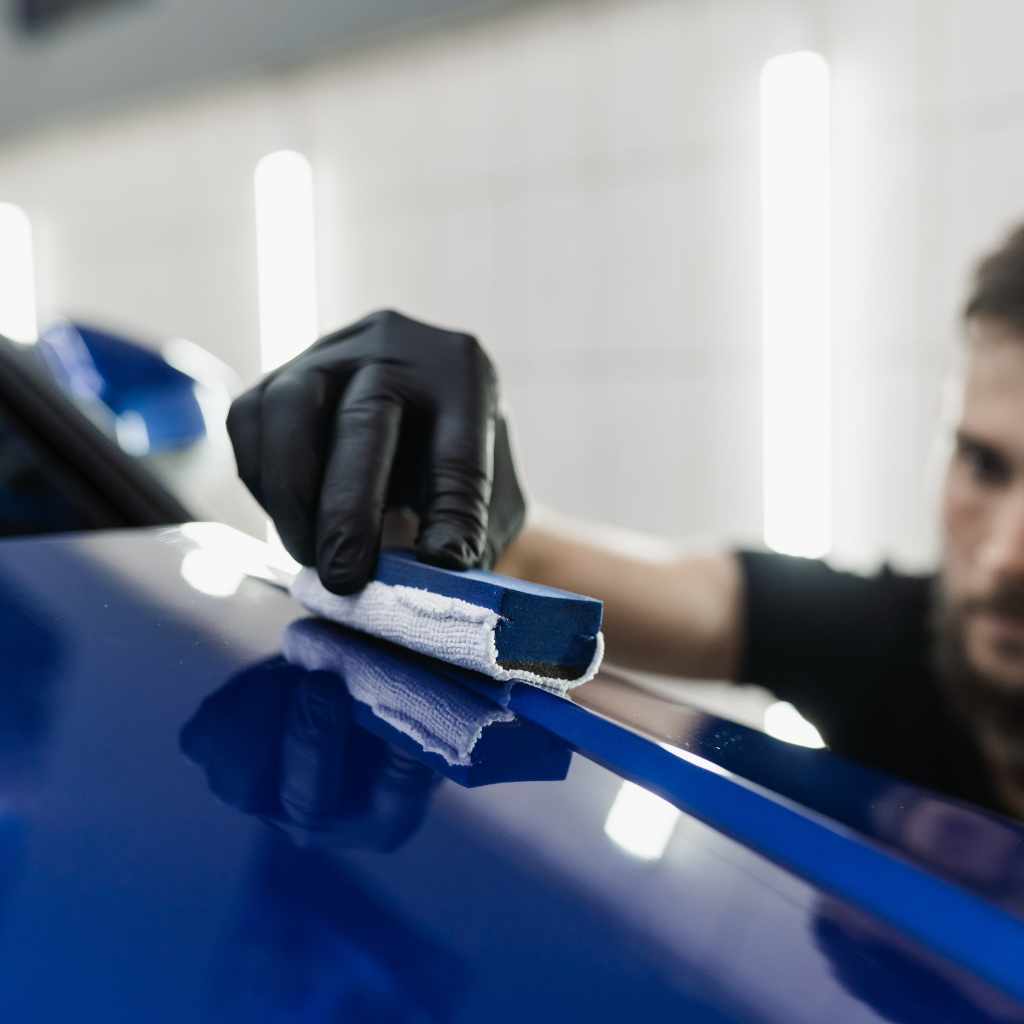
Washing your car is something you can do at home, and it’s a key step to protecting your car’s paint. The goal is to remove dirt and grime gently without causing damage. The right washing techniques and the right products make a huge difference. Using the wrong products or methods can actually cause scratches. Here is an easy step-by-step guide to washing your black car without damaging the paint.
The Two-Bucket Wash Method
The two-bucket wash is a great approach for safe car washing. It is easy and helps to avoid scratches. It involves using two buckets, one with soapy water and another with clean water. You dip your wash mitt into the soapy water to pick up the soap. Then, you wash a section of the car. Before you dip back into the soapy water, you rinse your wash mitt in the clean water bucket to remove any dirt. This way, you avoid putting dirty water back into the soapy water, which would cause scratches. This method is the foundation of scratch-free washing.
- Prepare Your Buckets: Fill one bucket with soapy water (car wash soap mixed with water) and the other with plain, clean water.
- Rinse the Car: Before you start washing, rinse the entire car with water to remove loose dirt and debris.
- Wash One Section at a Time: Dip your wash mitt into the soapy water, wash a small section of the car, and then rinse the wash mitt in the clean water bucket.
- Repeat: Continue washing and rinsing in sections, working your way around the car.
- Rinse Again: Once you’ve washed the whole car, rinse it thoroughly with clean water to remove all the soap.
- Dry Carefully: Dry the car with a clean microfiber towel to prevent water spots.
Choosing the Right Products
The car wash soap you use matters a lot. You want a soap that cleans well but also protects the paint. Look for car wash soaps that are pH-neutral. These soaps won’t strip away wax or sealant. This keeps the paint protected. The wash mitt or sponge you use is also important. Microfiber wash mitts are soft and gentle on the paint. They pick up dirt without scratching. Don’t use regular sponges, as they can trap dirt and create scratches. The correct tools and products can make a huge difference in protecting your black car paint.
- pH-Neutral Car Wash Soap: These soaps are gentle and won’t strip protective wax.
- Microfiber Wash Mitt: Soft, absorbent, and designed to trap dirt, minimizing scratches.
- Microfiber Drying Towels: Absorbent and soft to safely dry your car without causing scratches.
- Dedicated Wheel Cleaners: Using separate cleaners for wheels can prevent cross-contamination.
- Water Filtration System (Optional): If you have hard water, using filtered water can prevent water spots.
Applying Protective Layers to Your Black Car Paint
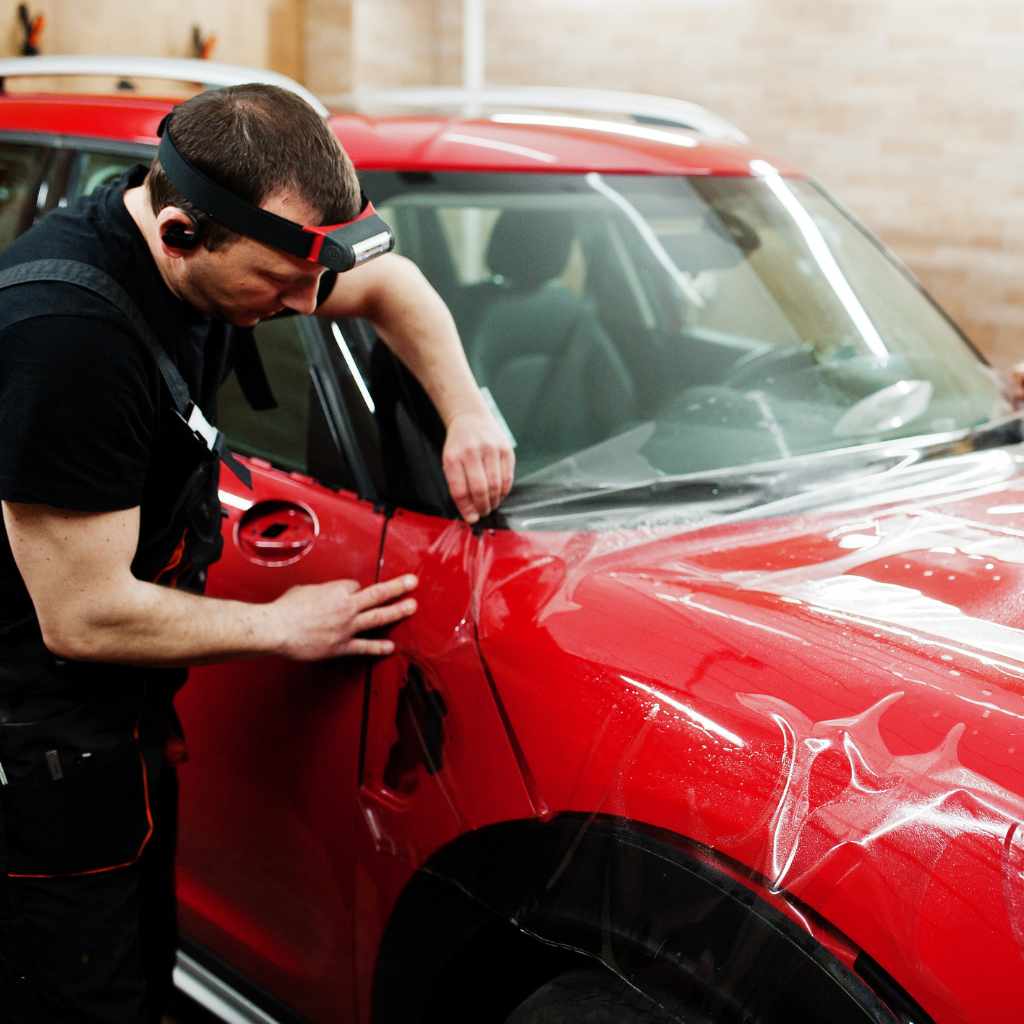
After washing your black car, the next step is to add protection. This is where waxing and applying other coatings comes in. These protective layers act as a barrier between your car’s paint and the elements, reducing the chances of scratches and other damage. They also make your car easier to wash. Waxing, sealing, and coating are all approaches that can give your black paint extra protection and shine. Explore the benefits of each approach.
Waxing Your Car
Waxing is a classic way to protect car paint. It adds a layer of protection and makes your car shine. There are several different types of waxes, like carnauba wax and synthetic waxes. Carnauba wax is a natural wax that gives a warm, deep shine. Synthetic waxes last longer and provide better protection. To wax your car, you apply a thin, even layer of wax. Then, after it dries, you buff it off. The wax fills in tiny imperfections and creates a barrier against dirt, UV rays, and water. This is a great, simple way to start protecting your car.
Sealants and Coatings
If you want more protection than wax, consider sealants and ceramic coatings. Sealants are synthetic products that provide long-lasting protection and a high gloss finish. They bond to the paint and create a durable barrier against the elements. Ceramic coatings are the most advanced option. These coatings create a very hard, durable layer that protects the paint from scratches, UV rays, and chemicals. Ceramic coatings last longer than waxes or sealants. They also make your car much easier to clean. They cause water to bead up and roll off. So, your car stays cleaner longer.
- Wax: Easy to apply and provides a good shine.
- Sealants: Longer-lasting protection and durability than wax.
- Ceramic Coatings: Provide the highest level of protection, long-lasting durability, and a deep gloss finish.
- Application Methods: Waxing and sealing can be applied by hand. Ceramic coatings often require professional application for the best results.
- Maintenance: Regular washing with pH-neutral soap is essential to maintain the protective layers.
Studies show that cars with ceramic coatings can stay cleaner for up to 60% longer than cars without, due to their hydrophobic properties.
Step-by-Step Guide to Applying Wax or Sealant
Waxing or sealing your car might seem complex, but it’s pretty easy. First, you need to wash and dry your car very well. Make sure there is no dirt or water on the paint. Then, apply the wax or sealant. Apply it in a thin, even layer. Using a foam applicator is best. Work in small sections, like one panel at a time. Let the wax or sealant dry. This usually takes 15-30 minutes. Once it’s dry, buff it off using a clean microfiber towel. It will remove any extra product. Your car should have a nice shine. Following these steps will keep your black car paint looking great.
Addressing Existing Scratches and Swirl Marks
Even if you’re careful, your car may still get some scratches. These small marks can make your black car look dull. Luckily, there are ways to fix them. You can use different methods to remove scratches and swirl marks from your car’s paint. These processes will help get your car paint back to a great condition. Explore how to address those little imperfections.
Identifying the Type of Scratch
Before you can fix a scratch, you need to figure out how bad it is. There are different types of scratches, from minor surface scratches to deeper ones that go through the clear coat. Light scratches, often called swirl marks, only affect the clear coat. These are usually caused by improper washing or drying. Medium scratches go a bit deeper, potentially through the clear coat and into the color coat. Deep scratches go through all the layers and can even reach the primer or metal. Identifying the type of scratch will determine the approach needed to fix it.
- Surface Scratches: These are very light and only affect the clear coat.
- Moderate Scratches: These scratches go through the clear coat and may affect the color coat.
- Deep Scratches: These are the most severe and can go through all layers, including the primer.
- Inspection Tools: Use good lighting to see the scratches clearly.
- Scratch Depth Assessment: Try running your fingernail over the scratch. If your nail catches, it’s likely a deeper scratch.
Scratch Removal Methods
The approach you take to remove scratches depends on how bad they are. For light scratches, a polishing compound can often do the trick. A polishing compound is a mild abrasive that removes a tiny layer of the clear coat. This smooths out the surface and removes the scratches. For moderate scratches, you might need a more aggressive approach, such as compounding. Compounding removes a larger amount of the clear coat. It is important to remember to follow up with polishing to restore the shine. You can even consider paint correction, a multi-step process for removing scratches. For deep scratches, you may need to fill the scratch. In cases of significant scratches, professional help is key.
- Polishing Compounds: Excellent for removing light scratches and swirl marks.
- Compounding: A more aggressive approach for moderate scratches that removes more of the clear coat.
- Paint Correction: A multi-step process involving compounding, polishing, and sometimes wet sanding.
- Touch-Up Paint: For deeper scratches, touch-up paint can fill the scratch, followed by compounding and polishing.
- Professional Detailing: For complex cases, professionals offer services for scratch removal and paint correction.
Maintaining Your Black Car Paint
Protecting your black car paint doesn’t stop after the initial steps. Regular maintenance is key. Regular washing, waxing, and inspecting your car are all important. Create a maintenance routine to keep your car looking its best. Follow a simple maintenance routine to keep your black car paint looking great.
Regular Washing and Cleaning
Wash your black car regularly to remove dirt and grime. This is a simple thing that helps prevent scratches. When you wash your car, follow the two-bucket method. Use a pH-neutral car wash soap. This will avoid removing the protective wax or coating. Also, use soft microfiber towels for drying to avoid swirls. Washing frequently can help keep your black car paint looking perfect.
Waxing and Sealing Frequency
How often you wax or seal your car depends on the type of product you use. Waxes typically last a few months. You should wax your car every 2-3 months to maintain protection. Sealants last longer, about 6-12 months. Ceramic coatings can last for years. You can reapply wax or sealant when the water starts to bead less on your car’s surface. Check the water beading regularly to see if it is time to wax or seal.
Inspection and Early Detection
Regularly inspect your black car’s paint for any new scratches or imperfections. Look closely at the paint in bright light. This will help you spot any problems early on, before they get worse. If you find any scratches, address them right away. Quick action will keep your car looking great. Take time to look at your car often.
Frequently Asked Questions
Question: How often should I wash my black car?
Answer: It’s best to wash your black car every one to two weeks, or more frequently if it gets dirty from pollen, road grime, or other contaminants.
Question: Is it safe to use automatic car washes on black paint?
Answer: It’s generally not recommended. Automatic car washes with brushes can cause scratches and swirl marks on your paint. Touchless car washes are a better choice.
Question: How can I remove swirl marks?
Answer: Swirl marks can often be removed with a polishing compound or by professionally detailing the car.
Question: What’s the best way to dry my car without causing scratches?
Answer: Use a clean, soft microfiber drying towel. Avoid rubbing hard and pat the surface instead of dragging the towel.
Question: How often should I wax my car?
Answer: Wax your car every 2-3 months to maintain protection.
Final Thoughts
Keeping your black car paint scratch-free is possible with the right plan. You have discovered essential methods for washing, protecting, and caring for your car’s paint. Remember that regular washing with the two-bucket method is a key step. Applying wax, sealants, or ceramic coatings provides a protective barrier. When you see a scratch, act fast. Determine its depth and take the necessary steps. You can often fix light scratches yourself using polishing compounds. Remember, consistent care is everything. Put these practices into action and enjoy a beautiful, shiny black car!