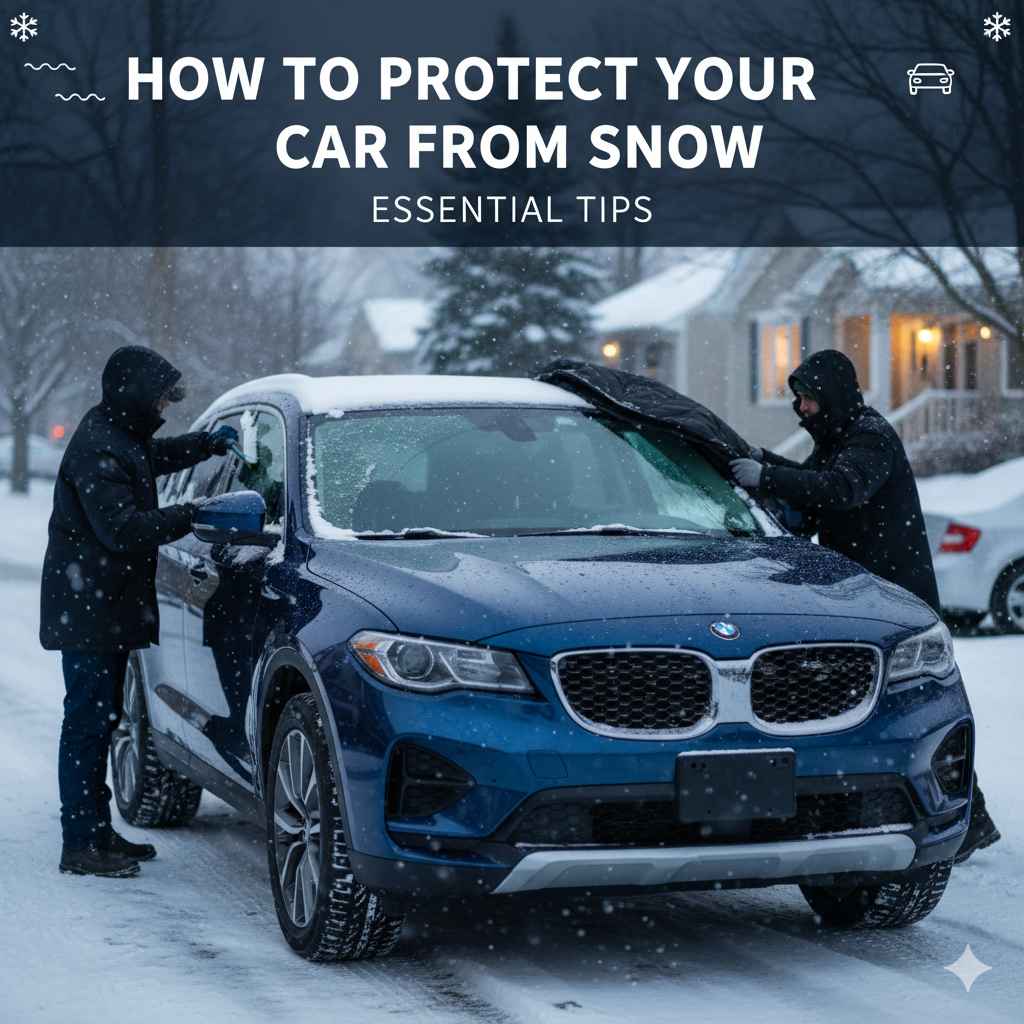
How to Protect Your Car From Snow: Essential Tips
Protecting your car from snow involves simple yet crucial steps: use a quality car cover, clear snow and ice thoroughly before driving, maintain your tires, check fluids, and consider undercoating. Following these tips will keep your vehicle safe and running smoothly through winter.
Winter might be beautiful with its blanket of snow, but for car owners, it can bring a host of challenges. Freezing temperatures, heavy snowfall, and road salt can take a toll on your vehicle, leading to rust, battery issues, and even accidents if you’re not prepared. It’s easy to feel overwhelmed, but don’t worry! As your friendly guide to all things automotive, I’m here to break down how to protect your car from snow in a way that’s simple, practical, and won’t break the bank. We’ll cover everything from quick daily habits to essential maintenance that makes a big difference. Let’s get your car ready to face the winter chill with confidence!
Why Winter is Tough on Cars
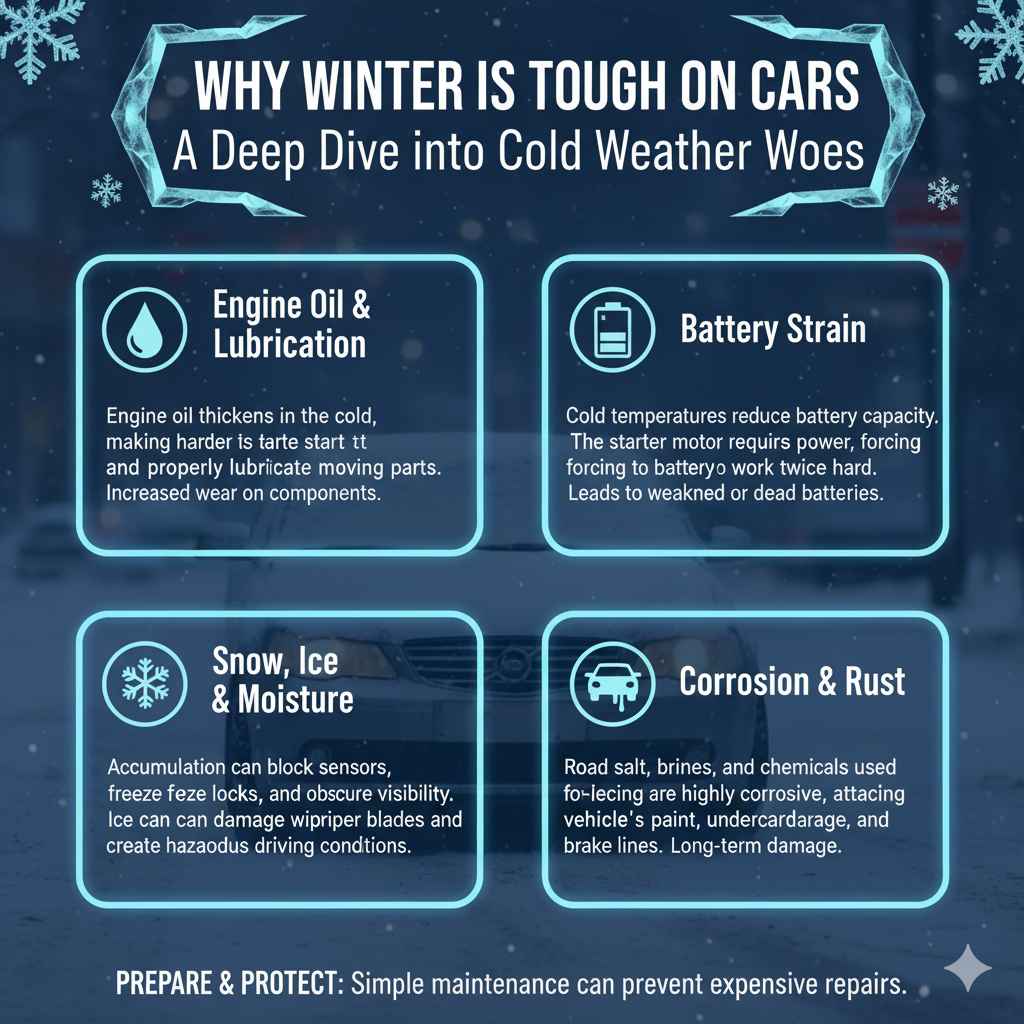
You might wonder why snow and cold are such a big deal for your car. It’s not just about looking pretty! Cold weather actually changes how your car’s components function. Engine oil becomes thicker, making it harder for your engine to start and lubricate itself. Your battery has to work twice as hard to crank the engine. And then there’s the snow and ice themselves, along with the salt and chemicals used on roads, which are notorious for causing corrosion and rust. Ignoring these winter woes can lead to expensive repairs down the line. But with a little preparation, you can significantly reduce the risks and keep your car in top shape.
Essential Steps: How to Protect Your Car From Snow
Taking proactive steps is key to giving your car the best defense against winter’s harshest elements. These tips are designed to be easy to follow for any car owner, focusing on preventing damage and ensuring your car remains reliable.
1. The Power of a Car Cover
A good car cover is your car’s first line of defense against snow, ice, and damaging UV rays that can still penetrate on cloudy winter days. It acts like a protective shield, keeping the harshest elements from directly contacting your car’s paint and surfaces.
Choosing the Right Cover
Not all car covers are created equal, especially when winter is concerned. You’ll want a cover that is:
- Waterproof or Water-Resistant: This is crucial to prevent snow and ice from soaking through to your car’s paint.
- Breathable: A breathable cover allows moisture that might get trapped underneath to escape, preventing mold and mildew growth.
- Durable: Look for materials that can withstand rough weather and won’t tear easily.
- Fitted or Semi-Fitted: A cover that hugs your car’s shape is less likely to blow away in strong winds and offers better protection than a loose-fitting one.
- Soft Interior Lining: A soft lining prevents scratches on your car’s paintwork.
Investing in a quality cover pays off by preserving your car’s appearance and protecting its finish from chips and scratches caused by ice and falling debris. For comprehensive information on car care, including seasonal tips, the U.S. Department of Energy offers valuable resources on vehicle maintenance.
How to Use a Car Cover Effectively
Using a car cover is simple, but doing it right makes a difference:
- Ensure the Car is Clean: Always put the cover on a clean car. Even a little dirt can cause scratches when the cover rubs against the paint during windy conditions.
- Dry the Cover First: If the cover gets wet, try to dry it as much as possible before putting it away. A damp cover can freeze to your car.
- Secure It Properly: Most covers have elastic hems, straps, or buckles. Make sure they are fastened securely to prevent the cover from being blown off by strong winds.
- Clear Snow Off the Cover Gently: If snow accumulates on the cover, brush it off gently. Never try to pull a frozen cover off the car, as it can damage both the cover and your paint. Wait for it to thaw or use a soft brush.
2. The Art of Snow and Ice Removal
This is perhaps the most common winter battle. Effectively clearing snow and ice isn’t just about visibility; it’s about protecting your car’s sensitive parts.
Essential Tools for Snow Removal
Having the right gear makes all the difference. Here’s what you’ll want:
- Snow Brush with an Ice Scraper: A good quality brush with a long handle is essential for clearing your windshield, roof, and windows. The scraper end tackles ice.
- Snow Shovel: Keep one in your trunk to dig your tires out if you get stuck. A collapsible shovel is a great space-saver.
- De-icer Spray: Useful for stubborn patches of ice on windows and locks.
- Microfiber Cloths: For wiping away moisture and preventing streaks.
Always clear your entire car, not just the windows. Snow left on the roof can slide down and obstruct your view while driving, or worse, frighten other drivers.
Step-by-Step Snow Clearing
- Start Your Car: Turn on your engine and let it run for a few minutes. This warms up your windows, making ice removal easier and faster. You can also turn on the defroster.
- Clear the Roof: Use your snow brush to gently sweep snow off the roof and hood. Avoid harsh scrubbing that could scratch the paint.
- Tackle the Windows: Use the ice scraper on your windshield, side windows, and rear window. Work from top to bottom.
- Brush Off Remaining Snow: Use the brush to clear headlights, taillights, and mirrors. Ensure all snow is removed for maximum visibility and to comply with traffic laws.
- Wipe with a Cloth: Use a clean microfiber cloth to wipe away any remaining grit or moisture, especially around the edges of windows, to improve visibility.
Important Safety Note: Never use hot water to de-ice your windows. The sudden temperature change can cause the glass to crack. Visit NHTSA’s Winter Driving Safety page for more vital safety tips.
3. Tire Care: Your Grip on Winter Roads
Your tires are the only part of your car that touches the road, making them critically important in winter. Proper tires can be the difference between safe travel and a dangerous skid.
Winter Tires vs. All-Season Tires
While all-season tires can handle light snow, dedicated winter tires are designed with a special rubber compound that stays flexible in freezing temperatures and a tread pattern that grips snow and ice much better. If you live in an area with frequent or heavy snow, investing in a set of winter tires is one of the most effective ways to protect yourself and your car.
Checking Tire Pressure
Cold weather causes tire pressure to drop. Underinflated tires don’t grip as well, wear unevenly, and reduce fuel efficiency. Check your tire pressure regularly, especially during drastic temperature changes. You can find the correct tire pressure for your vehicle on a sticker inside the driver’s side doorjamb or in your owner’s manual.
Tread Depth Matters
Worn-out tires have less grip. Ensure your tire tread is deep enough to channel away snow and water. A simple way to check is the penny test: insert a penny head-first into the deepest part of the tread. If you can see the top of Lincoln’s head, it’s time for new tires.
4. Fluid Checks: Keeping It Running Smoothly
Your car relies on various fluids to operate, and extreme cold can affect them. Keeping them topped up and at the correct level is essential.
Windshield Wiper Fluid
Never use plain water for your windshield washer fluid in winter. It will freeze, potentially damaging the reservoir and lines, and rendering your wipers useless. Always use a washer fluid rated for freezing temperatures (often labeled “winter formula” or “all-season”). These contain antifreeze agents. Refill your reservoir regularly before it gets low and freezes.
Antifreeze (Coolant)
Your engine’s coolant prevents it from overheating in summer and freezing in winter. Ensure your antifreeze is at the correct concentration for your climate. The standard mix is usually 50/50 antifreeze and distilled water. You can test your coolant’s freeze protection level with an inexpensive coolant tester, available at most auto parts stores.
Other Fluids to Monitor
While less directly impacted by freezing, engine oil viscosity changes in cold. Ensure you’re using the recommended oil grade for your vehicle, especially if it’s one designed for cold weather (e.g., a 0W-30 or 5W-30). Check your owner’s manual for recommendations.
5. Battery Health: The Unsung Hero of Winter Starts
A car battery has a tough job in the cold. As temperatures drop, the chemical reactions that produce electricity slow down, and the thicker engine oil requires more power to start the engine. This combination makes batteries more likely to fail in winter.
Testing Your Battery
Before winter truly sets in, have your battery tested. Most auto parts stores offer free battery testing. They can check the battery’s voltage and cold-cranking amps (CCA), which indicate its ability to start the engine in cold weather.
Cleaning Battery Terminals
Corroded battery terminals can impede electrical flow. Clean them with a wire brush and a mixture of baking soda and water. Once clean and dry, apply a thin layer of dielectric grease or petroleum jelly to prevent future corrosion.
Signs of a Weak Battery
Pay attention to slow engine cranking, dim headlights when the engine is off, or warning lights on your dashboard. These can all be signs that your battery is on its way out.
6. Protect Your Car’s Exterior and Undercarriage
Road salt, chemicals, and moisture are a recipe for rust and paint damage. Taking steps to protect your car’s body can save you from costly repairs.
Wash Your Car Regularly
Contrary to popular belief, washing your car in winter can be beneficial, provided you do it correctly. Regular washes, especially after driving on treated roads, remove the corrosive salt and chemicals that stick to your car’s paint and undercarriage. If you can’t wash it yourself, visit a touchless car wash that rinses the undercarriage.
Consider an Undercoating or Rust Proofing
For those living in areas with heavy salting, a professional undercoating or rust-proofing treatment can provide an extra layer of protection against corrosion. These treatments create a barrier that salt and moisture struggle to penetrate. This is a more significant investment but can greatly extend the life of your car’s body, especially in harsh climates. Research reputable application services in your area.
Wax Your Car
Applying a good quality car wax before winter hits creates a protective layer over your car’s paint. This wax barrier helps repel water, salt, and grime, making it easier to wash off and preventing contaminants from reaching the paint surface.
7. Interior Protection
Don’t forget the inside of your car! Wet boots and snow can lead to damp carpets and potential mold issues.
All-Weather Floor Mats
Invest in heavy-duty, all-weather rubber floor mats. They have raised edges that trap snow, salt, water, and mud from melting boots, protecting your car’s carpet. They are also much easier to clean than carpeted mats.
Keep it Dry
Try to shake off excess snow and water from your boots before getting into the car. You can also keep a small towel or a portable litter box liner in your car to place on the floor or seats if you get caught in a downpour or heavy snow.
8. Parking Smart
Where you park your car can make a significant difference in how much snow and ice it accumulates.
Garages and Carports
The best protection is parking in a garage or under a carport. This keeps snow and ice off your vehicle entirely, reducing the need for extensive de-icing and preventing potential damage from falling ice.
Shielding from Wind
If you must park outdoors, try to park in a spot that offers at least some protection from the wind. Wind can drive snow into areas of your car that might otherwise stay dry. Parking facing away from prevailing winds can sometimes help.
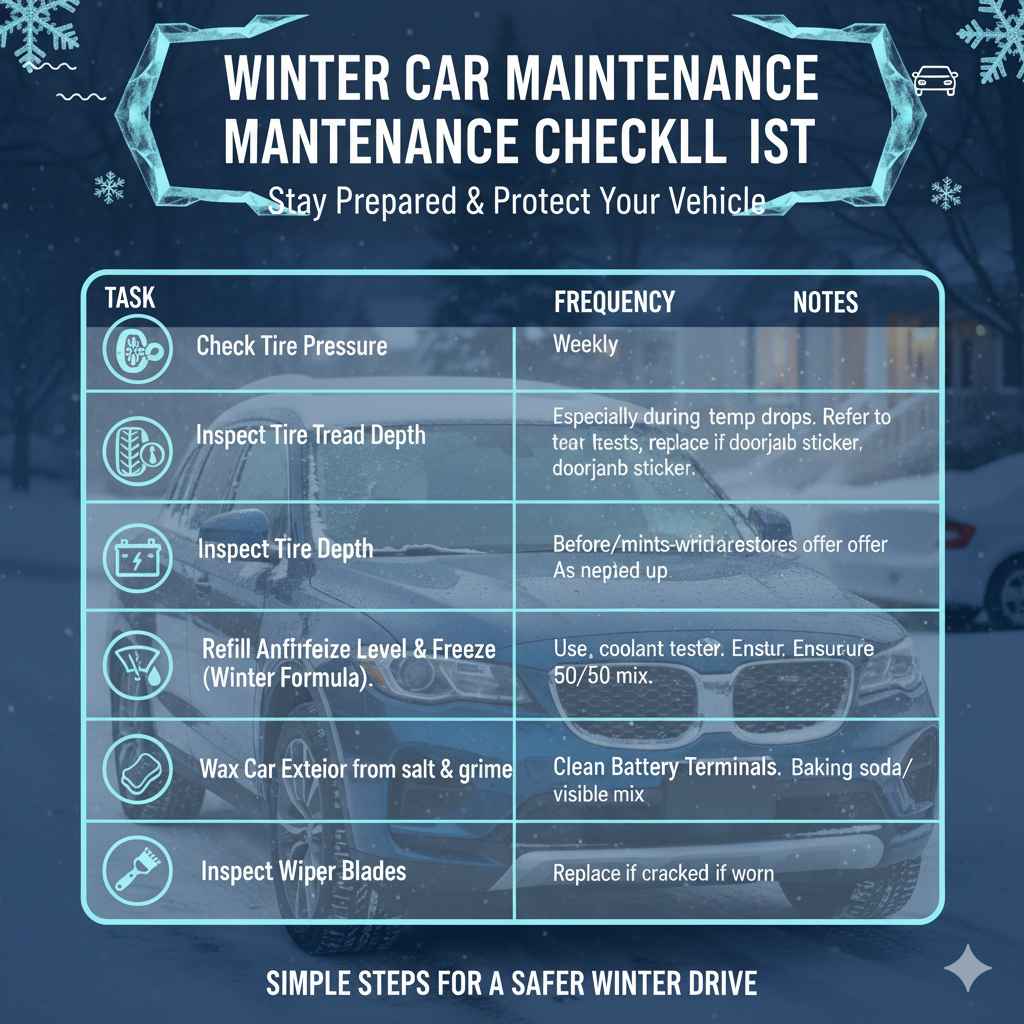
Table: Winter Car Maintenance Checklist
Here’s a quick checklist to help you stay on top of essential winter car care:
| Task | Frequency | Notes |
|---|---|---|
| Check Tire Pressure | Weekly | Especially during temperature drops. Refer to doorjamb sticker. |
| Inspect Tire Tread Depth | Monthly | Use a penny test; replace if needed. |
| Test Battery Strength | Before winter begins | Most auto parts stores offer free testing. |
| Check Antifreeze Level & Freeze Protection | Before winter, mid-winter | Use a coolant tester. Ensure 50/50 mix. |
| Refill Windshield Washer Fluid (Winter Formula) | As needed | Keep it topped up. |
| Wax Car Exterior | Before winter | Protects paint from salt and grime. |
| Clean Battery Terminals | Before winter, or if corrosion is visible | Use baking soda/water mix and a brush. |
| Inspect Wiper Blades | Before winter | Replace if cracked or worn for clear visibility. |
Frequently Asked Questions (FAQ)
Q1: How often should I wash my car in winter?
It’s a good idea to wash your car at least once a month, especially after driving on roads treated with salt or de-icing chemicals. A touchless car wash that includes an undercarriage rinse is a great option to remove corrosive buildup.
Q2: Can I use my regular car shampoo in winter?
Yes, for the most part. However, focus on removing salt and grime. If washing at home, ensure you rinse thoroughly. If temperatures are expected to drop below freezing immediately after washing, avoid washing in direct sunlight and try to dry off door seals and locks to prevent them from freezing shut.
Q3: What’s the best way to de-ice my car quickly?
Start your car and turn on the defroster at high. While it warms up, use a good quality ice scraper and snow brush to meticulously clear all windows, mirrors, and lights. For stubborn ice, a commercially available de-icer spray can be very effective. Never use hot water, as it can crack your windshield.
Q4: Do I really need to clear snow off the roof of my car?
Absolutely. Leaving snow on your roof is dangerous. It can slide off while you’re driving, obstructing your view and that of other drivers. It can also fly off onto surrounding vehicles, potentially causing accidents. Plus, it can loosen and fly off in large chunks.
Q5: My car struggles to start in the cold. What’s wrong?
This is often a sign of a weak battery. Cold weather significantly reduces a battery’s power. It could also be thickened engine oil making it harder to crank. Get your battery tested, and ensure you’re using the correct viscosity engine oil recommended for your car by the manufacturer.
Q6: Are winter tires worth the cost?
For areas with regular snow and ice, yes, winter tires are a worthwhile investment. They provide significantly better grip, braking, and handling in cold temperatures compared to all-season tires. This increased safety can prevent accidents and protect your car from damage. For more detailed information, you can consult resources on tire safety.
These questions cover some of the most common concerns car owners have when winter rolls around. Remember, proactive care is the best approach!
Conclusion
Winterizing your car doesn’t have to be a daunting task. By implementing these essential tips—from using a quality car cover and mastering snow removal to ensuring your tires, fluids, and battery are in good shape—you’re setting your vehicle up for a smooth, safe, and damage-free winter. Taking a little time now to protect your car will save you stress and money in the long run. Think of it as giving your car a warm, protective coat for the cold season. With these simple steps, you and your car can confidently navigate whatever winter throws your way.