How To Turn On Car Lights In Fog The Right Way
Dealing with fog when driving can be really unsettling. You might be unsure about your car’s lights. Knowing how to use them properly makes a huge difference.
It keeps you safe and helps others see you better. This guide will help you understand your car’s fog lights and other important light settings. We’ll cover when to use them and why it matters.
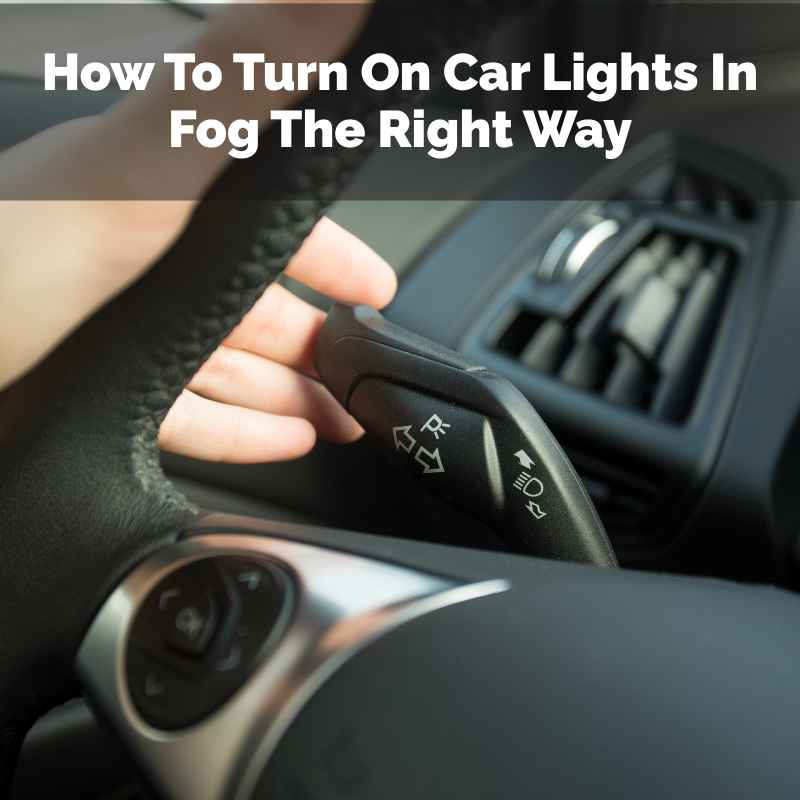
To turn on your car lights correctly in fog, understand that fog lights are often separate from your main headlights. Front fog lights help illuminate the road directly in front of your car. Rear fog lights make your car more visible to those behind you.
Always check your car’s manual for specific controls. Use them when visibility is low, typically less than 500 feet. Remember, they are not a
Understanding Your Car’s Lights in Fog
Fog is like a thick blanket. It makes it hard to see. It also makes it hard for others to see you.
Your car has several lights that can help. But you need to know which ones to use. And when to use them.
Using the wrong lights can actually make things worse. It can create glare. This glare makes seeing even harder.
Most cars have front and rear fog lights. These are special lights. They are designed for bad weather.
Your car’s owner’s manual is the best place to learn about your specific lights. It will show you where the controls are. It will also tell you how they work.
Don’t guess about this. It’s important for your safety.
My Own Foggy Driving Scare
I remember one drive last fall. The weather report said clear skies. But as I drove out of town, fog rolled in.
It was so thick. I couldn’t see more than a few car lengths ahead. My heart started to pound a bit.
I wasn’t sure if I was using my lights right. I had my headlights on, but felt like I could still be invisible. I saw another car ahead.
Its taillights were barely visible. That’s when I really panicked. I thought, “Am I doing this right?” I pulled over for a moment.
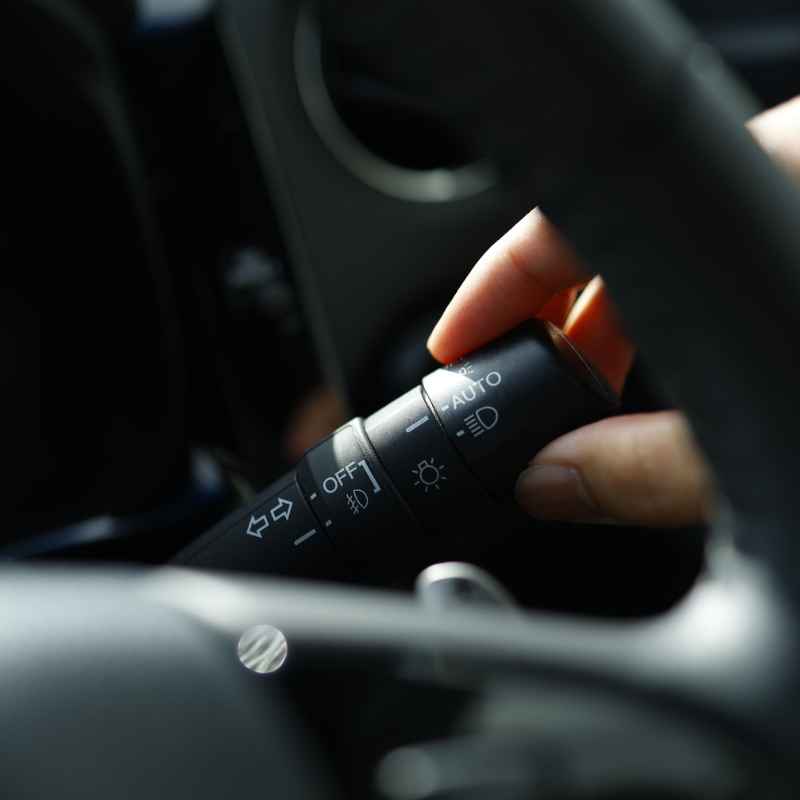
I looked at my dashboard. I found the fog light switch. I turned them on.
It felt like a small relief. But it also made me realize I needed to learn more.
That experience stuck with me. It showed me how little I knew about my car’s safety features. Especially when I needed them most.
Now, I always check my lights before driving in bad weather. I learned that front fog lights are not just extra bright headlights. They are different.
And rear fog lights are super important for people behind you.
What Are Fog Lights, Really?
Fog lights are different from your headlights. They are placed lower on the car. This is important.
Headlights shine up. They can reflect off the fog. This reflection is called glare.
It makes a wall of white light. This makes it hard to see the road. Fog lights shine down.
They point lower to the ground. This helps you see the road surface. It avoids that blinding glare.
Front fog lights are usually yellow or white. They have a wide beam. This helps you see the sides of the road too.
Rear fog lights are usually red. They are very bright. Their job is to make your car easy to see.
For cars coming up behind you. If you can barely see the car in front of you, they can barely see you. Rear fog lights cut through the fog.
They tell drivers “I am here.” Make sure they are not always on. They can be too bright in clear weather. They can bother other drivers.
Fog Light Basics
Purpose: To improve visibility in fog, rain, or snow.
Front Fog Lights: Shine low and wide. Help see the road directly ahead.
Rear Fog Lights: Shine brightly red. Help cars behind you see you.
When to Use: When visibility is low (less than 500 feet).
Important Note: Do not use fog lights when it’s not foggy. They can be distracting or annoying.
When to Use Your Headlights
Your headlights are your main source of light. You use them most of the time. Especially at night or in dark places.
In fog, your low-beam headlights are usually the best choice. High beams are generally a bad idea in fog. They shine light up.
This light bounces off the fog. It creates a lot of glare. It makes it harder to see.
Think of it like shining a flashlight at a mirror. The light bounces right back at you.
So, always start with your low-beam headlights. If you have them, turn on your front fog lights too. They work together.
Your low beams light up the path. Your fog lights fill in the area right in front and to the sides. This gives you the best view.
Some cars have automatic headlights. These might not always turn on in fog. You might need to switch them manually.
The Legal Side of Fog Lights
Laws about using fog lights vary. It’s good to know the rules where you drive. In many places, you can use front fog lights with your headlights.
Some states or countries might have specific rules. For example, you might only be allowed to use them when visibility is below a certain point. Like 500 feet.
Or when your wipers are on.
Rear fog lights often have stricter rules. Because they are so bright. They are usually only allowed when visibility is very poor.
Using them unnecessarily can be illegal. And it’s not polite to other drivers. Always check your local driving laws.
This ensures you are driving safely and legally.
Visibility Guidelines
Clear Weather: Headlights are usually sufficient.
Light Rain/Snow: Low-beam headlights. Consider front fog lights if visibility drops.
Heavy Rain/Snow/Fog: Low-beam headlights PLUS front and rear fog lights (if equipped and needed).
Very Dense Fog: Slow down significantly. Use low beams, front, and rear fog lights. Consider pulling over if unsafe.
Real-World Scenarios: When Lights Matter Most
Imagine driving on a highway early in the morning. The sun is trying to break through. But there’s a patch of thick fog.
You can barely see the car in front of you. Or the lines on the road. This is a prime time for fog lights.
Your low-beam headlights are on. You switch on your front fog lights. They help you see the road surface better.
Then, you activate your rear fog light. This tells the car behind you that you are slowing down or that there’s a hazard ahead.
Another situation is driving on a winding country road. Trees can create shade. And sometimes fog lingers in valleys.
Even if it’s daytime. If you can’t see far ahead. Or if the fog makes the road look less clear.
Using your fog lights can make a big difference. It helps you judge curves. It helps you spot potential dangers like animals or debris.
It’s not just about seeing. It’s about being seen too.
Think about driving in mountainous areas. Fog can appear suddenly. And it can be very dense.
Fog lights are crucial here. They help you stay on the road. They prevent you from getting too close to other cars.
Or drifting into the wrong lane. Especially if you can’t see lane markers. They provide that extra bit of comfort and safety.
What Does This Mean For You?
Understanding your car’s lights is more than just a good idea. It’s a safety essential. When visibility is low, it’s your first line of defense.
Make sure you know how to turn on and off all your light settings. This includes headlights, fog lights, and hazard lights. Practice doing it at home.
So you can do it easily while driving.
Always remember the golden rule: use your lights when you can’t see well. And when other drivers can’t see you well. Don’t rely on automatic settings in tricky conditions.
Sometimes you need to take manual control. It’s about being proactive. Not reactive.
Your lights are tools. Use them correctly to stay safe.
When to Check Your Lights
Before driving in:
- Morning or Evening: Dusk and dawn can bring fog.
- Rainy Days: Heavy rain often reduces visibility.
- Seasonal Changes: Autumn and spring can have more fog.
- Driving Near Water: Lakes, rivers, and coasts can create fog.
- Areas with Hills: Valleys can trap fog.
Quick Fixes and Tips for Foggy Driving
When driving in fog, the most important thing is to slow down. Way down. Speed is your enemy in fog.
Adjust your speed to your visibility. If you can only see 50 feet, you need to be going slow enough to stop within 50 feet. This is much slower than you think.
Increase your following distance. Leave plenty of space between you and the car ahead. A good rule is at least 5 seconds.
In fog, maybe even more. Listen to your radio. Sometimes traffic reports mention fog patches.
Or you can hear about accidents.
If the fog is too thick to drive safely, pull over. Find a safe place to stop. Turn off your driving lights.
Turn on your hazard lights. This signals to other drivers that you are stopped. Do not stop on the travel portion of the road.
Or on the shoulder if you can avoid it. Try to get completely off the road.
Smart Fog Driving Habits
Slow Down: Match speed to visibility.
Increase Following Distance: Aim for 5+ seconds.
Turn Off High Beams: Use low beams only.
Use Fog Lights: Front and rear when needed.
Minimize Distractions: Turn down the radio. Avoid phone use.
Be Patient: It’s okay to arrive late. Safety first.
Frequent Questions About Car Lights in Fog
Are fog lights the same as headlights?
No, they are not the same. Headlights are designed to illuminate the road ahead and around your vehicle at night. Fog lights are positioned lower on the car and are designed to project light downwards and outwards, cutting through fog without causing excessive glare.
They serve different purposes.
When should I use my rear fog light?
You should use your rear fog light only when visibility is very poor. This usually means when you can’t see more than about 500 feet ahead. Or when conditions are so bad that cars behind you might not see your regular taillights.
It’s designed to make your car highly visible to drivers following you.
Can I use my high beams in fog?
It is strongly advised NOT to use your high beams in fog. High beams shine light upwards and outwards. In fog, this light reflects off the water droplets in the air.
This creates a bright, blinding glare. This glare significantly reduces your visibility, making it harder to see the road and other vehicles.
What is the difference between front and rear fog lights?
Front fog lights are typically white or yellow and have a wide, low beam pattern. Their purpose is to help you see the road surface and the area immediately in front of your car. Rear fog lights are red and very bright.
Their purpose is to make your car visible to vehicles approaching from behind.
How do I know if my car has fog lights?
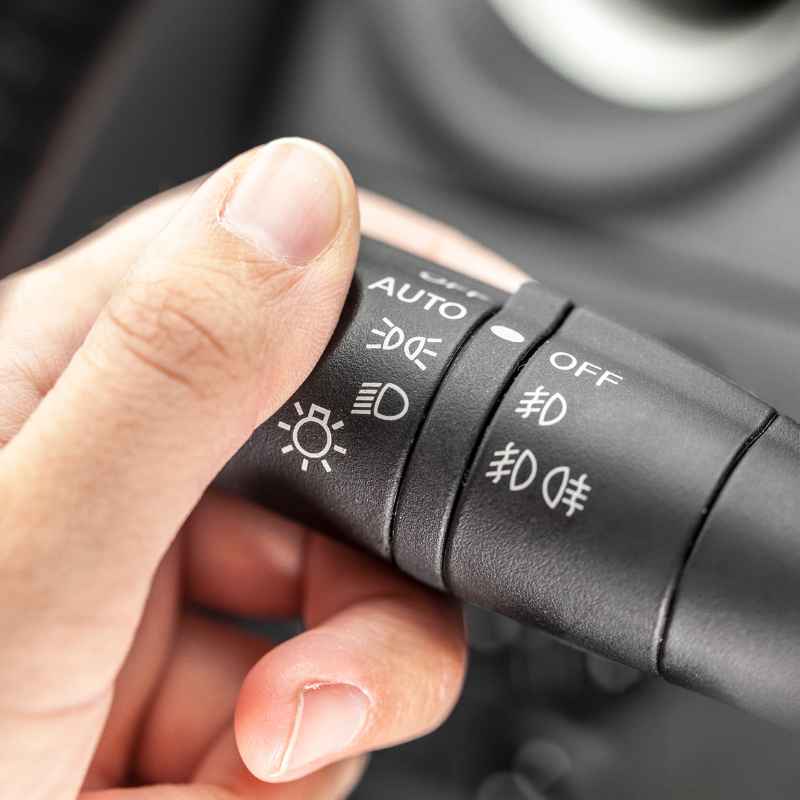
Most cars equipped with fog lights will have separate controls on the dashboard or steering column. Look for symbols that look like a light bulb with lines going through it, or a stylized fog cloud. Check your car’s owner’s manual.
It will show you the exact location of the controls and the symbols.
Is it illegal to use fog lights when it’s not foggy?
In many places, yes, it can be illegal or at least discouraged. Fog lights are intended for specific low-visibility conditions. Using them in clear weather can be annoying to other drivers, especially rear fog lights which are very bright.
Always follow local traffic laws regarding fog light usage.
Final Thoughts on Staying Safe in Fog
Driving in fog demands your full attention. Knowing how to use your car’s lights properly is a key part of that. It’s about more than just turning something on.
It’s about understanding how different lights work. And when they are most effective. This knowledge helps you see better.
And it helps others see you. Always prioritize safety. Slow down.
Stay aware. And use your lights wisely.
Products related to this article
Sponsored / affiliate links. As an Amazon Associate I earn from qualifying purchases. I may earn additional commission from eligible campaigns.