How to Remove Car Refrigerant Without a Machine Safely
Many people wonder about How to Remove Car Refrigerant Without a Machine Safely because they might not have the special tools needed. It can seem a bit tricky at first, especially if you’re not a car expert. But don’t worry, it’s something you can learn to do with a little guidance.
We’re going to break it down step-by-step so you can get it done right. Let’s get started on making this task much simpler for you.
Understanding Car Refrigerant Removal
Why Remove Refrigerant
There are a few reasons why someone might need to remove refrigerant from their car’s air conditioning system. One common reason is if the system needs to be repaired. Before a mechanic can fix a leaky hose or a faulty compressor, the refrigerant inside the system usually needs to be safely removed.
Another reason could be if you’re upgrading or replacing parts of the AC system, like the condenser or evaporator. Sometimes, a car is being scrapped, and the refrigerant must be recovered before the vehicle is disposed of. It’s important to know that releasing refrigerant into the atmosphere is harmful to the environment, so proper removal is a must.
Refrigerant Types and Safety
Cars use different types of refrigerants, with R-134a being the most common in vehicles made after 1994. Older cars might use R-12. It’s important to know which type your car uses, although the process for removal is generally similar.
Refrigerant is stored under pressure, and if handled improperly, it can cause frostbite on your skin or eyes. Inhaling large amounts can also be dangerous. This is why safety is the top priority when you’re thinking about How to Remove Car Refrigerant Without a Machine Safely.
Always wear protective gear, and work in a well-ventilated area.
The Challenge of No Machine Removal
Most professional AC services use specialized machines called recovery machines. These machines are designed to capture the refrigerant in a controlled way, preventing it from escaping into the air and storing it for proper disposal or recycling. When you don’t have access to one of these machines, the process requires a different approach.
The main challenge is to release the refrigerant in a way that minimizes environmental harm and keeps you safe. It’s not about simply opening a valve and letting it blow out. There are specific methods and considerations that need to be followed to achieve this.
Methods for Refrigerant Removal Without a Machine
Removing refrigerant without a dedicated machine requires careful planning and execution. The goal is always to recover as much of the refrigerant as possible and to prevent its release into the atmosphere. This usually involves using simple tools and understanding how the AC system works.
We’ll explore a couple of common ways this can be done, focusing on safety and effectiveness.
Method 1 Using a Refrigerant Canister and Hose Kit
This method is often considered the safest and most responsible way to remove refrigerant without a full recovery machine. It involves using a special kit designed for recharging AC systems, but adapted for removal. These kits typically come with a hose and a gauge, and you’ll need an empty, approved refrigerant canister for storage.
What You’ll Need
- Protective gloves and eye protection
- A refrigerant can tap that fits your system’s service port
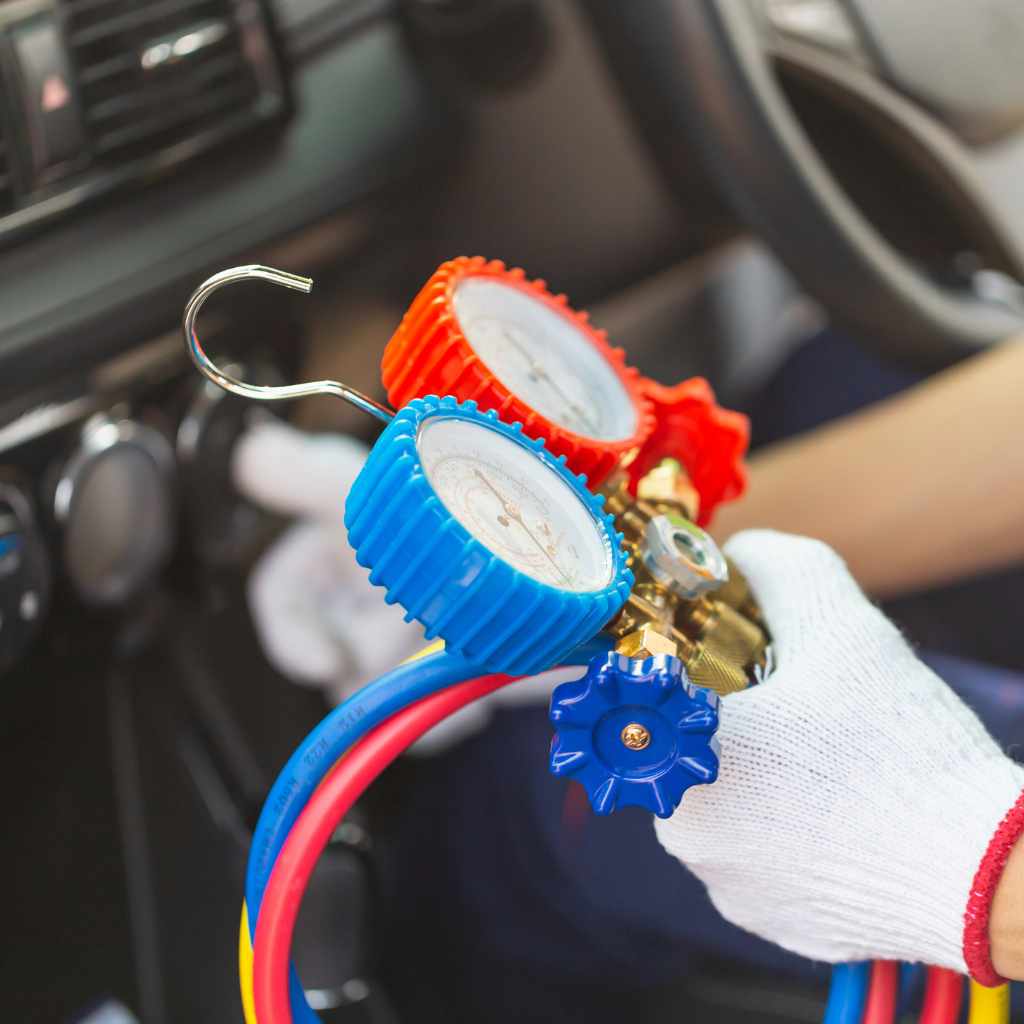
- A charging hose with a low-pressure gauge
- An empty, certified refrigerant recovery/storage canister
- A scale to weigh the canister before and after
Steps to Follow
First, ensure your car is turned off. Locate the low-pressure service port on your car’s AC system. It’s usually a smaller fitting with a blue or black cap.
Connect your refrigerant can tap to this port. Then, attach the charging hose to the tap. Connect the other end of the hose to your empty refrigerant storage canister.
Make sure all connections are snug but don’t overtighten. Before you start, weigh your empty storage canister and record the weight. This is important for knowing how much refrigerant you’ve removed.
Once everything is connected, slowly open the valve on the storage canister. You should see the gauge on the hose start to drop, indicating that refrigerant is flowing into the canister. Monitor the gauge and the pressure.
You’ll want to continue until the pressure is very low, close to zero. This shows that most of the refrigerant has been transferred. Once you believe most of it is out, close the valve on the storage canister first, then close the valve on the can tap.
Disconnect the hose and the tap from the service port.
Weigh the storage canister again to determine the total weight of the refrigerant removed. This recovered refrigerant should be taken to a recycling facility. Never release it into the air.
This method allows for controlled removal, keeping the refrigerant contained.
Method 2 Venting Refrigerant Safely (with extreme caution and legal considerations)
It’s important to state upfront that intentionally releasing refrigerant into the atmosphere is illegal in many places due to its harmful environmental impact. This method is generally discouraged and should only be considered in specific, emergency situations where no other option is available and legal regulations permit it in your area. If you have any doubts, always consult with a professional or local environmental agency.
Understanding the Risks and Legality
The primary risk of this method is environmental damage. Refrigerants contribute to ozone depletion and global warming. Furthermore, improper venting can lead to frostbite if the refrigerant comes into contact with your skin or eyes.
Local laws often mandate the use of recovery machines and impose fines for improper venting. Therefore, understanding and adhering to these regulations is paramount.
When This Might Be Considered (With Caveats)
This approach is rarely recommended for DIYers. It’s typically seen in extreme emergency scenarios, such as a vehicle rapidly losing all its refrigerant due to a sudden, major system failure where immediate action is needed to prevent further potential hazards, and no recovery equipment is available. Even in such cases, legal and environmental responsibilities remain.
How It’s Done (Hypothetically and for informational purposes only)
If, in a dire and legally permissible emergency, one had to vent refrigerant, they would need to access the high-pressure service port of the AC system. This is usually a larger fitting, often with a red or yellow cap. Using a tool that can pierce the system or directly access the valve stem, one would carefully and slowly release the refrigerant.
This is done in short bursts to minimize the immediate release volume. Again, extreme caution with protective gear is essential. This method is far less controlled than using a recovery canister and is strongly advised against for typical maintenance or repair scenarios.
Essential Safety Precautions
Regardless of the method you choose for How to Remove Car Refrigerant Without a Machine Safely, safety must always be your first concern. Refrigerant can be dangerous if not handled properly. Taking the right precautions will protect you and the environment.
Personal Protective Equipment PPE
Always wear safety glasses or goggles that provide a full seal around your eyes. Refrigerant can freeze skin on contact, causing frostbite, and it can cause eye injury. Wear thick gloves, preferably made of neoprene or nitrile, to protect your hands.
It’s also a good idea to wear long sleeves and pants to cover any exposed skin. Work in a well-ventilated area, preferably outdoors, to avoid inhaling refrigerant fumes.
System Pressure and Coolant
Car AC systems operate under pressure. Even when the engine is off, there can be residual pressure. Never try to force open any part of the AC system.
If your system has a significant leak, the refrigerant may have already escaped, but it’s still wise to assume there is some present. Also, be aware that older AC systems might contain mineral oil, which can be released with the refrigerant. Avoid contact with this oil as well.
Environmental Responsibility
It is illegal in most places to vent refrigerant into the atmosphere. This is because refrigerants are harmful greenhouse gases. If you remove refrigerant, you have a responsibility to handle it properly.
This means taking the recovered refrigerant to an authorized facility for recycling or disposal. Do not pour it down the drain or dispose of it in your regular trash.
What To Do With Recovered Refrigerant
Once you have safely removed the refrigerant from your car’s AC system, you might be wondering what to do with it. Simply put, you cannot just throw it away or let it escape. This is a critical part of the process, especially when considering How to Remove Car Refrigerant Without a Machine Safely in an environmentally responsible way.
Recycling Facilities
The most responsible and often legally required action is to take your recovered refrigerant to a certified recycling facility. Many automotive repair shops or specialized recycling centers accept used refrigerant. They have the proper equipment to process it, either by purifying it for reuse or by safely destroying it.
You may be charged a small fee for this service, which is well worth it for environmental protection.
Proper Storage of Recovered Refrigerant
If you plan to have the refrigerant recycled, you’ll need to store it properly in an approved canister. Make sure the canister is designed for refrigerant storage, is leak-free, and is clearly labeled with the type of refrigerant it contains. Keep the canister upright and in a cool, dry, well-ventilated area away from heat sources or open flames.
Never attempt to mix different types of refrigerants in the same canister.

Frequently Asked Questions
Question: Is it legal to remove car refrigerant myself without a machine
Answer: In many regions, it is illegal to vent refrigerant into the atmosphere without proper recovery equipment. While you might be able to remove it yourself for repair purposes, you must have a plan for proper recovery and disposal or recycling of the refrigerant. Check your local environmental regulations.
Question: Can I just let the refrigerant out
Answer: No, you should never just let the refrigerant out into the atmosphere. It is harmful to the environment and illegal in most places. Refrigerant removal should always be done with a method that captures and contains the refrigerant.
Question: What happens if I inhale car refrigerant
Answer: Inhaling car refrigerant can cause dizziness, nausea, headaches, and even heart problems or suffocation in high concentrations. Always work in a well-ventilated area and wear protective gear.
Question: How do I know which type of refrigerant my car uses
Answer: You can usually find this information on a sticker under the hood of your car, often near the AC components. It will typically state R-134a or R-12. If you can’t find it, a mechanic can tell you.
Question: What if my AC system is empty of refrigerant
Answer: If your AC system is already empty, you don’t need to remove any refrigerant. This usually indicates a leak. You would then proceed with repairs and a system recharge, which requires specialized equipment to do properly.
Final Thoughts
Learning How to Remove Car Refrigerant Without a Machine Safely involves prioritizing your well-being and the health of our planet. By using appropriate tools, like a recovery canister and hose kit, and understanding the pressure involved, you can manage this task responsibly. Always remember to wear your protective gear, work in a safe environment, and never release refrigerant into the air.
The recovered refrigerant needs to be taken to a recycling center so it can be handled correctly. Taking these steps ensures that you are not only performing necessary maintenance on your vehicle but also acting as a responsible caretaker of the environment. With careful attention and the right approach, this process becomes manageable and safe.