How to Remove a Dealership Decal or Badge From Your Car
A flat dealership decal comes off with a hair dryer, a plastic scraper card, and an adhesive remover. A raised chrome or plastic dealership badge needs a different approach: slide fishing line or waxed dental floss behind it to cut through the foam adhesive tape without ever touching the paint.
Whether you are trading in your car, selling it privately, or just tired of driving around as a rolling advertisement for the dealer you bought it from, getting rid of that decal or badge is a job you can do in your own driveway. No trip to a detail shop or body shop is needed, and the whole process usually takes well under an hour once you know which method matches what is actually stuck to your car.
What You Will Need
RESIDUE-SAFE PICK
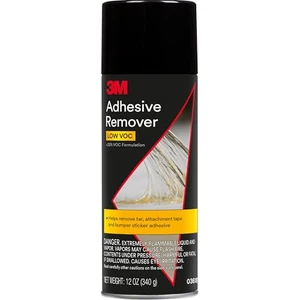 |
3M Adhesive Remover, 12 oz. – $12.99 Whichever method lifts the decal or badge, this is what finishes the job: it dissolves leftover adhesive and foam-tape residue without touching cured clear coat.
|
ALSO WORTH HAVING
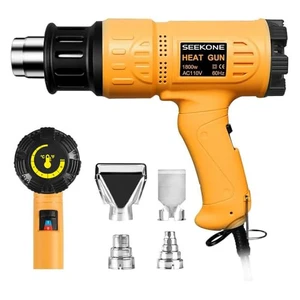 |
SEEKONE 1800W Variable-Temp Heat Gun – $25.99 Best for: Variable-temp heat gun Check on Amazon |
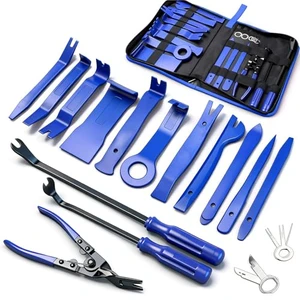 |
Poraxy 19-Piece Trim Removal Tool Kit – $17.99 Best for: Plastic pry & scraper set Check on Amazon |
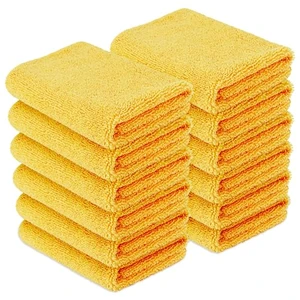 |
Amazon Basics Microfiber Car Drying Towels – $12.59 Best for: Microfiber drying towels Check on Amazon |
Gather these before you start so you are not running back and forth to the garage mid-job:
- A hair dryer, or a heat gun with a low/variable temperature setting
- A plastic scraper card (an old gift card or hotel key works fine)
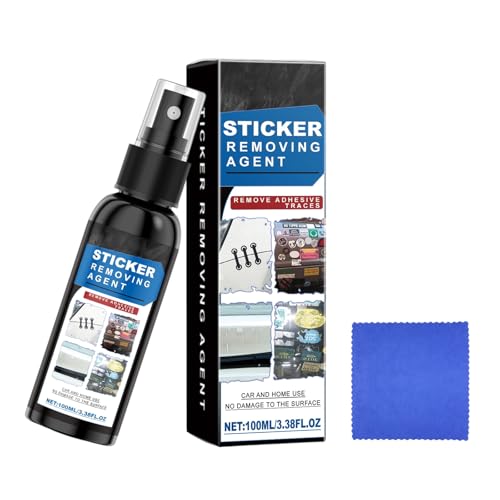
- An automotive adhesive remover
- Fishing line (30 to 40 lb test) or waxed dental floss, if your marking is a raised badge
- A bucket of warm water with a little mild soap
- Microfiber towels
Is Your Dealership Marking a Flat Decal or a Raised Badge?
Before you start heating anything, run a fingernail along one edge. A decal is a thin, flexible sheet of printed vinyl stuck flat against the paint – it will flex slightly when you press on it. A badge or emblem is a rigid piece of chrome-plated plastic or metal, usually held on with a thick strip of foam adhesive tape rather than a printed sticker, and it will not flex at all. The two need different techniques, which is why this guide covers both. If your car has a printed sticker on the window glass rather than the body paint, the adhesive and the safe removal tools are different again – see our guide to removing decals from car windows for that case.
How to Remove a Flat Dealership Decal (Heat and Scrape Method)
- Wash the panel with warm, soapy water first. Grit trapped under the decal or your scraper card is what actually causes scratches, not the removal process itself.
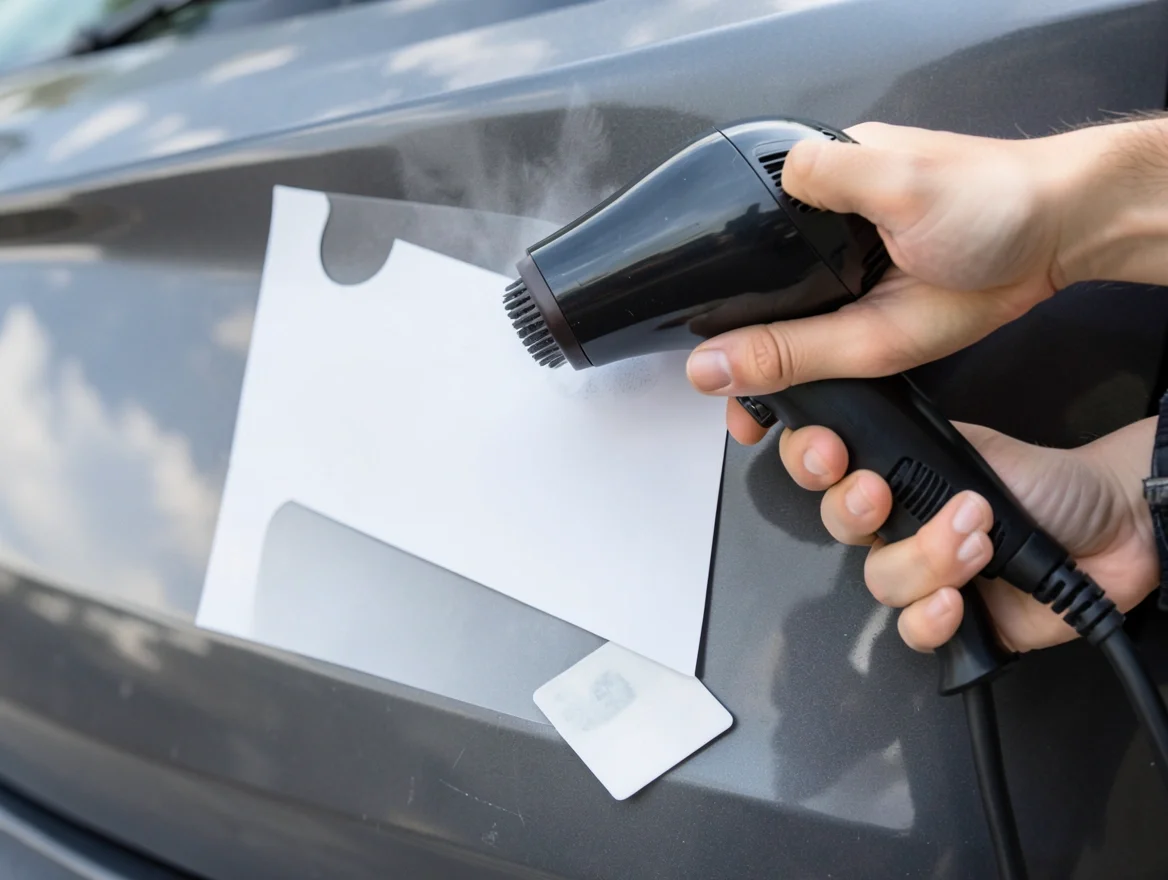
- Warm the decal. A hair dryer on its highest setting reaches roughly 140 to 170 degrees Fahrenheit, which is usually enough. If you are using a heat gun instead, keep it on the lowest setting (most run 300 to 600 degrees Fahrenheit even on low) and hold it four to six inches from the surface, moving it constantly.
- Touch the decal after 30 to 60 seconds of heat. It should feel warm and slightly soft, not hot to the touch. If it is still rigid, warm it a little longer rather than forcing it.
- Slide a plastic scraper card under one corner and work it slowly toward the opposite edge, keeping the card as flat against the paint as possible. Never use a metal blade, razor, or screwdriver – they cut through vinyl easily but also gouge clear coat.
- Re-warm any section that resists instead of pulling harder. Patience here is what keeps the paint underneath undamaged.
- Once the decal is off, move on to the adhesive remover steps below to clear the leftover residue.
How to Remove a Raised Dealership Badge or Emblem (Fishing-Line Method)
Chrome and plastic dealership badges are not printed stickers, so heat and a scraper card alone will not get them off cleanly – prying at a rigid badge with your fingers or a screwdriver is how most people gouge the paint around it. The safer approach borrowed from professional detailers uses fishing line or dental floss to shear through the foam tape underneath instead.
- Warm the badge with a hair dryer held close for about a minute, until it feels warm (not hot) to the touch. This softens the foam tape so the line can cut through it more easily.
- Cut about 12 inches of braided fishing line (30 to 40 lb test) or a length of waxed dental floss. Wrap each end once around your index fingers so it does not slip.
- Slide the line behind one edge of the badge and pull it taut against the panel.
- Saw the line back and forth in short strokes, working it slowly across to the opposite edge. The line shears through the foam tape while staying behind the badge, so it never contacts the paint.
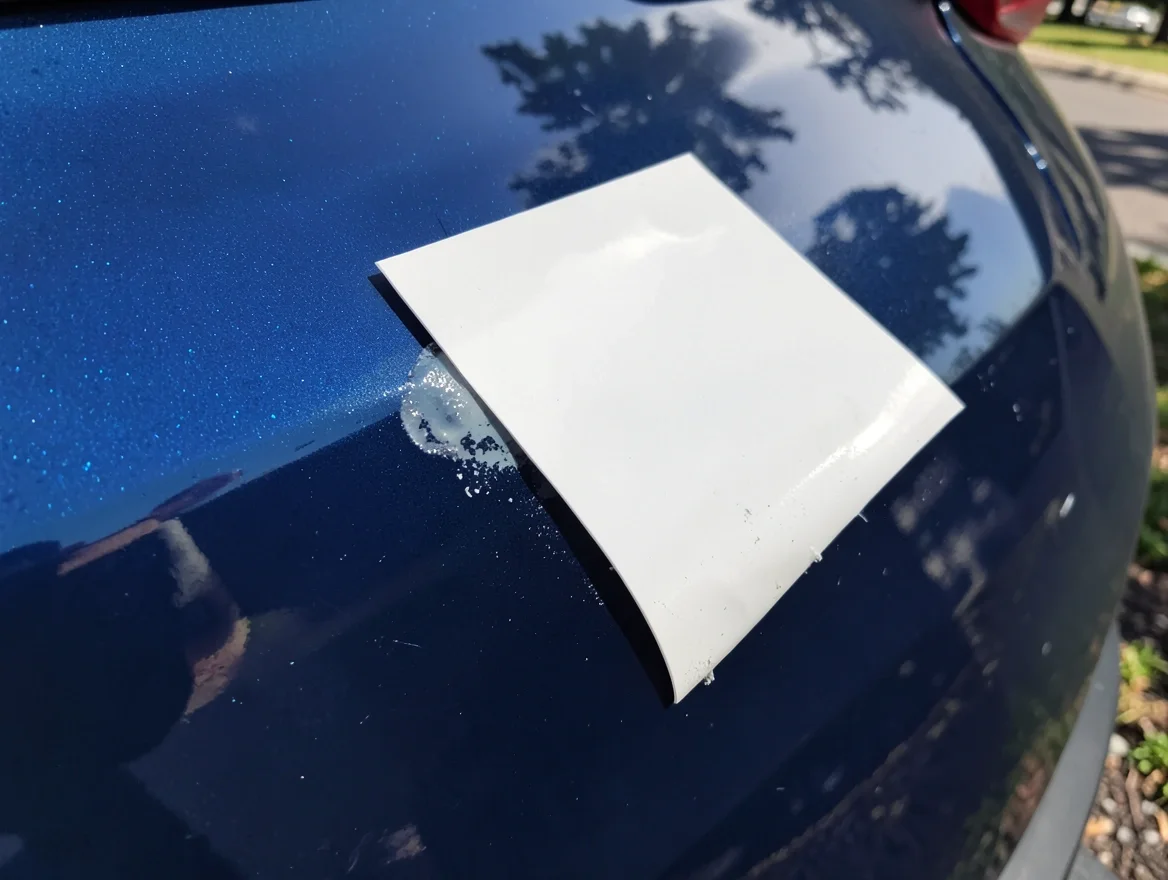
- Lift the badge away once the tape has been cut through. Some foam tape will stay stuck to the panel – that is normal and gets handled in the next step.
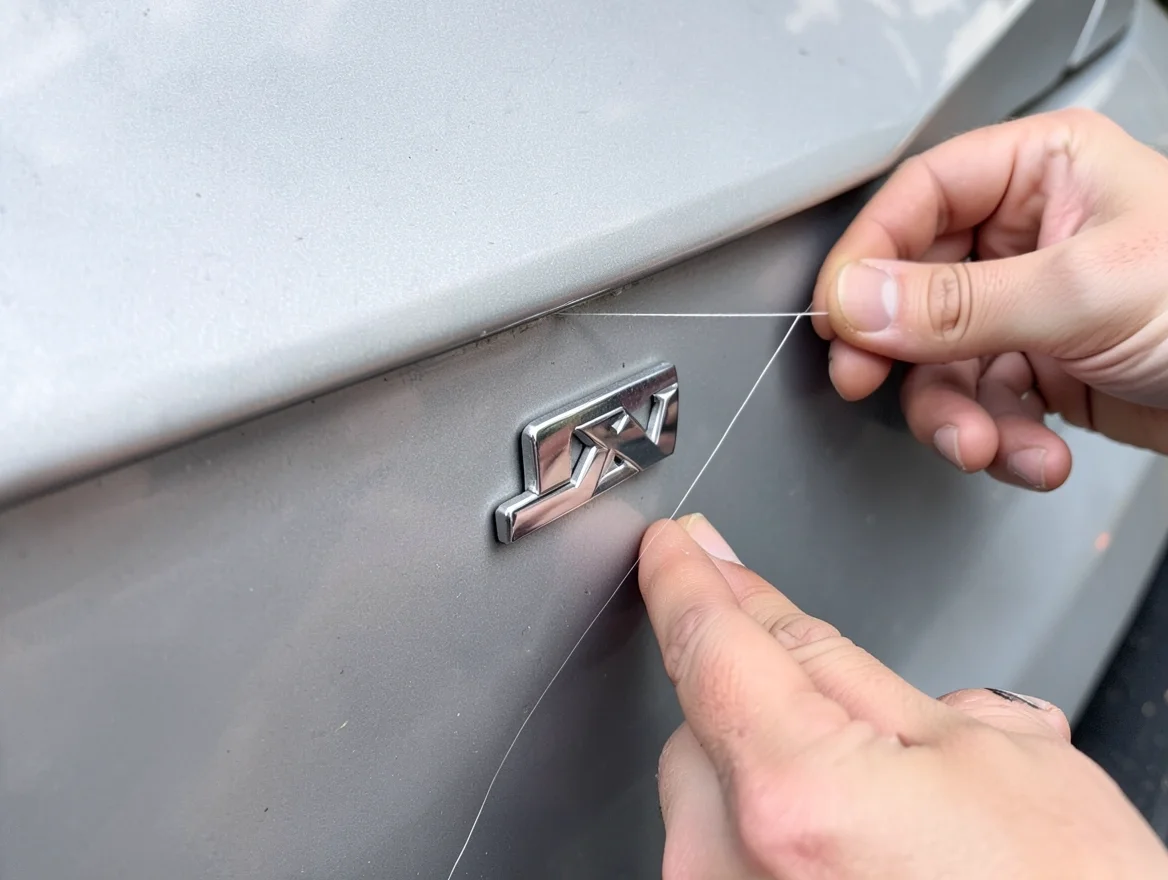
If what you actually have is a flat printed sticker rather than a raised badge, our full guide to getting a dealership decal off a car walks through a few additional methods, including an ice-cube trick that works well on older, brittle vinyl.
Removing Leftover Adhesive Residue
Whichever method you used, some sticky film almost always remains. Pour a little adhesive remover onto a clean, soft cloth and press it against the residue for a minute or two so it has time to soak in and break down the glue, rather than wiping immediately. Then wipe with light pressure using a clean section of the cloth. Do not scrub hard with a rough cloth or paper towel – that is a fast way to leave fine swirl marks, which can look a lot like a scratch in the clear coat. Repeat with fresh remover and a clean part of the cloth if a haze of glue is still visible.
Common Mistakes That Damage Paint
- Using a metal razor blade or screwdriver instead of a plastic card – metal edges cut through clear coat almost as easily as they cut through vinyl.
- Overheating one spot with a heat gun held too close or left in place too long, which can blister or discolor the paint.
- Prying a rigid badge with your fingers instead of using the fishing-line method – the corner of the badge itself is what usually gouges the paint.
- Skipping the wash-and-dry step first, which leaves grit under your scraper card that scratches the paint as you work.
- Scrubbing hard with a dry cloth to speed up residue removal instead of letting adhesive remover soak in first.
Finishing Up: Wash, Dry, and Protect the Paint
Once the decal or badge and all the residue are gone, wash the whole panel again with mild soap and water, then dry it thoroughly with a microfiber towel. Finish with a coat of wax or paint sealant over the area. This matters more than it sounds: paint that spent years under a decal or badge was shielded from UV exposure, so it can look a shade brighter than the paint around it until the rest of the panel catches up in color from sun fading, or until you apply a protectant that evens out the shine. A quick pass of rubbing-alcohol-based cleaner or, in a pinch, a small amount of WD-40 can also help lift stubborn residue – if you go that route, check our guide on whether WD-40 is safe on car paint first.
Frequently Asked Questions
How Do You Remove a Dealership Decal Without Damaging Paint?
Warm the decal with a hair dryer held six to eight inches away for 30 to 60 seconds, then work a plastic scraper card under one edge and peel slowly. Never use a metal blade or screwdriver against the paint. Once the decal is off, dissolve the leftover adhesive with an adhesive remover, then wash and dry the area.
Is a Dealership Marking a Decal or a Badge?
Run a fingernail along the edge. A decal is a thin, flexible printed vinyl sheet stuck flat to the paint. A badge or emblem is a rigid, raised piece of chrome or plastic held on with thick foam adhesive tape, and it will not flex when you press on it. Decals respond well to heat and a scraper card; badges respond better to the fishing-line method described above.
Can You Remove Dealership Branding From a Car?
Yes. Both flat decals and raised dealership badges can be removed at home. Decals come off with heat and a plastic scraper, while badges are safest to remove by sliding fishing line or dental floss behind them to cut through the foam tape. Either way, finish with an adhesive remover and a coat of wax to protect the paint underneath.
Will a Heat Gun Damage Car Paint?
A heat gun can damage paint if it is held too close or left in one spot too long. Most heat guns run 300 to 600 degrees Fahrenheit even on their low setting, far hotter than the roughly 140 to 170 degrees a hair dryer produces. Keep a heat gun on its lowest setting, hold it four to six inches away, and keep it moving constantly rather than pausing over one spot.
What if the Decal or Badge Tears During Removal?
Stop pulling and warm the torn edge again before continuing. A piece that tears usually means the adhesive is still too cold to release cleanly. If small fragments remain stuck to the paint, soften them with more heat or adhesive remover and lift them individually with the scraper card rather than trying to yank the rest off in one motion.
Do You Need Professional Products, or Will Rubbing Alcohol Work?
Rubbing alcohol will dissolve light adhesive residue from paper stickers, but it is weaker than a dedicated automotive adhesive remover on the acrylic adhesive used for full-color decals or the foam tape behind a badge. For a decal or badge that has been on the car for more than a year or two, a proper adhesive remover will save time and reduce how hard you need to rub.
Conclusion
Removing a dealership decal or badge is a straightforward driveway job once you match the method to what is actually on your car. Heat and a plastic scraper handle a flat printed decal; fishing line or dental floss handles a raised chrome or plastic badge without risking a gouge. Either way, finish with an adhesive remover, a wash, and a coat of wax, and your car will look like it never wore that sticker at all.
Products related to this article
Sponsored / affiliate links. As an Amazon Associate I earn from qualifying purchases. I may earn additional commission from eligible campaigns.