How to Remove Electrical Connectors on Cars: Easy Guide
Removing electrical connectors on cars may seem tricky. But, it’s easier than you think.
With the right steps, anyone can do it. Electrical connectors are crucial parts of a car’s system. They link various components, ensuring smooth operation. Removing these connectors may be necessary for repairs or upgrades. A proper approach can prevent damage and ensure a safe process.
Whether you’re a car enthusiast or a beginner, understanding these steps can save time and frustration. This guide will walk you through each step, making the task simple and clear. By the end, you’ll feel confident in handling electrical connectors on your car. Let’s get started!

Credit: www.youtube.com
Preparing Your Workspace
Start by collecting all the necessary tools for the task. You need a screwdriver, pliers, and a wrench. A small flashlight helps too. Make sure all tools are clean and in good condition. This helps avoid any accidents. Place them within easy reach. A small toolbox or tray can keep everything organized. Don’t forget to wear gloves. They protect your hands from sharp edges.
Safety comes first. Always disconnect the car battery before starting. This prevents electric shocks. Wear safety goggles to protect your eyes. A stable workbench or table is important. It keeps your workspace safe and tidy. Ensure good lighting in the area. This helps you see clearly what you are doing. Take your time to set everything right. Safety saves lives.
Identifying Connector Types
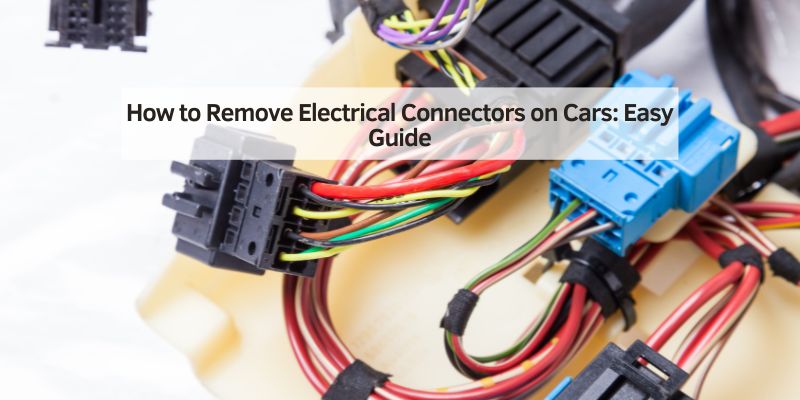
Cars have many types of connectors. Blade connectors are flat and slide into place. Pin connectors have small metal pins. They fit into matching holes. Socket connectors hold a plug inside them. Each type has a unique shape and size. Use the right tool to remove each type safely.
Connectors can be found in many places. Under the hood, you see lots of them. Inside the car, look under the dashboard. Some are near the battery or fuse box. Each connector links to a wire. Follow the wires to find their ends.
Disconnecting Battery
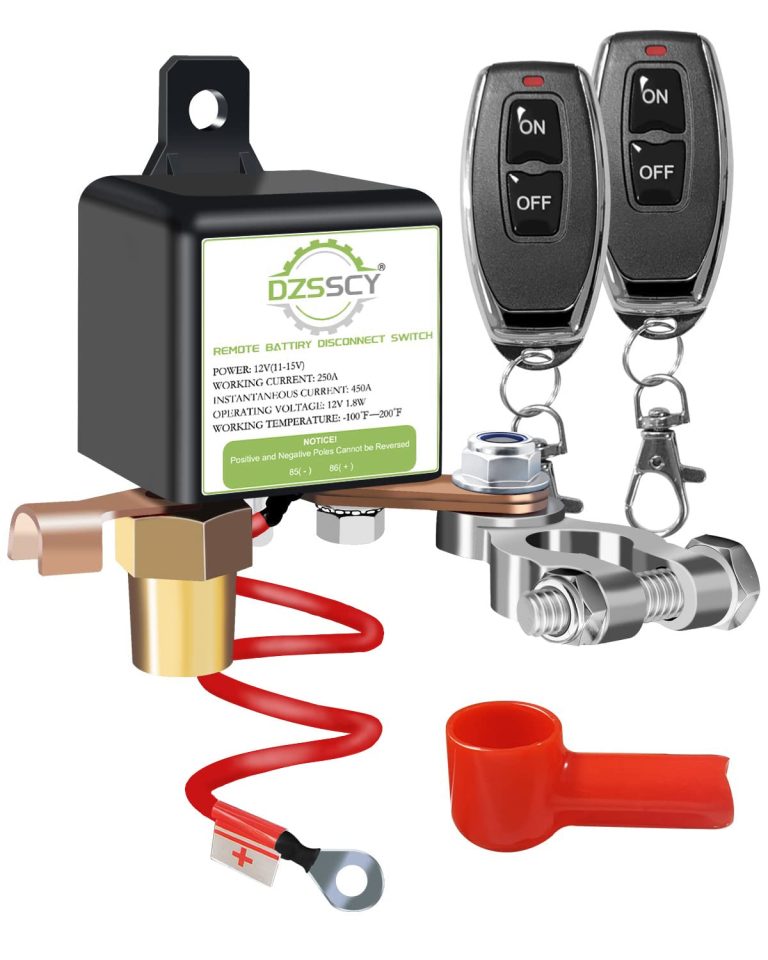
Removing electrical connectors is easier with the battery disconnected. This prevents electric shocks. It also stops accidental short circuits. Safety is the main reason for disconnecting. Car electronics can be delicate. A short circuit can damage them. It can also harm you. Always disconnect the battery first. This simple step saves time and protects your car.
- Find the battery in your car.
- Wear safety gloves and glasses.
- Turn off the car engine completely.
- Use a wrench to loosen the negative cable.
- Remove the negative cable first.
- Now, loosen and remove the positive cable.
- Place cables away from the battery.
- Ensure tools are away from the battery.
Removing Push-tab Connectors
Push-tab connectors are common in cars. They have a simple design. The tab locks the connector in place. Pressing the tab releases it. Understanding how the tab works is important. Identifying the tab location is the first step. Some connectors have multiple tabs. Find all tabs before proceeding.
First, locate the push-tab on the connector. Press the tab with your thumb. Hold the connector firmly. Pull the connector gently. Avoid using excessive force. Wiggle the connector slightly if stuck. Check if all tabs are released. Inspect the connector for damage after removal. Store the connector safely if needed. Repeat steps for other connectors.
Detaching Bolt-type Connectors
To remove bolt-type connectors, gather some tools. Wrench and pliers are essential. You might need a screwdriver too. Ensure you have a torch for better visibility. Always wear safety gloves. Safety is important.
Start by turning off the car. This prevents shocks. Locate the bolt-type connector. Use the wrench to loosen the bolt. Turn the wrench slowly. Make sure the bolt is free. Gently pull the connector away. Avoid pulling wires hard. Check the connector is fully detached. Repeat if needed for other connectors. Always ensure all connectors are safe.
Handling Fragile Connectors
Removing electrical connectors from cars requires careful handling to prevent damage. Gently press the release tab, wiggle the connector slightly, and pull straight out. Avoid twisting or using excessive force to maintain the integrity of fragile connectors.
Recognizing Fragile Components
Some connectors are very fragile. They can break easily. Plastic parts are often more delicate. Look for small clips or locks. These help hold the connector together. Pay attention to these details. Knowing them helps you avoid damage.
Tips For Gentle Removal
Use the right tools to remove connectors. Pliers can grip tightly but gently. Pull slowly to avoid breaking. Wiggle the connector if it is stuck. This helps it come loose. Practice patience. Rushing can cause damage. Always check for hidden clips. They can be hard to see.
Avoiding Common Mistakes
Pulling the connector by the wires can break them. This is a common error. Twisting the connector can also damage it. Always grip the connector’s base. Never use sharp tools like screwdrivers. They can pierce or crush the connector. Ignoring safety measures can cause harm. Always wear gloves and goggles. Protect your eyes and hands. Always disconnect the battery first. This prevents electric shocks. Make sure you work in a dry place. Wet areas can be dangerous.
Hold the connector firmly. Pull gently to remove it. Use the right tools. A special tool called a connector tool can help. It grips without damage. Always check the connector before pulling. Look for clips or locks. These need to be released first. Inspect the connector after removal. Check for dirt or corrosion. Clean it before reattaching. Use a soft brush for cleaning. Always follow the car manual instructions.
Reconnecting Electrical Connectors
Push the connector in gently. It should fit snugly. Do not force it. Check the alignment of the pins. Make sure they match the holes. Look for any bends or damage. They can cause connection issues. Clean the connector if dirty. Use a soft cloth or brush. Dirt can prevent a good fit. Once clean, push it in again. Listen for a click. This means it is secure.
Turn on the car’s electrical system. Watch for any warning lights. Check all connected devices. They should work properly. If not, the connection may be loose. Unplug and replug the connector. Test it once more. Use a multimeter to check voltage. It ensures power is flowing correctly. Do this with care. Stay safe while handling electrical parts.
Frequently Asked Questions
How Do You Release Electrical Connectors From A Car?
Disconnect the car’s battery to ensure safety. Locate the electrical connector and press the release tab. Gently pull the connector apart without forcing it. Use a small tool if necessary to disengage stubborn connectors. Ensure all connectors are reattached securely after any repairs or inspections.
How To Remove Electrical Wire Connectors?
Turn off the power supply. Use a screwdriver or pliers to gently loosen the connector. Pull apart the wires carefully. Ensure all connections are disconnected and secure exposed wires with wire nuts or electrical tape. Always follow safety precautions when handling electrical components.
How Do You Remove A Pin From An Automotive Connector?
Use a pin removal tool to gently push the pin out from the back of the connector. Ensure the tool matches the pin size for safety. Disconnect power before starting to avoid damage. Inspect the pin for corrosion before reinserting or replacing.
How To Disconnect A Chevy Electrical Connector?
Press the locking tab on the Chevy electrical connector. Gently pull the connector apart while holding the tab down. Avoid pulling on the wires to prevent damage. Always ensure the ignition is off before disconnecting to ensure safety.
Conclusion
Removing electrical connectors on cars can be simple. Follow the steps outlined above. Practice patience while handling delicate parts. Use tools with care. Ensure safety with gloves and goggles. Always double-check connections after removal. This prevents future issues. Share these tips with fellow car enthusiasts.
Save time and avoid frustration. Enjoy a smooth car maintenance experience. Keep learning and enhancing your skills. Stay prepared for any car repair task. Happy tinkering!