How to Remove Gas Smell from Car: Proven Essential
Tired of that gasoline odor lingering in your car? You can effectively remove gas smell from your car by identifying the source, ventilating the vehicle thoroughly, cleaning affected areas with specialized cleaners or natural absorbents like baking soda and vinegar, and airing out upholstery and carpets. Persistent smells might require professional attention or a deep-clean.
Is that unmistakable whiff of gasoline making your car-driving experience less than pleasant? You’re not alone! A gas smell in your car can be annoying, and sometimes it’s a sign of something that needs attention. But don’t worry, tackling this common issue is often simpler than you think. This guide will walk you through straightforward, beginner-friendly steps to banish that fuel odor for good, leaving your car smelling fresh and clean. Get ready to reclaim your car’s interior!
Why Does My Car Smell Like Gasoline?
That gasoline smell in your car can pop up for a few reasons. Sometimes, it’s as simple as a small spill from a gas can you transported, or maybe a bit of fuel splashed when you recently filled up. Other times, it might signal a leak somewhere in the fuel system, which is something you’ll want to address promptly. Understanding the potential causes helps us figure out the best way to get rid of the smell and ensure your car is running safely.
The fuel system in a car is a complex network designed to deliver gasoline to the engine. It includes the gas tank, fuel pump, fuel lines, fuel filter, and fuel injectors or carburetor. Any part of this system that isn’t perfectly sealed can allow fuel vapors or liquid to escape. Common culprits for smells include:
- Loose or Damaged Gas Cap: A simple, yet often overlooked, issue. If the gas cap isn’t tightened properly or if its seal is worn out, fuel vapors can escape.
- Fuel Leaks: This is the most serious concern. Cracks in fuel lines, a faulty fuel pump, or damage to the fuel tank itself can cause leaks. These need immediate attention for safety.
- Evaporative Emission Control (EVAP) System Issues: This system is designed to capture fuel vapors and reroute them back into the engine to be burned. A faulty charcoal canister, purge valve, or vent solenoid can lead to vapors escaping.
- Spills: Overfilling the gas tank can cause fuel to splash onto the ground or into the engine bay, and sometimes it can get onto the car’s undercarriage. Spills from portable gas cans are also common.
- Exhaust Leaks: While not directly gasoline, a rich exhaust smell can sometimes be mistaken for gasoline. This indicates unburned fuel is escaping the exhaust system.
Safety First: Before You Start Cleaning
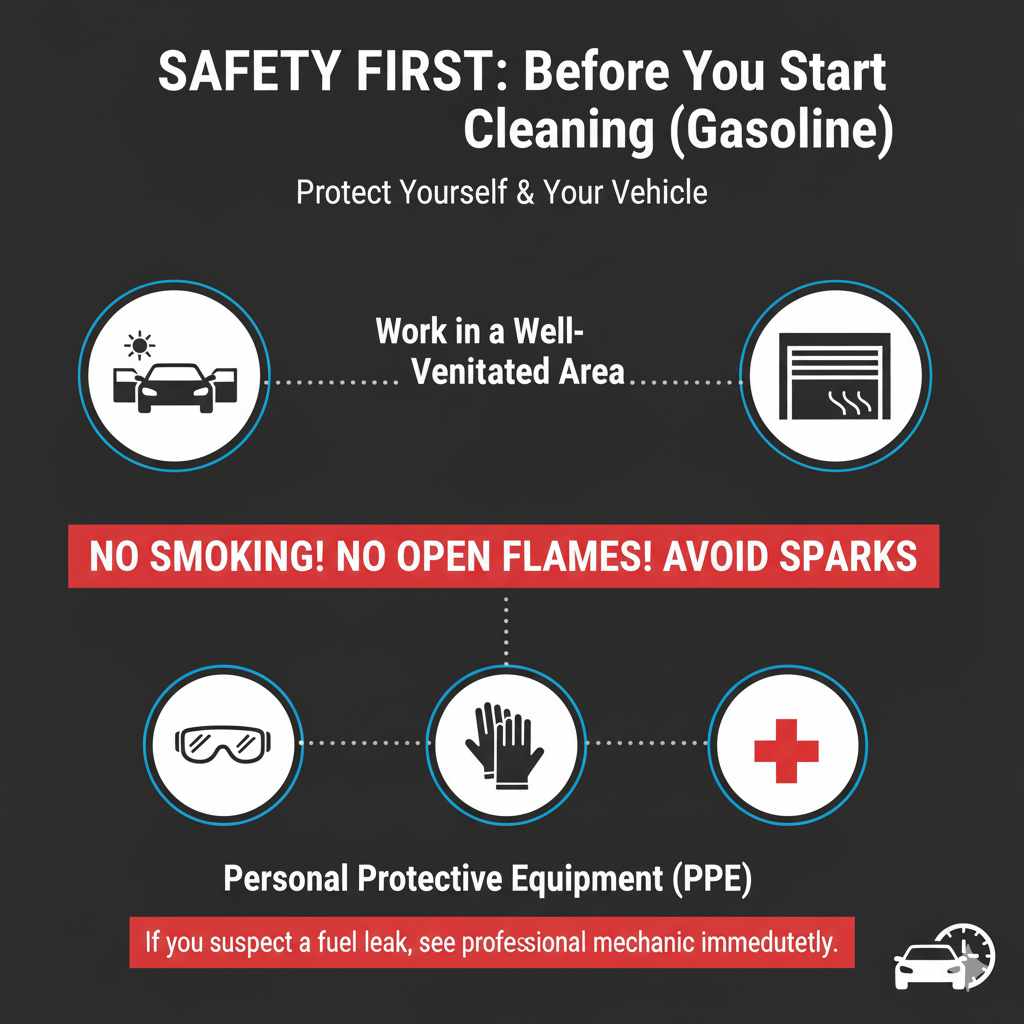
Before we dive into cleaning, let’s talk about safety. Gasoline is flammable, so it’s crucial to take precautions. Always work in a well-ventilated area, preferably outdoors or with all doors and windows open. Avoid smoking, open flames, or anything that could create a spark near your car. If you suspect a fuel leak, especially a significant one, it’s best to have your car inspected by a professional mechanic. Your safety and the safety of your vehicle are the top priorities.
It’s also a good idea to wear gloves and eye protection, especially when using cleaning solutions. This protects your skin from harsh chemicals and prevents accidental splashes into your eyes. Remember, a little preparation goes a long way in making sure your car care efforts are safe and successful.
Step-by-Step Guide to Removing Gas Smell from Your Car
Let’s get your car smelling fresh again. Follow these steps carefully, and you’ll be well on your way to a gas-odor-free ride.
Step 1: Ventilate Your Car Thoroughly
This is the first and most important step. Fresh air is your best friend when dealing with gas smells. Open all the doors and windows of your car and let it air out for at least a few hours, preferably a full day. If the weather permits, park your car in a sunny, open area. Sunlight can help dissipate odors, and the airflow will carry away those stubborn gasoline fumes.
Tip: If possible, try to park where there’s a bit of a breeze. This will significantly speed up the airing-out process.
Step 2: Locate the Source of the Smell
To effectively remove the smell, you need to know where it’s coming from. Carefully inspect the areas where you might have spilled gas:
- Inside the Car: Check the floor mats, carpets, and upholstery for any wet spots or stains. Pay close attention to the trunk if you carried a gas can there.
- Outside the Car: Look around the gas tank area, under the car for any signs of drips or wetness, and on the driveway or garage floor where you parked.
- Engine Bay: While less common for direct spills, check for any visual signs of fuel leaks or residue around fuel lines or injectors.
If you find a definite wet spot or leak, you’ve found your problem area. If the smell is pervasive and you can’t pinpoint a specific spot, it might be from vapors that have permeated the interior over time, or a small, hard-to-see leak.
Step 3: Clean Up Any Visible Spills
If you found a specific area with a gas spill, it’s time to clean it up. For carpet or upholstery stains:
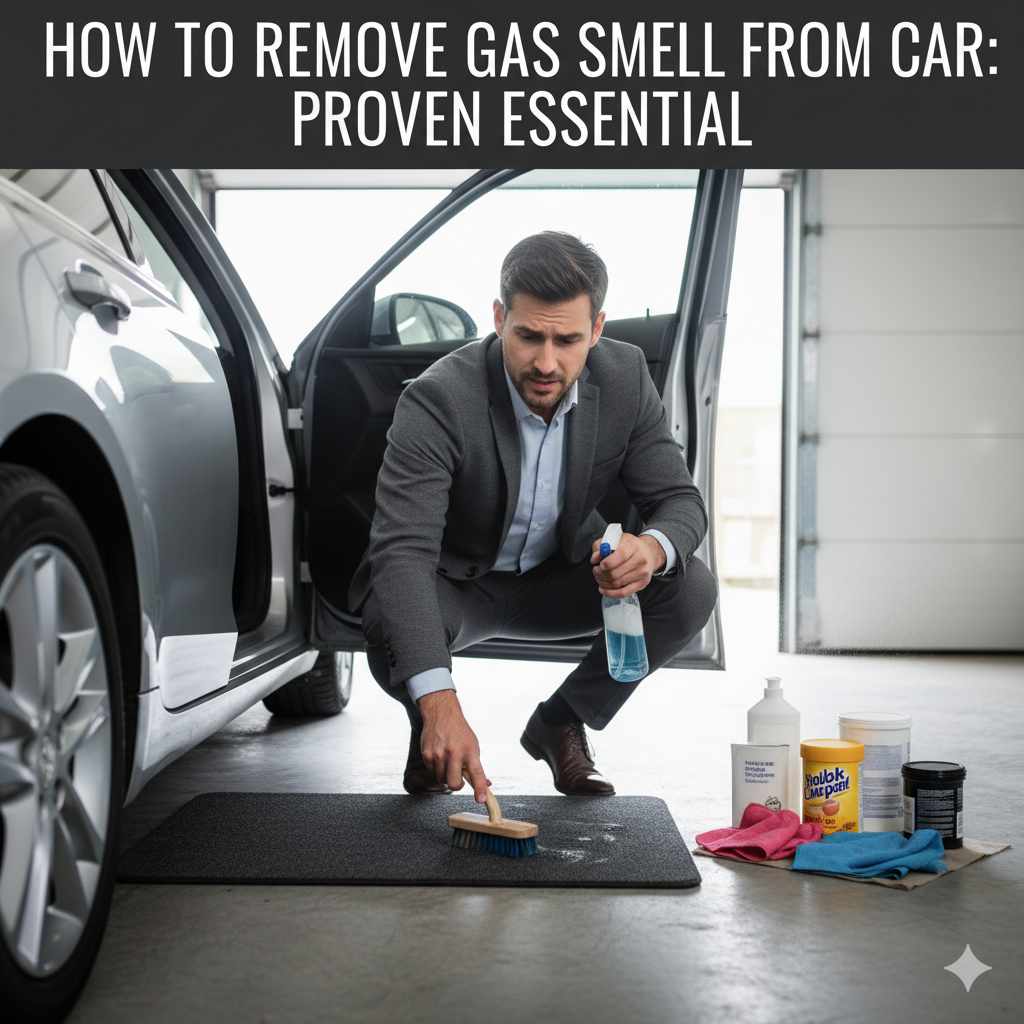
- Blot, Don’t Rub: Use clean cloths or paper towels to blot up as much of the liquid gasoline as possible. Rubbing can spread the stain and push the gas deeper into the material.
- Absorb: Generously sprinkle an absorbent material like baking soda, cornstarch, or even cat litter over the affected area. Let it sit for several hours, or overnight, to soak up the remaining gasoline.
- Vacuum: Once the absorbent has done its job, vacuum it up thoroughly.
- Clean with Solution: After absorbing, you’ll need to clean the area. Mix a solution of mild dish soap and water, or a 50/50 mix of white vinegar and water.
- Apply and Blot: Dampen a clean cloth with your cleaning solution (don’t oversaturate) and gently blot the stained area. Work from the outside of the stain inwards.
- Rinse: Use a separate clean cloth dampened with plain water to blot the area and rinse away the cleaning solution.
- Dry: Blot the area with dry towels and then allow it to air dry completely. You can use a fan to speed up the process.
For hard surfaces, use a rag dampened with an appropriate interior cleaner or a mild degreaser, followed by a clean water rinse and drying.
Step 4: Utilize Odor Absorbers
Even after cleaning visible spills, lingering odors can persist. This is where odor absorbers come in handy. These products trap odor molecules, rather than just masking them. Some excellent options include:
- Baking Soda: The old faithful! Place open boxes or bowls of baking soda throughout your car, especially in areas where the smell is strongest. Leave them for a few days, changing them out as needed.
- Activated Charcoal: This is a super-absorbent material that is highly effective at trapping odors. You can buy activated charcoal bags specifically designed for cars or home use and place them in the vehicle.
- White Vinegar: Place bowls of white vinegar in your car overnight. The vinegar will absorb odors. While it has its own smell, it dissipates quickly once you remove the bowls and air out the car.
- Coffee Grounds: Fresh, dry coffee grounds can also absorb odors. Place them in open containers or old pantyhose in your car for a few days. Be aware that this might leave a faint coffee scent.
You can find more information on effective odor absorption techniques and products from resources like the Environmental Protection Agency on managing odors, which often discuss principles applicable to vehicle interiors.
Step 5: Deep Clean Carpets and Upholstery
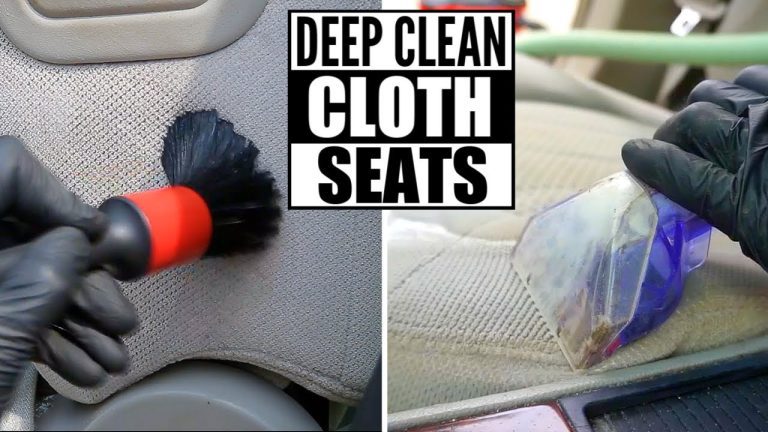
If the smell is deeply embedded, a more thorough cleaning might be necessary. For fabric seats and carpets, consider using an upholstery cleaner or a carpet cleaner specifically designed for automotive use. Follow the product instructions carefully. You can rent or purchase a carpet cleaning machine (often called a “shampooer” or “extractor”) for a deeper clean.
Ensure you don’t overwet the fabric, and allow ample drying time. Proper ventilation after deep cleaning is crucial to prevent mildew formation.
Step 6: Don’t Forget the Air Vents
Sometimes, gasoline vapors can get drawn into your car’s ventilation system. To address this:
- Run the Fan: With the engine running and the AC or heat off, turn the fan on high to its highest setting.
- Fresh Air Intake: Make sure your car’s air intake is set to draw in fresh outside air, not recirculate interior air. Consult your car’s manual if you’re unsure how to change this setting.
- Vent Cleaner: You can also purchase specialized automotive vent cleaning sprays. These are typically applied through the vents and help neutralize odors within the system.
Allowing the system to run with fresh air input can help cycle out any trapped fumes. You can also consider replacing your cabin air filter, as it might have absorbed some of the odor.
Step 7: Address the Trunk and Spare Tire Well
The trunk is a common place for gas spills to go unnoticed, especially if you’ve transported gas cans. Remove everything from your trunk, including the floor mat and spare tire. Inspect the area for any signs of liquid or stains. Clean as you would any other fabric surface using absorbent materials and your chosen cleaning solution. Ensure the spare tire well is completely dry before replacing the tire and mat.
Step 8: Check Exterior Surfaces
If you suspect external spills or fumes, wash the exterior of your car, particularly around the gas cap and undercarriage. Use a mild car wash soap and water. Sometimes, fumes can be drawn into the cabin from the outside.
When to Seek Professional Help
If you’ve tried these steps and the gas smell persists, or if you suspect a fuel leak, it’s time to consult a professional. A mechanic can perform a thorough inspection of your car’s fuel system, EVAP system, and exhaust to identify and repair any underlying issues. While DIY methods are great for minor spills and general odor removal, safety-critical issues like fuel leaks require expert attention. Don’t hesitate to reach out to a trusted auto repair shop. You can find certified mechanics through resources like the National Institute for Automotive Service Excellence (ASE), which certifies automotive technicians and ensures they have the skills to diagnose and repair your vehicle safely.
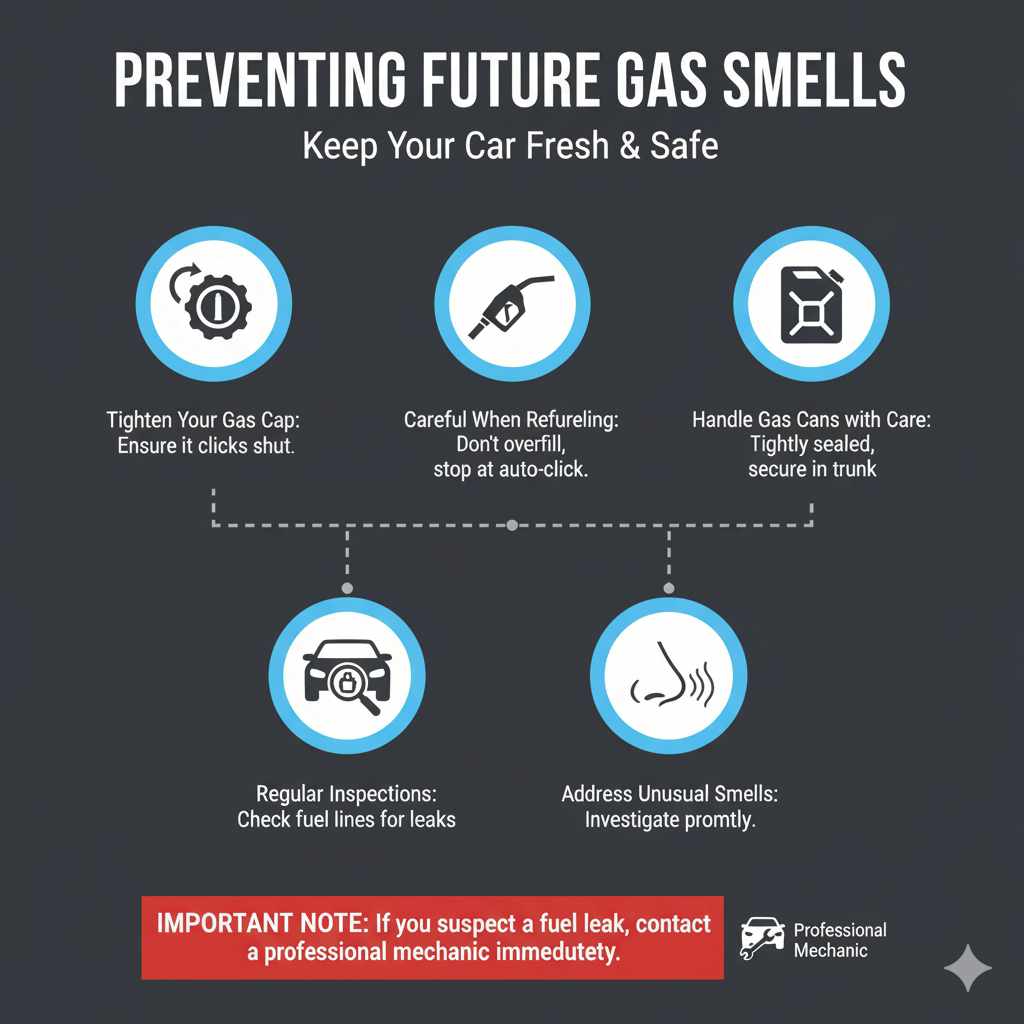
Preventing Future Gas Smells
Prevention is always better than cure. Here are some tips to avoid that gas smell in the future:
- Tighten Your Gas Cap: Always ensure your gas cap is clicked shut. It should feel snug.
- Be Careful When Refueling: Avoid overfilling your tank. Stop pumping when the nozzle automatically clicks off.
- Handle Gas Cans with Care: When transporting gasoline, use approved, tightly sealed containers. Place them securely in your trunk or truck bed, away from passengers, and consider lining the area with a protective mat or old towels.
- Regular Inspections: Occasionally inspect your fuel lines and connections for any signs of wear or leaks.
- Address Unusual Smells Immediately: If you notice a gas smell, don’t ignore it. Investigate the cause promptly.
Frequently Asked Questions (FAQ)
Q1: How long does it take for a gas smell to disappear from my car?
A1: It depends on the severity. Minor spills and odors might disappear within a day or two with good ventilation. For deeper or persistent smells, it could take several days to over a week, especially if using absorbent materials. If the smell persists for more than a week despite your best efforts, a leak might be the cause, and professional help is recommended.
Q2: Can I use an air freshener to cover up the gas smell?
A2: While air fresheners might provide temporary relief by masking the odor, they won’t remove it. In fact, mixing gasoline fumes with air freshener scents can sometimes create an even more unpleasant smell. It’s best to tackle the source of the odor first before using air fresheners to maintain a pleasant scent.
Q3: Is it safe to drive my car if it smells like gasoline?
A3: If the smell is faint and you’ve recently put gas in, it’s likely safe to drive for a short period while you ventilate. However, if the smell is strong, persistent, or you suspect a leak, it is NOT safe to drive. Gasoline is highly flammable, and a leak could pose a serious fire risk. In such cases, have your car towed to a mechanic.
Q4: What is the best natural cleaner for gas smell?
A4: White vinegar and baking soda are excellent natural options. For spills, baking soda can absorb the liquid gasoline before you clean the area. For lingering odors, bowls of white vinegar or open boxes of baking soda placed inside the car overnight work wonders. They absorb odor molecules effectively.
Q5: My car smells like gas when I turn on the heat. What does that mean?
A5: This often indicates an issue with your car’s exhaust system or the EVAP (Evaporative Emission Control) system. When the engine heats up, or when the heating system draws air from the engine compartment, it can push fuel vapors or exhaust fumes into the cabin. This is a situation that warrants a visit to a mechanic to diagnose properly.
Q6: Can extreme heat make a gas smell worse?
A6: Yes, extreme heat can indeed worsen the gas smell. Higher temperatures increase the volatility of gasoline, meaning it evaporates and turns into vapors more easily. This can cause existing fumes to become more noticeable, or even lead to a stronger smell if there are any minor leaks or permeations in the fuel system.
Conclusion
Getting rid of that unwanted gas smell from your car doesn’t have to be a daunting task. By following these practical, step-by-step instructions—from thorough ventilation and cleaning spills to using effective odor absorbers and deep cleaning—you can successfully restore a fresh-smelling interior. Remember to always prioritize safety, especially if you suspect a fuel leak, and don’t hesitate to seek professional help when needed. With a little effort and the right approach, you can confidently tackle the gas smell and enjoy a more pleasant driving experience every time you get behind the wheel. Happy driving!