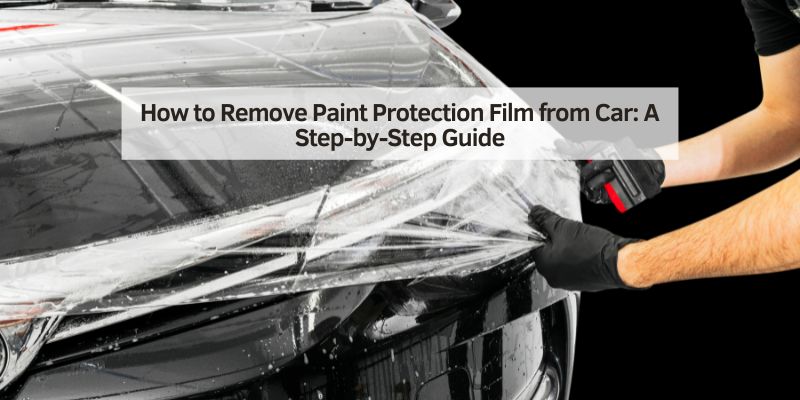
How to Remove Paint Protection Film from Car: A Step-by-Step Guide
Hey there! If you’re wondering how to remove paint protection film from your car, you’re in the right place. I’ve been down this road myself, peeling off paint protection film (PPF) from my own vehicle, and let me tell you—it’s not as scary as it sounds! Whether your film is starting to peel, yellow, or you just want a fresh start, removing it properly is key to keeping your car’s paint safe. I’ve learned a lot through trial and error, and I’m excited to share my experience with you. This guide is packed with practical tips, tools, and steps to make the process smooth and stress-free. Let’s dive in and get that film off your car without a hitch!
What Is Paint Protection Film and Why Remove It?
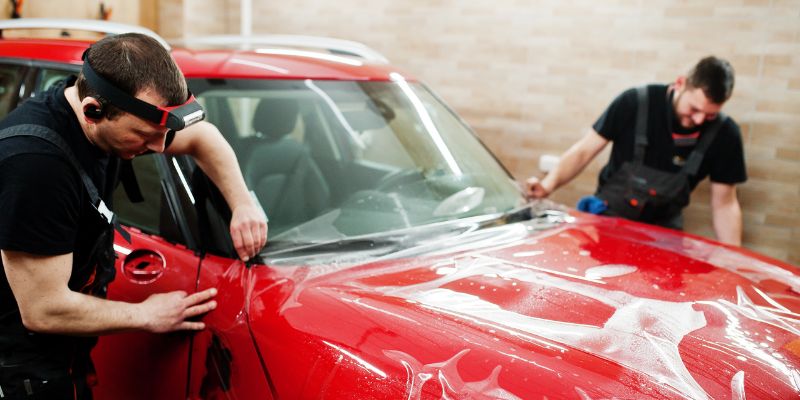
Paint protection film, often called PPF or clear bra, is a thin, transparent layer applied to your car’s surface to shield it from scratches, rock chips, and UV damage. It’s like an invisible armor for your paint. I remember when I first got PPF on my car—it gave me peace of mind knowing my shiny new paint job was protected. But over time, I noticed the film on my hood starting to yellow and peel at the edges, which is when I knew it was time to remove it.
You might want to remove PPF for a few reasons. Maybe it’s damaged, discolored, or you’re selling your car and want it to look fresh. Sometimes, you just want to replace old film with a new layer for better protection. Whatever the reason, removing it correctly is crucial to avoid damaging the paint underneath. Let’s explore why this process matters and how to do it right.
Why Proper Removal Matters
I learned the hard way that removing PPF isn’t just about peeling it off and calling it a day. If you’re not careful, you can damage your car’s paint, leave sticky residue, or even scratch the surface. When I started removing the film from my car, I tugged too hard in one spot and nearly pulled off some clear coat—yikes! Proper removal protects your car’s value and keeps it looking sharp. Plus, if you’re replacing the film, a clean surface is essential for the new layer to stick properly. Taking your time and using the right tools makes all the difference.
Tools and Materials You’ll Need
Before you start, gather the right tools. I found that having everything ready makes the process much smoother. Here’s what I used to remove the PPF from my car:
| Tool/Material | Purpose |
|---|---|
| Heat Gun or Hair Dryer | Softens the adhesive for easier peeling. |
| Plastic Razor Blade | Safely lifts the film without scratching the paint. |
| Isopropyl Alcohol (70%) | Removes adhesive residue. |
| Microfiber Cloths | Wipes down surfaces without scratching. |
| Spray Bottle with Water | Helps loosen the film and clean the surface. |
| Adhesive Remover (e.g., Goo Gone) | Tackles stubborn glue residue. |
| Car Wash Soap | Cleans the car after removal. |
| Gloves | Protects your hands from chemicals and heat. |
| Clay Bar (Optional) | Smooths the paint surface after removal. |
I picked up most of these at my local auto store, and they weren’t expensive. A heat gun is better than a hair dryer for bigger jobs, but a hair dryer works fine for small areas. Just make sure you have everything on hand before you start.
Step-by-Step Guide to Removing Paint Protection Film
Now, let’s get to the good stuff—how to actually remove the film. I’ve broken it down into clear steps based on what worked for me. Follow these, and you’ll be done in no time.
Step 1: Prepare Your Car and Workspace
I started by parking my car in a shaded area. Direct sunlight can make the film harder to work with and heat up the adhesive too much. I also washed my car with soap and water to remove dirt and grime. A clean surface makes it easier to see the film’s edges and prevents debris from scratching the paint during removal. If you’re working indoors, make sure the space is well-ventilated, especially if you’re using chemicals like adhesive remover.
Step 2: Soften the Film with Heat
This step is a game-changer. I used a heat gun on a low setting to warm up the PPF. The heat softens the adhesive, making the film easier to peel. I held the heat gun about 6–8 inches from the surface and moved it in slow, circular motions. You don’t want to overheat the film or paint, so keep it warm, not hot. If you’re using a hair dryer, it’ll take a bit longer, but it works just as well. I started with a corner or edge of the film, as those are easiest to lift.
Step 3: Lift the Film’s Edge
Once the film was warm, I used a plastic razor blade to gently lift a corner. Metal blades can scratch the paint, so stick with plastic. I found that wiggling the blade under the edge and pulling slowly worked best. If the film resists, apply more heat for a few seconds. Patience is key here—don’t yank it! I made that mistake early on and ended up stretching the film, which made it harder to remove cleanly.
Step 4: Peel the Film Slowly
With the edge lifted, I started peeling the film back at a 45-degree angle. Slow and steady is the way to go. If you pull too fast, you might tear the film or leave adhesive behind. I worked in small sections, applying heat as needed to keep the adhesive soft. For curved areas, like bumpers or mirrors, I used short, gentle pulls to avoid stretching the film. If the film starts to tear, stop, apply more heat, and try again.
Step 5: Remove Adhesive Residue
After peeling off the film, I was left with some sticky residue in a few spots. This is normal, but it can be annoying. I sprayed isopropyl alcohol on the residue and let it sit for a minute to break down the glue. Then, I wiped it away with a microfiber cloth. For stubborn spots, I used an adhesive remover like Goo Gone, applying it sparingly and wiping it clean. Be gentle to avoid rubbing too hard on the paint. I also washed the area with soapy water afterward to remove any chemical residue.
Step 6: Clean and Inspect the Paint
Once the film and adhesive were gone, I washed the entire area with car wash soap and water. This step removes any leftover dirt or chemicals. I dried it with a microfiber towel to avoid water spots. Then, I inspected the paint for any scratches or swirl marks. My car’s paint was in great shape, thanks to the PPF protecting it all those years. If you notice minor imperfections, a clay bar can smooth them out. I used one on my hood, and it made the surface feel like glass.
Step 7: Polish or Reapply Protection (Optional)
After removal, I decided to polish my car to bring back the shine. A light polish with a dual-action polisher worked wonders. If you’re planning to reapply PPF or a ceramic coating, now’s the time to prep the surface. I chose to add a new layer of PPF to my hood, and the clean surface made the new film stick perfectly. If you’re not adding new protection, a good wax can keep your paint looking fresh.
Common Challenges and How to Handle Them
Removing PPF isn’t always straightforward. I ran into a few hiccups along the way, so here’s how to tackle common issues:
- Stubborn Adhesive: Some glue just won’t budge. I found that applying adhesive remover and letting it soak for a few minutes worked better than scrubbing hard. Patience pays off.
- Torn Film: If the film tears, reapply heat and use the plastic razor to lift a new edge. I had this happen on my bumper, and slowing down fixed it.
- Paint Damage: If you notice paint lifting with the film (rare, but possible), stop immediately. This usually happens with older or poorly applied film. Consult a professional to avoid further damage.
- Yellowed Film: Discolored film can be harder to remove. I used more heat and peeled in smaller sections to manage it.
Tips for Success
Here are some extra tips I picked up to make the process easier:
- Work in small sections, especially on large panels like the hood or roof. It’s less overwhelming.
- Keep your heat gun moving to avoid overheating one spot. I learned this after nearly scorching my paint!
- Wear gloves to protect your hands from adhesive remover and heat.
- If you’re unsure, start with a small, less visible area, like a side mirror, to practice.
- If the film is very old or damaged, consider hiring a professional. I almost wished I had for my car’s bumper, which was tricky.
When to Call a Professional
I’ll be honest—removing PPF is doable as a DIY project, but it’s not for everyone. If your film is very old, damaged, or applied over repainted surfaces, it’s riskier. I considered hiring a pro for my car’s complex curves, like the bumper, but decided to tackle it myself to save money. Professional removal can cost $200–$800, depending on the car and film coverage. If you’re worried about damaging your paint or don’t have the time, a certified installer can handle it quickly and safely.
Cost of Removing Paint Protection Film
Speaking of costs, let’s talk numbers. DIY removal is budget-friendly since you’re only paying for tools and materials—about $20–$50 for everything. Professional removal, as I mentioned, ranges from $200 to $800, depending on the car’s size and the film’s condition. For example, removing PPF from a sedan’s hood might cost $200, while a full SUV could be closer to $800. I saved money by doing it myself, but I spent a full weekend on the project. Weigh your time and skill level against the cost of hiring a pro.
Benefits of Removing and Replacing PPF
Removing old PPF can breathe new life into your car. My vehicle looked brand-new after I took off the yellowed film and polished the paint. It also gave me a chance to inspect the paint for any hidden issues. Replacing the film with a fresh layer adds another round of protection, which is great if you’re keeping your car long-term or plan to sell it. A clean, well-maintained paint job can boost resale value, and PPF helps keep it that way.
My Personal Experience
Let me share a quick story. When I decided to remove the PPF from my car, I was nervous. The film on my hood was starting to look cloudy, and I wanted it gone before it got worse. Armed with a heat gun, plastic razor, and a lot of patience, I tackled it over a weekend. The first panel took forever because I was so cautious, but by the time I got to the bumper, I was moving like a pro. The best part? Seeing my car’s paint gleaming underneath, untouched by years of road debris. It was worth every minute of effort.
Conclusion
Removing paint protection film from your car might seem daunting, but with the right tools and approach, it’s totally doable. I’ve been there, peeling away old film and marveling at the shiny paint underneath. By following these steps—preparing your car, using heat, peeling carefully, and cleaning thoroughly—you can remove PPF without damaging your vehicle. Whether you’re refreshing your car’s look or prepping for a new layer of protection, taking your time pays off. I hope my experience and tips make the process easier for you. Grab those tools, put on some music, and get ready to give your car a fresh start—it’s a rewarding project that’ll make you proud!
Frequently Asked Questions
Can I remove paint protection film myself?
Yes, you can! I did it with basic tools like a heat gun and plastic razor. Just be patient and follow the steps to avoid damaging your paint.
Will removing PPF damage my car’s paint?
If done carefully, it shouldn’t. I removed mine without issues, but rushing or using metal tools can risk scratches or paint lifting.
How long does it take to remove PPF?
It depends on the car and film condition. I spent about 6–8 hours on a full hood and bumper, but smaller areas take less time.
What if the adhesive won’t come off?
Stubborn glue was a pain for me too. Use isopropyl alcohol or an adhesive remover like Goo Gone, let it soak, and wipe gently.
Can I reuse the old PPF?
No, once it’s removed, it’s not reusable. I tried to save a piece, but the adhesive loses its stickiness after peeling.
Is professional removal worth the cost?
It can be if the film is old or you’re worried about damage. I saved money doing it myself, but pros are faster and have experience with tricky cases.