How to Remove Rust from a Car: Expert Tips Revealed
Rust can harm your car’s appearance and value. Removing it helps maintain your vehicle.
Rust can appear on any car, old or new. It happens when moisture hits metal surfaces. This can lead to costly repairs if ignored. Thankfully, removing rust isn’t too hard. With some simple steps, you can clean it up yourself.
This guide will show you effective ways to remove rust from your car. You’ll learn about tools and techniques that work best. You’ll also find tips to prevent rust from coming back. Keeping your car rust-free can save you money. It also keeps your vehicle looking great. Get ready to restore your car’s shine and protect its lifespan.
Identifying Rust On Your Car
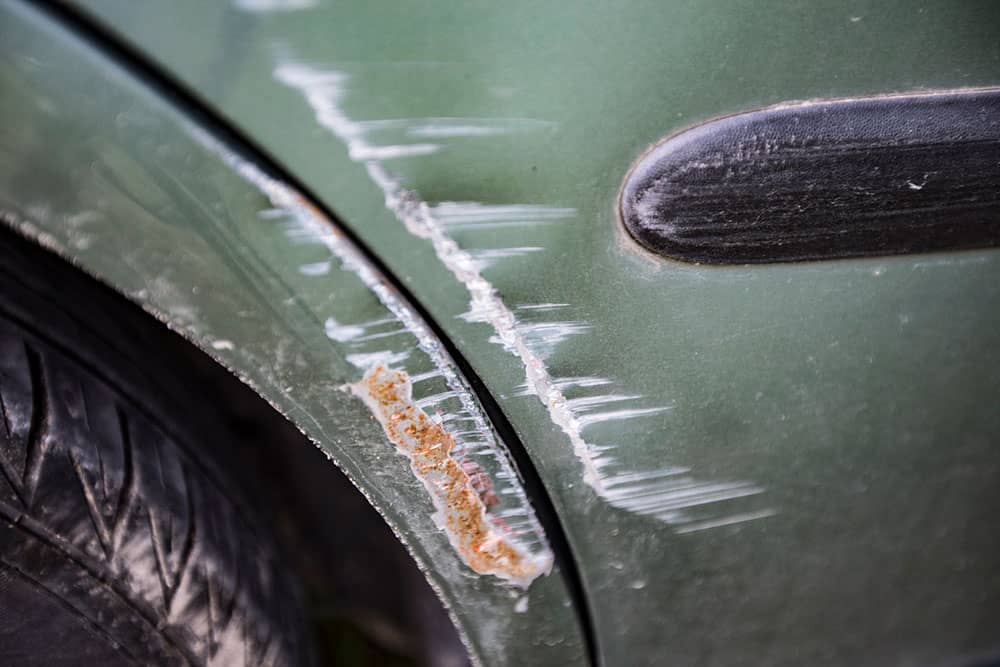
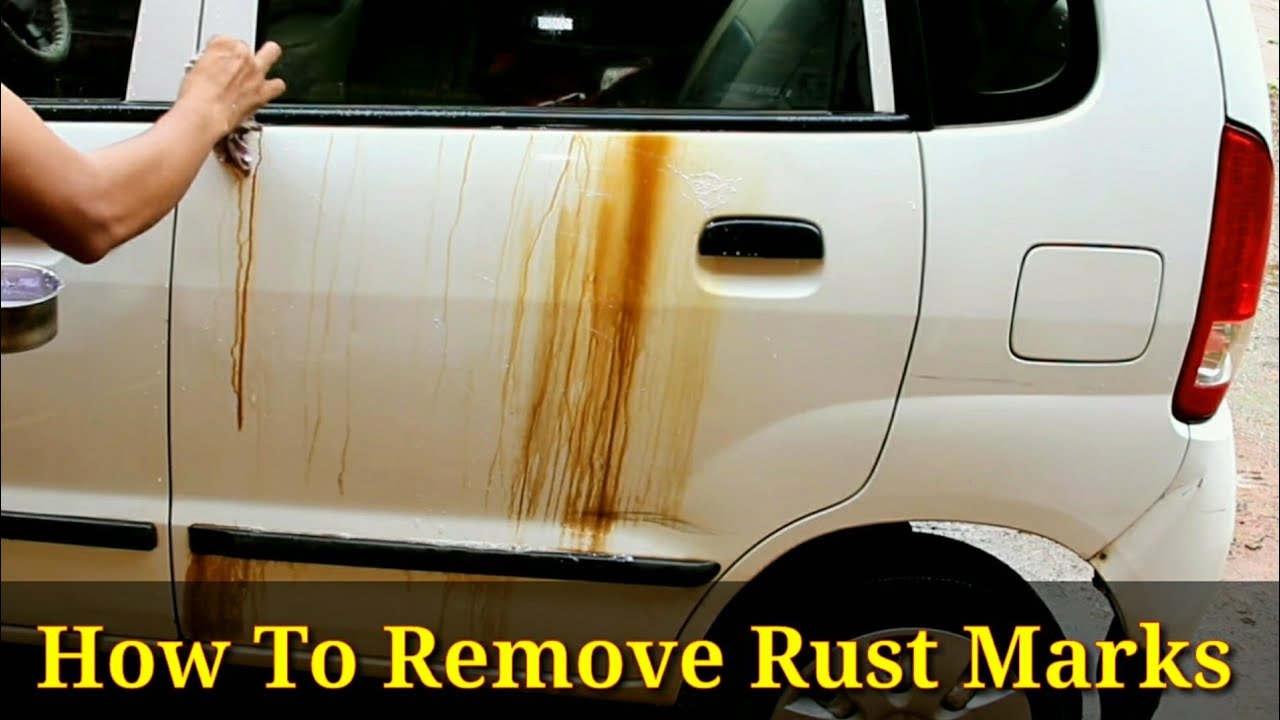
Rust appears as red or brown spots on metal. It can start small but spread fast. Sometimes, you may see bubbles under the paint. These are warning signs. Rust can also look like rough patches. Feel the surface. If it’s not smooth, check for rust.
Rust often forms on the car’s bottom. This includes areas like the doors and wheel wells. Bumpers are also at risk. Check the trunk and floorboards too. Water can cause rust here. Look under the car hood as well. Rust may hide in these spots.
Tools And Materials Needed
Removing rust needs some important tools. A wire brush is a must. It helps scrub off loose rust. Sandpaper is needed to smooth the area. A scraper helps chip away stubborn rust. Rags are used for cleaning. Use them to wipe dirt and dust. Rust remover is a special liquid. It makes rust disappear. Paintbrushes can apply the remover. They help spread it evenly.
Safety gear keeps you safe. Gloves protect your hands. They stop chemicals from touching your skin. Goggles shield your eyes. Dust and rust can be harmful. A mask covers your nose and mouth. It keeps you from breathing in dust. Old clothes are best. They can get dirty without worry.
Preparing Your Car
Start by washing the car with water. Use a soft cloth to clean the rust area. Remove all dirt and dust. This helps you see the rust better. Soap and water work well. Dry the car with a clean towel. Make sure no water drops stay.
Wear gloves to protect your hands. Use a mask to keep away dust. Safety glasses shield your eyes. These are important to stay safe. Cover nearby areas with tape. This stops damage to other parts. Old newspapers can help cover bigger areas.

Credit: wd40.com.au
Removing Surface Rust
Start by choosing the right sandpaper grit. Coarse grit works best. Rub gently over the rusted area. Circular motions help. This removes loose rust first. Switch to finer grit after. This smooths the surface. Wipe with a clean cloth. Removes dust and particles. Check the area closely. Repeat if needed. Ensure the surface is clean. Ready for further treatment.
Use chemical rust removers for deep rust. Apply the remover to the rusted spot. Follow the instructions carefully. Wait for the suggested time. This allows the chemical to work. Wipe away the residue. Use a clean cloth. Check the area. Repeat if rust remains. Be sure to wear gloves. Protects your skin from chemicals. Ensure good ventilation. Keeps the air fresh and safe.
Dealing With Deep Rust
Battling deep rust on your car demands careful attention. Start by cleaning the affected area thoroughly to remove dirt and debris. Use sandpaper or a wire brush to scrub away the rust, then apply a rust converter to neutralize remaining spots.
Finish with a primer and matching paint for lasting protection.
Cutting Out Rust
Start by checking the rusted area. Use a marker to outline it. This helps to see the size clearly. Then, take a grinder or metal saw. Cut around the marked lines. Make sure to wear safety goggles. Keep your hands safe too. Remove all the rusted metal. This step is crucial. Leaving rust can cause more damage. Once the rust is gone, clean the edges. Use sandpaper for this. Smooth edges make the next step easier.
Welding Techniques
After cutting, it’s time to weld. Find a metal piece of the same thickness. Use it to fill the hole. Place it over the gap. Secure it with clamps. Use a welding machine to join them. Keep the welds even and smooth. Practice on scrap metal first. This helps to avoid mistakes. Once welded, sand the surface. Make it smooth and even. This prepares the area for painting. Proper welding ensures durability. It keeps the car strong and rust-free.
Applying Rust Converter
Rust converters change rust into a hard, black surface. This stops further rust. They protect metal and save money. No need for sanding before using. They make the rusted surface ready for paint. Easy application with brushes or sprays. Safe for use on cars and tools. Eco-friendly options available. They reduce the need for harsh chemicals. Save time and labor.
Clean the surface first. Remove loose rust and dirt. Apply the rust converter evenly. Use a brush or spray. Wait for it to dry completely. This takes a few hours. Add a second coat if needed. Let it cure overnight. After curing, paint if desired. Ensure good ventilation during application. Avoid skin contact.
Priming And Painting
Removing rust from a car involves priming and painting. Start by sanding the rusted area until smooth. Apply a rust converter to neutralize any remaining rust. Use primer to prepare the surface for painting. Finish by applying several coats of paint for a seamless look.
Choosing The Right Primer
Selecting a good primer is important for rust removal. A primer prepares the surface for painting. Look for a rust-inhibiting primer. It helps stop rust from coming back. Spray-on primers are easy to use. They cover well. They also dry fast.
Painting Tips
Paint in layers for a smooth finish. Thin coats work best. Allow each coat to dry fully before adding another. Use even strokes with the brush or spray. This avoids drips. Wear a mask while painting. It keeps you safe from fumes. Choose a paint that matches your car. It helps the car look new again.
Credit: m.youtube.com
Preventing Future Rust
Keep your car clean to avoid rust. Dirt and salt cause rust quickly. Wash the car every week. Dry it well after washing. Check for small rust spots often. Fix them right away. This stops the rust from spreading. Clean the underside too. It gets dirty easily. Use a hose to clean underneath.
Apply a protective coating to stop rust. Wax is a good choice. It acts as a shield. Use wax every three months. It keeps moisture away. Rustproof spray is another option. Spray it on the car’s body. It forms a barrier against water. Ask a professional for help if needed. They can apply special coatings for you.

Credit: wd40.com.au
Frequently Asked Questions
What Is The Easiest Way To Remove Rust From A Car?
Use sandpaper to scrub off the rust, then apply a rust remover. Finish with primer and touch-up paint.
Does Wd-40 Remove Rust From Car Paint?
WD-40 can help loosen surface rust on car paint. It doesn’t remove rust completely. Use it cautiously to avoid damaging the paint. Always wash and wax the area after use to protect the finish. For extensive rust, seek professional treatment or use specialized rust removal products.
What Is The Best Rust Remover For Cars?
The best rust remover for cars is Evapo-Rust. It’s non-toxic, biodegradable, and effective. It easily removes rust without harsh chemicals. CLR and Rust-Oleum Rust Dissolver are also popular options. Always follow product instructions for optimal results.
What Is The Fastest Way To Fix Rust On A Car?
Sand the rusted area, apply a rust converter, then prime and paint. Use a protective clear coat afterward.
Conclusion
Removing rust from a car can seem difficult, but it’s doable. Follow the steps outlined to ensure a rust-free car. Regular maintenance helps prevent rust. Remember to use the right tools and products. Protect your car from moisture and dirt.
This effort extends your car’s life and looks. Keep your vehicle in top shape with these simple tips. A little work now saves big repairs later. Happy driving!