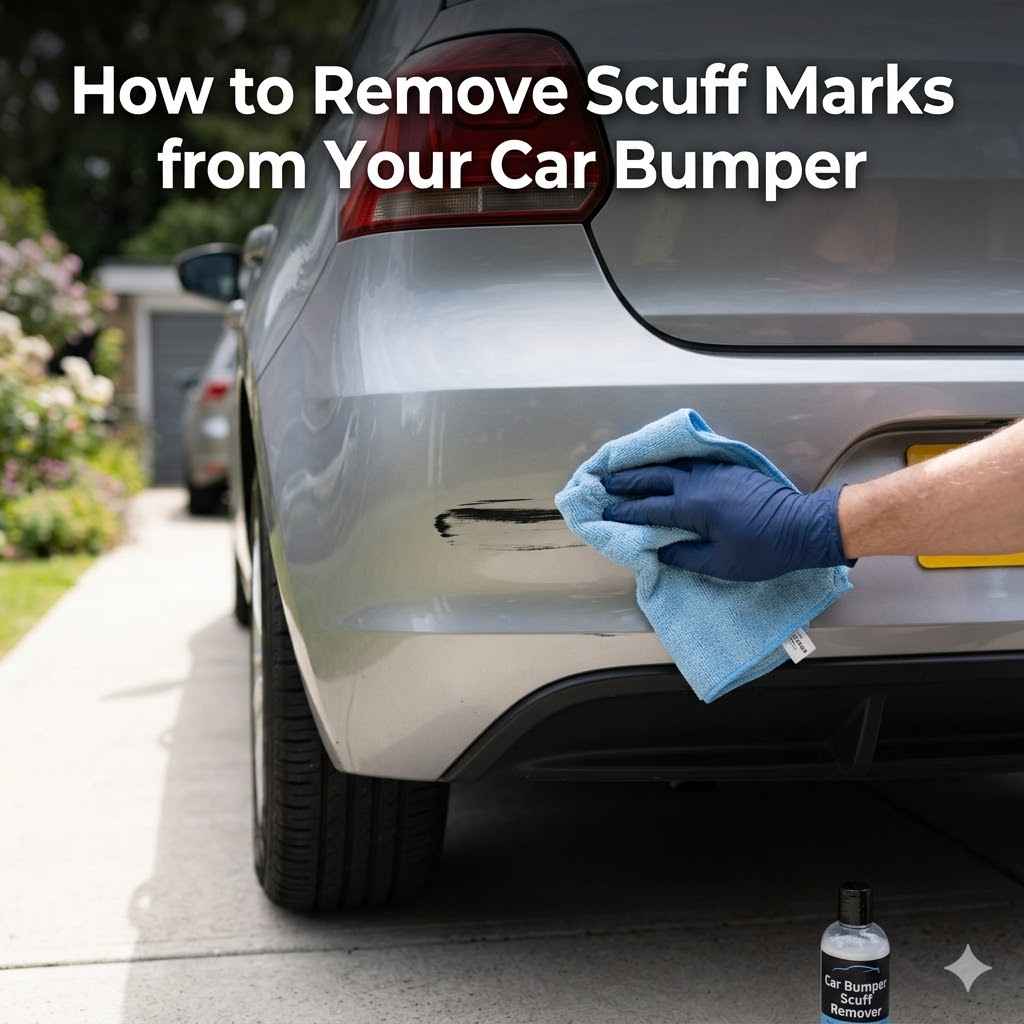
How to Remove Scuff Marks from Your Car Bumper
It’s a common problem. You glance at your car and see those annoying scuff marks on the bumper. Maybe you scraped a parking post or got a little too close to a wall.
For many car owners, especially beginners, figuring out How to Remove Scuff Marks from a Car Bumper can seem tricky. But don’t worry! It’s often much simpler than you think.
This guide will walk you through easy steps to get your bumper looking great again without a lot of fuss.
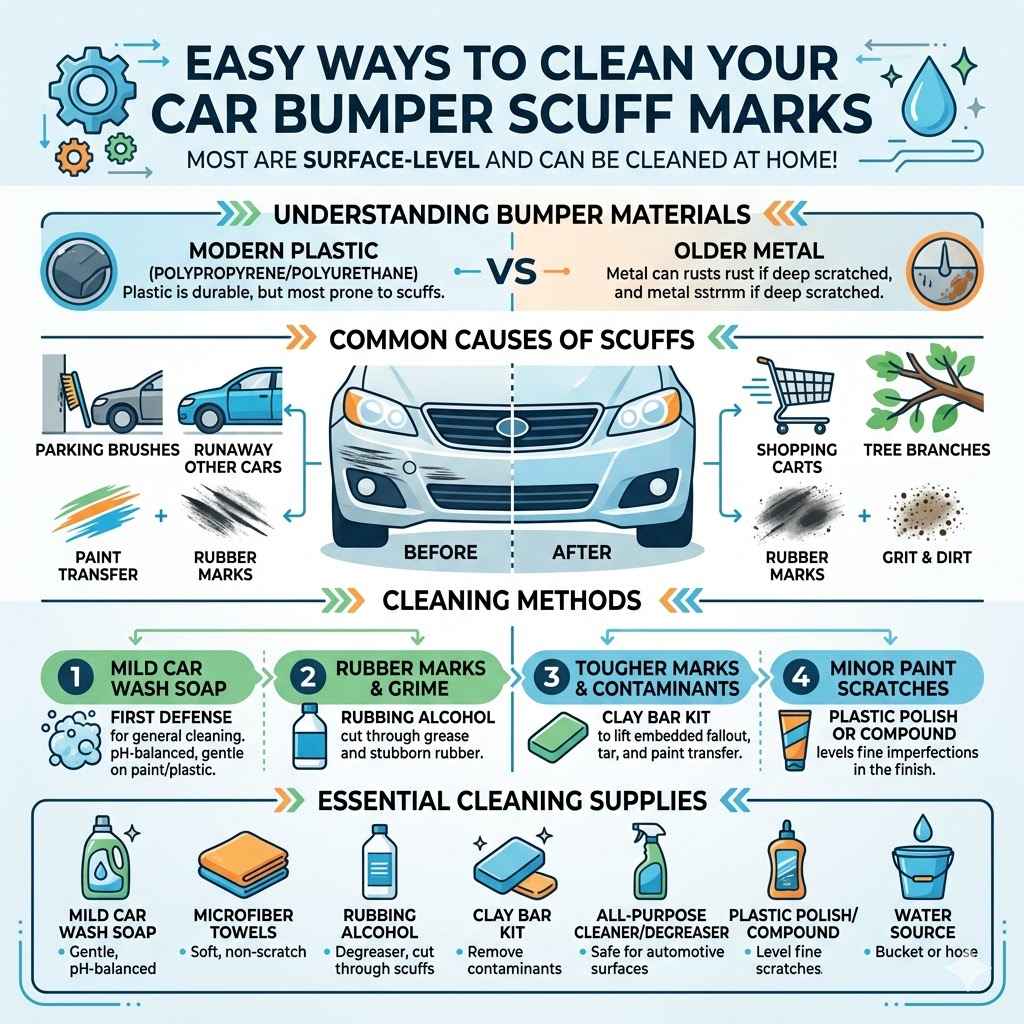
Easy Ways to Clean Your Car Bumper
Scuff marks happen to almost every car owner. They can come from everyday driving, parking, or even minor bumps. Many people wonder if they need to take their car to a professional.
The good news is that most scuff marks are surface-level and can be cleaned with common household items or affordable car cleaning products. This section will introduce you to simple cleaning methods that are easy for anyone to try at home.
Understanding Bumper Materials
Car bumpers are made from different materials, and knowing what yours is made of helps in choosing the right cleaning method. Most modern bumpers are made from plastic, specifically polypropylene or polyurethane. These plastics are flexible and durable, which is great for absorbing minor impacts.
However, they can also be prone to showing scuff marks easily.
Older cars might have metal bumpers, which are less common now. Metal bumpers are tougher but can also rust if the paint is scratched deeply. Knowing your bumper’s material ensures you don’t use a cleaning product that could damage it.
For example, some harsh chemicals could make certain plastics brittle or dull the paint finish.
Common Causes of Bumper Scuffs
Several things can cause scuff marks on your car bumper. Parking is a big one. Sometimes, when trying to fit into a tight spot, the bumper might brush against a wall, pole, or another car.
These little scrapes often leave behind paint transfer or dark rubber marks.
Shopping carts are another culprit. They can roll away and hit your car, leaving scrapes. Even things like tree branches brushing against your car as you drive can cause minor scuffs.
The type of scuff depends on what the bumper rubbed against. A mark from another car’s paint will look different from a scuff caused by a tire.
Paint Transfer
Paint transfer is very common. It happens when your bumper rubs against another painted surface. The other surface’s paint gets deposited onto your bumper.
These marks often look like streaks or patches of color that don’t match your car’s paint. They can be a lighter or darker color than your bumper.
Rubber Marks
Rubber marks often come from tires or rubber bollards. They appear as dark, sometimes greasy, smudges on the bumper. These are usually quite stubborn and require a bit more effort to remove than simple paint transfer.
The texture of rubber can make it cling tightly to the bumper’s surface.
Grit and Dirt
Sometimes, what looks like a scuff is just dirt and grit embedded into the bumper’s surface. This can happen if the bumper has been rubbed against a dirty surface, and the dirt has worked its way into tiny scratches or pores in the plastic. Cleaning these requires removing the embedded particles.
Essential Cleaning Supplies
Gathering the right supplies makes the cleaning process much smoother. You don’t need a lot of fancy equipment. Simple, readily available items will do the job effectively.
Having these ready means you can tackle those scuffs as soon as you see them, preventing them from becoming permanent.
Mild Car Wash Soap: This is your first line of defense for general cleaning. It’s designed to be gentle on car paint and plastic.
Using a dedicated car wash soap is important. Household dish soaps can strip away protective waxes and sealants from your car’s paint, leaving it more vulnerable to damage. Car wash soap is pH-balanced to clean without harming your vehicle’s finish.
Microfiber Towels: These are super soft and absorbent. They won’t scratch your bumper’s surface.
Microfiber towels are ideal because their fibers are much finer than those in cotton towels. This means they can trap dirt and debris effectively without pushing it around and causing scratches. Always use clean towels to avoid transferring dirt back onto the bumper.
Rubbing Alcohol (Isopropyl Alcohol): Great for cutting through grease and some types of scuffs.
Rubbing alcohol is a solvent that evaporates quickly. It’s effective at breaking down oily residues and sticky substances. Always dilute it with water if you’re concerned about it being too harsh on the paint, especially if your bumper is painted or has a clear coat.
Clay Bar Kit: For tougher marks and paint contaminants.
A clay bar is a pliable material used to remove contaminants from your car’s paint surface. It binds to embedded particles like industrial fallout, road tar, and paint overspray, lifting them away. It’s a more aggressive cleaning tool but very effective for deep cleaning.
All-Purpose Cleaner or Degreaser: For stubborn grease and grime.
An all-purpose cleaner is formulated to tackle a variety of dirt and grime. A degreaser is specifically designed to break down oils and grease. Choose one that is safe for automotive surfaces to avoid any damage.
Plastic Polish or Compound: For minor paint scratches that might be underlying the scuff.
If the scuff has actually scratched the paint or clear coat on your bumper, a plastic polish or a rubbing compound can help. These contain very fine abrasives that level out minor imperfections in the finish, making scratches less visible.
Water Source: A bucket of clean water or a hose.
You’ll need water to rinse away soap, dirt, and cleaning solutions. Using a bucket allows you to control the amount of water and rinse your wash mitt or towel thoroughly between cleaning areas.
How to Remove Scuff Marks from a Car Bumper Simple Steps
Now that you have your supplies, let’s get to the actual cleaning. This process is broken down into simple steps that anyone can follow. We’ll start with the gentlest methods and move to more intensive ones if needed.
The goal is to remove the scuff marks without damaging your bumper’s finish.
Step 1 Washing the Bumper
Before you try to remove any scuff marks, it’s crucial to wash the entire bumper thoroughly. This removes loose dirt, dust, and debris. Trying to scrub scuff marks on a dirty surface can actually create new scratches.
A clean surface allows you to see the scuff marks clearly and work on them directly.
Use your mild car wash soap and a clean wash mitt or sponge. Work from the top of the bumper down. Rinse thoroughly with water to ensure no soap residue remains.
Dry the bumper completely with a clean microfiber towel. This step ensures you are working with a clean canvas and prevents further scratching.
Step 2 Identifying the Scuff Mark Type
Once the bumper is clean and dry, take a close look at the scuff marks. Are they dark smudges? Are they streaks of another color?
Or do they look like faint scratches in your bumper’s paint?
Identifying the type of scuff helps you choose the best removal method. For example, a black rubber scuff mark will need a different approach than a white paint transfer mark. Knowing this saves time and effort.
It also prevents you from using a method that might be too harsh or not effective enough for the specific problem.
Step 3 Gentle Cleaning Methods
Start with the least abrasive methods. Often, simple wiping can remove many scuff marks. This is especially true for light paint transfer or dirt.
Using a Microfiber Towel and Water
Sometimes, a scuff mark is just a light transfer of paint or a bit of dirt. Try gently rubbing the area with a clean, damp microfiber towel. If it’s a very light mark, this might be all you need.
Don’t scrub too hard, as this could still damage the paint.
Rubbing Alcohol Method
For slightly tougher marks, rubbing alcohol can be very effective. Dampen a clean microfiber towel or cotton ball with isopropyl alcohol. Gently rub the scuff mark in a circular motion.
The alcohol helps break down the material causing the scuff.
After rubbing, wipe the area clean with a damp cloth and then dry it with another clean microfiber towel. It’s a good idea to test the alcohol on an inconspicuous area first, especially if your bumper is painted or has a special finish. This ensures it doesn’t affect the paint color or shine.
All-Purpose Cleaner or Degreaser
If rubbing alcohol doesn’t work, try an automotive-specific all-purpose cleaner or degreaser. Spray a small amount onto a clean microfiber towel and then gently wipe the scuff mark. These cleaners are designed to lift away grime and residues without harming the car’s finish.
Work the cleaner into the scuff mark gently. After the scuff is gone, rinse the area with water and dry it thoroughly. Avoid letting the cleaner dry on the surface.
Always follow the product’s instructions for best results and safety.
Step 4 Advanced Removal Techniques
If the gentle methods don’t remove the scuff, you might need to try something a bit more robust. These techniques are still DIY-friendly but require a bit more care.
Using a Clay Bar
A clay bar is excellent for removing stubborn contaminants that have bonded to the paint. You’ll need a clay lubricant spray. Spray the lubricant generously onto the scuffed area.
Then, gently glide the clay bar over the lubricated surface.
The clay bar will pick up the contaminants, including embedded scuff marks. Keep the surface wet with the lubricant as you work. Fold the clay bar to expose a clean surface as it picks up dirt.
After using the clay bar, wipe the area clean and dry it. You might need to follow up with a polish afterward.
Example Scenario: Removing Tire Marks
Imagine your car bumper has stubborn black tire marks from a parking incident. First, wash and dry the bumper. Then, spray the marks with an all-purpose cleaner and let it sit for a minute.
Gently scrub with a microfiber towel. If the marks persist, dampen a clay bar with lubricant and glide it over the tire marks. After removing the marks with the clay bar, wash and dry the area.
You might notice a slight dullness, which can be resolved with a quick polish.
Plastic Polish or Rubbing Compound
If the scuff mark has actually scratched the clear coat or paint on your bumper, a plastic polish or a light rubbing compound can help. These products contain very fine abrasives that smooth out minor imperfections.
Apply a small amount of polish or compound to a clean applicator pad or microfiber towel. Gently rub the scuffed area in a back-and-forth or circular motion. Don’t apply too much pressure.
Work the product until the scratch or scuff becomes less visible. Wipe away any residue with a clean microfiber towel. You may need to wax the area afterward to restore shine and protection.
Step 5 Protecting Your Bumper After Cleaning
Once the scuff marks are gone, it’s important to protect your bumper’s finish. This helps prevent future scuffs and makes cleaning easier next time.
Waxing or Sealing
Apply a coat of car wax or a paint sealant to the cleaned area, or even the entire bumper. Wax and sealants create a protective layer that repels dirt and makes it harder for scuffs to stick. They also add a nice shine to the bumper.
Choose a product that is suitable for your bumper’s material. If your bumper is unpainted plastic, use a plastic protectant or dressing. If it’s painted, a standard car wax or sealant will work well.
Apply thinly and buff to a shine with a clean microfiber towel. This final step ensures your bumper stays looking good.
Using Bumper Guards
For added protection against future scuffs, consider installing bumper guards. These are typically made of rubber or durable plastic and attach to the edges or corners of your bumper. They act as a buffer against minor impacts and scrapes.
Bumper guards come in various styles and can be easily installed with adhesive backing or screws. They are a practical solution for drivers who frequently encounter tight parking situations or live in areas with a lot of pedestrian traffic. This is a proactive measure against new scuffs.
Real-Life Example: The Shopping Cart Incident
Sarah was loading groceries when a runaway shopping cart bumped her car’s rear bumper. It left a long, ugly white scuff mark. She was worried it would be permanent.
She followed these steps:
- Washed the bumper.
- Tried rubbing alcohol on a cloth, which softened the mark.
- Used a bit of plastic polish with a microfiber towel.
- The white mark disappeared, leaving the original paint smooth.
- She then applied a coat of wax to protect it.
Sarah was thrilled. Her bumper looked like new, and it only took about 30 minutes. The key was starting gently and only moving to a stronger method if needed.
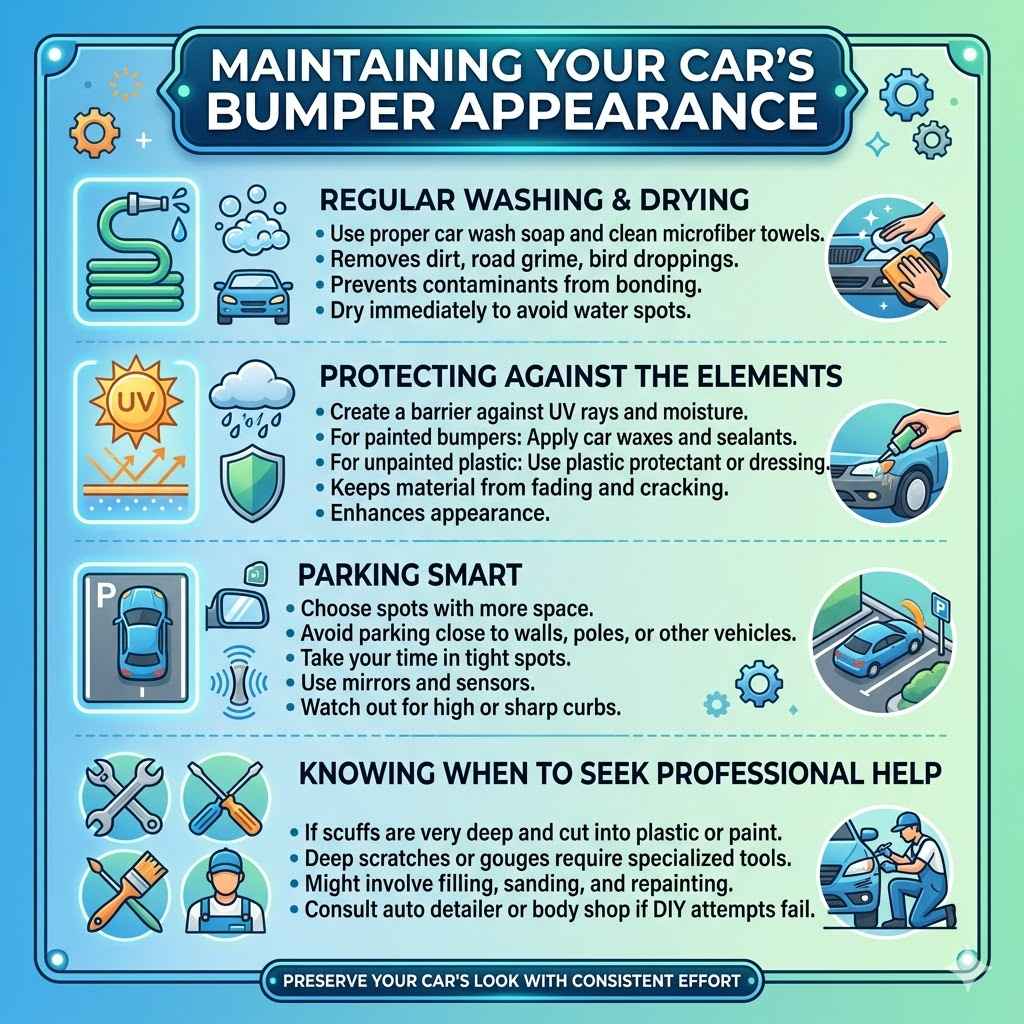
Maintaining Your Car’s Bumper Appearance
Keeping your car’s bumper looking its best involves more than just cleaning after scuffs appear. Regular maintenance plays a big role in preventing them and making them easier to deal with if they do happen. A little consistent effort goes a long way in preserving your car’s appearance.
Regular Washing and Drying
Washing your car regularly is the most basic yet effective maintenance step. It removes dirt, road grime, bird droppings, and other contaminants that can build up on your bumper. When you wash your car frequently, these substances don’t have as much time to bond to the surface or cause damage.
Always use the proper car wash soap and clean microfiber towels. This prevents scratching during the washing process itself. Drying your car immediately after washing is also important.
Water spots can form if water is left to evaporate on the surface, especially in direct sunlight.
Protecting Against the Elements
Your car’s bumper is constantly exposed to the sun, rain, and other environmental factors. These can degrade the plastic and paint over time, making them more susceptible to damage and scuffs. Applying a protective coating can shield your bumper.
Car waxes and sealants create a barrier against UV rays and moisture. For unpainted plastic bumpers, a dedicated plastic protectant or dressing will keep the material from fading and cracking. These products not only protect but also enhance the look of the plastic, giving it a clean, refreshed appearance.
Parking Smart
One of the best ways to avoid bumper scuffs is to be mindful when parking. Whenever possible, choose parking spots that offer more space. Avoid parking too close to walls, poles, or other vehicles.
When parking in tight spots, take your time. Use your mirrors and your car’s sensors if you have them. If you’re parking on a street with curbs, try to avoid parking where the curb is very high or sharp, as this can easily scrape the underside of your bumper.
Knowing When to Seek Professional Help
While most scuff marks can be removed at home, there are times when professional help is the best option. If the scuff mark is very deep and has cut into the plastic or paint significantly, a DIY approach might not yield satisfactory results.
Deep scratches or gouges often require professional repair, which might involve filling, sanding, and repainting the bumper. If you’re unsure about the extent of the damage, or if your DIY attempts aren’t working, it’s always wise to consult with a professional auto detailer or body shop. They have the specialized tools and expertise to restore your bumper to its original condition.
Frequently Asked Questions
Question: Can I use household cleaners like Windex on my car bumper scuffs?
Answer: It’s generally not recommended to use household cleaners like Windex on car bumpers. Windex contains ammonia, which can damage certain types of car paint and finishes, especially clear coats. It’s better to use products specifically designed for automotive use, like mild car soap, rubbing alcohol, or an all-purpose cleaner safe for car surfaces.
Question: How long does it take to remove scuff marks from a car bumper?
Answer: The time it takes depends on the severity and type of scuff mark. Simple paint transfer marks can often be removed in minutes with gentle cleaning. More stubborn marks might take 30 minutes to an hour using methods like clay bars or polishes.
Deep scratches requiring repainting will take longer and require professional work.
Question: Will removing scuff marks void my car’s warranty?
Answer: Generally, no. Removing common scuff marks using standard cleaning methods should not void your car’s warranty. Warranties typically cover manufacturing defects, not cosmetic damage from everyday use.
However, if you were to use extremely harsh chemicals or methods that cause further damage, that could potentially be an issue.
Question: Can I remove scuff marks from a matte finish bumper?
Answer: Removing scuffs from a matte finish bumper requires extra care. Matte finishes are delicate and can be easily damaged by abrasive products or excessive rubbing. For matte finishes, it’s best to use the gentlest methods first, like mild soap and water, or a specialized matte finish cleaner.
Avoid polishes or compounds, as they can alter the matte appearance.
Question: What is the difference between a scuff mark and a scratch?
Answer: A scuff mark is typically a surface-level blemish caused by another material rubbing against your bumper, often leaving paint transfer or rubber residue. A scratch, on the other hand, is damage that has broken through the clear coat or paint layer, exposing the material beneath. Scuffs are usually easier to remove than scratches.
Summary
Removing scuff marks from your car bumper is a manageable task. You can often tackle them yourself with simple supplies. Start with washing and then try gentle methods like rubbing alcohol or a specialized cleaner.
For tougher marks, a clay bar or plastic polish can work wonders. Always remember to protect your bumper afterward with wax or a sealant to keep it looking great and resist future marks.