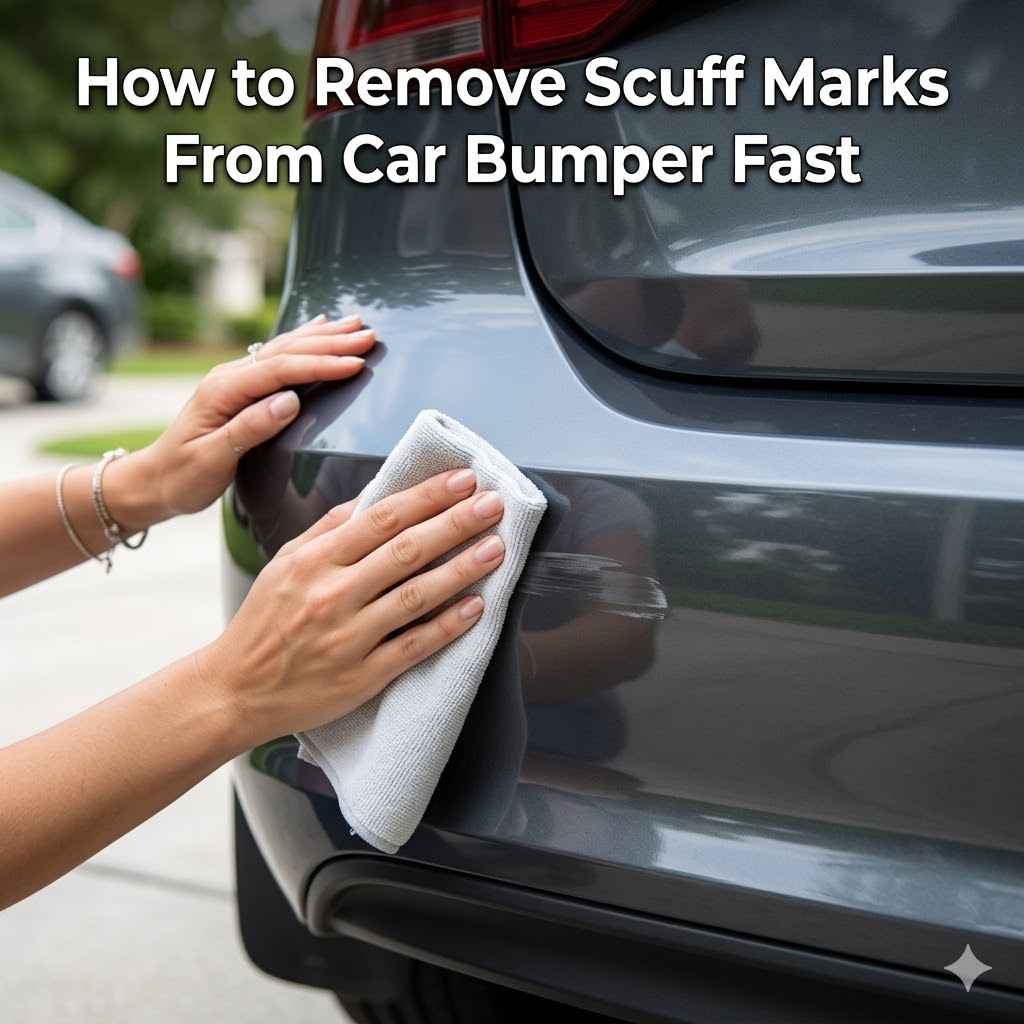
How to Remove Scuff Marks From Car Bumper Fast
Many car owners find themselves staring at those annoying scuff marks on their car bumpers and wondering if they can fix them easily. It’s a common problem, especially for those new to car care. These marks can make even a shiny car look a bit neglected. But don’t worry, learning How to Remove Scuff Marks from Car Bumper Fast is simpler than you might think. We’ll walk you through easy steps to make your bumper look great again without needing fancy tools. Get ready to restore that smooth finish!
Quickly Remove Scuff Marks From Car Bumper
Learning how to remove scuff marks from car bumper fast is a key skill for any car owner. These marks happen more often than you might think, from minor bumps in parking lots to scrapes against garage walls. For beginners, they can seem like a permanent eyesore. This section will guide you through the fastest and most effective ways to tackle these marks, ensuring your car bumper looks as good as new. We will cover simple DIY methods that require minimal effort and common household items, making the process accessible for everyone.
Understanding Scuff Marks on Bumpers
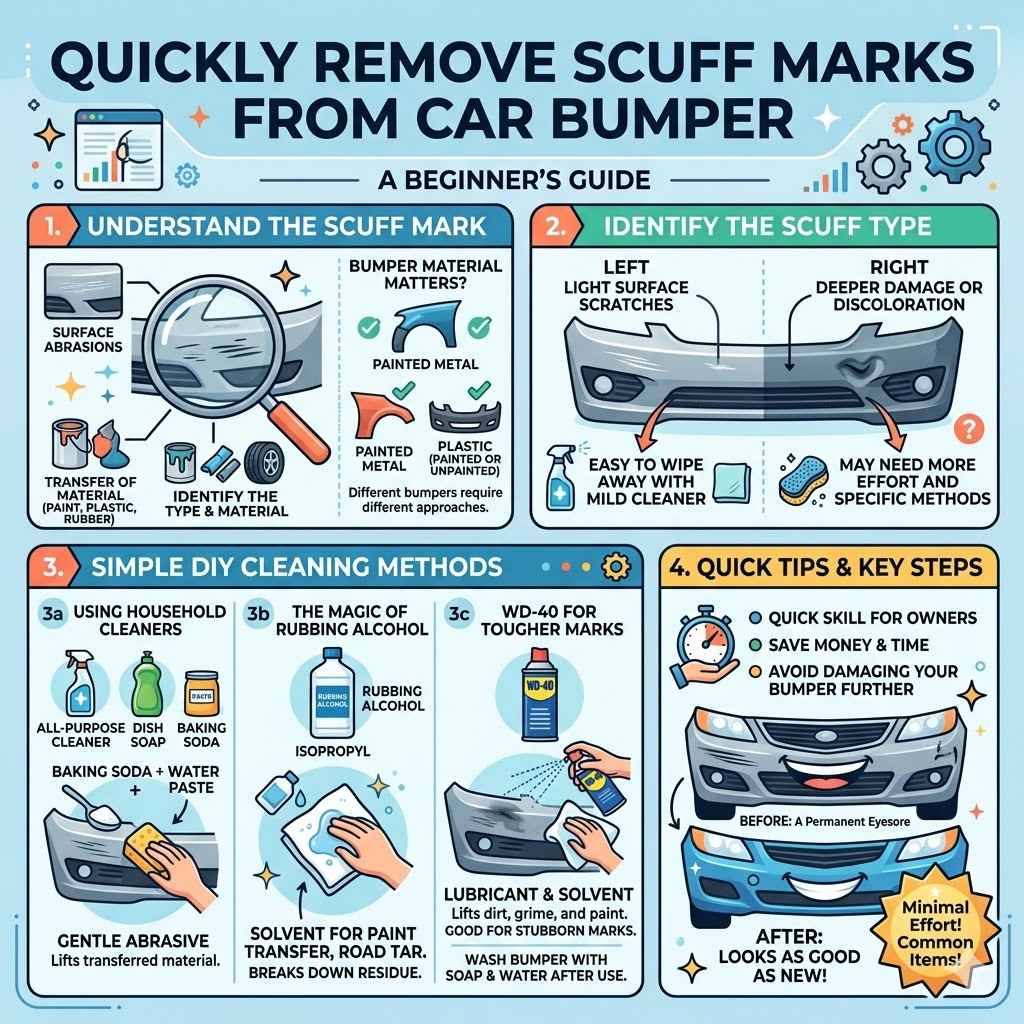
Scuff marks are essentially surface abrasions. They occur when another object rubs against your car bumper. This transfer of material often leaves behind a mark from the object that caused the scrape. Sometimes it’s paint from another vehicle, sometimes it’s plastic or rubber from a pole or wall. The key to removing them quickly is to identify the type of scuff and the material of your bumper. Different bumper materials, like plastic versus painted metal, might require slightly different approaches.
Identifying the Type of Scuff Mark
Scuff marks can vary greatly. Some are light surface scratches where only a little paint or plastic has been transferred. Others are deeper, where the actual bumper material might be slightly damaged or discolored. Being able to tell the difference is the first step. A light scuff can often be wiped away with a mild cleaner, while a deeper one might need a bit more effort. This helps you choose the right method and avoid damaging your bumper further.
Bumper Material Matters
Most car bumpers today are made of plastic. This plastic can be painted or unpainted. Unpainted plastic bumpers are generally more forgiving and can often be cleaned with specialized plastic cleaners. Painted bumpers, however, need a gentler touch to avoid stripping the paint. Knowing your bumper’s material helps you select the correct cleaning agents and tools, preventing you from making the problem worse.
Simple DIY Cleaning Methods
There are several easy ways to remove scuff marks from your car bumper using common household items. These methods are effective for lighter scuffs and are perfect for a quick fix. They save you money and time compared to visiting a professional detailer. You’ll be surprised at how well simple things can work.
Using Household Cleaners
Many everyday household cleaners can tackle scuff marks. All-purpose cleaners, dish soap, or even baking soda paste can be surprisingly effective. For instance, a paste made from baking soda and water can act as a gentle abrasive. You apply it to the scuff, let it sit for a minute, and then gently rub it away with a soft cloth. This works by lifting the transferred material without harming the underlying bumper finish.
The Magic of Rubbing Alcohol
Rubbing alcohol (isopropyl alcohol) is another excellent tool for removing scuff marks. It’s a solvent that can break down many types of residue, including paint transfer and road tar. Simply dampen a soft cloth or cotton ball with rubbing alcohol and gently rub the scuff mark. It’s usually effective on light to medium scuffs. Always test in an inconspicuous area first to ensure it doesn’t affect your bumper’s paint or finish.
WD-40 for Tougher Marks
For more stubborn scuff marks, WD-40 can be a lifesaver. It’s a lubricant and solvent that can lift away dirt, grime, and even paint transfer. Spray a small amount directly onto the scuff mark or onto a cloth. Let it sit for a minute or two, then gently wipe the area clean. Afterward, wash the bumper with soap and water to remove any WD-40 residue. This method is particularly good for those frustrating marks that resist other cleaners.
Effective Techniques for Removing Bumper Scuffs
When household items aren’t quite enough, or you want a more targeted approach, there are specific techniques and products designed for bumper scuffs. These methods offer a bit more power while still remaining easy enough for a beginner to master. They focus on safely lifting the offending material from your bumper’s surface.
Specialized Car Cleaning Products
The automotive care market offers a range of products specifically for cleaning and restoring car surfaces. Many of these are designed to be safe for car paint and plastic. Using the right product can make a big difference in achieving a perfect finish.
Bug and Tar Removers
Products designed to remove bug splatter and road tar are often very effective on scuff marks. These cleaners contain solvents that can dissolve sticky residues and paint transfer. Apply the product to a microfiber cloth and then gently rub the scuff mark. These are usually safe for most car finishes but always check the product label for compatibility with your specific bumper material.
Clay Bar Treatments
A clay bar is a detailing product used to remove contaminants from a car’s paint surface. It can also be used on painted bumpers to lift embedded dirt, overspray, and light scuffs. You’ll need a lubricant spray to use with the clay bar. Gently glide the clay bar over the lubricated surface. It will pick up the contaminants, leaving the surface smooth and clean. This is a slightly more advanced technique but very effective for stubborn marks.
Rubbing Compounds and Polishes
For scuffs that have slightly marred the paint on your bumper, a rubbing compound or polish can help. Rubbing compounds are more abrasive and are used to remove deeper scratches and oxidation. Polishes are less abrasive and are used to restore shine and remove light swirl marks. Always start with the least abrasive product and use a soft applicator pad, working in small sections. Remember to follow up with a wax or sealant to protect the finish.
The Power of Magic Eraser
The melamine foam sponge, often known as a “magic eraser,” can be a surprisingly effective tool for removing scuff marks. This material works like a super-fine sandpaper, gently abrading the transferred material. It’s best used on unpainted plastic bumpers or very carefully on painted surfaces.
How to Use a Magic Eraser Safely
To use a magic eraser, dampen it with water and gently rub the scuff mark. The key word here is “gently.” Over-scrubbing or using too much pressure can dull or even remove the paint from your bumper. It’s crucial to test it on a small, hidden area first. If it works without damaging the finish, proceed with caution on the visible scuffs. Always follow up by cleaning the area with soap and water.
A common scenario is when a shopping cart accidentally scrapes against a car bumper in a parking lot. The white paint from the cart often transfers onto the bumper, leaving a noticeable white scuff. A magic eraser, used gently, can lift this white paint residue without damaging the original car paint.
Using Toothpaste for Light Scuffs
Believe it or not, a dab of non-gel toothpaste can help with light scuff marks. The mild abrasives in toothpaste can lift away transferred material. It’s best suited for painted bumpers where you need a gentle approach.
Toothpaste Application Guide
Apply a small amount of white, non-gel toothpaste to a soft cloth. Gently rub the toothpaste into the scuff mark in a circular motion. You should start to see the mark lifting. Once the scuff is gone, wipe the area clean with a damp cloth to remove any toothpaste residue. Rinse the area and dry it thoroughly. This is a quick fix for minor cosmetic issues.
Imagine you’ve lightly scraped your bumper against a low wall, leaving a faint grey mark. A simple application of toothpaste on a soft cloth, rubbed gently, can often remove this without needing to buy specialized car cleaning products, proving a fast solution.
Advanced Techniques and When to Seek Help
While many scuff marks can be handled with DIY methods, some situations might require more advanced techniques or professional intervention. Knowing when to stop and call in the experts can save you from causing further damage.
Dealing with Deep Scratches and Gouges
If a scuff mark is more of a deep scratch or a gouge, meaning the bumper material itself is damaged, simple cleaning won’t be enough. These types of marks penetrate the paint layer or even the plastic itself.
Scratch Repair Kits
For painted bumpers with deeper scratches that haven’t reached the underlying material, scratch repair kits can be effective. These kits usually contain touch-up paint matched to your car’s color. You carefully apply the paint to the scratch, let it dry, and then often use a leveling compound to make it smooth with the surrounding paint. It takes patience and a steady hand.
Bumper Repair Fillers
If the bumper plastic itself is gouged or has a small hole, you might need a plastic repair kit. These kits typically involve a two-part epoxy or filler that you use to fill the damaged area. Once hardened, you sand it smooth and then prime and paint it to match your bumper. This is a more involved repair and might be best left to those with some DIY experience.
When to Call a Professional
Sometimes, the best way to remove scuff marks, especially if they are extensive or deep, is to consult a professional. They have specialized tools, products, and expertise to handle a wide range of bumper damage.
When DIY Fails
If you’ve tried several DIY methods and the scuff marks remain, or if you’ve accidentally made the problem worse, it’s time to seek professional help. Professionals can assess the damage accurately and recommend the best course of action, whether it’s a minor touch-up or a more involved repair.
Cost-Effectiveness of Professional Repair
While professional repair might seem more expensive upfront, it can be cost-effective in the long run. A botched DIY attempt can lead to more costly repairs later. For significant damage, professionals can often restore your bumper to its original condition, preserving your car’s appearance and value. They have access to industrial-grade tools and paint matching systems.
Protecting Your Car Bumper from Future Scuffs
Once you’ve successfully removed those annoying scuff marks, it’s a good idea to think about preventing them from happening again. A few simple preventative measures can save you a lot of trouble down the line.
Applying Protective Coatings
Adding a protective layer to your bumper can help it resist minor abrasions and make cleaning easier. This acts like a shield against everyday wear and tear.
Car Waxes and Sealants
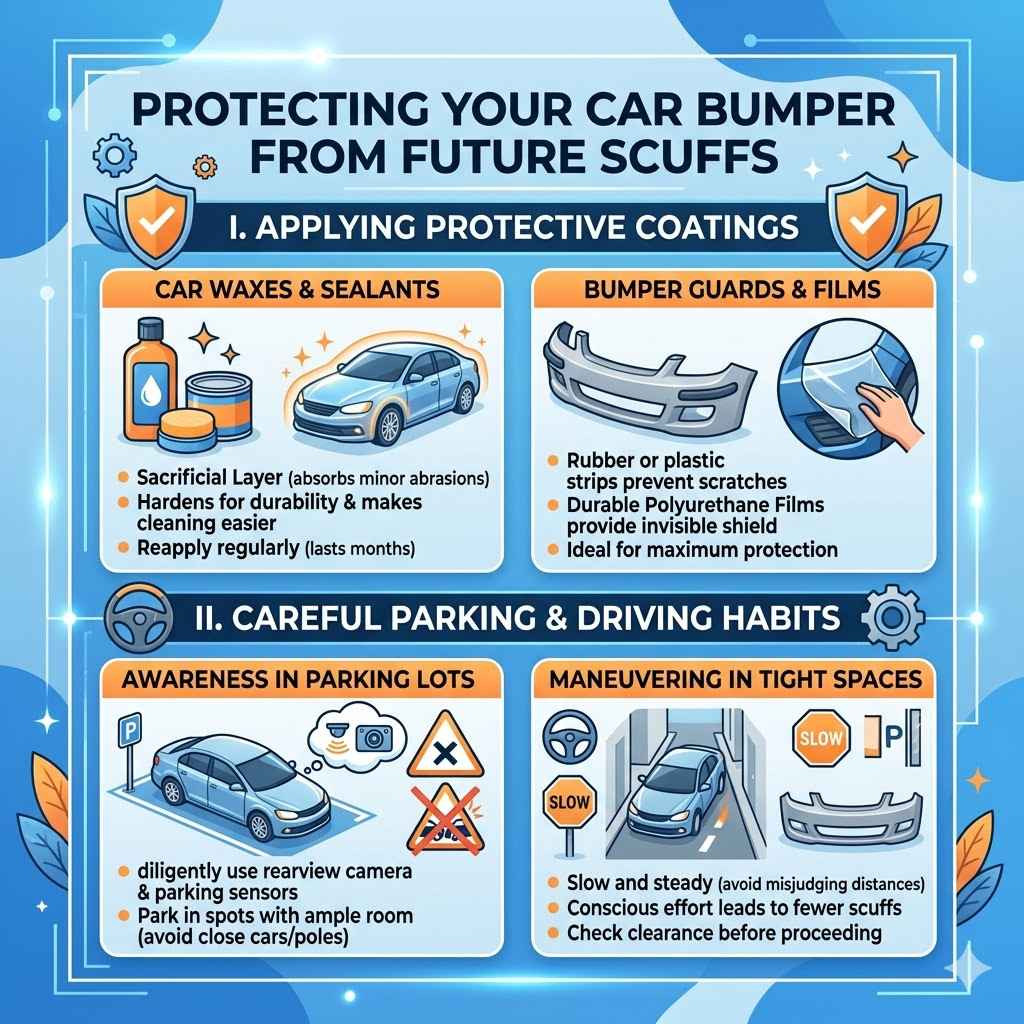
Regularly waxing or sealing your car’s painted surfaces, including the bumper, provides a sacrificial layer. This layer can absorb minor abrasions and can be reapplied regularly. It also makes it harder for scuff marks to bond to the paint. A good quality car wax or synthetic sealant can offer several months of protection.
Bumper Guards and Films
For maximum protection, especially on unpainted plastic bumpers, consider bumper guards or clear protective films. Bumper guards are often rubber or plastic strips that attach to the bumper’s edges. Clear protective films, made from durable polyurethane, can be applied to the entire bumper surface to prevent scratches and scuffs. These are becoming increasingly popular for their nearly invisible protection.
Careful Parking and Driving Habits
Many scuff marks are caused by everyday driving and parking mishaps. Adopting some careful habits can significantly reduce the likelihood of new marks appearing.
Awareness in Parking Lots
When parking, take extra care. Try to park in spots where you have ample room on both sides. Avoid parking too close to other vehicles or to walls and poles. If you have a rearview camera or parking sensors, use them diligently. This simple awareness can prevent countless minor collisions.
Maneuvering in Tight Spaces
When driving in tight spaces, such as narrow streets or garages, go slowly and be aware of your surroundings. Many scuffs happen when drivers misjudge distances. If you’re unsure, it’s better to get out and check the clearance before proceeding. Slow and steady wins the race when it comes to protecting your car’s bumper.
A common scenario for bumper scuffs is when a driver is attempting to parallel park in a tight spot and misjudges the distance to the curb or the car behind them. By taking an extra moment to check their surroundings, or by using parking aids more effectively, such as sensors or a backup camera, they can avoid scraping their bumper. This conscious effort leads to fewer scuffs.
Frequently Asked Questions
Question: Can I use nail polish remover to remove scuff marks?
Answer: It is generally not recommended to use nail polish remover on your car bumper. Acetone, a common ingredient in nail polish remover, is a strong solvent that can damage or strip the paint and plastic finish of your bumper. It’s best to stick to products specifically designed for automotive use or common household cleaners known to be safe for car surfaces.
Question: How long does it take to remove simple scuff marks?
Answer: For simple scuff marks, the process can be very quick, often taking just a few minutes. Using a mild cleaner like rubbing alcohol or a dab of toothpaste on a cloth, you can typically remove light scuffs in under five minutes. More involved methods might take a bit longer, but even then, most DIY fixes are completed within 15-30 minutes.
Question: What is the best way to clean an unpainted plastic bumper?
Answer: For unpainted plastic bumpers, a good all-purpose cleaner, a dedicated plastic cleaner, or even a paste of baking soda and water works well. A magic eraser can also be effective but should be used gently. Always rinse the area thoroughly with water afterward to remove any cleaning residue.
Question: Will rubbing a scuff mark make it worse?
Answer: Rubbing too aggressively or using abrasive materials can indeed make a scuff mark worse, especially on painted surfaces. It can lead to dulling the paint, creating more scratches, or even removing the paint altogether. Always start with the gentlest method and use soft cloths, applying light to moderate pressure.
Question: How can I prevent scuff marks on my car bumper?
Answer: To prevent scuff marks, you can use protective coatings like car wax or paint protection films, install bumper guards, and practice careful parking and driving habits. Being more aware of your surroundings, especially in tight spaces, can significantly reduce the chances of your bumper getting scuffed.
Wrap Up
Learning how to remove scuff marks from car bumper fast is achievable with simple steps. You can use household items or specialized products. Always identify the scuff and bumper material first. Gentle rubbing with safe cleaners or compounds usually does the trick. For deeper damage, consider repair kits or professional help. Protecting your bumper with coatings and careful habits prevents future marks. You can keep your car looking great.
Products related to this article
Sponsored / affiliate links. As an Amazon Associate I earn from qualifying purchases. I may earn additional commission from eligible campaigns.