How To Sell A Car Everyday: Proven Essential
To sell a car every day, you need high-volume, fast-moving inventory, aggressive pricing, and streamlined sales processes. Focus on easily marketable vehicle types, quick deal closing, and excellent online presentation to achieve daily sales targets consistently.
Selling a car sounds simple, but doing it consistently—like every single day—is a real challenge for most people. Maybe you own a small used car lot, or perhaps you flip vehicles on the side and want to scale up. It can feel frustrating when a sweet deal sits for weeks. The key isn’t luck; it’s having a proven, repeatable system. I’m Md Meraj, and I’m here to break down exactly what it takes to move inventory daily without the usual headaches. We will look at the smart steps professionals use to keep the sales flowing smoothly, starting right now.
The Mindset Shift: Selling Cars Daily is a Business, Not a Hobby
If you aim to move one car every 24 hours, casual weekend selling won’t cut it. You must treat this like a serious, operationally tight business. This means shifting your focus from finding one perfect buyer to managing a continuous flow of inventory that appeals to the mass market.
1. Inventory Selection: Be a Volume Player
The biggest mistake people make when trying to sell quickly is buying cars that look good sitting pretty, but don’t sell fast. Daily sellers need “bread and butter” cars. These are vehicles that the average person needs and can afford right now.
What Sells Fast? Target the Middle Ground
- Reliable Commuters: Think Honda Civics, Toyota Corollas, reliable mid-range Ford/Chevy sedans. These are the workhorses people need immediately.
- Budget SUVs: Small, affordable SUVs (like older CR-Vs or Equinoxes) are always in high demand due to their utility.
- Lower Price Points: Cars priced between $6,000 and $12,000 tend to cycle much faster than luxury or specialized vehicles needing complex financing.
Avoid niche market vehicles initially. A classic Mustang or a high-end luxury SUV might make you a great profit on one sale, but if it sits for three weeks, you’ve lost three daily sales opportunities.
2. Understand Your Velocity Metric
To sell daily, you must know how long your average car stays on the lot (or listing). This is called “Days Inventory Outstanding” or DIO. For daily sales, you need a DIO close to 24-48 hours.
If your current DIO is 20 days, you are not selling daily. You need to adjust your buying or pricing strategy until that clock speeds up dramatically.
Step 1: Sourcing Inventory Like a Daily Pro
You cannot sell cars daily if you don’t have clean, ready-to-go inventory secured. Pros source constantly, not just when they have an empty spot.
The Best Places to Find Quick-Turn Inventory
- Auctions (Trade-Ins): Local dealer auctions provide high volume. If you build good relationships with franchised dealers, they often offload clean trade-ins they don’t want to retail. Speed is critical here; you must be prepared to buy and process immediately after the auction closes.
- Driving for Dollars (DFD): This involves looking for cars that are obviously neglected on driveways—flat tires, expired tags. These owners are often motivated to sell quickly for cash to get rid of a problem.
- Targeted Online Buying: Set up alerts on platforms like Craigslist or Facebook Marketplace for specific “we buy cars” or “quick sale” terms. You need to be the first responder.
Safety Note: Always check the title status and vehicle history report (like CarFax) before committing, even when buying fast. A quick deal isn’t worth a legal headache later. You can check basic state titling requirements through resources like the USA.gov portal for state motor vehicle agencies.
The Daily Buying Checklist
When evaluating a potential daily seller, run through this checklist fast:
- Is the title clean (no salvage, flood, or junk branding)?
- Are mechanical repairs needed less than $500? (If more, it slows your turn time.)
- Is the required maintenance (oil change, tires) easily achievable?
- Does the price allow for at least a $1,000 margin, even after listing fees?

Step 2: Mastering the Daily Pricing Strategy (The Profit Killer)
If you want to sell every day, your pricing cannot be “hopeful.” It must be aggressively competitive. Daily sellers make less per unit but gain massive volume.
Price It to Move: The 80/20 Rule
Most successful high-volume sellers price their inventory in the bottom 20% of the market value for that specific year, make, and mileage. Why?
- It guarantees the phone rings instantly.
- It generates multiple leads at once, creating urgency among buyers.
- It minimizes negotiation time, which is crucial for daily turnover.
Use Kelley Blue Book (KBB) and NADA guides, but adjust downward for speed. If KBB says “Good,” price at the high end of “Fair” to get the sale today.
Pricing Breakdown Strategy
| Goal | Pricing Strategy | Impact on Sales Cycle |
|---|---|---|
| Long-Term Profit | Price at market average or slightly above. | 30+ Days Inventory |
| Fast Turnaround | Price in the bottom 15% of market value. | 7-14 Days Inventory |
| Daily Sale Target | Price aggressively in the bottom 5-10% of market value. | Under 48 Hours |
The Power of Non-Negotiable Pricing
To sell every day, you need certainty. Clearly state that your aggressively low price is “As-Is, Firm.” This weeds out tire-kickers who want to spend an hour haggling over $300. If the price is genuinely the best in the area, these buyers will skip the negotiation phase and move straight to purchase.
Step 3: World-Class Preparation for Instant Sale
A car sitting for days is usually a poorly presented car. Daily sellers present cars that look professionally serviced and ready for the road the moment the check clears.
The 48-Hour Prep Window
From the moment you buy the car, you have 48 hours to prepare it before it hits the market. This includes maintenance, cleaning, and photography.
Essential Preparation Tasks
- Safety First Check: Ensure all essential safety items are good: brakes, tires (check tread depth—legal requirements matter for resale), lights, and fluids. A safety failure turns a quick sale into a long repair job.
- Detailing: This is non-negotiable. A deep clean inside and out often adds $1,000 in perceived value for minimal cost. Focus on removing odors, which kills sales instantly. Ozone generators work wonders for smoke smell removal.
- Necessary Paperwork: Gather all maintenance records you received. If you don’t have them, create a short list of the service you performed (e.g., “Fresh Oil Change, New Air Filter”). Transparency builds trust.
- Title Ready: Ensure the title is completely clean, signed, and ready to hand over. Any delay in the title transfer process stops your daily goal dead in its tracks. Check your state’s specific requirements for selling used vehicles, which often involves specific forms like a Bill of Sale.
Step 4: Hyper-Efficient Advertising for Daily Leads
If you wait for buyers to come to you, you won’t sell daily. You must push the car out to where buyers are actively shopping, and you need compelling ads.
Photography: The First Impression
Bad photos = slow sales. Every photo must be bright, high-resolution, and consistent. Use the same location for all photos taken on a sunny day.
- Take 20+ photos minimum.
- Include the odometer, engine bay, trunk, clean seats, and all four tires clearly showing tread.
- Use a simple, clean background—no clutter!
Writing Ads That Demand Clicks
Your ad copy must scream “Value!” and “Urgency for the Buyer!”
Use headlines that highlight the fast-selling features:
Example Headline: “Priced To MOVE Today! Super Clean, Low Miles 2015 Honda Civic LX – Guaranteed Best Price in Town!”
In the body, immediately address the competitive price and cleanliness:
- State the condition clearly (e.g., “One small scratch on the driver door, otherwise excellent”). Honesty prevents wasted calls.
- List key maintenance or recent upgrades.
- Reiterate that the price is set based on the need for a fast sale.
Listing Strategy: Cast a Wide Net
If you are aiming for daily sales, you must leverage every major platform simultaneously:
- Facebook Marketplace (FBMP): The highest volume of casual buyers. Post here first.
- Craigslist: Still essential for local, cash/quick-title buyers.
- Dedicated Listing Sites (e.g., Autotrader, Cars.com): Use these for wider reach, but watch listing fees versus turnover speed.
Pro Tip for Daily Clicks: Re-list your ad every day or two on FBMP and Craigslist. Most platforms move older ads down the feed quickly. Refreshing the post puts it back at the top of current searches.
Step 5: The Rapid Response Sales Process
This is where most small sellers fail. A buyer calls about a car priced aggressively low. If you take 4 hours to return the call, someone else has already bought it. Speed equals conversion.
Handling Inbound Calls and Texts
You must be available. If you cannot physically answer the phone, have a clear system: text back within 5 minutes, promising a call back within the hour. Silence kills sales.
The Five-Minute Qualification Call
When you speak to the buyer, your goal is not to sell the car over the phone; it’s to get them to your location as quickly as possible. Keep it short and factual.
- Acknowledge their interest and confirm they saw the aggressive price.
- Answer 1-2 specific questions clearly.
- Immediately offer a viewing slot: “I have several people interested because of the low price. Are you available to see it this afternoon at 3 PM or would tomorrow morning at 9 AM work better?” (Offer two close-together options, creating mild competitive urgency.)
Streamlining the In-Person Visit
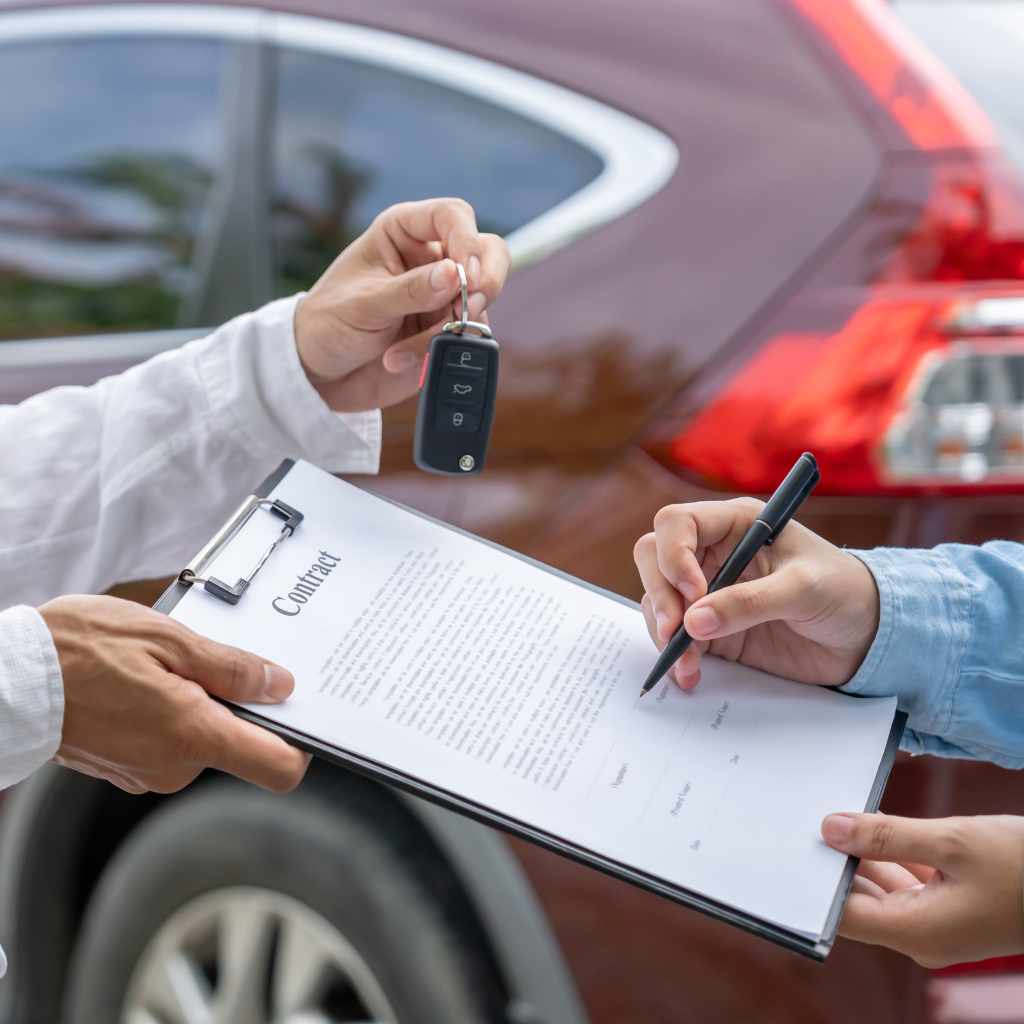
When they arrive, the process should be seamless. Have the keys, the title copy, and a clean Bill of Sale document ready to go near the car.
Your job in person is to confirm their excitement and handle objections quickly. Because your price is already aggressive, you expect fewer lowball offers. If they ask for a small discount ($100-$200), be prepared to concede it immediately to close the deal today.
The Goal: Buyer sees car, test drives, agrees to price, pays, signs, and drives away within one hour of arriving.
Step 6: Financing and Payment Security (Crucial for Daily Flow)
Waiting for financing approvals can destroy a daily sales quota. You need payment solutions ready before the buyer even arrives.
Cash is King for Daily Sales
For the quickest turnover, focus on buyers using cash, cashier’s checks verified instantly, or secure bank transfers. If you deal with third-party financing, you inherently slow down your process.
Acceptable Fast Payment Methods
| Payment Method | Speed of Transfer | Risk Level |
|---|---|---|
| Cash (Small Bills preferred) | Instant | Low (Risk of counterfeit) |
| Verified Cashier’s Check | Instant (If bank is nearby for verification) | Medium (Risk of invalid check) |
| Wire Transfer (ACH) | Same Day/Next Day | Low (Once confirmed) |
| Personal Check | 5-10 Business Days (Hold Risk) | Very High – Avoid for Daily Sales |
If a buyer brings a cashier’s check, go to their issuing bank with them to watch the teller issue the check or at least call the bank for immediate verification that the funds are held against the check number. Protecting your proceeds is vital when moving high volume.
Keys to Scaling: Maintaining Daily Momentum
Selling one car every day is hard. Selling two or three daily requires systems that can handle the load. This means outsourcing or automating non-selling tasks.
Systemizing Administration
As volume increases, you need help with the boring but necessary paperwork.
- Outsource Detailing/Minor Mechanical Work: Hire reliable local contractors for detailing, oil changes, and basic inspections. Your time is better spent sourcing the next car and talking to lead buyers.
- Digital Paperwork Templates: Have reusable Bill of Sale and Odometer Disclosure Statement templates formatted and ready to print instantly. Check your local Department of Motor Vehicles (DMV) resources for required forms specific to your state, as improper forms will delay the title transfer for the new owner.
- Lead Management: Use a simple spreadsheet or a free CRM tool to track all leads. When Car A sells, immediately contact the person who inquired about Car A but didn’t buy it, and tell them Car B is now ready.
The ‘Re-List’ Strategy on Low Performers
If a car doesn’t sell in 48 hours at the aggressive target price, it means you have grossly misjudged the market, OR the listing quality is poor. Do not let it sit past 72 hours.
After 72 hours:
- Re-photograph the car in different lights/locations.
- Drop the price by another $300-$500.
- Change the description entirely to focus on a different angle (e.g., switch focus from “great mileage” to “excellent brakes and new tires”).

Frequently Asked Questions (FAQ) for Beginner Daily Sellers
Q1: How much profit should I aim for per car if I want to sell every day?
A: To sell daily, you must sacrifice high per-unit profit for high sales volume. Aim for a minimum of $800 to $1,200 gross profit per vehicle. If you are targeting sales over $15,000, you might aim slightly higher ($1,500+), but keep the overall margin percentage tight.
Q2: What is the biggest risk when I try to buy and sell cars this fast?
A: The biggest risk is buying a car with a hidden mechanical issue you missed in the quick inspection, or buying a car with a bad title (liens or branding issues). Always prioritize title verification before the purchase.
Q3: Should I offer test drives before 9 AM?
A: If your goal is truly daily sales, you need maximum availability. If you cannot meet buyers early, ensure your listing explicitly states your hours (e.g., “Appointments start at 10 AM”). Early morning sales often come from highly motivated buyers who skip other appointments.
Q4: How do I handle buyers who want to pay with financing from their credit union?
A: This adds delay. Be upfront and say: “My price is based on a cash/wire transfer transaction. If you need financing, the car will be held only after your lender issues a guaranteed check or wire transfer directly to me.” This forces the buyer to speed up their bank process or switch to cash.
Q5: Is it better to sell cars fully detailed or “as is” to save time?
A: Always detail. A $150 professional detail job that makes a car look $1,000 better is the best investment to achieve a daily sale. Buyers pay more and commit faster when the car looks pristine and odor-free.
Q6: How important is location for selling a car every day?
A: Location is extremely important. You need a visible location with high local car traffic, or you must commit heavily to online advertising that