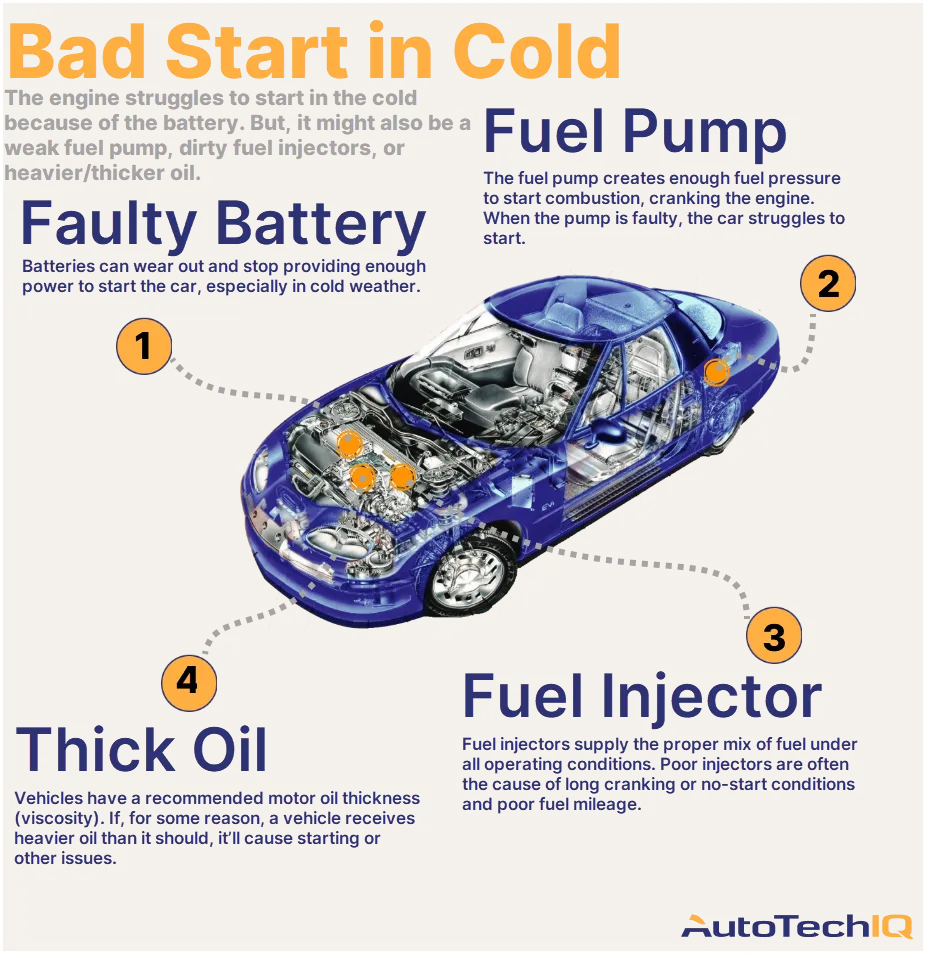
How to Start a Car With Bad Fuel Injectors: Expert Tips
Starting a car with bad fuel injectors can be tricky. You need to know a few techniques to get the engine running.
Bad fuel injectors can cause serious problems for your car. They can make it difficult to start the engine, and you may hear unusual sounds or experience rough idling. You might be stuck in a frustrating situation, especially if you need to be somewhere important.
Understanding how to handle this issue can save you time, stress, and even money. In this blog post, we’ll explore simple steps to help you start a car with bad fuel injectors. Follow these tips, and you’ll be able to get your car going, even when the injectors aren’t working well.
Recognizing Faulty Injectors
Cars may not start smoothly with bad fuel injectors. The engine might sputter or hesitate. Sometimes, there is a rough idle. This can be noisy. The car may stall at stop signs. Also, poor fuel economy is common. You may notice black smoke from the exhaust. This is not normal. The check engine light might turn on too. These are signs to look out for.
Look at the fuel injectors carefully. Check for any leaks around them. Use a flashlight to see better. Worn-out seals might cause leaks. Also, inspect for any cracks in the injector body. These can cause problems. Make sure there are no disconnected wires. Sometimes, wires can become loose. A simple check can help you spot issues.
Safety Precautions
Wearing the right gear keeps you safe. Always wear gloves to protect your hands. Use goggles to shield your eyes. Safety is very important. Sturdy shoes protect your feet from injury. A mask helps avoid breathing in harmful fumes.
Choose a well-ventilated area to work in. Fresh air is important for safety. Make sure the space is clean and tidy. Keep tools close for easy reach. Avoid working in dark spaces. Use bright lights to see better. Make sure there is a clear path around your car. This helps prevent tripping.
Tools Needed
A basic toolkit is essential. It should include a wrench, screwdriver, and pliers. These tools help to remove parts. A socket set is useful too. It can handle different sizes of bolts. Safety gloves protect hands from sharp edges. Flashlight helps you see in dark corners. Don’t forget rags. They clean up spills quickly.
Fuel injector cleaner is necessary. It clears dirt from injectors. An OBD-II scanner checks engine codes. This helps find specific problems. Multimeter tests electrical connections. It ensures everything works well. Fuel pressure gauge measures fuel pressure. Proper pressure is vital for the engine. Vacuum pump checks for leaks. Leaks can cause major issues.
Preparing The Vehicle
Keep the car on a flat surface. This helps the car stay safe. Use the parking brake to stop any movement. Check the gear. It should be in neutral. These steps make sure the car doesn’t roll away.
Look at the battery terminals. Make sure they are clean. Dirty terminals can cause problems. Use a wire brush to clean them. Check the battery power. A weak battery might not start the car. Use a tester to check the power level. Charge the battery if needed. A charged battery helps the car start better.
Cleaning Injectors
Fuel additives can help clean your car’s fuel injectors. Pour the additive into the fuel tank. Make sure the tank has enough fuel. Drive the car normally. The additive mixes with the fuel. It works to clean the injectors. This process can remove dirt and grime. It may improve how the car runs. Read the instructions on the additive bottle. Follow them carefully for the best results.
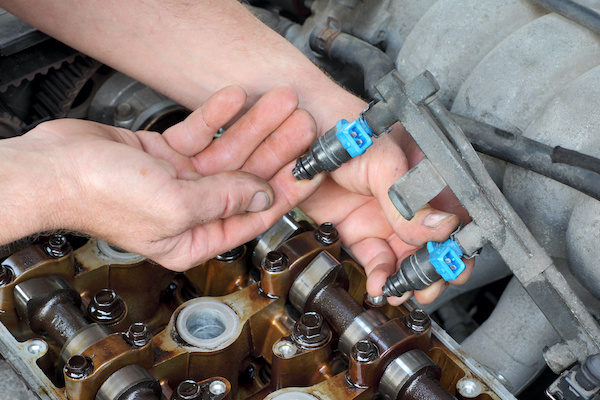
Sometimes, injectors need manual cleaning. Remove the injectors from the engine. Use a special cleaning tool. The tool sprays cleaner through the injector. This removes tough dirt inside. Be gentle while cleaning. Reinstall the injectors carefully. Check if the car runs better. This method may take more time. But it can help if the injectors are very dirty.
Fuel System Inspection
Starting a car with bad fuel injectors involves inspecting the fuel system thoroughly. Check for clogged injectors and ensure proper fuel flow. Regular maintenance can prevent starting issues and prolong engine life.
Checking Fuel Lines
Fuel lines must be clear and clean. Look for any cracks or leaks. If found, replace the damaged parts. Ensure that all connections are tight. Loose connections may cause fuel to escape. This can lead to poor engine performance. Use a flashlight to see hidden areas. Check for rust or corrosion. These can block the fuel flow. A blocked line can stall your car.
Inspecting Fuel Pump
The fuel pump pushes fuel to the engine. Listen for a humming sound. This sound means the pump is working. No sound might indicate a problem. Ensure the pump is clean and free of dirt. Check the electrical connections. They should be secure. A weak pump gives low fuel pressure. Low pressure affects engine start. Replace the pump if it’s not working well.
Starting Techniques
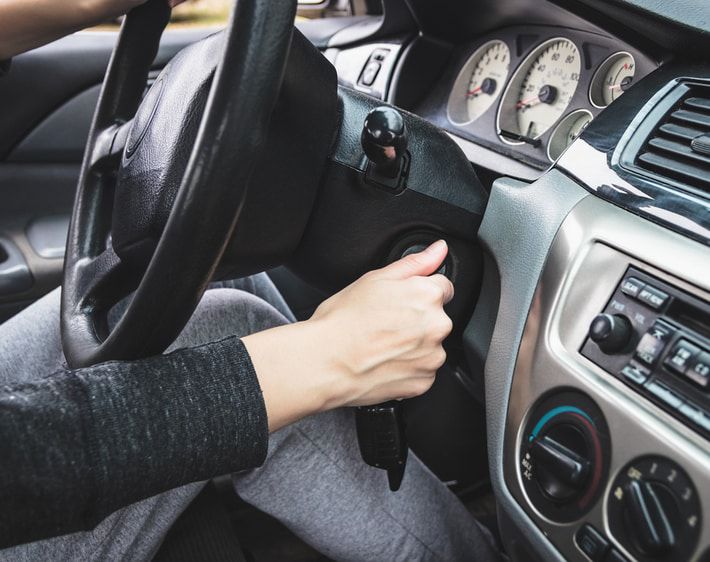
Cars with bad fuel injectors can be tricky to start. Try using jumper cables. Connect them to another car’s battery. This gives your car more power. It helps the engine turn over. Another method is to use a push start. Get help from friends. Push the car while it’s in gear. Release the clutch quickly. The engine might start.
Starter fluid can help start the engine. Open the car’s hood. Find the air intake. Spray a little starter fluid in it. Be careful not to use too much. Turn the key and try to start the car. This might help the engine catch and run. Always use starter fluid safely. Follow all instructions on the can.
Credit: www.firestonecompleteautocare.com
When To Seek Professional Help
Fixing a car can be fun. But not always easy. Some problems need experts. Bad fuel injectors are tricky. They make the engine weak. A lot of tools are needed. Many steps are involved. Each step must be right. Mistakes can be costly. Know when to stop. Seek help if unsure.
Good mechanics are like doctors for cars. They know what to do. Search for one in your area. Ask friends for advice. Read reviews online. Check their past work. Make sure they are honest. Ask questions. Find out about costs. Compare a few places. Then make a choice.
Credit: www.fastlaneeuropean.com
Frequently Asked Questions
Can You Start A Car With Bad Fuel Injectors?
Starting a car with bad fuel injectors is challenging. Poor injectors disrupt fuel flow, causing misfires or stalling. You may experience rough idling or difficulty starting. Replacing or repairing faulty injectors is essential for proper engine performance. Regular maintenance can prevent injector issues, ensuring your car runs smoothly.
What Will Unclog Fuel Injectors?
Use a fuel injector cleaner to unclog injectors. Add it to the fuel tank as per instructions. Regular maintenance and using high-quality fuel can prevent clogs. For severe clogs, consult a professional mechanic for cleaning or replacement. Always follow vehicle manufacturer guidelines for best results.
Will A Bad Fuel Injector Cause A Crank No Start?
Yes, a bad fuel injector can cause a crank no start. It disrupts fuel delivery to the engine. Without proper fuel, the engine can’t start. Replacing or repairing the faulty injector often resolves the issue. Regular maintenance helps prevent fuel injector problems.
How Does A Car Act When The Fuel Injector Is Going Out?
A failing fuel injector can cause rough idling, poor acceleration, and increased fuel consumption. The engine may misfire or hesitate during acceleration. You might also experience a check engine light. Additionally, fuel odors can emerge due to leakage. Prompt attention is crucial to prevent further engine issues.
Conclusion
Starting a car with bad fuel injectors takes patience. Check connections first. Clean injectors to improve fuel flow. Use fuel additives to reduce clogs. Regular maintenance prevents issues. Seek professional help if problems persist. Ensure your vehicle runs smoothly. Remember, safety comes first.
Keep tools handy for emergencies. Reliable transportation is essential. Address injector issues promptly. Avoid unnecessary breakdowns. Stay informed about car care. Protect your investment wisely. Following these steps can help. Your car deserves attention and care. Drive with confidence. Enjoy the journey, not just the destination.