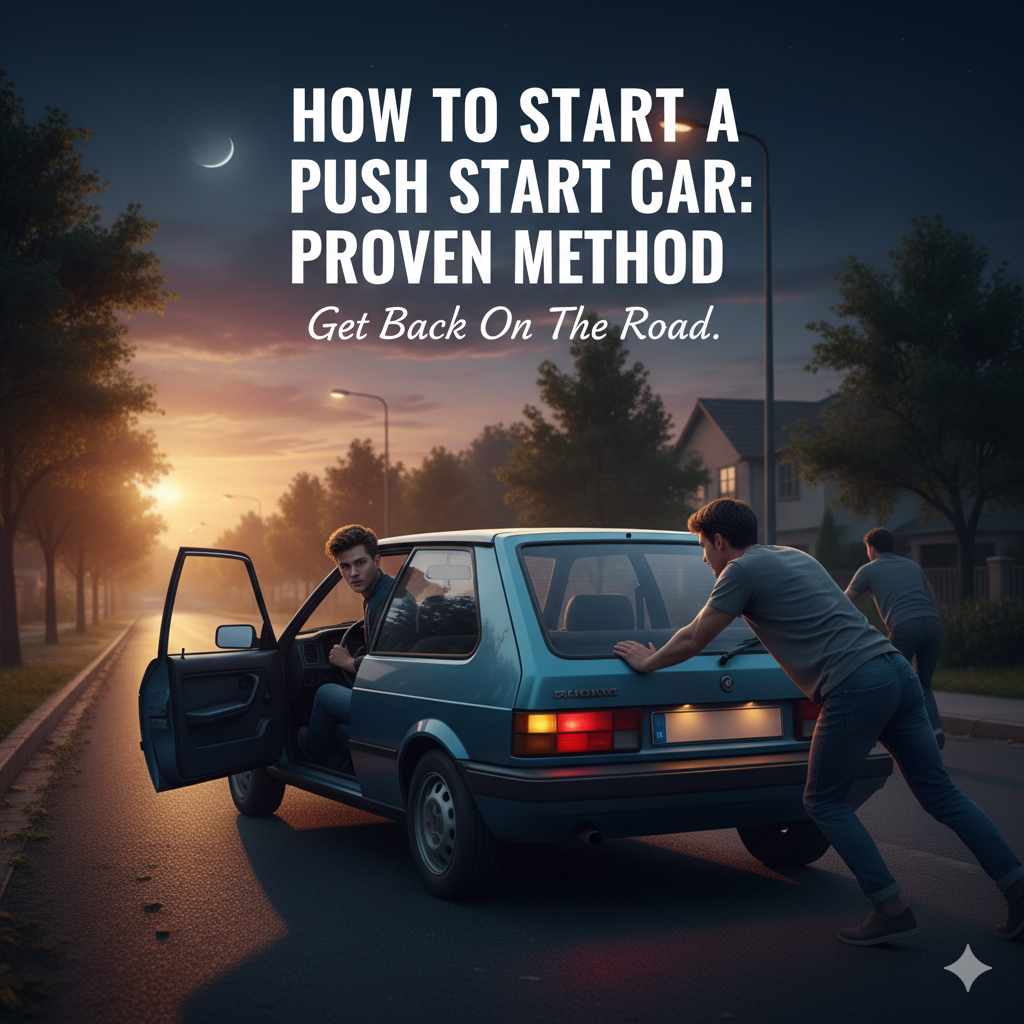
How to Start a Push Start Car: Proven Method
Starting a push-start car involves getting a helping hand or a downward slope. With the ignition on and in second gear, a gentle push builds momentum. Once rolling, quickly release the clutch. This proven method revives a dead battery, saving you time and roadside hassle.
Ever been in that frustrating situation where your car just won’t start, and the starter motor just clicks or makes no sound at all? It’s a scenario many drivers face, and it can feel a bit daunting, especially if you’re not near a mechanic. The good news is, for many manual transmission cars, there’s a clever and often effective trick: a push start! Also known as bump starting, this method can be a lifesaver when your battery is weak or your starter is acting up. It’s a technique as old as cars themselves, and with a little guidance, you can learn how to do it safely and successfully. We’ll walk you through the entire process, step-by-step, so you can get back on the road confidently.
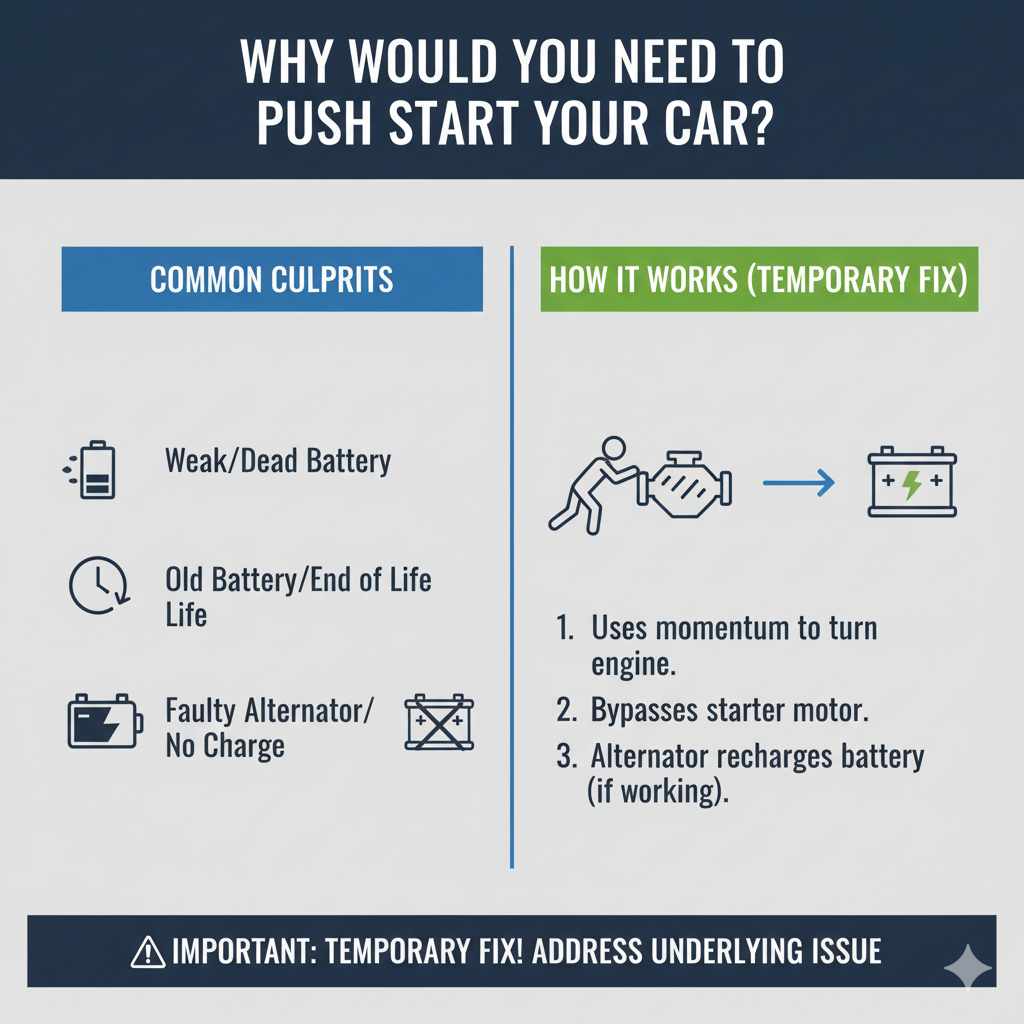
Why Would You Need to Push Start Your Car?
Push starting your car is primarily a solution for when your vehicle’s electrical system isn’t quite strong enough to crank the engine over. The most common culprit is a weak or dead battery. This can happen if you’ve left your headlights on, the battery is old and near the end of its life, or the charging system (like the alternator) isn’t working correctly, preventing the battery from getting recharged. Another, less common, reason could be a minor issue with the starter motor itself, where it’s not engaging properly but the engine is otherwise healthy.
While excellent for getting you moving, it’s important to remember that push starting is a temporary fix. It bypasses the starter motor and uses the car’s momentum to turn the engine over and get it running. Once your engine is running, the alternator will begin to charge the battery. This means that if your battery is the issue, you’ll likely need to get it charged or replaced soon. If the problem is with your starter motor, this method won’t fix that underlying issue.
Is Your Car Suitable for Push Starting?
Before you even think about trying to push start your car, it’s crucial to know if your vehicle is equipped for it. The most important factor is whether your car has a manual transmission. Push starting relies on the driver’s ability to control the clutch and gears to engage the engine with the rolling wheels. Unfortunately, cars with automatic transmissions do not have a clutch pedal that can be manually manipulated in the same way. Trying to push-start an automatic car can cause significant damage to the transmission, so this method is strictly for manual vehicles.
In addition to having a manual gearbox, your car must also be relatively lightweight and in good working condition otherwise. A heavy vehicle will require a lot more force to get moving, making it difficult for one or two people to push effectively. Also, ensure your steering and brakes are functioning perfectly, as you’ll need them to be in top shape once the car is running.
Key Requirements for a Successful Push Start:
- Manual Transmission: This is non-negotiable. If you have an automatic transmission, do not attempt a push start.
- Working Brakes: You need to be able to stop the car safely.
- Functional Steering: You must be able to steer the car.
- Sufficient Space: You’ll need a clear, safe area to coast and build speed.
- At Least One Helper: Unless you’re on a very steep hill, you’ll usually need someone to push.
- A Solid Surface: Paved roads or firm, flat ground are ideal.
If your car meets these criteria, you’re in good shape to try a push start. If you have an automatic, it’s best to look into other solutions like a jump start or roadside assistance.
Gathering Your Tools and Helpers
When it comes to push starting, the “tools” are pretty straightforward. The most important “tool” is actually human power!
What You’ll Need:
- At Least One Strong Helper: More people can make it easier, especially if the car is heavy or the incline isn’t significant.
- A Manual Vehicle: As we’ve stressed, this method is only for cars with a manual gearbox.
- A Safe Location: Find a quiet road with gentle or no traffic, and ideally a slight downhill slope. A flat, open space can also work, but will require more pushing.
- Owner’s Manual: It’s always a good idea to check your car’s owner’s manual for any specific recommendations or warnings about push starting your model.
Important Safety Note: Make sure your helpers understand the process. They should be prepared to push with firm, steady effort and stop immediately when you signal. Also, ensure your car’s steering wheel lock is disengaged. This happens once the ignition is turned to the “ON” position.
Step-by-Step Guide: How to Push Start a Manual Car
This is where the magic happens! Follow these steps carefully for a safe and effective push start. Remember, patience and clear communication are key.
Step 1: Prepare the Car and Yourself
First things first, get into the driver’s seat. Turn the ignition key to the “ON” position, but do not try to start the engine. This brings the car’s electrical systems online, including the fuel pump and dashboard lights, and importantly, disengages the steering wheel lock. Make sure your seatbelt is fastened. If you’re alone, assess the slope of the road. If there’s a slight downhill, you’re in luck. If it’s flat, you’ll rely entirely on your helper(s).
Step 2: Get Your Helper(s) into Position
Have your helper(s) position themselves behind the rear bumper of the car, ready to push. Ensure they have a good grip on a sturdy part of the car’s exterior, like the bumper (if it’s solid) or the frame. Clear communication is vital here. Agree on a signal that clearly indicates when you are ready and when they should start pushing.
Step 3: Engage the Clutch and Select a Gear
With the ignition “ON,” press down the clutch pedal fully. Then, shift the gear stick into second gear. Why second gear? It requires less force to get the car moving compared to first gear and is less likely to stall the engine once it fires up. Some people also use third gear, which can be even smoother but requires a bit more speed to engage.
Step 4: The Push and Roll
Once you’re in position and ready, signal to your helper(s). They should begin pushing the car with steady, consistent effort. As the car starts to roll, keep the clutch pedal fully depressed. Focus on gaining momentum. If you’re on a downhill slope, gravity will assist you significantly. If you’re on flat ground, your helpers will need to work diligently to get you up to a walking pace (around 5-10 mph or 8-16 km/h).
Step 5: Release the Clutch to Start the Engine
As the car builds up enough speed, and you feel a good rolling momentum, you’ll execute the crucial step. You need to quickly but smoothly release the clutch pedal. This will connect the rolling wheels to the engine’s crankshaft via the transmission. The momentum of the wheels will force the engine to turn over, just like the starter motor would, but using kinetic energy. Keep a gentle foot on the accelerator (gas pedal) to help the engine catch and run smoothly once it starts.
Step 6: Stabilize and Drive
Once the engine fires up, immediately press the clutch pedal back down. This disengages the engine from the wheels, preventing it from stalling again. Ease off the accelerator slightly to maintain a steady idle. You can now shift into neutral and release the clutch pedal. Take a moment to ensure the engine is running smoothly. Congratulations, you’ve successfully push-started your car!
Step 7: Continue Driving to Recharge the Battery
Since a weak battery is often the reason for needing a push start, it’s important to keep the car running. Drive your car for at least 20-30 minutes. This allows the alternator enough time to adequately recharge the battery. Avoid turning off the engine until you reach your destination, and even then, consider taking it directly for a battery check.
What to Do If It Doesn’t Work on the First Try
Don’t get discouraged if your car doesn’t start immediately! It’s quite common for push starts to require a few attempts. Here’s what to do:
- Communicate: Signal your helpers to stop.
- Reset: Bring the car to a stop, and if you’re on a hill, make sure the parking brake is engaged.
- Check Gear: Double-check that you are indeed in second gear and that the clutch is fully depressed.
- Regain Momentum: Have your helpers push again to get the car rolling to the desired speed.
- Smooth Clutch Release: Again, focus on a quick, smooth release of the clutch.
- Gentle Throttle: Be ready to apply a little bit of throttle as you release the clutch to help the engine get going.
If after several attempts (usually 3-5) you’re still unsuccessful, there might be a more significant issue than a weak battery, or your car might not be conducive to push starting through this method. In such cases, it might be time to call for roadside assistance or a tow truck. Pushing a car repeatedly can be exhausting and potentially dangerous if done incorrectly.
Safety First: Important Considerations for Push Starting
Safety is paramount when engaging in any automotive procedure, and push starting is no exception. Because you’re dealing with a moving vehicle and the possibility of engine starting, you need to be extra vigilant.
Key Safety Precautions:
- Area Assessment: Only attempt this in a safe, open area away from traffic. Avoid busy streets, narrow roads, or areas with pedestrians. Ensure the surface is firm and not slippery.
- Helper Safety: Make sure your helpers know how to safely get into position and when to stop pushing. They should never stand in front of the vehicle.
- Steering and Brakes: Always ensure your steering wheel is free to turn and that your brakes are operational before you start rolling. A car that won’t start can still roll, and you need to be able to control it.
- Clutch Control: Releasing the clutch too abruptly can stall the engine or even cause it to lurch forward unexpectedly, which can be dangerous. A smooth, quick release is best.
- Ignition ON: Remember to keep the ignition in the “ON” position. Not only does this allow the engine systems to work, but it also disengages the steering wheel lock. If the steering wheel locks while you’re pushing, it can lead to a very dangerous loss of control.
- Environmental Awareness: Be mindful of slopes. A downhill start is easier and safer, but if you’re on a flat surface, ensure your helpers have enough strength and stamina.
It’s also worth noting that some modern cars have advanced electronic systems that may not respond well to push starting, or may have specific procedures recommended by the manufacturer. Always consult your owner’s manual if you’re unsure.
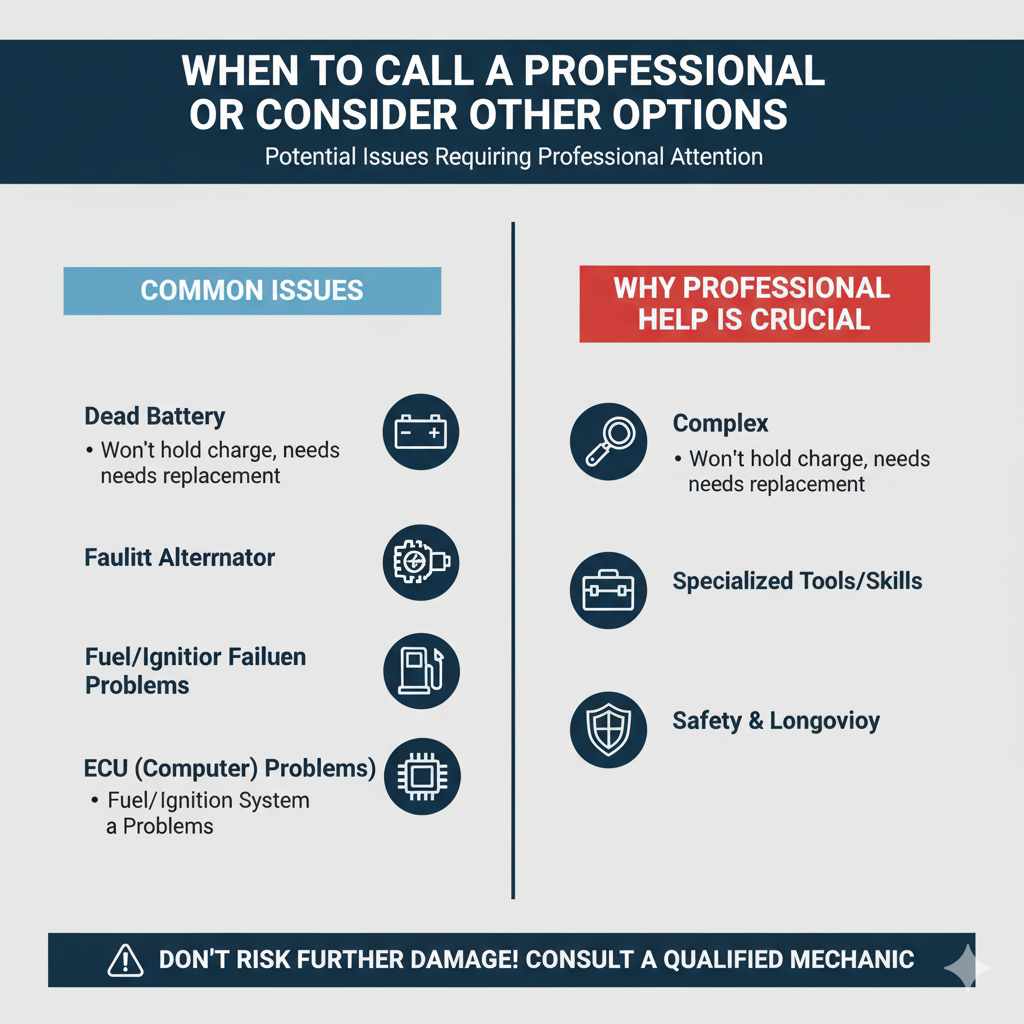
When to Call a Professional or Consider Other Options
While push starting is a fantastic trick to know, it’s not a permanent fix for all car problems. If you find yourself needing to push start your car frequently, or if the push start method simply isn’t working after several attempts, it’s a clear signal that you should seek professional help. Several underlying issues could be at play:
Some common reasons why push starting might fail or not be the right solution include:
Potential Issues Requiring Professional Attention:
- Dead Battery: If the battery is completely dead, it might not hold enough of a charge even after the engine runs for a while. It may need to be replaced.
- Faulty Alternator: The alternator is responsible for recharging the battery while the engine is running. If it’s not working, the battery will drain again, and a push start will only be a very temporary band-aid.
- Starter Motor Failure: If the starter motor itself is broken, push starting might work, but the fundamental problem remains unaddressed. Continuously relying on push starts could put undue stress on other components.
- Fuel System Problems: If the car isn’t getting enough fuel (e.g., a clogged fuel filter, weak fuel pump), it won’t start, even with the engine turning over.
- Ignition System Issues: Problems with spark plugs, ignition coils, or other ignition components can prevent the engine from firing.
- ECU (Engine Control Unit) Problems: In modern vehicles, the car’s computer plays a vital role. If it’s malfunctioning, it can affect starting and running.
If you’re unsure about the cause of your car’s starting problem, or if push starting doesn’t work, your safest bet is to call a qualified mechanic or a roadside assistance service. They have the diagnostic tools and expertise to accurately identify the problem and perform the necessary repairs. Remember, a jump start using jumper cables is another common method for a weak battery, assuming you have another vehicle or a portable jump starter.
Frequently Asked Questions (FAQ)
Q1: Can I push start a car with an automatic transmission?
No, never attempt to push start a car with an automatic transmission. It does not have a clutch that can be engaged and disengaged in the way manual transmissions do. Trying to do so can cause severe damage to your transmission. For automatic cars, you’ll need to investigate other starting methods like a jump start.
Q2: What’s the difference between a push start and jump starting a car?
A push start uses the kinetic energy of the car rolling to turn the engine over and get it running. It’s primarily for manual transmission cars with a weak battery or starter issue. Jump starting uses an external power source, usually from another car’s battery or a portable jump starter, to provide the electrical surge needed to crank the engine. Jump starting also works for both manual and automatic transmissions.
Q3: How fast do we need to be going to push start the car?
You’ll need to get the car rolling at a speed of about 5 to 10 miles per hour (8 to 16 kilometers per hour). This is generally a brisk walking or slow jogging pace. The exact speed can vary depending on the vehicle’s weight and terrain. The key is to have enough momentum so that when you release the clutch, it effectively turns the engine over.
Q4: Can I push start my car alone?
It’s extremely difficult and generally not recommended to push start a car alone, especially on flat ground. You need a helper (or helpers!) to provide the necessary force to get the car rolling. If you are on a very steep hill, it might be possible, but it’s still safer and more effective with assistance to control the speed and direction.
Q5: What if my car smells like gas after trying to push start it?
If you detect a strong smell of gasoline after several failed attempts to push start your car, stop trying. This could indicate that the engine is flooding with fuel and not igniting properly. Continued attempts could be dangerous. It’s best to consult a mechanic to diagnose the fuel or ignition system problem.
Q6: How long should I drive after a push start to charge the battery?
You should drive your car for at least 20 to 30 minutes after a successful push start. This allows the alternator sufficient time to put a decent charge back into the battery. It’s advisable to keep the engine running and avoid turning it off until you reach a safe destination or a place where you can have your battery and charging system checked. For more information on car battery maintenance, you can consult resources like the AAA Auto Repair.
Q7: Are there any cars that absolutely cannot be push-started?
Yes, cars with automatic transmissions, continuously variable transmissions (CVTs), and many hybrid or electric vehicles cannot be push-started. Also, some modern cars with very sophisticated electronic systems and advanced ignition or fuel management might not respond well to this method. Always refer to your vehicle’s owner’s manual to confirm if push starting is a viable option for your specific car model.
Conclusion: Empower Yourself with Knowledge
Learning how to start a push start car is a valuable skill for any driver of a manual transmission vehicle. It’s not just about knowing a trick; it’s about understanding your car a little better and having a reliable method to overcome a common roadside frustration – a dead battery or a hesitant starter. We’ve walked through why it’s needed, what makes a car suitable, and the precise, safe steps to get your engine purring back to life using the power of momentum.