How to Stop Locking Your Keys in Car
It happens to so many people, right? You’re in a rush, maybe your hands are full, and poof your keys are locked inside your car. Don’t worry, this is super common, especially when you’re just starting to get the hang of things.
Feeling frustrated is totally normal! But here’s the good news: it doesn’t have to keep happening. We’ve got some really simple steps that will help you learn How to Stop Locking Your Keys in the Car for Good.
Stick around, and we’ll get you sorted out with practical tips.
Simple Ways to Prevent Locking Keys in Your Car
Accidentally locking your keys in the car is a common problem, often stemming from simple oversights or habits formed when life gets busy. For new drivers or those who are frequently juggling multiple tasks, this mistake can happen more easily. The feeling of panic that washes over you when you realize your keys are just out of reach is unpleasant, but it’s a situation that can be entirely avoided with a few smart strategies.
This guide will walk you through easy, actionable steps to ensure you never have to face that sinking feeling again.
Understanding the Common Causes
Why does this happen so often? Well, a few things usually play a role. One big reason is distraction.
When you’re thinking about what’s next, whether it’s a meeting, picking up the kids, or just getting your groceries inside, your focus shifts away from the simple act of grabbing your keys. Another common cause is multitasking. Trying to carry too many things at once, or fumbling with bags, can lead to keys being placed down absentmindedly and then forgotten.
For some, it’s the automated habits we develop. You get out of the car, close the door, and sometimes the “locking” action becomes so automatic that you don’t even consciously register if your keys are still in your hand or on the seat. This is especially true with modern cars that have keyless entry systems or auto-lock features.
These conveniences are great, but they can sometimes make us a little less vigilant about where our keys actually are.
The rush of everyday life is a primary culprit. When you’re running late, your mind races, and your actions can become hasty. This haste often bypasses the careful checks we’d normally perform.
It’s not about being careless, but rather about being overwhelmed by other demands. Recognizing these common triggers is the first step to overcoming them.
Creating a Habit of Vigilance
The key to avoiding this hassle is building good habits. Think of it like brushing your teeth; you do it without thinking because it’s a routine. We want to create a similar, foolproof routine for your car keys.
The “Keys in Hand” Rule
This is probably the most effective rule. When you exit the car, make it an unbreakable rule that your keys are in your hand and accounted for before you close the door. Not in your pocket, not about to go into your pocket, but actively in your grip.
This simple physical check eliminates a lot of potential errors.
The “Pocket Check” Routine
After you’ve got the keys in your hand, the next step is to put them directly into a specific pocket. Designate a pocket on your jacket or pants that is only for your car keys when you are out of the car. This ensures they have a secure, consistent home.
Make sure this pocket is one you’ll notice if it’s empty, like a front pocket rather than a deep jacket pocket.
The “Visual Sweep”
Before you shut the car door, take a quick glance inside your car. Just a brief scan of the driver’s seat, the console, and the floor can catch a misplaced set of keys. This visual cue acts as a final confirmation that you haven’t left anything behind.
Leveraging Technology and Car Features
Modern cars offer features that can help, and sometimes even prevent, this problem. It’s worth exploring what your vehicle can do for you.
Keyless Entry and Start Systems
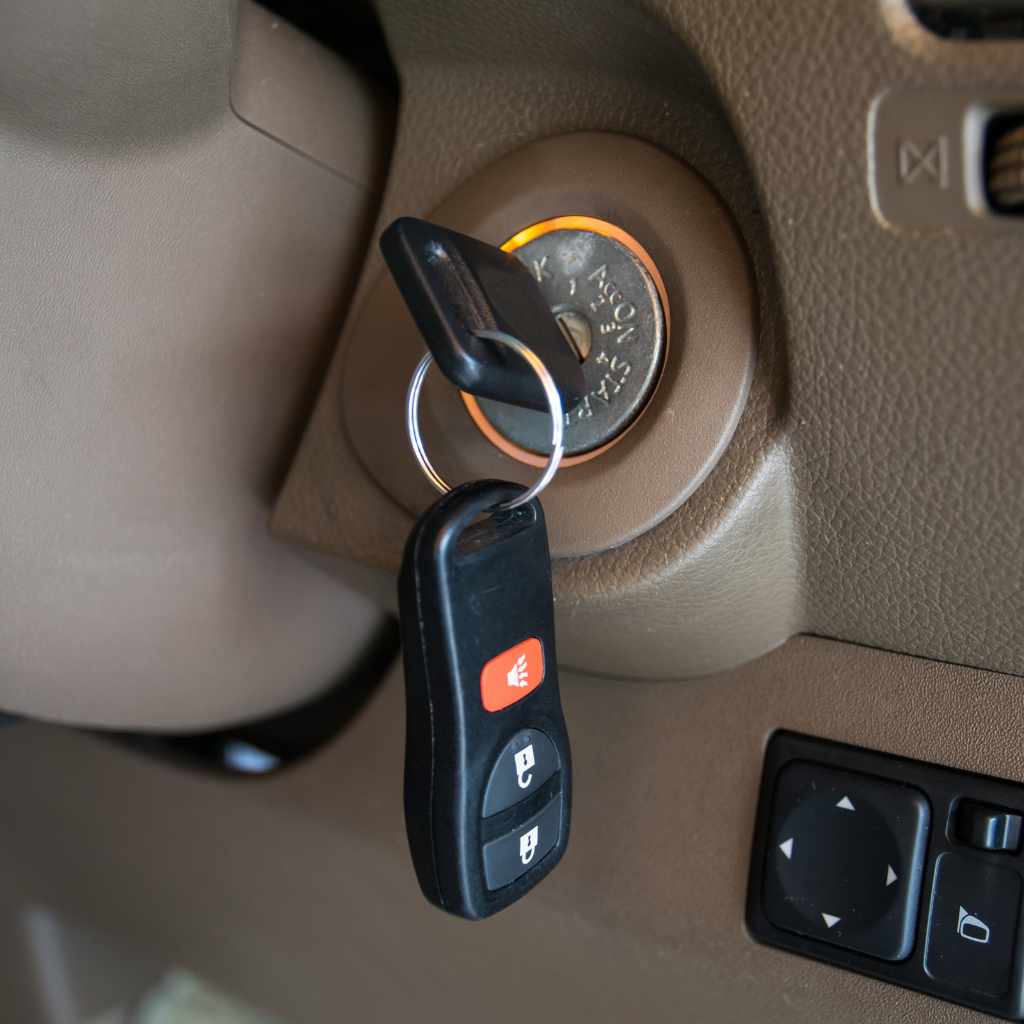
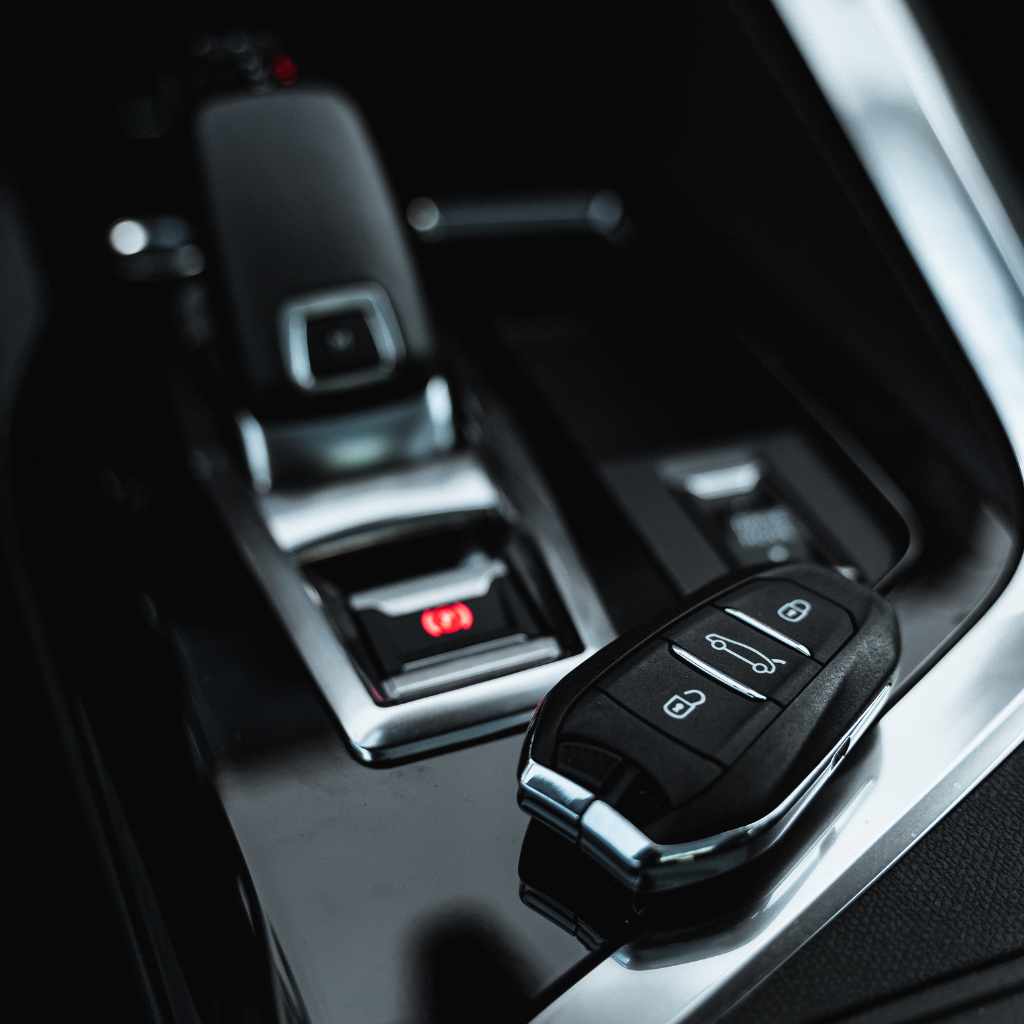
If your car has a keyless entry system, you usually need the key fob within a certain range to unlock or start the car. However, be aware that some systems might allow you to lock the door with the fob inside if you press the lock button on the door handle itself. Always double-check your car’s manual to understand how your specific system works.
Automatic Door Locking
Many cars have an automatic door locking feature. This usually activates after a certain speed is reached or after you’ve closed all doors and walked away with the key fob. Familiarize yourself with your car’s settings for this feature.
Sometimes, you can adjust the timing or even disable it if it proves to be problematic for you, though for most, it’s a helpful safety measure.
Smartphone Apps
Some car manufacturers offer companion smartphone apps. These apps can often provide remote locking and unlocking services, and some even alert you if your car is left unlocked or if the key fob is still inside. While not a direct solution to locking keys inside, they can be a helpful backup and offer peace of mind.
Practical Tips for On-the-Go
Life doesn’t always go according to plan, and sometimes you need quick fixes or strategies for specific situations.
The “Second Key” Strategy
Consider keeping a spare key in a secure location separate from your main set. This could be at home, with a trusted family member, or in a discreet, waterproof pouch hidden on the outside of your car (many locksmiths can advise on safe, secure hiding spots if you choose this route). This is a lifesaver if you do manage to lock your primary set inside.
Keychains with Audible Alerts
There are various keychain gadgets available that can help. Some have a small button you can press on your phone to make the keychain beep, or vice-versa. While these are more for finding lost keys, some people find having a distinct, attached item helps them remember to grab their keys.
“Key Bowl” Near the Door
Establish a designated spot in your home for your keys. This could be a decorative bowl, a hook, or a small tray right by your front door. The goal is to have a place where your keys always go when you come inside.
This eliminates the frantic search before you leave and prevents them from being left behind in the first place.
When Your Hands Are Full
If you’re carrying groceries, packages, or children, try to adjust your routine. If possible, put the items down first to free up your hands completely before interacting with the car door and your keys. If that’s not feasible, use your shoulder or elbow to gently manage items while keeping a firm grip on your keys.
The “keys in hand” rule becomes even more critical here.
Carrying Your Keys Safely
How you carry your keys matters. The wrong method can lead to accidental drops or them slipping out of your pocket unnoticed.
Secure Pockets
As mentioned, a pocket with a zipper or a button is ideal. This is especially important if you tend to be very active or are often bending over. A standard, open pocket offers less security for your keys.
Lanyards or Retainers
For some, a lanyard that attaches to their belt loop or bag can be a good option. This keeps the keys physically tethered to you, making it harder to leave them behind accidentally. Just ensure it’s comfortable and doesn’t get caught on things.
Bag Organizers
If you use a purse or backpack, consider a small pouch or a dedicated key clip inside. This prevents your keys from getting lost at the bottom of a large bag and makes them easier to find when you need them.
Dealing with the Unexpected
Even with the best habits, mistakes can happen. Knowing what to do if you lock your keys in the car can save you time and stress.
Check All Doors and Trunk
Before you panic, quickly check all car doors and the trunk. Sometimes, one door might have been left unlocked, or the trunk release might be accessible from the outside. It’s a long shot, but worth a quick check.
Call for Assistance
If you have roadside assistance through your insurance or a membership like AAA, this is the time to use it. They are equipped to handle lock-out situations and can often send someone to help you quickly.
Contact a Locksmith
If roadside assistance isn’t an option, a local automotive locksmith can often open your car without damaging it. It might cost a bit, but it’s generally faster than waiting for other services.
Consider the “Coat Hanger” Myth
While you might see this in movies, trying to jimmy your car door open with a coat hanger is generally not recommended. You risk scratching your paint, damaging the weather stripping, or even setting off your car alarm. It’s best left to the professionals.
Frequently Asked Questions
Question: How can I train myself to always have my keys when I get out of the car
Answer: Create a “keys in hand” rule where you physically hold your keys before closing the door, and then immediately put them into a designated, secure pocket.
Question: What if my car automatically locks after a few minutes
Answer: Always check your car’s manual to see if you can adjust the auto-lock settings, or ensure you follow your exit routine diligently before the timer runs out.
Question: Is it safe to keep a spare key hidden on the outside of my car
Answer: It can be, but it’s crucial to use a secure, discreet, and waterproof hiding spot that is not easily discovered by casual observers. Consulting a professional locksmith for advice on placement is wise.
Question: My car key fob is dead, and I locked my keys inside, what should I do
Answer: Many key fobs have a hidden physical key inside them. Look for a small release button or lever on the fob to access the emergency key, which you can then use to open the door.
Question: Will my car insurance cover the cost if I lock my keys in the car
Answer: This depends on your specific insurance policy. Some policies include roadside assistance that covers lockout services, while others may not. It’s best to check your policy details or call your insurance provider.
Final Thoughts
Learning How to Stop Locking Your Keys in the Car for Good is all about establishing simple, consistent routines. It’s about making small adjustments to your daily habits that have a big impact. By focusing on the “keys in hand” rule, designating a secure spot for your keys, and doing a quick visual check, you can drastically reduce the chances of this happening.
Remembering to utilize your car’s built-in features and having a plan for unexpected moments are also important parts of the strategy. Think of these steps not as chores, but as preventative measures that save you time, money, and a lot of frustration down the road. With a little practice and mindfulness, you’ll soon find that locking your keys in the car is a problem of the past, allowing you to move through your day with more ease and confidence.