My Car Brakes Were Squeaking! Here’s How I Fixed Them
Last summer, my old sedan started making a loud squeak every time I pressed the brake pedal. It was so annoying, like a screeching bird following me everywhere! I learned how to stop squeaky brakes on a car with some easy fixes, and I’m excited to share them with you. This article will guide you through why brakes squeak, simple ways to fix them, and tips to keep your car quiet and safe. Whether you’re new to cars or a brake pro, you’ll find clear steps and fun ideas to try.
What Are Squeaky Brakes?
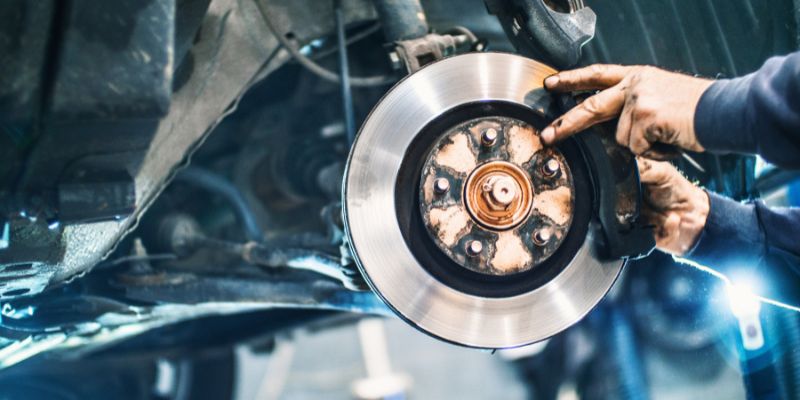
Squeaky brakes make a high-pitched noise when you stop your car. It’s like your car is complaining! Brakes squeak because parts rub together, causing vibrations. These parts include brake pads, rotors, and calipers. Think of brake pads as shoes that grip the rotor, a spinning disc, to slow your car. When something’s off, like dirt or wear, you hear that squeak. It’s usually not dangerous, but it can mean your brakes need attention.
Why Do Brakes Squeak?
Brakes squeak for a few reasons. Let’s break it down simply.
Worn Brake Pads
Brake pads wear out over time, like sneakers getting thin. When they’re too thin, a metal tab called a wear indicator squeaks to warn you. This happened to my car last year, and replacing the pads fixed it.
Dirt or Debris
Mud, dust, or tiny rocks can stick to your brakes. This causes a squeak when the pads rub the rotor. A quick clean often solves this.
Rust from Moisture
If your car sits outside in rain or snow, rust can form on the rotors. This rust makes a squeak until it wears off. I noticed this after parking my car during a stormy week.
Cheap Brake Pads
Some brake pads have lots of metal in them. These can squeak more, especially if they’re low-quality. I learned to pick better pads for my car.
Lack of Lubrication
Brake parts need grease to move smoothly. Without it, they rub and squeak. Adding the right grease can make a big difference.
How to Stop Squeaky Brakes on a Car
Here’s a simple guide to stop those annoying squeaks. Follow these steps carefully, and always put safety first.
Step 1: Check for Simple Fixes
Sometimes, squeaks go away on their own. Try these quick checks:
- Drive a little. If your car sat in rain, rust might cause the squeak. Press the brake pedal a few times while driving slowly. The squeak might stop as rust wears off.
- Look for debris. Check your wheels for small rocks or dirt stuck in the brakes. A quick spray with brake cleaner can help. I once found a pebble causing all the noise!
Step 2: Inspect Your Brake Pads
Worn pads are the top reason for squeaks. Here’s how to check them:
- Park your car on a flat surface.
- Use a jack to lift the car safely.
- Remove the wheel with a tire iron.
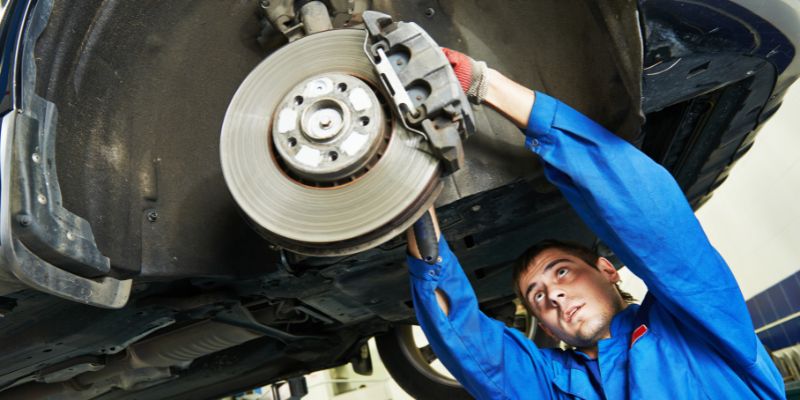
- Look at the brake pads in the caliper. They’re flat pieces next to the rotor.
- If the pads are thinner than a pencil eraser, replace them.
Safety Tip: Always use jack stands to hold the car up. Never work under a car held only by a jack.
Table 1: Brake Pad Thickness Guide
| Pad Thickness | Condition | Action Needed |
|---|---|---|
| Thicker than 1/4 inch | Good | No action |
| 1/8 to 1/4 inch | Okay | Plan to replace soon |
| Less than 1/8 inch | Worn | Replace now |
Caption: Use this table to check if your brake pads need replacing. Thin pads often cause squeaks.
Step 3: Clean the Brakes
Dirt or rust can make brakes squeak. Here’s how to clean them:
- Remove the wheel as described above.
- Spray brake cleaner on the rotor and pads. Avoid getting it on rubber parts.
- Wipe away dirt with a clean cloth.
- Check for rust. Light rust is normal and may wear off.
I cleaned my brakes after a muddy road trip, and the squeak was gone!
Step 4: Lubricate Brake Parts
Lack of grease can cause squeaks. Use brake-specific lubricant, not regular grease. Here’s what to do:
- Remove the brake pads from the caliper.
- Apply a thin layer of brake grease to the back of the pads.
- Also grease the caliper slide pins, where the pads move.
- Reinstall the pads and wheel.
Important: Keep grease off the pad’s friction side and the rotor. This can make your brakes slip.
Table 2: Tools for Fixing Squeaky Brakes
| Tool | Purpose | Where to Buy |
|---|---|---|
| Brake Cleaner | Cleans dirt and rust | AutoZone, Amazon |
| Brake Lubricant | Stops squeaks | NAPA, Walmart |
| Jack and Stands | Lifts car safely | Harbor Freight |
Caption: These tools make fixing squeaky brakes easy and safe.
Step 5: Add Brake Pad Shims
Shims are thin pieces that reduce vibrations. Some pads have them; others don’t. If your brakes squeak, try adding shims:
- Buy brake pad shims for your car model.
- Place them between the pad and caliper.
- Secure everything tightly.
Shims helped quiet my friend’s noisy truck brakes.
Step 6: Replace Brake Pads
If pads are worn, replace them. Here’s a basic guide:
- Lift the car and remove the wheel.
- Unscrew the caliper bolts with a wrench.
- Remove old pads and insert new ones.
- Reassemble and test the brakes.
Cost-Saving Tip: Buy quality ceramic pads. They last longer and squeak less than cheap metal ones.
Table 3: Brake Pad Types Comparison
| Type | Pros | Cons | Cost |
|---|---|---|---|
| Ceramic | Quiet, durable | More expensive | $50-$100 |
| Semi-Metallic | Cheap, good stopping | Noisy, more dust | $20-$50 |
| Organic | Very quiet | Wear out fast | $30-$60 |
Caption: Choose the right brake pads to reduce squeaks and save money.
Step 7: Check Rotors
Warped or rusty rotors can cause squeaks. Look for grooves or uneven surfaces. If damaged, replace them. This is trickier, so consider a mechanic if you’re unsure. My car’s rotors were fine, but cleaning them stopped the noise.
Visual Ideas for Clarity
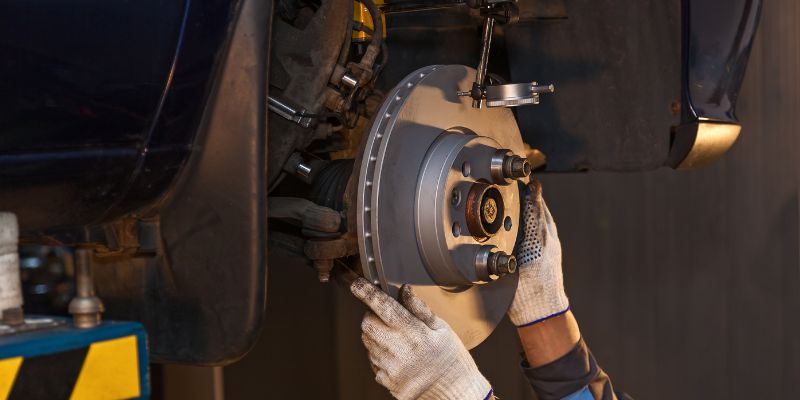
- Diagram of Brake Parts: Show pads, rotors, and calipers labeled simply.
- Step-by-Step Cleaning Guide: A picture of spraying brake cleaner on a rotor.
- Tool Setup Photo: Display a jack, stands, and brake grease on a workbench.
Benefits of Fixing Squeaky Brakes
Fixing squeaky brakes makes driving peaceful. It also keeps your car safe. Worn pads or bad rotors can reduce stopping power, which is dangerous. Plus, fixing squeaks early saves money. New pads cost less than new rotors and pads.
Drawbacks and Other Options
Some fixes, like cleaning, are quick but may not last. Replacing pads takes time and money but works best. If squeaks persist, a mechanic can check for bigger issues, like a stuck caliper. This costs more but ensures safety.
My Personal Tips
- Check brakes monthly. Look for thin pads or dirt.
- Use quality parts. Cheap pads squeak more.
- Drive gently. Hard braking wears pads faster.
- Keep a car log. Write down when you check or fix brakes. I started doing this, and it saved me from bigger repairs!
Common Mistakes to Avoid
- Ignoring squeaks. They can mean serious problems.
- Using wrong grease. Only use brake lubricant.
- Skipping safety. Always use jack stands.
- Not testing brakes. After fixing, press the pedal to ensure it works.
When to See a Mechanic
If squeaks turn to grinding or brakes feel weak, get help. A mechanic can check calipers, rotors, or fluid. I took my car to a shop once when the squeak wouldn’t stop, and they found a loose bolt.
Conclusion
Squeaky brakes are annoying but fixable. You can clean pads, add grease, or replace parts to make your car quiet again. Try these steps, and you’ll enjoy a smoother, safer ride. Start with simple fixes like cleaning or greasing. If you’re stuck, a mechanic can help. Have fun fixing your car, and share your success with friends! What’s the loudest car noise you’ve ever heard? Tell me below!
Frequently Asked Questions
Why do my brakes squeak only in the morning?
Morning squeaks often come from rust on rotors. Moisture from rain or dew causes this. Drive slowly and press the brake a few times. The squeak should stop as rust wears off. If it lasts, clean the brakes or check pads.
Can I drive with squeaky brakes?
Minor squeaks are usually safe for a short time. But if you hear grinding or brakes feel weak, stop driving. Worn pads or bad rotors can make braking unsafe. Check your brakes soon to stay safe.
How much does it cost to fix squeaky brakes?
Cleaning brakes costs $5-$10 for cleaner. New pads cost $20-$100, depending on type. Adding shims is $10-$20. If rotors need replacing, expect $200-$400 at a shop. Doing it yourself saves money.
Are cheap brake pads bad?
Cheap pads often have more metal, which causes squeaks. They also wear out faster and make more dust. Spend a bit more on ceramic pads for quieter, longer-lasting brakes. I switched to ceramic, and it helped!
How often should I check my brakes?
Check brakes every 6 months or 6,000 miles. Look for thin pads or dirt. Regular checks catch problems early, saving you money. I check mine every oil change to stay safe.
What’s the difference between squeaking and grinding?
Squeaking is a high-pitched noise, often from pads or dirt. Grinding means pads are very worn, and metal scrapes the rotor. Grinding is serious and needs immediate repair to avoid damage.
Can I fix squeaky brakes myself?
Yes, you can clean or lubricate brakes with basic tools. Replacing pads is also doable if you’re careful. Follow safety steps, like using jack stands. If unsure, a mechanic can handle trickier fixes.