How to Thaw Car Door Locks: Quick Winter Solutions
Picture this: It’s a freezing winter morning, and you’re running late for work. You reach for your car door handle, only to find it stubbornly locked by the cold.
Frustrating, right? This common winter woe can leave you feeling helpless. But what if I told you there’s a simple, effective way to thaw those pesky frozen car door locks? Imagine the relief and confidence you’ll feel when you know exactly how to tackle this problem head-on.
In this guide, you’ll discover practical tips and tricks to quickly and safely thaw your car door locks, ensuring you’re never left out in the cold again. Read on to reclaim control over your winter mornings and keep your day on track.
Common Causes Of Frozen Car Door Locks
Water can seep into car locks. This happens during rain or snow. Then, the temperature drops. The water freezes. The lock becomes stuck. Cold weather is a big factor. It can cause locks to freeze. Moisture is another reason. It gets trapped in the lock. Rust can form inside. This makes the lock hard to turn. Dirt can mix with water. This creates a thick paste. It clogs the lock. Old locks are more at risk. They wear out over time. Their parts do not work well.

Credit: keys-4-cars.com
Preventative Measures
Cold weather can freeze car door locks, causing frustration. Using a hairdryer or warm water can gently thaw the lock. Applying lubricant prevents future freezing and keeps the lock functioning smoothly.
Regular Maintenance Tips
Keep car locks clean. Use a small brush to remove dirt. Dirt can make locks freeze easily. Lubricate the locks often. Use oil spray to do this. It keeps the locks moving well. Check for rust. Rust can damage locks. If you find rust, clean it. Use special rust remover if needed. Check locks every month. This helps in spotting problems early.
Protective Covers And Sprays
Use covers to protect locks. They keep water away. Water can freeze and cause problems. Door lock covers are easy to find. They are cheap and useful. Use sprays to stop ice. Anti-freeze sprays help a lot. Spray them on locks before winter. They stop ice from forming. Always keep a bottle handy. It is smart to be ready.
Quick Thawing Techniques
Frozen car door locks can be a hassle during winter. Warm water or a heated key can quickly thaw the ice. Lubricants like WD-40 help prevent future freezing.
Using Warm Water
Pour warm waterover the lock. Do not use boiling water. It can damage the lock. Warm water melts the ice. Repeat if needed.
Applying Heat Sources
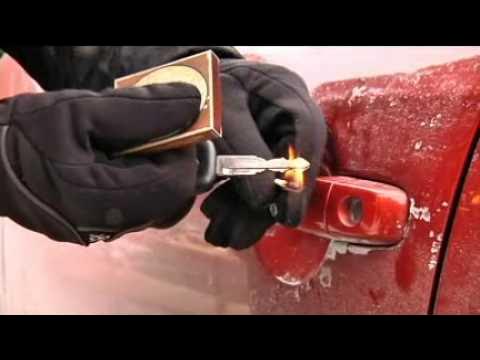
Use a hairdryerto heat the lock. Hold it close but not too close. Heat helps melt the ice. You can also use a lighter. Be careful with fire.
Utilizing De-icing Products
Find a de-icing sprayin stores. Spray it on the lock. These products melt ice quickly. Follow the instructions on the spray bottle. They are safe for locks.
Homemade Solutions
Making your own de-icer is easy. Mix two parts vinegar with one part water. This solution melts ice quickly. Another recipe uses rubbing alcohol. Mix two parts alcohol with one part water. It works well on frozen locks. These mixtures are safe for car paint.
Many kitchen items help thaw car locks. Hot water works fast. Pour it over the lock gently. Hair dryers blow warm air. They melt ice safely. Hand warmers can be pressed against the lock. They provide steady heat. Cooking spray prevents ice buildup. Spray it on lock after thawing.
When To Seek Professional Help
Severe casesneed expert help. If the lock is broken, it’s serious. A professional can fix it safely. They know the right tools to use. This prevents more damage to the car. It’s important to act quickly. Cold weather can make things worse.
Locks that stay frozen even with heat are severe. If the key won’t turn, it’s a problem. Strange sounds from the lock are bad signs. These issues need professional care. They can handle complicated problems. Experts have special skills for these tasks.
Safety matterswhen thawing locks. Always wear gloves to protect your hands. Use tools carefully. Avoid using too much force. This can damage the lock. Professionals use safe techniques. This keeps the car in good shape. Safety is always the first step.
Credit: www.firestonecompleteautocare.com
Tips For Avoiding Future Problems
Prevent frozen car door locks by applying a silicone spray or rubbing alcohol. These solutions repel moisture and prevent freezing. Keep these items handy in your car for unexpected cold weather.
Winter Weather Preparedness
Prepare your car for winter weatherto avoid lock issues. Use a lock de-icerspray before cold days. This helps keep locks from freezing. Keep a small bottle in your car always. Store it in the glove box or trunk. This makes it easy to find when needed. You can also use silicone sprayfor locks. It stops moisture from freezing. Apply it regularly. This keeps locks working well.
Routine Lock Care
Take care of your locks all year. Clean them with soft clothto remove dirt. Dirt can make locks sticky. Apply a few drops of lubricating oilmonthly. This keeps locks smooth. Check locks for wear. Fix any broken parts quickly. This prevents bigger problems. Keep keys clean and dry. Wet keys can cause rust. Always have a spare key. This helps if one gets stuck.

Credit: www.owatrolusa.com
Frequently Asked Questions
How Do I Thaw Frozen Car Door Locks?
To thaw frozen car door locks, use a lock de-icer spray. Alternatively, gently warm the key with a lighter. Avoid excessive heat that may damage the lock. A hairdryer set on low can also help. Always be cautious with heat to prevent any lock damage.
Can I Use Hot Water To Thaw Locks?
Avoid using hot water to thaw car locks. Hot water can refreeze quickly, worsening the issue. It might also damage the lock mechanism. Instead, opt for de-icer sprays or gently heated tools. Maintaining lock integrity is essential for long-term use.
What Household Items Can Thaw Locks?
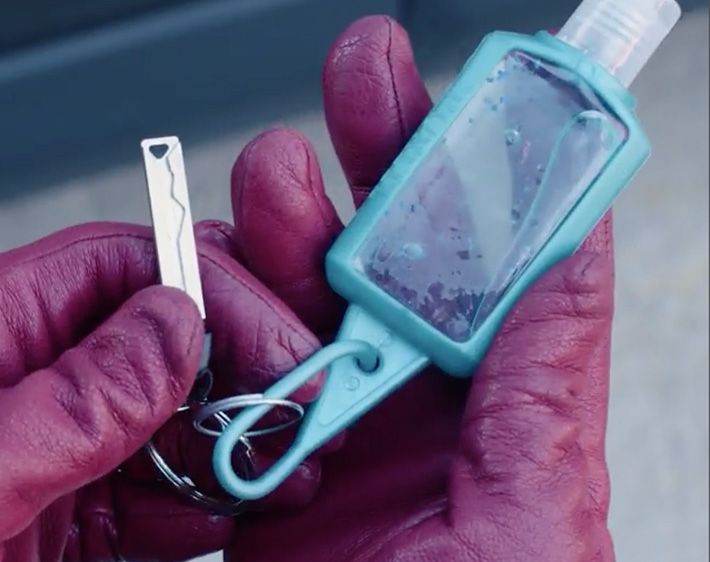
Household items like rubbing alcohol or hand sanitizer can thaw locks. These substances contain alcohol, which melts ice effectively. Warm the key with a lighter and insert it gently. Always exercise caution to prevent damaging the lock mechanism.
Is It Safe To Use A Hairdryer On Locks?
Using a hairdryer on car locks is safe if done correctly. Set it on low to prevent damaging the lock. Keep it at a safe distance to avoid overheating. Gradually warm the lock area, ensuring even heat distribution without force.
Conclusion
Thawing car door locks can be simple with the right steps. Start by using a hairdryer to warm the lock gently. De-icer sprays work well too. A graphite lubricant helps keep locks smooth after thawing. Always carry these tools in cold weather.
Proper preparation avoids frustration on icy mornings. With these tips, your car door locks stay accessible all winter. Remember, regular maintenance prevents future freezing. Stay warm and keep your vehicle ready for any weather.