How Wide Is A Car Hauler Trailer: Essential Dimensions
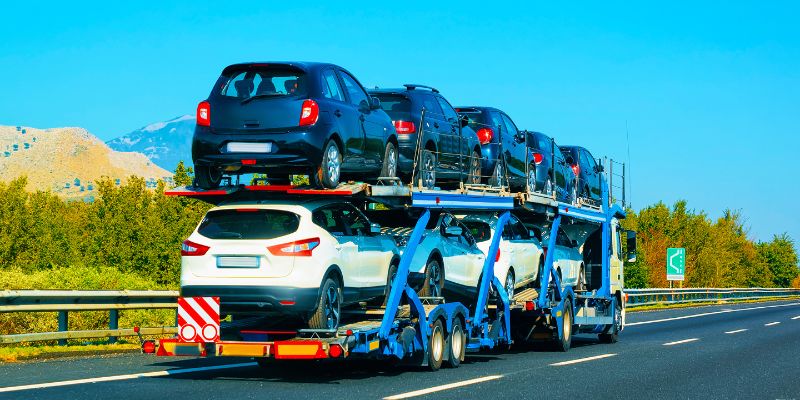
A car hauler trailer’s width averages between 8 to 8.5 feet, with 8.5 feet being the legal maximum in most US states for standard road use. Understanding these dimensions is crucial for safe towing, parking, and navigating various routes.
So, you’re thinking about hauling a vehicle, maybe for a classic car project or a move? That’s fantastic! But before you hit the road, one of the most important things to figure out is the size of your trailer. Specifically, how wide is a car hauler trailer? It might seem like a small detail, but getting this right is super important for making sure your journey is safe and smooth. Don’t worry if this feels a bit new; we’ll break down these trailer dimensions in a way that’s easy to understand. Let’s get you prepped for a successful haul!
Understanding Car Hauler Trailer Width: Why It Matters
When you’re looking to transport a vehicle, getting the right car hauler trailer is key. And a big part of “getting it right” involves understanding the dimensions, especially the width. Why is this so important? Well, it’s not just about fitting your car onto the trailer. The width of your trailer affects:
- Road Legality: There are rules about how wide vehicles and trailers can be on public roads. Sticking to these is essential to avoid tickets and ensure safety.
- Safe Towing: A trailer that’s too wide or too narrow for your tow vehicle can be tricky to manage. Knowing the width helps with proper balance and control.
- Load Security: The width dictates how well your vehicle sits on the deck and how much clearance you have.
- Maneuverability: Wider trailers can be harder to navigate through tight spots, like gas stations or city streets.
- Deck Space: The usable width of the trailer bed is what you’ll be working with to position your cargo.
Think of it like packing a suitcase. You need to know the dimensions to make sure everything fits and that you can close it properly. Your car and trailer are a bit like that, just on a much bigger scale!
Standard Car Hauler Trailer Widths: The Numbers You Need
When we talk about the width of a car hauler trailer, we’re usually referring to the overall width, which includes any fenders or exterior components. The most common widths you’ll encounter are:
- 8.0 Feet (96 inches): This is a very common width for many car haulers. It offers a good balance of deck space for most standard vehicles while remaining manageable.
- 8.5 Feet (102 inches): This is often the maximum legal width for trailers operating on public roads in many jurisdictions without special permits. This extra 6 inches can make a surprising difference in carrying wider vehicles or providing a bit more buffer space.
It’s important to note that these are the overall widths. The actual usable deck width, where your vehicle’s tires will sit, will be slightly less due to the frame, tie-down points, or built-in fenders. We’ll get into those specifics next!
Why 8.5 Feet is Often the Limit
The 8.5-foot (102-inch) width is a significant number because many states and federal regulations across the United States set this as the maximum width for a single vehicle or a combination vehicle (like your truck and trailer) to travel on interstates and other major highways without needing a special wide-load permit. For example, the Federal Motor Carrier Safety Administration (FMCSA) regulations often reference this 102-inch limit for overall vehicle width.
Exceeding this limit without proper authorization can lead to significant fines, delays, and safety concerns for yourself and other road users.
Car Hauler Trailer Types and Their Widths
Not all car hauler trailers are built the same, and their intended use can influence their dimensions. Let’s look at the most common types:
1. Open Deck Car Haulers
These are the most common type. They’re essentially a flatbed trailer designed specifically for carrying vehicles. They usually have a drive-on or drive-off configuration, often with ramps.
- Typical Width: Most open deck car haulers come in widths of 8.0 feet (96 inches) or 8.5 feet (102 inches).
- Deck Width: The usable deck width on these trailers, often measured between the inner edges of the main frame rails or the tire fenders, is usually around 6.5 to 7.5 feet. This is still ample space for most cars and even many SUVs.
- Fenders: Some open car haulers have removable or integrated fenders over the tires. These add to the 8.0 or 8.5-foot overall width but don’t typically reduce the usable deck space where the tires sit.
2. Enclosed Car Haulers
These trailers offer the ultimate protection for your vehicle, shielding it from the elements and prying eyes. They’re essentially a cargo trailer with features optimized for car transport.
- Typical Width: Enclosed car haulers come in a variety of widths, but the most common trailer widths start at 7 feet and go up to 8.5 feet. For standard road legality, 8.5 feet is the most common maximum.
- Inner Width: The interior usable width is key here. An 8.5-foot wide trailer might have an interior width of around 6.8 to 7.5 feet, depending on the trailer’s construction (e.g., where the wall studs are placed, any interior bracing).
- Considerations: Because they are enclosed, even a few inches less of interior width can be critical if you’re hauling a wider vehicle or a larger SUV/truck.
3. Gooseneck and Fifth-Wheel Car Haulers
These larger trailers attach to a hitch in the bed of a pickup truck, offering more stability and towing capacity. They are often longer and wider to accommodate heavier or larger vehicles, like multiple cars or larger trucks.
- Typical Width: Similar to other car haulers, these also typically max out at 8.5 feet (102 inches) for legal road use.
- Deck Space: They often provide more continuous deck space, as the gooseneck portion extends over the truck bed, allowing for more length. The width remains a critical factor for legality and maneuverability.

Key Width-Related Dimensions You Should Know
Besides the overall width, there are other crucial width-related measurements to consider when selecting or using a car hauler:
1. Deck Width
This is the actual usable surface space on the trailer where your vehicle will sit. It’s measured from the inside edge of the frame rails or the inside of the fender wells (if present).
- Importance: This is the measurement you’ll compare directly against your vehicle’s width. You want enough clearance on either side of your tires or vehicle body to feel comfortable and ensure it sits securely.
- A good rule of thumb: Aim for at least 6-12 inches of total clearance (3-6 inches on each side) between your vehicle’s widest point (usually the tires or mirrors) and the trailer’s frame or fenders.
2. Width Between Fenders (Deck-Over Trailers)
Some open car haulers are “deck-over” or “deck-between” designs. In a deck-over design, the trailer deck extends over the tires. In a “deck-between” design, the deck sits between the tires, which are mounted on axles outside the main deck.
- Deck-Between: The width between the fenders is the critical measurement here. This dictates the maximum width of the vehicle you can place on the deck without its tires hitting the fenders or running over them.
- Deck-Over: While the deck extends over the tires, the overall width of the deck itself is the primary consideration, and you’ll still want to check clearance again for your vehicle’s body.
3. Width of Ramps
The ramps are what you drive your vehicle onto. Their width is important for:
- Tire Fitment: The ramps need to be wide enough for your tires to safely sit on them without slipping off, especially during loading and unloading.
- Clearance: Even if the trailer deck is wide enough, if the ramps are too narrow, you could have issues.
- Typical Width: Ramps often range from 12 to 20 inches wide, with wider ones generally being more stable.
Measuring Your Vehicle for Compatibility
Before you can confidently assess if a car hauler’s width is suitable, you need to know your vehicle’s width. Here’s how:
How to Measure Your Vehicle’s Width:
- Find a Level Surface: Park your vehicle on a flat, level location.
- Measure the Widest Point: The widest point is usually the tires or the mirrors. For towing purposes, focus on the overall width of the vehicle itself, excluding extending mirrors if they can be folded in.
-
Use a Tape Measure:
- For tire width, measure across the widest part of the tire.
- For the vehicle body, take a tape measure and extend it from the outermost point on one side to the outermost point on the other side (again, excluding foldable mirrors).
- Record the Measurement: Write down the measurement in both inches and feet.
Compare Vehicle Width to Trailer Deck Width:
Once you have your vehicle’s width, compare it to the usable deck width of the car hauler. A general guideline is:
- Vehicle Width + Required Clearance = Minimum Deck Width Needed
For example, if your vehicle (excluding mirrors) is 75 inches wide, and you’d like 6 inches of clearance on each side (total 12 inches), you’d ideally want a trailer deck width of at least 87 inches (75 + 12). This fits comfortably within an 8.5-foot (102-inch) trailer’s overall width, which may offer a deck width around 82-87 inches depending on its design.
Legal Width Limits and Regulations: Staying Compliant
Navigating road regulations is crucial for safe and legal trailer operation. The width of your car hauler trailer is a major factor in staying compliant.
US Federal Highway Administration (FHWA) Guidelines
The FHWA sets standards that states generally follow regarding vehicle dimensions. For most public roads in the United States (excluding certain designated routes that may allow slightly wider vehicles), the maximum legal width for a non-divisible load (which includes most vehicles being towed) on a trailer is 102 inches (8.5 feet). This limit applies to the trailer itself and anything loaded onto it. You can find more detailed information on vehicle size and weight limits from the FHWA Freight website.
State-Specific Regulations
While 8.5 feet is a common maximum, it’s always wise to double-check the specific regulations for the states you plan to travel through. Some states might have slightly different rules for specific types of roads or for operation during certain times.
Special Permits for Wider Loads
If your vehicle or trailer combination exceeds the standard 8.5-foot width, you will likely need a special permit, often called a “wide-load” or “oversize load” permit. Operating without one can result in hefty fines and requires:
- Notification to highway authorities.
- Specific escort vehicles (front and rear).
- Use of warning flags or signs.
- Restrictions on routes and times of travel.
This is why choosing a trailer within the 8.5-foot limit is generally the most straightforward option for most car owners.

Factors Affecting Usable Deck Width
As we’ve touched upon, the 8.5-foot overall width is just part of the story. The usable deck space can be affected by several trailer design elements:
| Trailer Feature | Impact on Usable Width | Consideration |
|---|---|---|
| Frame Rails | The main structural beams of the trailer often run along the sides. They reduce the internal deck width. | Measure from the inside edge of these rails. |
| Tire Fenders (Bridge Type) | These are placed over the tires and effectively create the outer edges of the deck. The width between them is your usable space. | Ensures your vehicle tires can sit on the deck without hitting the fenders. |
| Tire Fenders (Fender over Wheel Well) | Some trailers hayspout-style fenders that are only over the wheel wells, leaving more continuous deck space. | Can offer more flexibility for positioning slightly wider vehicles. |
| Stake Pockets/Tie-Down Points | These are usually on the outer edge of the frame or deck. While they add slightly to the overall width, they don’t typically reduce the main deck space. | Important for securing your load, but generally outside the primary tire path. |
| E-Track or D-Rings | Interior tie-down systems can be flush-mounted or slightly raised. | Ensure they don’t interfere with the lowest part of your vehicle when loaded. |
Always refer to the trailer manufacturer’s specifications for the exact internal deck width and clearance measurements. If possible, physically inspect the trailer or ask for detailed diagrams.
Choosing the Right Width for Your Needs
When deciding which width is best, consider these points:
- Your Vehicle’s Width: This is the most critical factor. Measure your car!
- Type of Vehicle: Smaller cars, sedans, and even most SUVs will fit comfortably on 8-foot wide trailers. However, if you’re hauling wider classic cars, custom builds, or certain performance vehicles with a low profile and wide stance, you might appreciate the extra inches of an 8.5-foot trailer.
- Future Needs: Do you anticipate hauling different types of vehicles in the future? If so, it might be wise to aim for the wider, more versatile 8.5-foot option.
- Maneuverability vs. Space: An 8-foot trailer might be slightly easier to navigate through tight spaces, while an 8.5-foot trailer offers more buffer room.
- Budget: Sometimes, wider trailers can be more expensive, so weigh the cost against the utility.
For most beginners, an 8-foot wide open car hauler is a great starting point. It’s versatile, legal almost everywhere, and generally easier to manage.
Frequently Asked Questions (FAQs)
What is the standard width of an open car hauler trailer?
The standard width for an open car hauler trailer is typically 8.0 feet (96 inches) or 8.5 feet (102 inches). The 8.5-foot width is the maximum legal width for most vehicles on U.S. highways without special permits.
Can I legally tow a car on an 8.5-foot wide trailer?
Yes, generally speaking, an 8.5-foot (102-inch) wide trailer is legally allowed on most U.S. highways. Always verify specific state regulations, as minor variations can exist.
How much usable deck width does an 8.5-foot trailer usually have?
An 8.5-foot (102-inch) overall width trailer typically has a usable deck width of about 82 to 87 inches, depending on the trailer’s construction, such as frame rail width and fender placement.
Is an 8-foot wide car hauler enough for an SUV?
An 8-foot (96-inch) wide trailer is usually sufficient for most standard SUVs. However, it’s crucial to measure both your SUV and the trailer’s usable deck width to ensure adequate clearance, especially for wider or more specialized SUV models.
What’s the difference between overall width and deck width?
Overall width is the total width of the trailer from its outermost point on one side to the outermost point on the other (including fenders or frame). Deck width is the usable surface area on the trailer’s bed where the vehicle is loaded, typically measured between the frame rails or inner fender edges.</p