IAN Automotive Services Austin: What You Actually Get and What to Skip
You notice a slight shudder when you brake at the light on MoPac. Or maybe the check engine light came on yesterday and you’ve been driving with your fingers crossed ever since. The natural move is to search for a shop, and IAN Automotive Services Austin shows up. But before you hand over your keys, you want to know what you’re actually getting into.
This article walks through what IAN Automotive Services Austin offers, where they fit in the Austin repair landscape, and what you should verify before you book. You’ll also learn how to handle the most common diagnostic situations yourself, so you walk in with information instead of blind trust.

ANCEL
ANCEL AD310 Classic Enhanced Universal OBD II…
- CEL Doctor: The ANCEL AD310 is one of the best-selling OBD II scanners on the market and is recommended by Scotty Kilmer, a YouTub…
- Sturdy and Compact: Equipped with a 2.5 foot cable made of very thick, flexible insulation. It is important to have a sturdy scann…
- Accurate Fast and Easy to Use: The AD310 scanner can help you or your mechanic understand if your car is in good condition, provid…
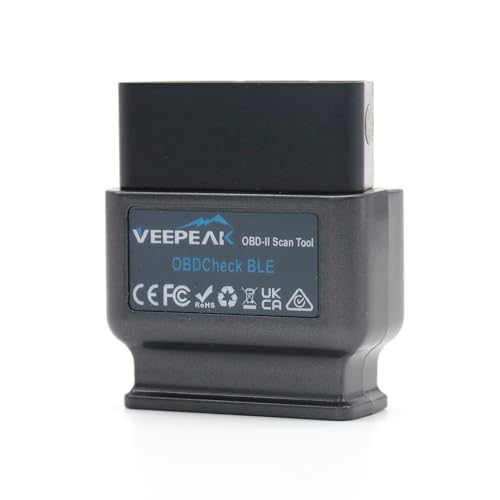
One tool worth having in your glovebox is the ANCEL AD310 OBD II scanner. It plugs into your car’s diagnostic port, reads the check engine code, and clears it after you fix the problem. That single piece of information can save you from paying a shop to tell you what you could have found in two minutes.
What IAN Automotive Services Austin Actually Does
IAN Automotive Services operates as a full-service independent repair shop. That means they handle routine maintenance, brake work, engine diagnostics, electrical issues, and most mechanical repairs. They are not a dealership, and that distinction matters for your wallet.
Dealerships charge higher labor rates and often push factory-recommended services that aren’t strictly necessary. An independent shop like IAN typically charges less per hour and has more flexibility in parts sourcing. They can use OEM parts when you want them, or aftermarket parts when you’re trying to control costs.
The shop’s location in Austin means they deal with the same conditions you do: heat, stop-and-go traffic, and the occasional pothole on I-35. Their technicians see the usual Austin wear patterns, which means they know what fails early on common local vehicles.
What you won’t find at IAN is a quick-lube conveyor belt operation. This is a diagnostic-first shop. They spend time figuring out the root cause rather than throwing parts at a symptom. That approach costs more upfront but usually saves you money over the long run.
The Misconception: “I Can Skip Diagnostics and Just Replace Parts”
Most people think a check engine light means one specific part failed. That’s rarely true. The code P0301, for example, tells you cylinder one is misfiring. It doesn’t tell you whether the cause is a bad spark plug, a failing ignition coil, a vacuum leak, or a fuel injector problem.
If you replace the coil without checking the other possibilities, you might fix the symptom temporarily. Or you might not fix it at all. A good shop like IAN will run a diagnostic procedure that checks compression, fuel delivery, and spark before recommending a repair. That process takes time, and time is what you’re paying for.
This is where the ANCEL AD310 becomes useful. You can read the code yourself before you go in. That doesn’t make you a mechanic, but it gives you context. When the shop tells you they found a faulty coil pack, you can ask why they ruled out the wiring harness. Knowing the code also prevents you from being upsold on services you don’t need.
Another common myth is that clearing the code with a scanner means you fixed the problem. It doesn’t. The scanner only erases the stored code from the computer’s memory. If the underlying fault is still there, the light will come back, usually within a drive cycle or two. The AD310 clears codes for emissions-related faults, but it won’t repair a worn timing chain or a cracked vacuum hose.
What to Expect From a Diagnostic Visit
When you drop your car at IAN Automotive Services Austin for a diagnostic, here’s the typical flow:
- You describe the symptom. Be specific. “It rattles when I turn left” is more useful than “it makes a noise.”
- The technician pulls the trouble codes with a professional-grade scanner. This takes about ten minutes.
- They inspect the related systems. If the code points to the fuel system, they’ll check fuel pressure, injector pulse, and possible leaks.
- They give you a written estimate. This should include the diagnosed cause, the recommended repair, and the cost.
You should never pay for a diagnostic and then be told “we need to take it apart to find out.” A proper diagnostic isolates the problem to a specific component or system. If a shop can’t do that, they either lack the equipment or the experience.
One honest caveat: independent shops sometimes charge a diagnostic fee that they waive if you approve the repair. That’s standard practice. Ask about it upfront so there are no surprises on the invoice.
The Misconception: “Any Shop Can Fix Any Car”
Not true. Modern vehicles are rolling computers. A shop that handles domestic trucks well might struggle with a European sedan’s proprietary software. IAN Automotive Services Austin works on a broad range of makes, but it’s worth confirming they have experience with your specific brand before you schedule.
Ask what diagnostic equipment they use. A shop that invests in brand-specific scan tools, like those for BMW or Mercedes, demonstrates a commitment to that work. A shop that relies on a generic OBD-II reader for everything will miss manufacturer-specific codes and functions.
For most Japanese and American cars built after 2026, a generalist shop is fine. The OBD-II system is standardized, and most repairs follow familiar patterns. For luxury or hybrid vehicles, you want someone who sees those cars regularly.
Comparing Your Options in Austin

You have four realistic choices for car care in Austin. Each has trade-offs.
| Option | Best For | Cost Range | Watch Out For |
|---|---|---|---|
| Dealership service center | Warranty work, brand-specific recalls, specialized diagnostics | Highest labor rates | Upselling unnecessary services |
| Independent shop (like IAN) | General repairs, honest advice, fair pricing | Moderate, variable by shop | Diagnostic fees, varying skill levels |
| Chain repair franchise | Convenience, standardized pricing, quick turnaround | Mid-range | Pressure to buy additional services |
| DIY with a code reader | Simple fixes, learning about your car | Low, just parts and your time | Misdiagnosis, safety risks on complex repairs |
There’s no universally correct choice. The right one depends on your car’s age, your budget, and your tolerance for risk. A 2026 Honda Civic with a loose gas cap is a DIY job. A 2026 Audi with an electrical gremlin needs a specialist.
How to Get the Most From Your Visit
Show up prepared. Read the code yourself with a scanner like the ANCEL AD310. Write down any symptoms you’ve noticed, including when they happen and how often. That information helps the technician narrow the problem faster, which means less diagnostic time and a lower bill.
Ask for the old parts back when the repair is done. A reputable shop will show you the worn brake pads or the failed alternator. If they hesitate, that’s a red flag.
Get the estimate in writing. Verbal estimates disappear when the final bill arrives. A written estimate protects you and the shop.
Don’t approve additional work without asking why it’s necessary. A shop that says “your coolant is due for a flush” should be able to point to the maintenance schedule in your owner’s manual. If they can’t, decline.
Frequently Asked Questions
Does IAN Automotive Services Austin handle warranty work?
Independent shops generally cannot perform manufacturer warranty repairs. Warranty work must be done at a dealership or an authorized facility. If your car is still under factory warranty, take it to the dealer for covered repairs. IAN can still handle maintenance that isn’t warranty-covered, like oil changes and brake pads.
How much does a diagnostic cost in Austin?
Most independent shops charge between $80 and $150 for a standard diagnostic. Some apply that fee to the repair if you approve it. Dealerships often charge more, sometimes $150 to $200. The price depends on the complexity of the system being checked. A simple code read is cheaper than tracing a wiring short.
Can I use a cheap OBD-II scanner instead of paying for a diagnostic?
You can, but you’ll only get the code, not the diagnosis. The ANCEL AD310 tells you what the computer is complaining about. It doesn’t tell you why. If you’re comfortable doing your own research and testing, that’s a viable path. If you’re not, pay the shop to do it properly.
What if the check engine light is blinking?
A blinking check engine light means a severe misfire that can damage the catalytic converter. Stop driving the car and have it towed to a shop. This is not a “drive it and see” situation. The damage from continued driving can cost thousands to repair.
How often should I get a full vehicle inspection?
Once a year or every 12,000 miles is reasonable for most drivers. If you drive in extreme conditions, like frequent towing or heavy Austin summer traffic, shorten that interval. A good inspection covers brakes, tires, fluids, belts, and suspension components. It’s cheaper to find a worn ball joint before it fails on the highway.
What to Take Away
- IAN Automotive Services Austin is a solid independent option for general repair and diagnostics, but confirm they know your specific make and model.
- Always get the diagnostic fee policy in writing before you approve any work.
- Read your own codes with a basic scanner like the ANCEL AD310 to avoid paying for information you can get yourself.
- Never clear a code and assume the problem is gone. The light returns if the fault remains.
- Ask for old parts back after any repair. It’s the simplest way to verify the work was done.
- If the check engine light is blinking, stop driving immediately. A misfire can ruin your catalytic converter.
- Get a written estimate and approve nothing verbally. Written records protect both you and the shop.
Understanding how automotive technology differs from technician expertise helps you ask better questions at any shop. And if you’re weighing whether to do the work yourself, a guide to affordable automotive services can help you decide where your money goes furthest.
Products related to this article
Sponsored / affiliate links. As an Amazon Associate I earn from qualifying purchases. I may earn additional commission from eligible campaigns.