Is It Bad to Fill Gas With Car on: Safety Tips
No, it is not inherently bad to fill gas with your car on. But it can be risky.
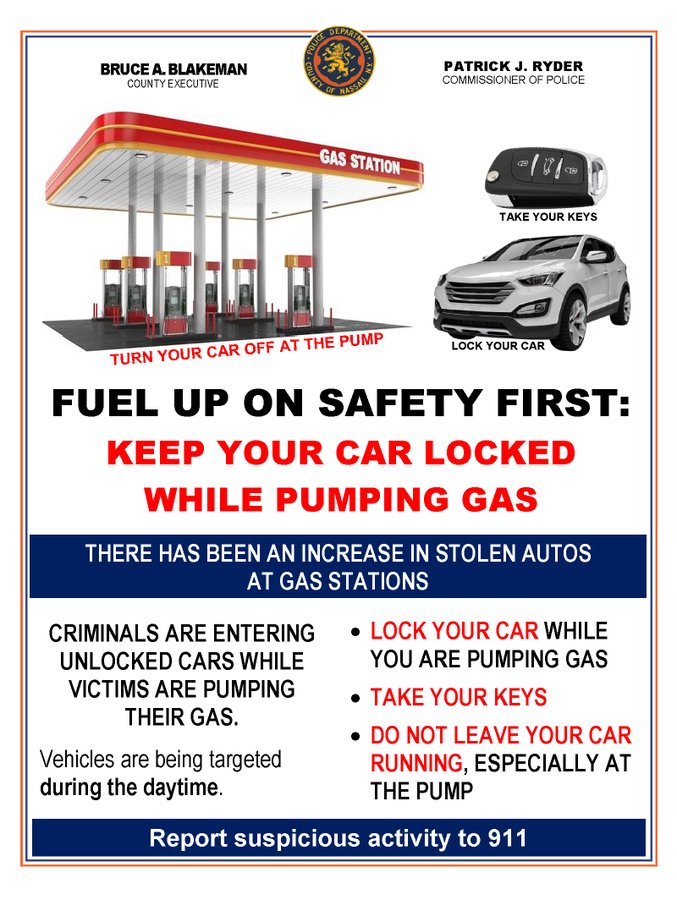
Filling up your gas tank while the car is running might seem convenient. However, this practice can pose potential dangers. Gasoline vapors are highly flammable. When your car is on, there are many electrical components that could ignite these vapors.
This can lead to fires or explosions, which are hazardous to both you and others. Additionally, leaving the car on can also cause static electricity, which may create sparks. Safety is always a priority, so it’s essential to understand the risks involved. In this post, we will discuss the reasons why you should turn off your car while refueling. We will also explore the potential consequences and safety tips to follow at the gas station.
Car Refueling Myths
Many think that refueling with the car on is very dangerous. Stories say it can cause an explosion. This is not true. It’s safe if you are careful. Keep a safe distance from the pump. The risk is very low with modern cars.
Some worry about static electricity. They fear it might ignite gas. Static sparks are rare. Always touch metal before refueling. This reduces static. Many people believe shutting off the engine saves fuel. While true, it is not a big amount. Refueling with the car on does not damage the engine. But, it is best to follow safety guidelines. These help keep everyone safe.

Credit: www.asdc.org.in
Safety Precautions
Ensure your car is turned off before refueling. Keep your keys out of the ignition. This helps prevent any unwanted sparks. Avoid using your phone while at the pump. Phones can distract you. Static electricity can also be a danger. Touch metal to release static before refueling. Be cautious and aware of your surroundings.
Stay close to your car. Never leave the pump unattended. Avoid smoking or using any open flames. Gasoline is highly flammable. Do not overfill your gas tank. Stop when the pump clicks. Check for leaks or spills around the pump. Clean any spills immediately. This ensures safety for everyone.
Potential Hazards
Cars can catch fire if not careful. Gasoline is very flammable. Sparks can cause big fires. It’s important to stay safe. Always turn the car off. Keep away from flames. No smoking near gas pumps.
Static electricity can cause danger. Touch metal to release static. Stay near your car. Avoid getting in and out often. Static can make a spark. Sparks are bad near gas. Be careful always.
Environmental Concerns
Gasoline vapor can escape during filling. These vapors harm the air. Air pollution increases with vapor. Some people feel dizzy or sick. Vapor recovery systems help reduce emissions. They capture and reuse vapors. Not all stations have these systems. Choose stations with vapor recovery if possible. This helps keep the air cleaner.
Spills can happen when filling gas. Gasoline spills harm the soil and water. Animals and plants can be affected. Spills also lead to more air pollution. Careful filling can prevent spills. Use a funnel if needed. Do not overfill the tank. Check for leaks after filling. Help keep the environment safe by preventing spills.
Handling Emergencies
Pumping gas while the engine is running might pose a fire risk due to potential sparks. It’s safer to turn off the car before refueling to prevent dangerous accidents. Ensuring the vehicle is off avoids hazards and keeps you secure during refueling.
Fire Response
Fire at a gas station is scary. Always stay calm and act fast. Stop pumping gas if you see flames. Move away from the pump. Tell others to leave the area. Call emergency services right away. Use a fire extinguisher if trained. Never use water on a gas fire. It spreads the flames. Wait for help to arrive. Safety first, always.
Dealing With Leaks
Gas leaks are dangerous. Smell gas? Stop filling immediately. Move the car away from the pump. Avoid starting the engine if you suspect a leak. Gas vapors can ignite. Tell the station staff about the leak. They will handle it. Never light a match or smoke near the leak. Safety matters most.
Fuel Efficiency Tips
Drive smoothly to save fuel. Avoid sudden stops and starts. Use the right gear when driving. Keep your tires properly inflated. They help you use less gas. Turn off the air conditioner when it’s cool outside. It can save some fuel. Avoid carrying heavy items in your car. They use more gas.
Find the cheapest gas stations near you. Use apps to locate them. Fill up your tank early morning or late night. Cooler temperatures are better. Buy gas on weekdays. Prices are often lower. Choose regular fuel. Premium fuel is costly and not always needed. Pay with cash to avoid card fees.
Choosing The Right Fuel
Fuel comes with different octane ratings. These ratings show how well fuel works. Higher octane is for strong engines. Lower octane is for regular cars. Using the right octane keeps the car running well. Wrong octane can hurt the engine. It is important to check the car’s manual. It tells the right octane for your car.
Different fuels affect the car differently. Diesel is for trucks and buses. Gasoline is for most cars. Some cars use electric power. Fuel choice affects car performance. It also affects the environment. Choosing the right fuel saves money. It helps the car last longer.
Credit: longisland.news12.com
Technological Advances
New fuel pumps are now very smart. They have sensors to stop gas flow. This prevents spills and keeps everyone safe. Some pumps even talk to cars. They know how much fuel is needed. This makes fueling fast and easy. Electric cars have special chargers too. They fill up batteries instead of tanks. These chargers are now at many gas stations.
Smart gas stations offer more than just gas. They have screens to show weather updates. Customers can pay with their phones. This makes paying quick and simple. Many stations also have apps. These apps help find cheap gas nearby. Stations with smart tech save time for drivers. They also help with car maintenance tips. Machines check tire pressure and oil levels. This helps cars run better and safer. Smart stations are the future of fueling.

Credit: www.majorworldchryslerdodgejeepram.com
Frequently Asked Questions
Can You Put Gas In A Car That Is Running?
It’s unsafe to refuel a car while it’s running. Turn off the engine to prevent fire risks and ensure safety. Gas vapors can ignite if exposed to heat or sparks. Always follow safety protocols at the pump.
Can You Pump Gas While Your Car Is On?
No, it’s unsafe to pump gas while your car is on. It increases the risk of fire. Always turn off your engine before fueling. This ensures safety and helps prevent accidents. It’s crucial to follow this rule at all gas stations.
What Happens If You Forget To Turn Off The Engine While Filling Gas?
Leaving the engine running while refueling can cause dangerous fumes to accumulate. This may lead to a fire risk. It’s crucial to turn off the engine to ensure safety. Fuel vapors are highly flammable, and an ignition source can cause an explosion.
Always prioritize safety by shutting off the vehicle.
Is It Illegal To Refuel With An Engine Running?
Refueling with the engine running is illegal in many places due to safety risks. It can cause fires or explosions. Always check local laws and regulations to ensure compliance. Turn off your engine before refueling to ensure safety for yourself and others.
Conclusion
Filling gas with the car on might seem convenient. But it carries risks. Safety should always come first. Turning off the engine prevents accidents. It reduces fire hazards. Protects your car and everyone around. It’s a simple step. A crucial habit for safety.
Always ensure the car is off before refueling. This small action makes a big difference. Keep safe practices in mind. These choices matter. They keep you and others secure. Prioritize safety, every time you fill up. It’s worth the extra effort.
Stay safe, stay smart.