Do You Keep The Car Running While Jumping It? Find Out
The most common and recommended advice is to NOT keep the running car running when jump-starting your dead vehicle. Both cars should be turned off initially. Then, you connect the jumper cables, start the working car, let it run for a few minutes, and then try to start the dead car. Finally, disconnect the cables in reverse order.
Understanding the Jump-Start Process
Jump-starting a car is a common fix. It helps when your car’s battery doesn’t have enough power. This usually happens when the battery is old or when you leave lights on.
You need another car with a good battery. You also need jumper cables. These are thick cables with clamps at each end.
The goal is to transfer power from the good battery. This power will then help the dead battery start the engine. It’s like giving the weak battery a temporary boost.
Doing this the right way keeps your cars safe. It also keeps you safe from sparks or damage.
Why The Debate About Keeping the Engine Running?
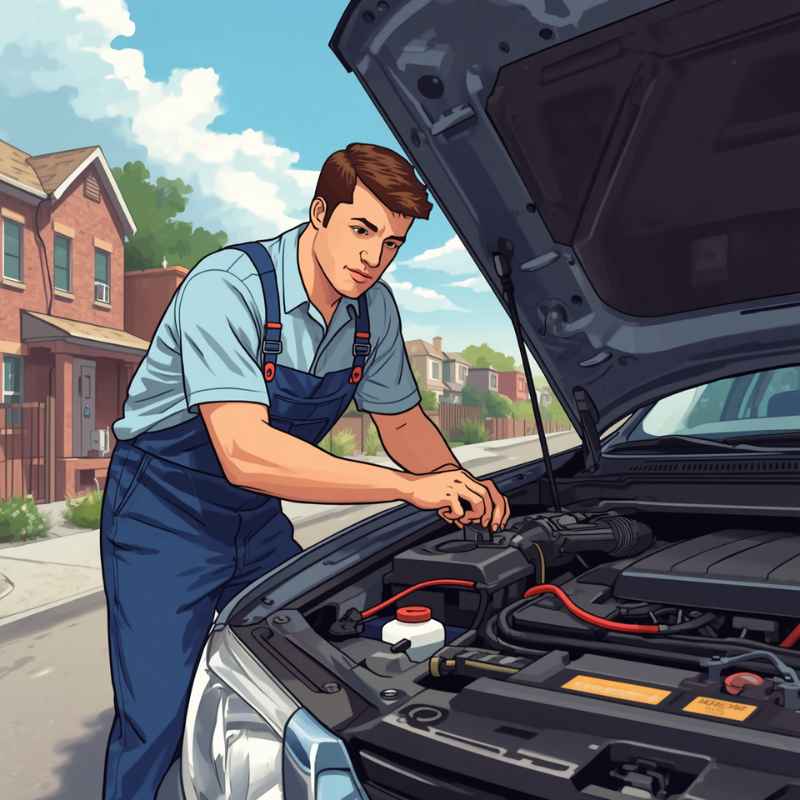
Many people ask if the working car should stay running. Some think it’s better. They believe the running engine provides more power.
This might seem logical. A running engine means the alternator is working. The alternator charges the battery as the engine runs.
However, connecting jumper cables between two running cars can be risky. It can create voltage spikes. These spikes can harm the electronics in either car.
Modern cars have sensitive computers. A sudden voltage surge can damage these vital parts. That’s why experts often advise against it.
My Own Jump-Start Scare
I remember one cold winter morning. I was rushing to an early meeting. I turned the key, and just a weak click.
My car battery was dead. I felt that familiar panic. Thankfully, my neighbor pulled up.
He had jumper cables and offered a hand. He’s a mechanic, so I trusted him.
He started explaining the process. He said, “First, turn both cars off.” I was a bit surprised. I had always seen people leave the working car running.
He explained the risks to the electronics. We connected the cables carefully. Then, he started his car.
He let it run for five minutes. My car started right up after that. That experience taught me a lot about the safest way.
Jump-Start Safety First
Always wear safety glasses. Batteries can leak acid. Sparks can cause explosions.
Keep metal objects away from the battery terminals. Never let the jumper cable clamps touch each other once connected to a battery. Ensure the cars are not touching.
The Correct and Safe Jump-Starting Steps
Let’s walk through the safest steps. This is what most car manuals recommend. It protects your vehicles.
Step 1: Park the Cars
Park the working car close to the dead car. Make sure the front of the working car is near the dead car’s battery. You need enough cable length to reach.
Do not let the cars touch each other.
Step 2: Turn Off Both Cars
This is a crucial step. Make sure both car engines are off. Turn off the ignition and remove the keys.
Turn off all lights and accessories. This includes the radio, AC, and wipers.
Step 3: Open the Hoods and Locate Batteries
Open the hood of both cars. Find the battery in each. Batteries are usually under a plastic cover.
Some might be in the trunk. Check your car manual if you’re unsure.
Step 4: Connect the Jumper Cables – The Red Cable
Take the red jumper cable. Attach one clamp to the positive (+) terminal of the dead battery. This terminal often has a red cover or a plus sign.
Then, attach the other red clamp to the positive (+) terminal of the good battery.
Important note: Ensure the clamps make a good metal-to-metal connection. A loose connection won’t transfer power well.
Step 5: Connect the Jumper Cables – The Black Cable
Now, take the black jumper cable. Attach one clamp to the negative (-) terminal of the good battery. This terminal usually has a black cover or a minus sign.
For the other black clamp, you need a good ground point on the dead car. Find an unpainted metal surface on the engine block or chassis. This could be a bolt or a bracket.
Why a ground point? Connecting directly to the dead battery’s negative terminal can create a spark. This spark might ignite hydrogen gas. Hydrogen gas can build up around batteries.
Connecting to a ground point away from the battery reduces this risk.
Step 6: Start the Working Car
Once all cables are connected securely, start the engine of the working car. Let it run for about five to ten minutes. This allows its alternator to send some charge to the dead battery.
Voltage Spike Risks
Myth vs. Reality: Some believe a running engine is essential. Reality: Modern cars have voltage regulators.
These protect against overcharging. However, sudden surges from connecting two running systems can still overwhelm them. The safest approach is to avoid this risk altogether.
Step 7: Start the Dead Car
After the working car has run for a few minutes, try to start the dead car. If it starts, great! If not, let the working car run for a few more minutes.
Then, try starting the dead car again.
If the dead car still won’t start after a couple of tries, the battery might be too far gone. Or there could be another issue.
Step 8: Disconnect the Cables
Once the dead car is running, you need to disconnect the cables. Do this in the reverse order of connection.
First, remove the black cable from the ground point on the once-dead car. Then, remove the black cable from the negative (-) terminal of the working car.
Next, remove the red cable from the positive (+) terminal of the once-dead car. Finally, remove the red cable from the positive (+) terminal of the working car.
Be careful! Make sure the clamps don’t touch anything metal or each other as you remove them.
Step 9: Let the Jump-Started Car Run
Keep the car you just jump-started running for at least 15-30 minutes. Driving it around is even better. This allows the alternator to recharge the battery properly.
If you don’t give it enough charge, it might die again soon.
Quick Scan: Jump-Start Order
Dead Car Battery:
- Positive (+) terminal: Connect Red Clamp 1
- Ground Point (engine block/chassis): Connect Black Clamp 2
Good Car Battery:
- Positive (+) terminal: Connect Red Clamp 3
- Negative (-) terminal: Connect Black Clamp 4
Disconnect Order: 4, 3, 2, 1
Why Not Keeping the Engine Running is Safer
The primary reason is to protect your car’s electrical system. Modern cars have many electronic control units (ECUs). These manage everything from the engine to the air conditioning.
A sudden, strong surge of electricity can overload and fry these sensitive components.
When a car’s engine is running, its alternator is producing electricity. This electricity goes to power the car and also to charge the battery. If you connect a second car with a battery that’s at a different voltage level, you can create a significant electrical imbalance.
This imbalance can lead to a voltage spike. Think of it like connecting two power outlets with slightly different voltages. It’s not ideal and can cause damage.
By having both cars off, you ensure a more controlled transfer of power. The dead battery slowly accepts the charge.
When Is It Okay to Leave the Engine Running? (Rare Exceptions)
There are very few scenarios where leaving the engine of the working car running might be considered. This is usually in older vehicles with less complex electronics. Or in very specific, emergency situations where more immediate power is desperately needed.
However, even then, it’s a gamble. The risk of damaging expensive electronic components is significant. For most drivers and most modern cars, the answer remains clear: turn both engines off before connecting cables.
Battery Terminal Care
Normal vs. Concerning: A light white or bluish powdery residue on your battery terminals is common. This is battery acid residue.
It can be cleaned with a wire brush and a mixture of baking soda and water. Black, gummy, or thick greasy buildup might indicate a different issue with the battery or its connections.
What If Your Car Still Won’t Start?
If you follow the steps and the car still won’t crank, there might be a bigger problem.
- The Battery is Completely Dead: Some batteries are beyond saving. They may need to be replaced.
- Faulty Alternator: If the car starts but dies quickly, the alternator might not be charging the battery.
- Starter Motor Issues: The starter motor could be the culprit if you hear clicking but no engine turnover.
- Fuel or Ignition Problems: The issue might not be electrical at all.
In these cases, you’ll need to call a mechanic or a roadside assistance service. They have the tools to diagnose the exact problem.
Real-World Scenarios and User Behavior
In my neighborhood, I see different approaches. Some people are very by-the-book. They follow the manual precisely.
Others are more relaxed. They might leave the working car running, especially if they’re in a hurry.
I’ve also seen people struggle with the cable connections. They mix up positive and negative. Or they don’t get a good clamp connection.
This leads to frustration. It can also be dangerous.
One common habit I’ve noticed is confusion about the black cable. Many people want to connect it directly to the dead battery’s negative terminal. They think it’s faster.
But remembering the ground connection is key for safety.
Grounding Importance
Why it matters: Connecting the last black cable to an unpainted metal surface on the engine or frame, away from the battery, is a safety measure. It helps prevent sparks from igniting flammable hydrogen gas that can escape from the battery. This is a crucial step for preventing explosions.
What This Means for You
For most drivers with modern cars, the safest and most recommended method is clear. Keep both cars turned off when connecting the jumper cables. Start the working car, let it run to charge the dead battery for a bit.
Then, try to start the dead car.
This approach minimizes the risk of electrical damage to your vehicles. It also protects you. When in doubt, always consult your car’s owner’s manual.
It will have specific instructions for your model.
It’s also wise to have a reliable set of jumper cables in your car. Know where your battery is located. Understand the positive and negative terminals.
Practice identifying a good ground point on your car.
When to Worry About Your Battery
Signs of a Failing Battery:
- Slow engine crank when starting.
- Dim headlights or interior lights.
- Electrical issues (windows slow, radio acting up).
- Battery warning light on the dashboard.
- Battery is old (usually 3-5 years old).
- Swollen or leaking battery case.
Quick Tips for Battery Health
Prevention is always better than a cure. Here are a few simple ways to help your car battery last longer:
- Avoid deep discharges: Try not to leave lights or accessories on when the engine is off.
- Keep terminals clean: Regularly check for corrosion and clean as needed.
- Check battery age: If your battery is over 3-4 years old, consider having it tested.
- Drive regularly: Short trips don’t allow the alternator enough time to fully recharge the battery. Longer drives are better.
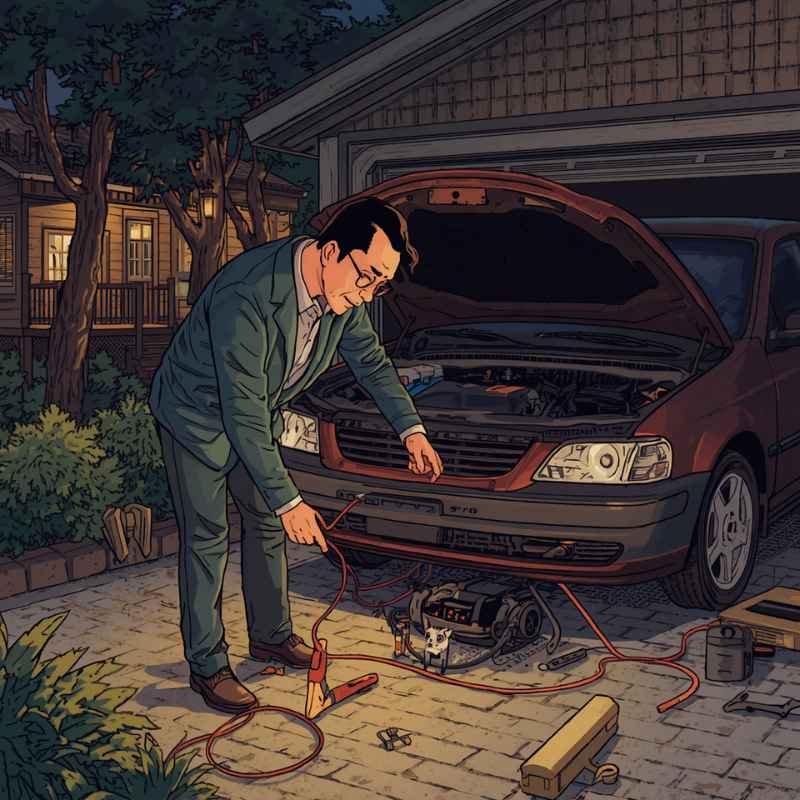
Frequent Questions About Jump-Starting
Can I jump-start a car with a completely dead battery?
Yes, you can try. The process is the same. If the battery is totally dead, it will take longer for the working car’s battery to provide enough charge.
Sometimes, a battery is too far gone to be jump-started.
How long should I let the working car run before trying to start the dead car?
Let the working car run for about five to ten minutes. This gives its alternator time to send some power to the dead battery. If it doesn’t start, you can let it run a bit longer, then try again.
What happens if I connect the jumper cables wrong?
Connecting them incorrectly can cause sparks, damage the car’s electrical system, or even damage the batteries. Always double-check the positive (+) and negative (-) connections before starting anything.
Can I use a portable jump starter instead of another car?
Yes, portable jump starters are a great alternative. They are designed for this purpose. Follow the device’s instructions carefully.
They usually connect directly to the battery terminals.
What if the jump-started car dies again soon after?
This usually means the battery isn’t holding a charge well. It could be old or damaged. Or, the alternator might not be working properly to recharge the battery while you drive.
You should get it checked by a mechanic.
Are there any cars that cannot be jump-started?
Most cars can be jump-started. However, some high-end vehicles or electric/hybrid cars have specific procedures or warnings. Always consult your owner’s manual for any special instructions regarding jump-starting.
Conclusion
When jump-starting a car, safety and protecting your vehicle are key. The best practice is to turn both cars off before connecting cables. Let the working car run to charge the dead one.
Then, try to start the dead car. This method helps prevent electrical damage. It’s a small step that makes a big difference in keeping your car’s electronics healthy.
Products related to this article
Sponsored / affiliate links. As an Amazon Associate I earn from qualifying purchases. I may earn additional commission from eligible campaigns.