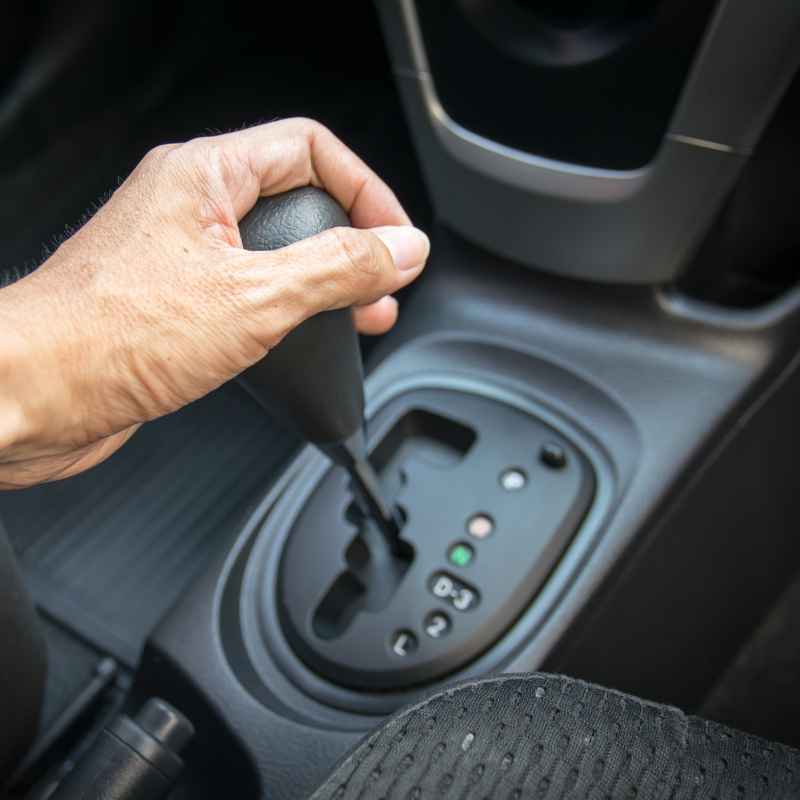
Stick Shift Vs Automatic Car: Which Should You Choose?
Stick shift cars offer more control and a fun driving feel. Automatic cars are easier to use, especially in traffic. Your choice depends on your priorities: engagement, convenience, cost, and performance goals. This article explores the differences to help you pick the right transmission.
Stick Shift vs Automatic: The Core Differences
A stick shift, also called a manual transmission, requires the driver to change gears. You use a clutch pedal and a gear stick. This gives you direct control over the engine’s power.
An automatic transmission does the gear changes for you. It uses a torque converter or dual-clutch system. You just select a gear like ‘Drive’ or ‘Reverse’ and go.
The main difference is control versus convenience. Manual drivers feel more connected to the road. They can feel each gear change.
Automatics offer a smoother ride. They are simpler to operate. This makes them popular for daily commutes.
The choice impacts fuel economy, performance, and the overall driving experience.
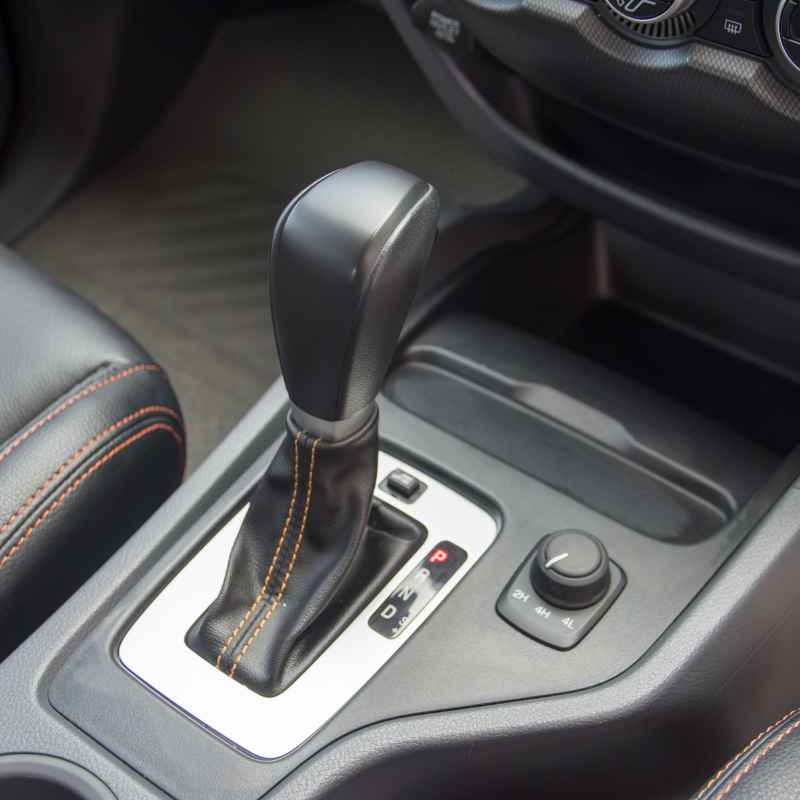
My First Stick Shift Car: A Love-Hate Relationship
I remember buying my first car. It was a bright red, used sports coupe. It had a manual transmission.
My dad had taught me to drive stick. I thought it would make me a better driver. And it did, in some ways.
But boy, was it a struggle at first! I’d stall it at stoplights constantly. My passengers would lurch forward with every jerky shift.
Traffic jams were pure torture. My left leg felt like it was going to fall off. I often wondered if I’d made a huge mistake.
There were moments, though. Driving on an open, winding road felt amazing. I could downshift perfectly for a curve.
The engine would roar. I felt like a race car driver! That feeling was addictive.
It made me love driving. But the daily grind? Not so much.
I learned a lot about patience and car mechanics. It was a crash course, literally and figuratively!
Understanding How Each Transmission Works
A manual transmission is all about mechanical connection. You press the clutch pedal. This disconnects the engine from the gearbox.
Then, you move the gear stick. This selects a new gear ratio. You release the clutch.
This reconnects the engine. The car uses the new gear ratio. Each gear change needs timing and coordination.
It’s a physical process. This direct link is why drivers feel more in control. You choose exactly when and how to shift.
An automatic transmission automates this process. Early automatics used complex hydraulic systems. They used a fluid coupling called a torque converter.
Modern automatics use various technologies. These include dual-clutch transmissions (DCTs) and continuously variable transmissions (CVTs). DCTs are like two automated manuals working together.
CVTs have no set gears. They change ratios smoothly and endlessly. These systems aim for smooth shifts and better efficiency.
Stick Shift vs. Automatic: A Quick Look
Stick Shift (Manual):
- Driver Input: Requires clutch and gear lever use.
- Control: High level of driver control over gears.
- Feel: More engaging, connected driving experience.
- Learning Curve: Steeper; takes practice to master.
- Cost: Often cheaper to buy and repair.
- Fuel Economy: Can be better if driven efficiently.
- Performance: Often better acceleration and power delivery.
Automatic:
- Driver Input: Simple gear selection (P, R, N, D).
- Control: Less direct; car handles shifts.
- Feel: Smoother, more relaxed driving experience.
- Learning Curve: Very easy; minimal training needed.
- Cost: Often more expensive to buy and repair.
- Fuel Economy: Modern automatics are very efficient.
- Performance: Can be very fast with advanced systems.
Performance and Power Delivery
For many car enthusiasts, the performance difference is key. A stick shift often allows for better acceleration. This is because the driver can precisely control when to shift.
They can rev the engine higher. They can choose the optimal gear for maximum power. This direct connection can feel faster.
It gives a sense of command over the vehicle’s speed.
Modern automatic transmissions have improved a lot. High-performance cars often use dual-clutch transmissions. These can shift gears faster than a human can.
They offer lightning-quick acceleration. Some people still prefer the feel of a manual. They like the engagement.
But for pure speed, some automatics can’t be beaten. They are also programmed to be very efficient. This helps with fuel savings too.
Fuel Economy: Who Wins?
Historically, stick shift cars were more fuel-efficient. This was because they were simpler. They had fewer internal losses.
A skilled driver could optimize shifts for economy. They could coast more easily. However, this is changing rapidly.
Modern automatic transmissions are incredibly advanced.
Many automatics now have more gears than manuals. They have 8, 9, or even 10 speeds. This allows the engine to run at lower RPMs.
This saves fuel. Continuously variable transmissions (CVTs) offer the best fuel economy in many cases. They constantly adjust to keep the engine in its most efficient range.
Some cars offer better MPG with the automatic version. Always check the specific car model’s ratings.
Fuel Economy Today
Myth: Stick shifts always get better gas mileage.
Reality: Modern automatics, especially CVTs and those with many gears, often match or beat manuals. This is due to advanced programming and more gear ratios.
Check the Label: The EPA ratings for the specific car model are the best guide. These ratings account for the transmission type.
Cost of Purchase and Ownership
When buying a car, manual versions are usually cheaper. Automatics add complexity and cost to the manufacturing process. This is reflected in the sticker price.
So, if budget is a major concern, a stick shift might be appealing.
Maintenance and repair costs can also differ. Manual transmissions are mechanically simpler. They tend to have fewer complex parts that can fail.
Repairs might be less expensive. However, clutch replacement is a significant cost. This happens eventually for most manual cars.
Automatic transmissions, especially complex ones like DCTs or CVTs, can be more expensive to repair. A transmission failure in an automatic can be a major, costly issue. This is something to consider.
The overall cost of ownership might be higher for an automatic. But the convenience can be worth it for many drivers.
Driving Experience and Engagement
This is where personal preference really shines. Driving a stick shift is an active experience. You are constantly involved.
You need to manage the clutch, shifter, and accelerator. This requires focus and coordination. For some people, this engagement is the best part of driving.
It makes them feel more connected to the machine. It can be very rewarding.
Driving an automatic is a passive experience. The car handles the work. This is great for reducing stress.
It is especially helpful in stop-and-go traffic. You can relax more. Your mind can wander.
This makes it easier to manage long commutes or busy city driving. The smooth nature of an automatic also leads to a more comfortable ride for passengers.
Real-World Scenarios: When Does Each Shine?
Think about your daily life. Where do you drive most often? If you live in a city with lots of traffic lights and stop-and-go congestion, an automatic will be a lifesaver.
Constantly shifting in heavy traffic is exhausting. You’ll likely stall less and feel less frustrated.
If you love driving on winding country roads or mountain passes, a manual might be more fun. You can choose your gears. You can keep the engine in its sweet spot for power.
This makes for a more dynamic and thrilling drive. It also teaches you to be a more attentive driver.
Consider the weather. In snowy or icy conditions, a manual transmission can offer a slight advantage. You have more control over wheel spin.
You can gently ease into acceleration. This can help prevent skidding. However, modern traction control systems in automatics are also very effective.
Driving Environment & Transmission Choice
Ideal for Stick Shift:
- Open Roads
- Winding Routes
- Performance Driving
- Learning Advanced Driving Skills
- Budget-Conscious Buyers
Ideal for Automatic:
- Heavy City Traffic
- Frequent Stop-and-Go
- Commuting
- New Drivers
- Comfort & Ease
The Learning Curve: Mastering the Manual
Learning to drive a stick shift takes time and patience. It involves coordinating three pedals (clutch, brake, accelerator) and a gear stick. You need to feel the clutch engage.
You need to learn how to shift smoothly without jolting. Stalling is common at first. People often find it embarrassing.
But once you get the hang of it, it becomes second nature. It’s a skill that many drivers find very satisfying to master. It can make you a more aware and skilled driver overall.
Many driving instructors recommend learning on a manual. They say it builds better driving fundamentals. You understand how the car works more deeply.
Automatic transmissions are much easier. You simply put the car in ‘Drive’ and go. There are no complex movements.
This makes them ideal for new drivers. They can focus on road awareness and traffic rules. They don’t have to worry about stalling.
This reduces anxiety for many beginners.
Maintenance and Longevity
Manual transmissions are often praised for their longevity. They are simpler mechanically. There are fewer electronic components to fail.
The main wear item is the clutch. A clutch typically lasts between 50,000 and 100,000 miles. Replacement can cost several hundred to over a thousand dollars.
This depends on the car and labor rates.
Automatic transmissions have become very reliable. However, they are more complex. They contain many more parts, including hydraulic systems, solenoids, and electronic control units.
Regular fluid changes are crucial for automatics. Skipping these can lead to expensive damage. Some automatic transmissions can last the life of the car with proper care.
Others might be more prone to issues as they age.
CVTs require specific transmission fluid. Using the wrong type can cause damage. DCTs also need specialized maintenance.
It’s important to follow the manufacturer’s recommended service schedule for any transmission type. Ignoring maintenance will shorten the life of either transmission.
Maintenance Matters
Manual Transmission:
- Key Wear Item: Clutch (needs replacement eventually).
- Fluid Changes: Less frequent than automatics.
- Simplicity: Fewer complex parts to fail.
Automatic Transmission:
- Crucial: Regular, timely fluid and filter changes.
- Complexity: More parts, potential for expensive repairs.
- Lifespan: Can be very long with proper care.
Safety Considerations
Both transmission types are generally safe when driven correctly. However, there are some nuances.
With a manual transmission, a driver has more direct control. This can be helpful in avoiding dangerous situations. For example, the ability to quickly downshift can help with engine braking on a steep hill.
It can also help in evasive maneuvers. But mistakes can happen. Stalling the car at a critical moment can be unsafe.
A sudden jerky shift could also be distracting.
Automatic transmissions, with their smooth power delivery and advanced traction control, can be very safe. They reduce the chance of driver error, like stalling. The car’s computer often manages power output to prevent wheel slip.
This can be a major benefit in adverse conditions. Some safety experts argue that for less experienced drivers, an automatic is inherently safer due to fewer driver inputs required.
Resale Value: What to Expect
The demand for manual transmissions has decreased significantly in recent years. Most new cars are now sold with automatic transmissions. This means that a manual car might be harder to sell.
It could also have a lower resale value compared to its automatic equivalent.
However, there are exceptions. Certain sports cars or enthusiast vehicles maintain a strong demand for manual versions. Collectors might specifically seek out manuals.
For these niche vehicles, a manual can hold its value well or even increase. For the average car, though, the automatic version is likely to fetch a better price.
If you plan to keep your car for a long time, this might not matter much. But if you trade cars often, it’s something to consider. The market is leaning heavily towards automatics.
What This Means for You
So, what’s the best choice for you? It really comes down to your priorities and how you plan to use your car.
If you crave a more connected and engaging driving experience, love the feel of shifting gears, and want a car that might be cheaper to buy initially, a stick shift is for you. It’s also great if you’re looking to improve your driving skills.
If you value convenience, want the easiest driving experience possible, frequently drive in traffic, or are a new driver, an automatic is likely the better choice. Modern automatics are also very efficient and performant. They offer a smooth, stress-free ride.
When is it normal to choose a stick shift? If you’re a driving enthusiast, a gearhead, or want the purest driving feel. It’s also normal if you’re looking for a specific older model that only came in manual.
When should you worry about your choice? You shouldn’t worry about the choice itself. The “worry” comes if your chosen transmission type makes your daily driving miserable. If traffic is causing you extreme stress with a manual, it might be time to reconsider.
If you’re struggling to learn a manual and it’s impacting your confidence, an automatic is a great alternative.
Simple checks: Test drive both! This is the most important step. See which one feels right to you.
Consider your commute. Think about your typical driving conditions. Look at the MPG ratings for both versions of the car you are considering.
Quick Tips for Choosing
Here are some easy steps to help you decide:
- Test Drive Both: Drive the same car model with both transmission types if possible.
- Evaluate Your Commute: Heavy traffic favors automatics. Open roads favor manuals.
- Consider Your Budget: Manuals are usually cheaper upfront.
- Think About Resale: Automatics generally have broader appeal.
- Assess Your Skill/Patience: Manuals require more effort and learning.
- Research Specific Models: MPG and performance can vary greatly.
Frequently Asked Questions
Is driving a stick shift harder than an automatic?
Yes, generally driving a stick shift is harder. It requires using a clutch pedal and shifting gears manually. This takes practice and coordination.
Automatic transmissions do the gear changes for you, making them much easier to drive.
Which type of car is better for fuel economy, stick shift or automatic?
It used to be that stick shifts were better. But modern automatic transmissions are very efficient. Many now have more gears, improving fuel economy.
Continuously variable transmissions (CVTs) are often the most fuel-efficient. Always check the specific car’s MPG ratings from the EPA.
Are manual cars cheaper to buy than automatic cars?
Yes, manual transmission cars are typically less expensive to purchase. The manufacturing process for automatics is more complex and costly. This difference is often seen on the car’s price sticker.
Which transmission is better for performance driving?
For pure driver engagement and control, many prefer a stick shift. It allows precise gear selection. However, high-performance automatic transmissions, like dual-clutch systems, can shift faster than humans.
They often offer quicker acceleration times.
Is it worth learning to drive a stick shift?
Many people find it very rewarding to learn. It can make you a more skilled and aware driver. It offers a deeper connection to the car.
If you enjoy the act of driving and want to feel more in control, it’s worth considering. However, it does require dedication.
Are automatic cars more reliable than stick shifts?
Manual transmissions are simpler and have fewer parts that can fail, so they are often considered very reliable. Automatic transmissions are more complex. While modern automatics are reliable, they require more diligent maintenance.
Clutch replacement is a common, but significant, repair for manual cars over time.
Final Thoughts
The choice between a stick shift and an automatic is deeply personal. It’s not about one being definitively “better.” It’s about what fits your life. Consider how and where you drive.
Think about what matters most: control, ease, cost, or efficiency. By understanding these differences, you can make the choice that brings you the most joy and comfort on the road.
Products related to this article
Sponsored / affiliate links. As an Amazon Associate I earn from qualifying purchases. I may earn additional commission from eligible campaigns.