Is It Dumb To Buy A New Car? Essential Guide
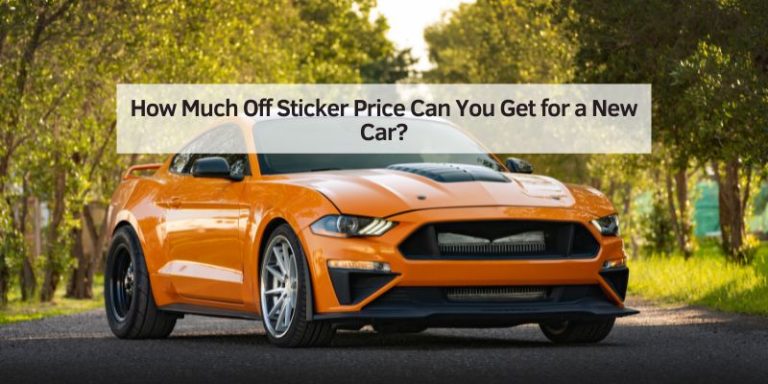
Is it dumb to buy a new car? Generally, for most people, buying a brand-new car is not the smartest financial move due to rapid depreciation. Often, a gently used car offers much better value, providing similar features and reliability at a significantly lower cost. Weighing your personal needs against these financial realities is key.
Buying a car is a big decision, and thinking about a brand-new one can feel exciting but also a little overwhelming. Many people wonder if it’s really the best choice when they see the price tags. It’s a common question that can leave you scratching your head. You want a reliable car, but you also want to be smart with your money. Don’t worry; we’re going to break it down in a way that makes sense. Together, we’ll look at all the angles so you can feel confident about whatever path you choose for your next car. Let’s explore if buying new is right for you!
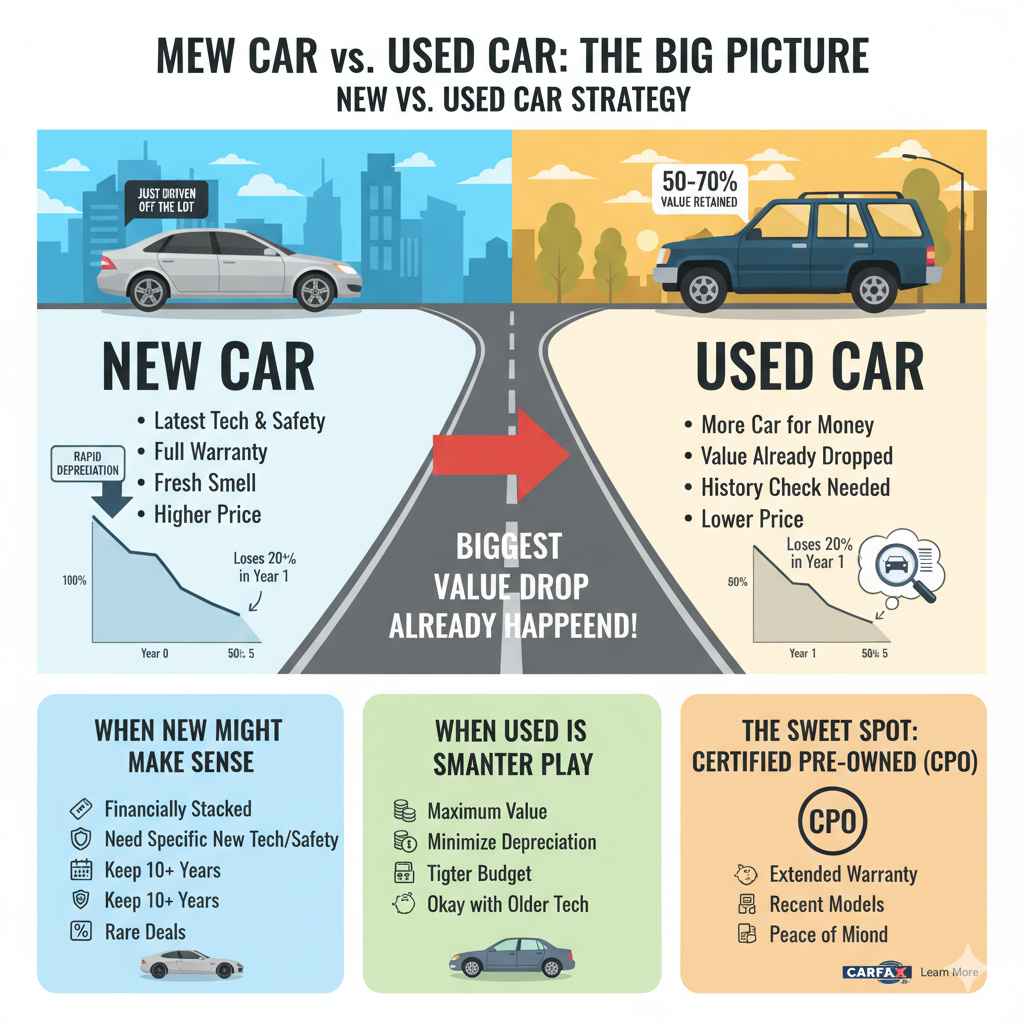
The Big Picture: New Car vs. Used Car
When you’re thinking about getting a car, the first big fork in the road is usually: new or used? It’s like choosing between the latest gadget or a reliable classic. Both have their perks, but they also come with different considerations, especially when it comes to your wallet. Understanding the core differences will help you decide what fits you best.
A new car rolls off the lot with that fresh-smell and a full warranty, untouched by previous owners. It’s often packed with the newest technology and safety features. On the other hand, a used car has already taken that initial major hit in value, meaning you could potentially get more car for less money. However, with a used car, you need to be a bit more diligent about checking its history and condition.
The Reality of Depreciation: Why New Cars Lose Value Quickly
One of the biggest reasons people hesitate to buy new is something called depreciation. This is simply how much a car loses its value over time. Think of it like a balloon losing air. The moment you drive a new car off the lot, it starts becoming worth less.
This drop in value is most dramatic in the first few years. For example, a car can lose 20% or more of its value in its first year alone! By year five, it might have lost over half of its original price. This means if you need to sell or trade in a new car after just a couple of years, you’ll likely get back much less than you paid for it. It’s a significant financial factor that many buyers overlook.
This rapid depreciation is a major reason why buying a car that’s only a few years old can be such a smart move. The initial depreciation has already happened, but you can still often find vehicles with very low mileage and plenty of life left in them, usually at a much more attractive price point.
Weighing Your Options: Pros and Cons of Buying New
Let’s dive into the good stuff and the not-so-good stuff about driving off in a brand-new vehicle. It’s important to see both sides before you make a decision.
Pros of Buying a New Car
Latest Features and Technology: New cars come with the most up-to-date infotainment systems, driver-assistance features (like adaptive cruise control or automatic emergency braking), and the most efficient engines.
Full Manufacturer Warranty: You get the peace of mind knowing that major repairs will be covered for a set period, often 3 to 5 years or a certain number of miles. This can save you a lot of unexpected costs.
Customization: You can often order a new car exactly how you want it, choosing the specific trim level, color, and optional features.
No Unknown History: You are the first owner, so there are no worries about how the previous owner treated the car, if it was in an accident, or if it was maintained poorly.
Fuel Efficiency: Newer models often offer improved fuel economy due to advancements in engine technology.
Cons of Buying a New Car
Rapid Depreciation: As discussed, new cars lose value very quickly, especially in the first 1-3 years. This is the biggest financial drawback.
Higher Purchase Price: New cars are simply more expensive upfront compared to their used counterparts.
Higher Insurance Costs: Insuring a new, more valuable car typically costs more than insuring an older, less valuable one.
Higher Registration Fees: In many places, registration fees are based on the car’s value, so a new car will cost more to register annually.
Potential for “New Car Smell” Overload: Some people find the strong chemical smells from new car interiors, which can contain volatile organic compounds (VOCs), to be unpleasant or even cause sensitivities.
The Smart Alternative: Embracing the Used Car Market
Buying used doesn’t mean settling for less; it often means making a more financially savvy choice. A pre-owned vehicle can offer incredible value.
Pros of Buying a Used Car
Significantly Lower Purchase Price: The most obvious benefit is the lower cost. You can often afford a higher trim level or a more luxurious model for the same price as a basic new car.
Slower Depreciation: A used car has already experienced its steepest depreciation. The value will still decrease, but at a much slower rate, meaning you’ll lose less money over your ownership period. According to NerdWallet, on average, cars can last well over 10 years, meaning a few-year-old car still has a lot of driving ahead.
Lower Insurance and Registration Costs: Generally, insuring and registering a less expensive, older car will cost you less than a brand-new one.
Wider Selection: The used car market is vast. You have access to models that may no longer be in production or can find specific older generations that you prefer.
Certified Pre-Owned (CPO) Options: Many manufacturers offer CPO programs. These vehicles are typically low-mileage, recent models that have undergone rigorous inspections and come with an extended warranty, offering a blend of new-car security and used-car savings.
Cons of Buying a Used Car
Potentially Higher Maintenance Costs: While you save on the purchase price, older cars may eventually require more frequent or costly repairs if components start to wear out. However, by choosing a reliable model and performing good maintenance, this can be minimized.
Limited or No Warranty: Unless you buy a certified pre-owned vehicle or a very recent model still within its original warranty period, you might not have warranty coverage.
Unknown History (if not pre-screened): It’s crucial to get a vehicle history report and have the car inspected to ensure it hasn’t been in major accidents or poorly maintained.
Older Technology: You might miss out on the very latest safety and infotainment features found in brand-new models.
Fewer Customization Options: You have to take the car as you find it; you can’t pick your own color or specific options like you can with a new order.
Key Factors to Consider for Your Decision
When you’re trying to figure out if buying new is “dumb” for you, think about these important points:
1. Your Budget: Can You Afford It?
This is the most critical question. A new car comes with a higher sticker price. Beyond the initial purchase, consider monthly payments, insurance, taxes, and potential fees. Can your budget comfortably handle these ongoing costs without stretching too thin?
It’s not just about the monthly payment; it’s about the total cost of ownership. Tools like the Consumer Financial Protection Bureau’s auto loan calculator can help you see the full picture of what a loan will truly cost you over time.
2. Your Driving Habits and Needs
How much do you drive? Do you need a car for short city commutes, or do you have long highway drives? Are you looking for a family vehicle, a compact commuter, or something for off-road adventures?
High Mileage Drivers: If you rack up a lot of miles annually, buying new with a comprehensive warranty might offer better long-term peace of mind regarding repair costs. However, the rapid depreciation still hits hard.
Low Mileage Drivers: If you drive infrequently, a gently used car might be perfect. You’ll use it less, meaning wear and tear will be slower, and you’ll benefit more from the upfront savings.
Specific Needs: If a brand-new safety feature or a specific technology is a must-have for your driving comfort or safety, that might lean you towards new. If you need a specific type of vehicle and can find it in good condition used, that’s a clear win for pre-owned.
3. Your Tolerance for Risk and Hassle
Are you someone who loves having the latest and greatest and doesn’t want any surprises? Or are you comfortable assessing a used car’s condition and potential for future maintenance?
Risk-Averse: If the thought of unexpected repair bills makes you lose sleep, a new car’s warranty offers significant reassurance.
Value Hunter: If you’re willing to do a bit of homework – like getting a pre-purchase inspection from an independent mechanic – you can often find excellent deals on used cars and save a substantial amount of money.
4. Long-Term Ownership vs. Frequent Upgrading
How long do you typically keep cars?
Long-Term Keepers: If you plan to drive a car for 7-10 years or more, buying new could make sense, as you’ll benefit from the full lifespan of its components and get good use out of the warranty. However, even then, the initial depreciation means you might still be underwater financially for the first few years.
Frequent Upgraders: If you like to get a new car every 2-4 years, buying new is almost certainly not the smartest financial decision due to the steep depreciation. You’d be paying a premium for a car you’ll soon sell at a significant loss.
The Financial Hit: A Closer Look at Costs
Let’s get down to the numbers. It helps to see how the costs stack up.
Cost Comparison: New vs. Used (Illustrative Example)
Consider two identical car models, A and B. Model A is brand new, and Model B is a 3-year-old used version with 30,000 miles.
| Feature | Brand New Car (Model A) | 3-Year-Old Used Car (Model B) |
|---|---|---|
| Purchase Price | $30,000 | $20,000 |
| First Year Dep. | -$6,000 (20%) | -$2,000 (10%) |
| Value After 1 Yr | $24,000 | $18,000 |
| Annual Insur. | $1,500 | $1,100 |
| Annual Reg./Tax | $800 | $500 |
| Warranty | Full Manufacturer | Remaining/None/CPO |
| Initial Savings | N/A | $10,000 |
Note: These are illustrative figures; actual depreciation, insurance, and tax costs vary greatly by location, car model, driving record, and insurance provider.
As you can see, the initial savings on the used car are substantial. The depreciation is also slower, meaning your investment holds its value better over time.
The True Cost of Ownership: Beyond the Sticker Price
When talking about whether it’s “dumb” to buy new, we must consider the total cost of ownership. This includes:
Purchase Price: The amount you pay for the car.
Depreciation: The loss in value over time.
Financing Costs: Interest paid on a loan.
Insurance Premiums: Cost of car insurance.
Taxes and Fees: Sales tax, registration, annual renewal fees.
Maintenance and Repairs: Routine servicing and unexpected fixes.
Fuel Costs: How much gas the car uses.
For most drivers, a used car wins out on almost all these fronts, especially the combined impact of the purchase price and depreciation.
Making the Smart Choice for YOU
So, is it dumb to buy a new car? For the average person focused on smart finances, the answer is often yes, it’s financially suboptimal due to steep depreciation. However, here’s how to make the best decision for your personal circumstances:
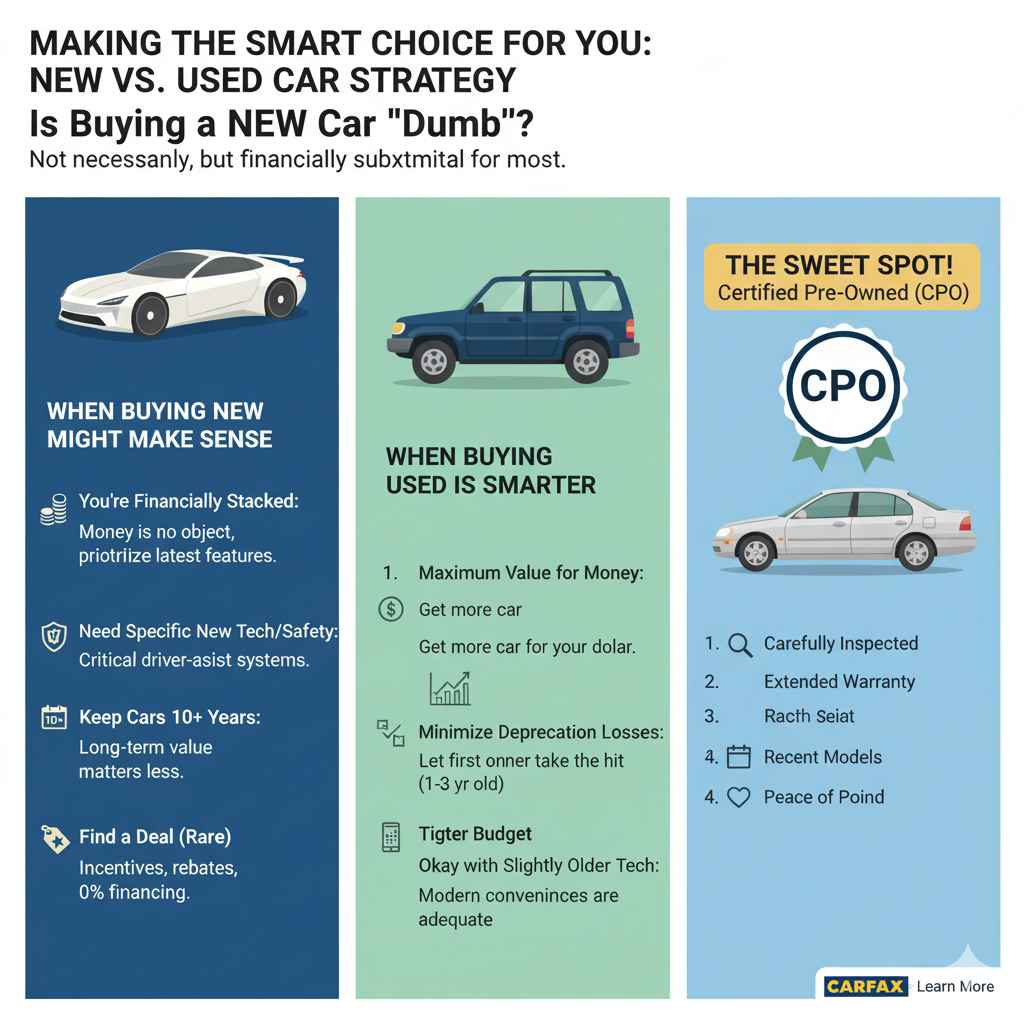
When Buying NEW Might Make Sense
You’re Financially Stacked: If money is no object and you prioritize having the absolute latest features and that “new car” feeling without concern for depreciation, then go for it.
You Need Specific Brand-New Tech/Safety: For example, if a brand-new driver-assist system is critical for your peace of mind or driving ability, and it’s only available on new models.
You Keep Cars for a Very Long Time (10+ Years): If you plan to keep a vehicle until it’s quite old, the long-term value retention might matter less to you than the initial depreciation hit.
You Find a Deal (Rare): Sometimes, manufacturers offer significant incentives, rebates, or 0% financing on new models that can make them more competitive. However, this is still rare and doesn’t negate all depreciation.
When Buying USED is Usually the Smarter Play
You Want Maximum Value for Money: This is where used cars shine. You get more car for your dollar.
You Want to Minimize Depreciation Losses: By buying a 1-3 year old car, you let the first owner absorb the biggest depreciation hit.
You’re on a Tighter Budget: The lower upfront cost of a used car makes it accessible to more people.
You’re Okay with Slightly Older Tech: Most used cars still have modern conveniences and safety features that are perfectly adequate for most drivers.
The Sweet Spot: The Certified Pre-Owned (CPO) Vehicle
A CPO car can be the perfect middle ground. These vehicles are carefully inspected by the dealership, come with an extended warranty, and are often very recent models. They offer much of the reassurance of a new car but at a used car price point, avoiding the steepest depreciation. It’s a fantastic way to get a reliable car with peace of mind. To learn more about what makes a CPO car, check out this guide from the Carfax.
Frequently Asked Questions (FAQs)
Is buying a new car always a bad financial decision?
Not always, but for most people, it’s not the most financially savvy choice. The biggest reason is rapid depreciation, meaning the car loses a significant chunk of its value the moment you drive it off the lot. However, if you have a very high budget, intensely value the newest features, or plan to keep the car for over a decade, the depreciation impact might be less concerning for you.
How much value does a new car lose in the first year?
A new car typically loses about 20% of its value in the first year, and sometimes even more depending on the make and model. By the end of year three, it can lose up to 40-50% of its original price.
What is the best age for a used car to buy?
Cars that are 1 to 3 years old are often considered the sweet spot. They’ve already experienced the steepest depreciation, usually have relatively low mileage, and often still have some of the original manufacturer’s warranty remaining or are available as Certified Pre-Owned (CPO) vehicles with extended warranties.
Are used cars more expensive to repair?
Potentially, yes. As cars age, parts can wear out and may need replacing sooner. However, this isn’t guaranteed. A well-maintained used car from a reliable brand can be very dependable. The savings on the purchase price of a used car often outweigh the potential for slightly higher repair costs, especially if you budget for it or can handle minor repairs yourself.
What is a Certified Pre-Owned (CPO) car?
A Certified Pre-Owned (CPO) car is a pre-owned vehicle that has been thoroughly inspected, refurbished, and guaranteed by the manufacturer or dealership. They typically come with an extended warranty and are usually recent models with low mileage. CPO cars offer a blend of new-car assurance and used-car savings.
How can I make sure a used car is reliable?
To ensure a used car’s reliability, always get a vehicle history report (like CarFax or AutoCheck), take the car for a thorough test drive, and most importantly, have it inspected by an independent, trusted mechanic before you buy. They can spot potential issues you might miss.
Is it “dumb” to buy a new car if I plan to trade it in within two years?
Yes, it’s generally considered financially unwise to buy a new car if you plan to trade it in within the first two years. This is precisely when depreciation is at its highest, meaning you will likely lose a significant amount of money on the transaction due to the car’s diminished value.