How to Unfreeze a Car Door Lock: Fixes for What You Have
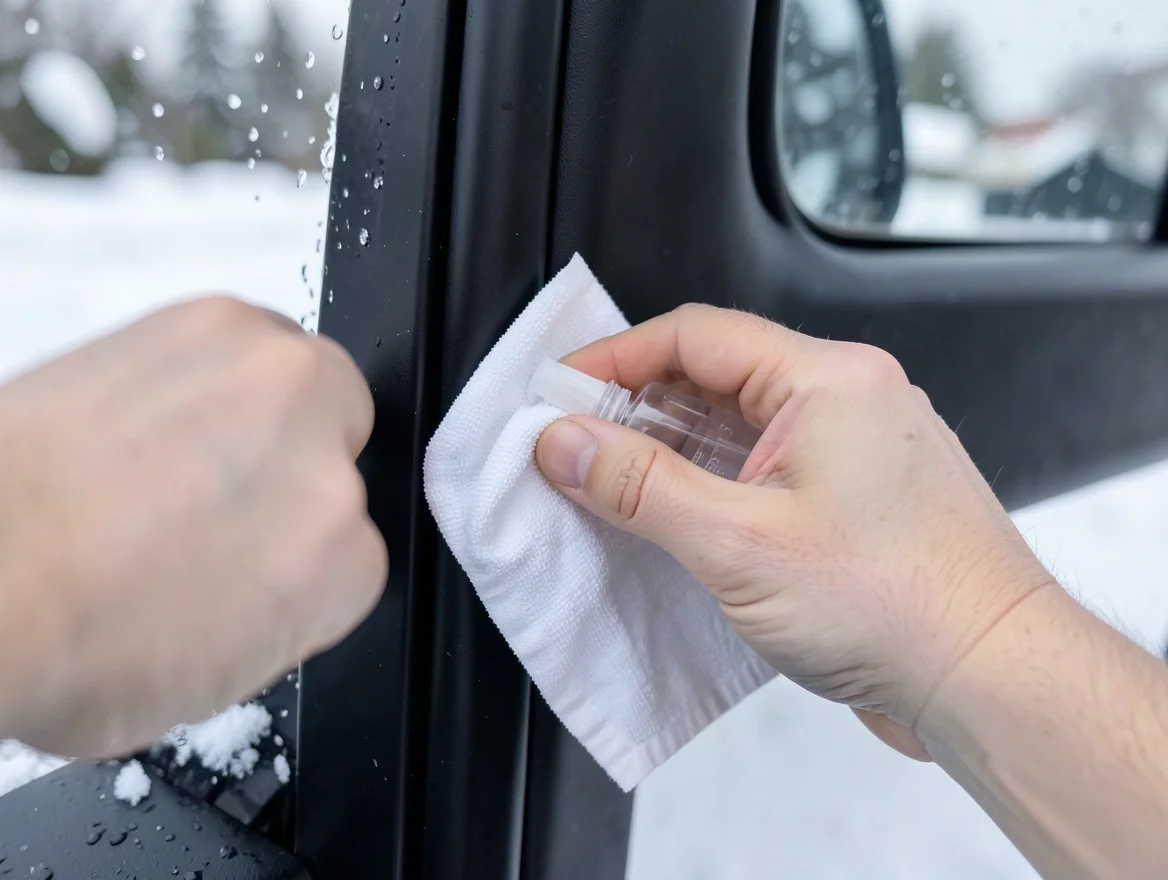
The fastest safe fix is alcohol-based: pour or spray rubbing alcohol, hand sanitizer, or a dedicated lock de-icer directly into the keyhole. The high alcohol content melts the ice on contact within a minute or two, and it will not damage the lock the way boiling water or a forced key can.
What actually works best depends on what you have with you right now, not on which method sounds most dramatic. Someone standing at their car door in a parking lot with only their pockets to work with needs a different answer than someone standing in their driveway with a full garage behind them. Below is what to try first based on what is actually on hand, why the lock froze in the first place, the fixes that hold up to how ice and metal behave, and the handful of things that make a frozen lock worse instead of better.
Match the Fix to What You Have on You Right Now
Purpose-Built Lock De-Icer
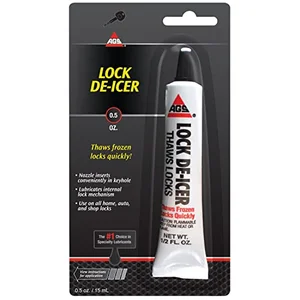 |
AGS MZ-1 Lock De-Icer Lubricant – $5.22 A small tube made specifically for frozen lock cylinders, so it fits in a jacket pocket or glovebox for exactly this situation.
|
If you have nothing but the key in your hand, hand sanitizer from your bag or car is usually the fastest thing you can reach. If you are at home or near a store, a small bottle of rubbing alcohol or a proper lock de-icer spray works even better and lasts longer in the cold. If you have neither, warm (not boiling) water from a thermos can work in a pinch, as long as you dry the lock or use it immediately afterward. Keep reading for the full breakdown of each method, including which ones to skip entirely.
Why Car Door Locks Freeze in the First Place
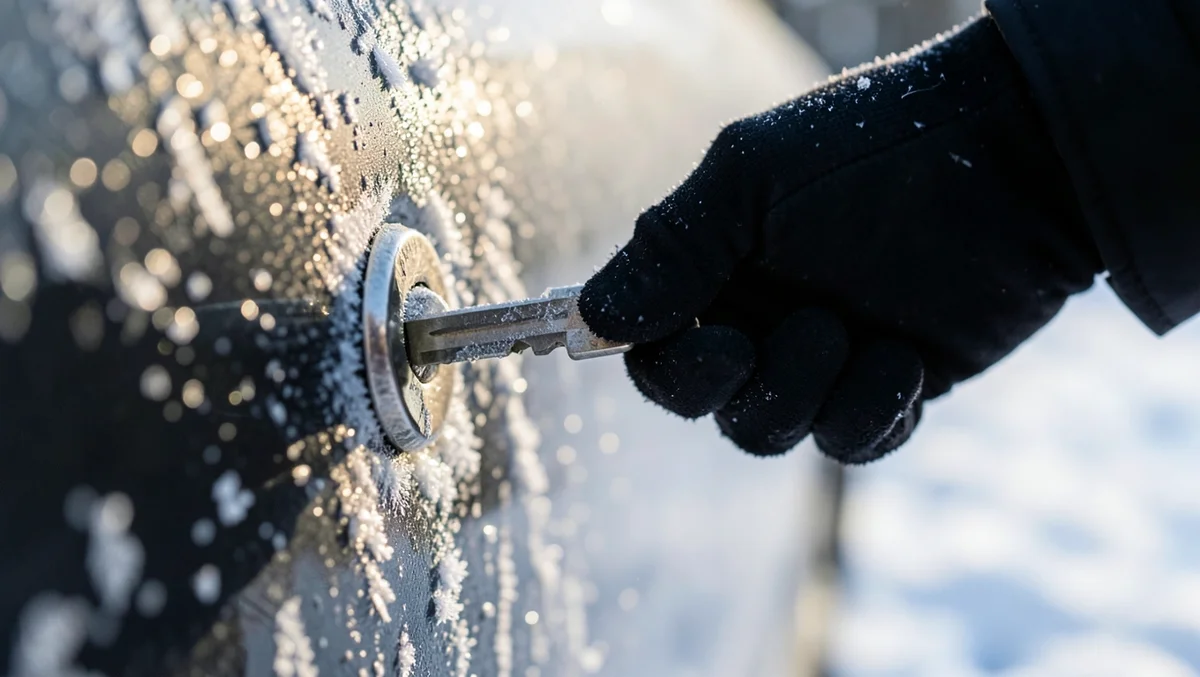
A car door lock freezes when water gets into the small gap around the key cylinder and then the temperature drops below freezing before it evaporates. That water usually comes from one of three places: rain or melting snow that seeps in during the day and refreezes overnight, condensation from a car wash in cold weather, or moisture from your own breath and body heat while you were fumbling with the key the last time it was cold out. Once that water turns to ice inside the pin mechanism, the tumblers cannot move, and the key either will not go in or will not turn.
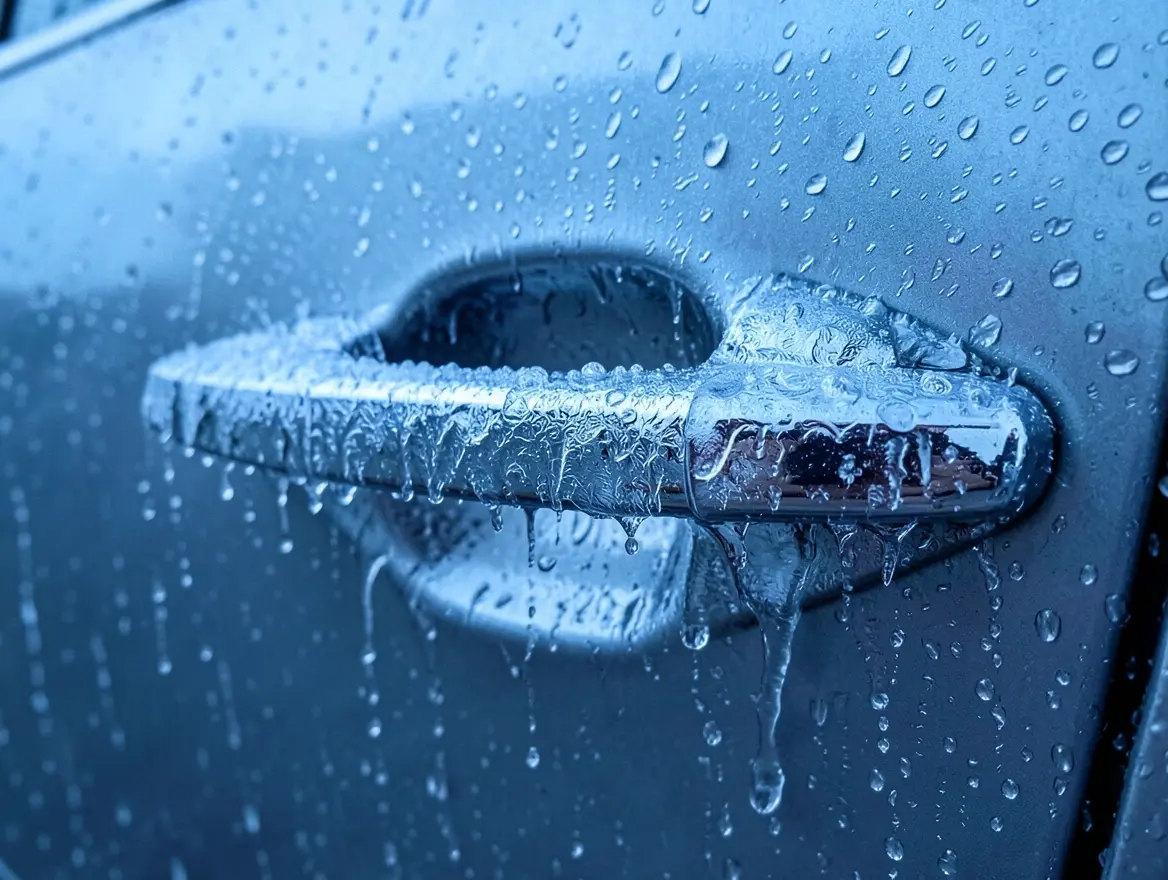
Temperature swings make it worse. A lock that survives a steady 20°F night is often fine, but a day that climbs above freezing and then drops again overnight is exactly when locks seize up, because that cycle is what lets water get in and then trap itself as ice. Cars parked outside without a cover, especially after a wash or a wet drive, are the most likely to have this happen.
Fixes Using Things You Probably Already Have
These are the methods worth trying before you go buy anything, roughly in order of how likely you are to already have them on you.
Hand Sanitizer or Rubbing Alcohol
Most hand sanitizer is 60% or more isopropyl or ethyl alcohol, and alcohol freezes at a much lower temperature than water. Squeeze a small amount directly onto the key or into the keyhole and give it 30 to 60 seconds to work its way in before trying the key again. If you have a small syringe, eyedropper, or a drinking straw, applying it straight into the keyhole gets it to the ice faster than pouring it over the outside of the lock. This is one of the few tricks people reach for out of desperation that actually holds up — it works on the same principle as a commercial de-icer, just with something already in your bag or car.
Warm (Not Boiling) Water
Lukewarm water from a thermos or bottle poured slowly over the lock can melt enough ice to get the key in. The key word is lukewarm. Do not use boiling or even very hot water — the rapid temperature change can crack a window or windshield through thermal shock, and it can also damage paint and plastic trim around the handle. Just as important, water on a freezing lock will refreeze within minutes if you do not dry it or immediately work the lock open, so have your key ready before you pour, and dry the area with a cloth or your sleeve right after.
A Hair Dryer or Your Car’s Own Cabin Heat
If you are at home with access to an outlet or a car with a power inverter, a hair dryer on low heat aimed at the lock for a minute or two will melt the ice without the refreeze risk that comes with water. If you got into the car through another door or a passenger already inside can reach it, running the cabin heater and directing a vent at the inside of the frozen door for a few minutes can also loosen the lock and any stuck seals at the same time.
Lock De-Icer and WD-40: What Actually Works Best
A dedicated lock de-icer spray, usually built around isopropyl alcohol, is made for exactly this job and is worth the few dollars if you deal with frozen locks more than once a winter. WD-40 will also melt the ice and free up a stuck lock in the moment — it is a genuinely useful emergency fix — but it is not the best choice for regular lock maintenance. WD-40 is oil-based, and oil-based lubricants tend to attract dust and grit over time, which can eventually make a lock stickier rather than smoother. For the internal pins and tumblers, mechanics generally recommend a graphite-based lock lubricant instead, since dry graphite does not gum up or trap moisture the way an oil-based spray can. Silicone spray is the better choice for the rubber door seal and weatherstripping around the door, not the lock cylinder itself.
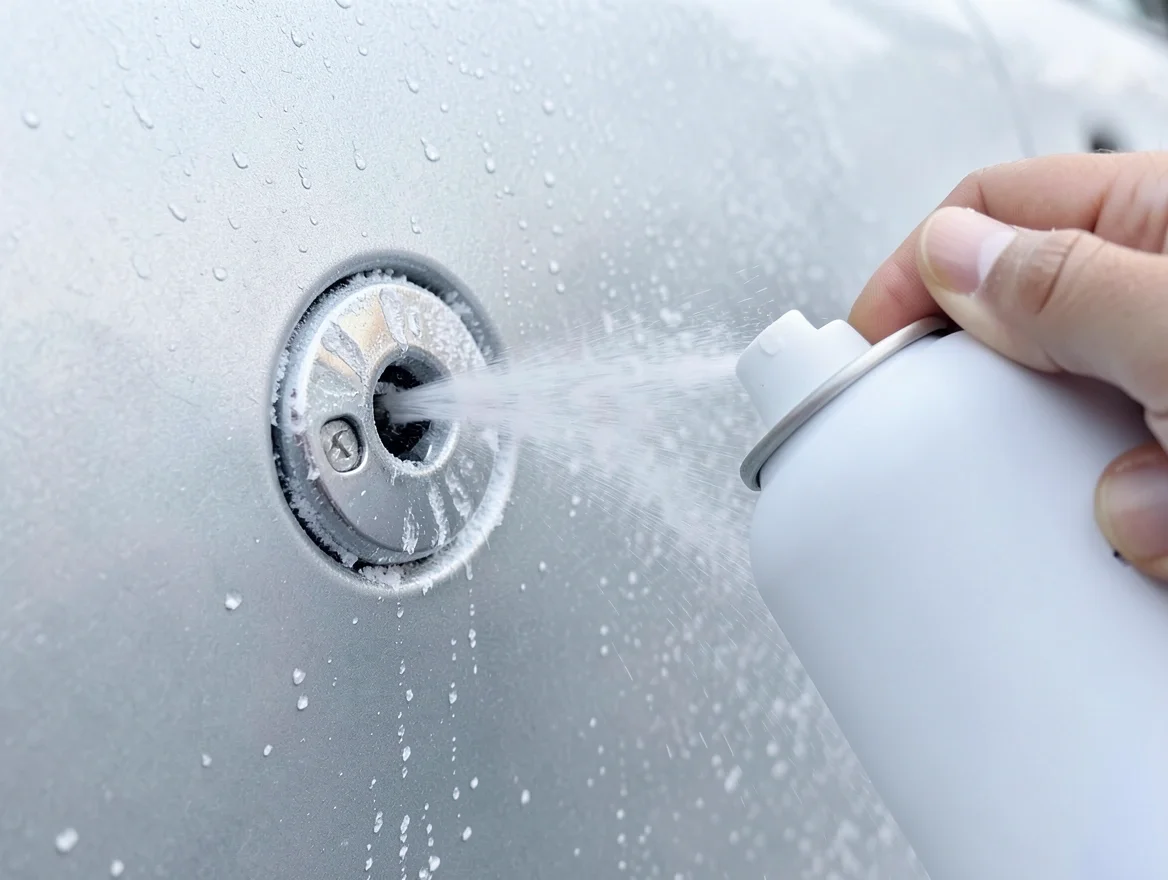
To use either product, hold the nozzle close to the keyhole, spray a short burst directly in, and wait about 30 seconds before trying the key. If the lock still will not turn, spray again rather than forcing the key. Two or three short applications, spaced a minute apart, clears the vast majority of frozen locks without any risk to the mechanism.
What Not to Do to a Frozen Car Door Lock
- Do not pour boiling or very hot water on it. Thermal shock can crack cold glass and damage paint, and the water can refreeze in the lock within minutes anyway.
- Do not force or wiggle the key hard. A key pushed against frozen tumblers is much more likely to snap off inside the lock, which turns a simple de-icing job into a locksmith call.
- Do not pry the door or scrape ice off the lock with a metal tool. A screwdriver or ice scraper pressed against the cylinder or the paint around it can scratch the finish or bend the tumblers.
- Do not hold an open flame directly against the door. Heating a key with a lighter to melt ice from the inside is a common tip, but holding flame near plastic trim or paint risks melting or scorching it, and it is easy to burn your fingers on a hot key.
How to Stop Your Car Door Locks From Freezing Again
A few minutes of prep before a hard freeze saves you from repeating any of the fixes above. Wipe down and dry the door seals and lock after washing your car in cold weather, rather than letting them air dry outside. Apply a silicone-based spray to the rubber door seals every few months through winter — silicone keeps the rubber flexible and stops water from clinging to it, without the dirt-attracting downside that petroleum-based products can have on rubber. If a hard freeze is forecast, covering the keyhole with a strip of tape or a small magnetic cover keeps rain and snow from getting in during the day, so there is nothing left to refreeze overnight.
It also helps to keep a small tube of lock de-icer somewhere other than inside the car — a coat pocket, a bag, or a desk drawer at work. A de-icer locked inside the car with you is not much help the next time the lock freezes shut. Parking in a garage, or at least facing the car away from prevailing wind and direct exposure to rain, cuts down on how often this happens in the first place.
If it is not just the lock — the whole door feels frozen shut, including the seal and handle, not just the keyhole — the fix is a little different. Our full diagnostic guide to unfreezing car doors walks through frozen seals and stuck handles separately from a frozen lock cylinder.
When to Call a Locksmith Instead
Most frozen locks are a five-minute fix with alcohol or de-icer. Call a locksmith instead of continuing to try if the key snaps off inside the lock, if the key goes in but the cylinder will not turn at all even after multiple applications of de-icer, or if you suspect the lock mechanism itself is damaged rather than just frozen (for example, if it worked fine in warm weather but has been getting harder to turn all winter). A locksmith has tools that can extract a broken key or work the tumblers without further damaging the lock, which is worth the cost compared to forcing it and needing a full lock replacement.
Frequently Asked Questions
How Do You Thaw a Frozen Car Door Lock Fast?
Apply hand sanitizer, rubbing alcohol, or a dedicated lock de-icer directly into the keyhole. The alcohol content melts the ice on contact, usually within 30 to 60 seconds, and it is the fastest method that will not risk damaging the lock.
How Do You Stop Car Door Locks From Freezing Up?
Dry the lock and door seals after washing your car in cold weather, apply silicone spray to the rubber seals every few months, cover the keyhole with tape or a magnetic cover before a hard freeze, and keep a small lock de-icer somewhere other than inside the car.
Will WD-40 Unfreeze a Car Lock?
Yes, WD-40 will melt ice and free a stuck lock as an emergency fix. It is not the best long-term lock lubricant, though, since its oil-based formula can attract dust and grit over time. Graphite powder or a dedicated lock lubricant is the better choice for regular maintenance.
How Do You Get Ice Out of a Car Door Lock?
Spray or squeeze an alcohol-based product, such as hand sanitizer, rubbing alcohol, or a lock de-icer, directly into the keyhole. Warm, not boiling, water also works, but you need to dry the lock or use it immediately afterward or it can refreeze within minutes.
Can Hand Sanitizer Really Unfreeze a Car Lock?
Yes. Most hand sanitizer is 60% or more isopropyl or ethyl alcohol, which has a much lower freezing point than water. Applied directly into the keyhole, it melts the ice on contact the same way a commercial lock de-icer does.
What Should You Never Do to a Frozen Car Door Lock?
Never pour boiling or very hot water on it, since the temperature change can crack glass and damage paint. Never force or wiggle the key hard, since a frozen lock can snap it off inside the cylinder. And never pry the lock or scrape ice off it with a metal tool, which can scratch the paint or bend the tumblers.
Conclusion
A frozen car door lock is almost always a quick fix once you reach for the right thing: alcohol first if that is all you have, a proper lock de-icer if you keep one on hand, and warm water only as a last resort you dry off immediately. Skip the boiling water, the forced key, and the metal tools, and a lock that seized up overnight should open again in a couple of minutes. Spend ten minutes prepping your seals before the next hard freeze and you will spend a lot fewer mornings standing outside your own car.
Products related to this article
Sponsored / affiliate links. As an Amazon Associate I earn from qualifying purchases. I may earn additional commission from eligible campaigns.