Is It Ok To Pressure Wash A Car Engine: Essential Guide
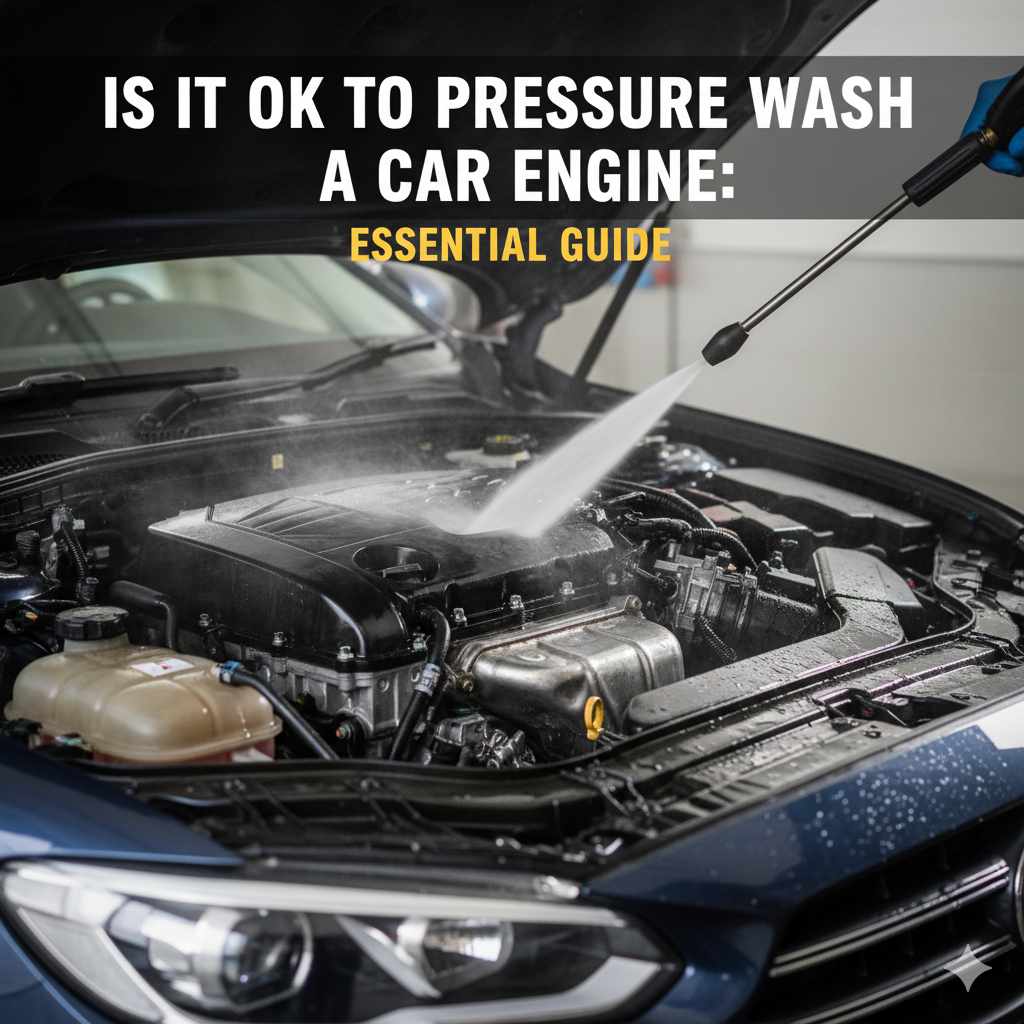
Yes, it is generally okay to pressure wash a car engine, but only with extreme caution and proper preparation. Doing it incorrectly can cause serious damage to sensitive components. This guide will show you how to do it safely and effectively to clean your engine bay without harming your vehicle.
Keeping your car’s engine bay clean can seem like a daunting task, often reserved for professional mechanics. You might look at the grime, oil, and dirt accumulated over time and wonder if there’s an easier way. Pressure washing comes to mind for many, offering the promise of a quick and thorough clean. But is it really safe for your car’s delicate engine components? This guide is here to demystify the process, providing you with a clear, step-by-step approach to safely pressure wash your car engine and make it look almost new again, all while protecting your investment.
Why Clean Your Car Engine?
A clean engine bay does more than just look good. It can help you spot potential leaks or worn parts more easily, making maintenance simpler. It can also help prevent corrosion and keep your engine running cooler by removing insulating dirt and debris. Think of it as giving your car’s vital organs a refreshing spa day!
Understanding the Risks
Before we dive into the how-to, it’s crucial to understand why pressure washing an engine isn’t as simple as spraying down your driveway. High-pressure water can forcefully enter sensitive areas, potentially damaging:
Electrical Connectors: Water can get into connectors, causing corrosion, short circuits, and electrical malfunctions.
Sensors: Modern cars have numerous sensors that can be sensitive to direct, high-pressure water.
Alternator and Air Intake: Forcing water into these components can lead to serious operational problems.
Belts and Pulleys: While less common, very high pressure could potentially damage seals or even dislodge components.
The goal is to wash the engine, not to flood it or blast away vital parts.
Can You Pressure Wash a Car Engine Safely?
The short answer is yes, you can, but with significant precautions. It’s not a task to be taken lightly, and the key is using the right technique and appropriate equipment. If you’re not comfortable or unsure about any step, it’s always best to consult a professional detailer who specializes in engine bay cleaning.
When to Avoid Pressure Washing Your Engine
There are a few situations where pressure washing your engine might be a bad idea:
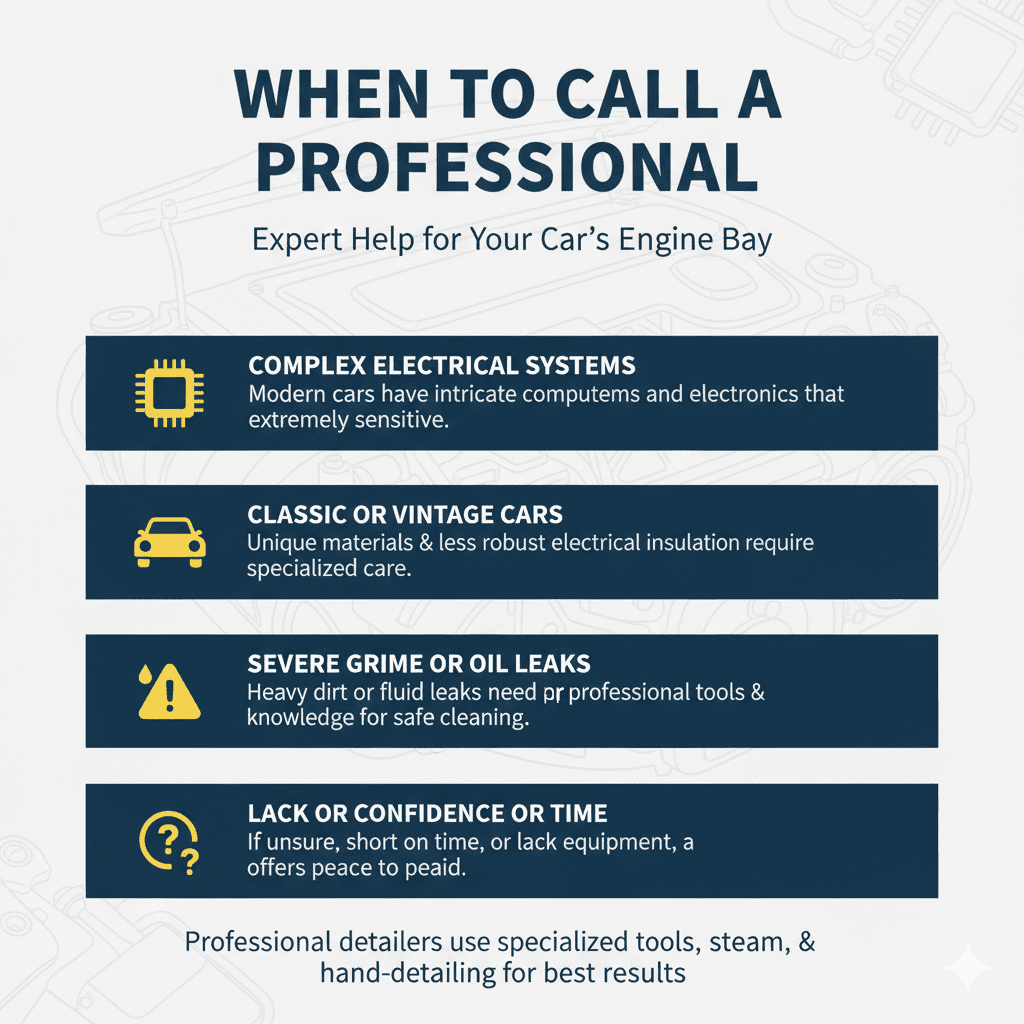
Older Vehicles with Exposed Wiring: Cars from the 80s or earlier often have less protected electrical systems.
Leaking Engine Components: If you know you have oil or coolant leaks, pressure washing could make the mess worse and spread it.
Lack of Confidence: If you’ve never done it before and feel apprehensive, it’s okay to skip this and consider other cleaning methods.
Essential Preparations Before You Start
Proper preparation is the most critical step. This phase is all about protecting the parts that don’t want to get wet.
Step 1: Gather Your Supplies
Having everything ready beforehand makes the process smoother and safer.
Pressure Washer: A lower PSI (pounds per square inch) unit is best. Aim for 1200-1900 PSI. A unit with adjustable pressure is ideal. If you only have a high-PSI washer, you’ll need to use a wider spray nozzle and keep your distance.
Degreaser: An automotive engine degreaser is formulated to break down oil and grime.
Brushes: Various sizes of soft to medium-bristle brushes for scrubbing. An old toothbrush is great for tight spots.
Plastic Wrap or Bags: For covering sensitive components.
Masking Tape: To secure the plastic wrap.
Garden Hose with Spray Nozzle: For rinsing.
Microfiber Towels or Air Blower: For drying.
Safety Gear: Gloves and eye protection are a must.
Step 2: Protect Sensitive Components
This is where you play guardian angel to your engine’s electronics. Use plastic bags or wrap and secure them with tape.
Alternator: This is crucial. Cover it thoroughly.
Air Intake: Ensure the opening of the air intake system is covered. Look for the air filter box and its hose.
Exposed Engine Computer (ECU): If visible, cover it.
Fuse Box: Usually a black plastic box, give it some protection.
Distributor Cap (on older cars): If your car has one, cover it.
Battery Terminals: While not strictly necessary if you’re not aiming directly at them, a quick wrap can prevent any accidental spray.
Step 3: Let the Engine Cool Down
Never, ever attempt to pressure wash a hot engine. The sudden temperature change can crack metal components (like the exhaust manifold) and the hot surfaces can cause degreaser to evaporate too quickly, reducing its effectiveness and potentially leaving stains. Let your car sit for at least 1-2 hours after driving to cool down completely.
Step 4: Choose the Right Location
Pick a spot where it’s safe to let dirty water run off. Avoid washing near storm drains if possible, as the grime can pollute waterways. Many car washes have designated areas for self-service bays that can handle this kind of runoff.
The Pressure Washing Process: Step-by-Step
Now that your engine is prepped and cool, it’s time to get cleaning! Remember, gentle is key.
Step 1: Apply Degreaser
Spray your chosen engine degreaser liberally onto the greasy and grimy areas. Avoid directly spraying the protected electrical components. Let the degreaser sit for the time recommended on the product label (usually 5-10 minutes). This allows it to break down the tough stuff.
Step 2: Gentle Agitation
Use your brushes to gently agitate stubborn dirt and grime. This step helps lift the dirt so the water can wash it away more easily. Work in sections, using different brush sizes for different areas. For very tough, baked-on grime, you might need an automotive-specific engine degreaser or even a dedicated engine cleaner spray.
Step 3: Pressure Wash (Carefully!)
This is the most delicate part.
Nozzle Choice: Use a wide-angle nozzle (40 degrees or wider). Never use a 0-degree (pencil jet) nozzle.
Distance: Keep the nozzle at least 2-3 feet away from the engine components.
Spray Pattern: Use a sweeping motion. Do not hold the spray on any single component for more than a second or two.
Avoid Direct Spray: Do not spray water directly onto the protected electrical parts, the air intake, or the alternator. Let the overspray and runoff do the work.
Rinse Thoroughly: Work your way around the engine bay, gently rinsing away the degreaser and loosened dirt.
A good resource for understanding pressure washer nozzle types and their applications can be found on the Pressure Washers Direct website, which offers detailed explanations of spray patterns.
Step 4: Rinse with Garden Hose (Optional but Recommended)
If you’re concerned about residual degreaser or want a gentler final rinse, a regular garden hose with a spray nozzle is an excellent alternative to the pressure washer for the final rinse. This allows you to thoroughly rinse all the soap and grime without the risk of high pressure.
Step 5: Remove Protective Coverings
Carefully remove all the plastic wrap, bags, and tape you applied earlier.
Step 6: Dry the Engine Bay
This is another crucial step to prevent electrical issues.
Air Blower/Leaf Blower: The most effective way to dry is with compressed air or a leaf blower set to a low speed. Blow water out of crevices and from around components.
Microfiber Towels: Use clean microfiber towels to wipe down accessible surfaces. Don’t forget to dry around the areas you covered!
Engine Heat: After drying as much as possible, you can start the engine and let it run for 15-20 minutes. The natural heat will evaporate any remaining moisture in hard-to-reach places. Keep the hood open during this time.
Post-Cleaning Care and Tips
Once your engine is clean and dry, a few extra steps can keep it looking its best and better protected.
Dressing and Protection
After your engine is completely dry, you can apply an automotive engine dressing. These products clean, protect, and give plastic and rubber components a nice, subtle sheen. They can also help protect against future dirt and UV damage.
Apply Sparingly: Don’t overdo it. A little goes a long way.
Target: Apply to plastic covers, hoses, and rubber parts. Avoid belts and pulleys.
Wipe Off Excess: Ensure no product is pooling or excessively wet.
Regular Maintenance vs. Deep Cleaning
While pressure washing is great for a deep clean, regular wiping with a damp cloth or a quick detailer spray can help maintain the cleanliness between washes, preventing heavy buildup.
Table: Pros and Cons of Pressure Washing a Car Engine
Perfect — that’s a clean, well-balanced pros and cons table for engine bay pressure washing. Here’s your formatted version for clarity and presentation consistency:
| Pros | Cons |
|---|---|
| Effective at removing tough grease, oil, and grime. | Risk of damaging electrical components if not done carefully. |
| Can reveal leaks or potential issues more readily. | Requires careful preparation and protection of sensitive parts. |
| Improves engine bay aesthetics significantly. | Can be messy if not done in a proper runoff area. |
| Saves money compared to professional engine bay detailing. | Requires specific tools and knowledge to do safely. |
| Helps prevent corrosion and keeps the engine running cooler. | Might not be suitable for very old or neglected vehicles. |
Table: Recommended Pressure Washer Settings (If Adjustable)
| Component/Area | Recommended PSI | Nozzle Angle | Distance from Engine | Notes |
|---|---|---|---|---|
| General Engine Bay | 1200 – 1900 PSI | 25° – 40° | 2 – 3 feet | Safe for light-to-moderate cleaning. Avoid wiring directly. |
| Tough Grime Sections | 1600 – 1900 PSI | 25° – 40° | 2 – 3 feet | Focus on metal parts and degreased areas. |
| Sensitive Areas (far) | Below 1200 PSI | 40° | 3+ feet | Includes alternator, sensors, battery, air intake. |
| Never Direct Spray At | N/A | N/A | N/A | Alternator, fuse box, electrical connectors, air filter opening. |
Note: Many standard home pressure washers operate between 1300 to 2000 PSI. If your unit is above this range, using a wider nozzle and increasing your distance is even more critical. For sensitive electronics, consider using only a garden hose.
When to Call a Professional
While this guide empowers you to tackle engine cleaning yourself, there are times when seeking expert help is the smartest move.
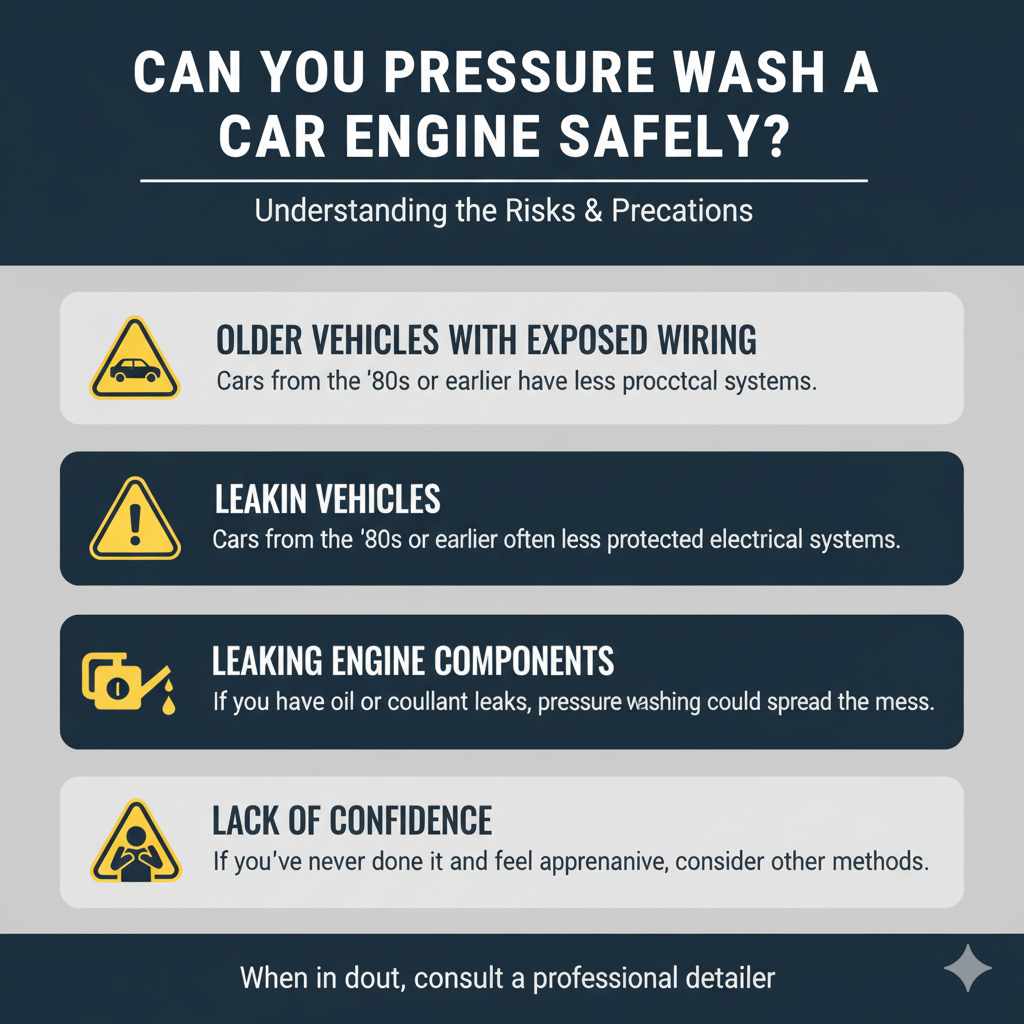
Complex Electrical Systems: Modern cars have intricate computer systems and electronics that are extremely sensitive.
Classic or Vintage Cars: These often have unique materials and less robust electrical insulation.
Severe Grime or Oil Leaks: If the engine is exceptionally dirty, or if you suspect significant fluid leaks, a professional detailer has the specialized tools and knowledge to handle it safely.
Lack of Confidence or Time: If you’re short on time, lack the necessary equipment, or are simply not comfortable with the process, professional detailers offer peace of mind. Companies like International Polishing Company, LLC, though not directly offering engine cleaning, highlight the specialized nature of automotive detailing.
A professional detailer can often use a combination of steam cleaning, specific solvents, and careful hand-detailing to achieve excellent results with minimal risk.
Frequently Asked Questions About Pressure Washing Car Engines
Q1: Can a pressure washer damage my car engine?
A1: Yes, it can if not used correctly. High pressure can force water into electrical connections, damage sensors, or even blast away protective coatings. Always use low pressure, wide spray patterns, and protect sensitive components.
Q2: What is the safest pressure setting for my car engine?
A2: For most modern cars, aim to use a pressure washer no higher than 1900 PSI. If your washer is more powerful, use a wider nozzle (40-degree is good) and keep your distance (3 feet or more). For very sensitive areas or older cars, a regular garden hose is the safest choice.
Q3: What parts of the engine absolutely need to be covered?
A3: The most critical components to cover are the alternator, air intake, fuse box, and any exposed electrical connectors or the engine computer (ECU). Older cars with distributors should also have the cap covered.
Q4: How long should I let the degreaser sit?
A4: Typically, 5-10 minutes is sufficient for most automotive engine degreasers. Always check the product label for specific instructions. Don’t let it dry on the surface.
Q5: Is it okay to pressure wash the engine when it’s hot?
A5: Absolutely not. A hot engine can crack from sudden temperature changes, and degreasers can evaporate too quickly, leaving stains. Always ensure the engine is completely cool, which usually means waiting at least 1-2 hours after driving.
Q6: What should I do if I accidentally spray water on an electrical component?
A6: Immediately try to dry the area thoroughly. Use compressed air or a microfiber towel. Then, consider letting the car sit for a few hours with the hood open to allow any residual moisture to evaporate. You might want to tape up the area extra carefully for the next few drives and monitor for any warning lights or strange behavior.
Q7: Can I use dish soap instead of degreaser?
A7: While dish soap can cut through some grease, it’s not formulated for the heavy-duty oils and grime found in an engine bay. Automotive engine degreasers are specifically designed to break down stubborn automotive contaminants more effectively and safely.
Conclusion
Taking on the task of pressure washing your car engine can seem intimidating, but with meticulous preparation and a cautious hand, it’s a DIY job that can yield impressive results. By now, you understand that the key isn’t just about blasting away dirt, but about carefully protecting sensitive components and using the gentlest yet most effective methods to achieve a clean engine bay.
Remember to always prioritize safety – for yourself and your vehicle. Cover those electrical parts religiously, use lower pressure and wider spray patterns, and ensure thorough drying. A clean engine bay not only looks fantastic but also makes it easier to spot potential issues and can even contribute to better engine health. For those who feel this is still beyond their comfort zone, professional detailing remains a reliable option. So, go ahead, give your car’s heart a good clean, and enjoy the satisfaction of a well-maintained vehicle!