Is Red Positive or Negative on a Car Battery? Color Guide
Red is always positive and black is always negative on a car battery — a color-coding standard used industry-wide, unlike the ground polarity itself, which some British cars ran in reverse (positive-ground) until the mid-1960s. Connecting cables to the wrong terminal can blow a fuse or fry your alternator instantly. This guide covers the color code, why red means positive, and how to identify terminals when markings are worn.
Quick Answer
Red is positive and black is negative on every modern car battery — an industry-wide standard so consistent that a “+” or “-” is also stamped on the post itself as backup. If the colored caps are missing, the positive terminal is the larger of the two posts and the negative one runs a cable straight to bare metal on the frame.

Car Battery Basics
A car battery has multiple internal parts working together. The battery case holds everything together and protects the plates inside — some positive, some negative — which sit in groups soaked in electrolyte to generate power.
Terminals are on top of the battery and connect it to the car’s electrical system. There are two terminals: one red, one black. Red means positive; black means negative. Wrong connections can damage the battery or the car’s electronics, so always check the terminals are tight and corrosion-free before connecting anything.
Understanding Battery Polarity
The positive terminal sends power out to the starter and electrical system; the negative terminal returns it to complete the circuit through the vehicle’s chassis. Both connections are essential for the car to run.
Connecting the battery incorrectly can prevent the engine from starting or cause a short circuit in onboard electronics. Always match red to red and black to black, and double-check before starting the engine.
Identifying Terminal Colors
The red terminal on a car battery is the positive terminal — a standard across virtually every modern vehicle. Connecting cables to the correct terminal prevents dangerous wrong connections and keeps both the battery and the car’s electronics safe.
Color coding makes this simple to remember: red is almost always positive, and black (occasionally blue on some aftermarket setups) is negative. Always check the battery’s stamped markings too, since paint and caps can fade or fall off over time.
How to Identify Terminals When Colors Are Faded or Worn
Color alone is not the only way to tell terminals apart — useful when paint has faded or corrosion has covered the markings. The positive terminal is physically larger, measuring around 19.5mm across compared to about 17.5mm for the negative terminal, so cable clamps for each size will not fit the wrong post. Most batteries also stamp a raised “+” next to the positive post and a “-” next to the negative one, even when the colored caps are missing.
The negative terminal has one more identifying feature: a thick black cable running from it directly to the engine block or chassis frame, since the negative side serves as the electrical ground for the entire vehicle. If you trace a cable to bare metal on the frame, that terminal is negative — no color check needed.
Common Misconceptions
Many people think red means negative on a car battery — this is a common myth. Red is always the positive terminal; black is the negative. Always verify these colors before jumping a car.
Connecting cables incorrectly can cause sparks, damage electronics, or in rare cases start a fire near the battery. Always connect red to red and black to black, and wear gloves and eye protection for extra safety.
📊 The positive terminal on a standard car battery measures approximately 19.5mm in diameter versus 17.5mm for the negative terminal — a physical size difference (SAE post standard) that prevents cable clamps from being fitted to the wrong post even if color markings have worn away. Source: AutoZone, 2026
Practical Tips For Battery Maintenance
Always make sure the terminal connections are tight — loose connections cause hard-starting problems. Use a wrench to tighten them, check for rust or dirt, and clean corroded terminals with a dedicated wire brush tool. Ensure the red cable goes to the positive terminal and the black cable connects to the negative before double-checking both.
Never connect the wrong cables — this can damage the battery or start a fire, since batteries emit flammable hydrogen gas. Always wear gloves and eye protection, and keep metal objects and smoking materials away from the battery while working. See our guide on why car battery terminals keep corroding if buildup is a recurring problem.
“Red is used for positive for the same reason it’s used on warning labels — it signals current that can spark or short if it touches bare metal. In our shop, the fastest way we double-check an unmarked battery is tracing the black cable back to the frame; if it lands on bare metal, that’s your negative every time.”
— The Daily Automotive
Best Terminal Cleaning Kit Pick

Battery Terminal Cleaner Tool Kit (2-Pack)
A dual-wire-brush design that scrubs corrosion off both terminal posts and clamp interiors in one pass, restoring the clean metal contact color coding relies on.
- Best for: removing corrosion that hides terminal markings and colors
- Why we picked it: directly solves the “colors are faded” identification problem this guide covers
- Main drawback: wire bristles wear down after repeated heavy-corrosion use
Compare more battery terminal ID and maintenance options
 Option 1 AstroAI Digital Multimeter
|
 Option 2 CRC Battery Terminal Protector
|
 Option 3 Anti-Corrosion Terminal Washers
|
As an Amazon Associate we earn from qualifying purchases.
Expert Advice On Battery Handling
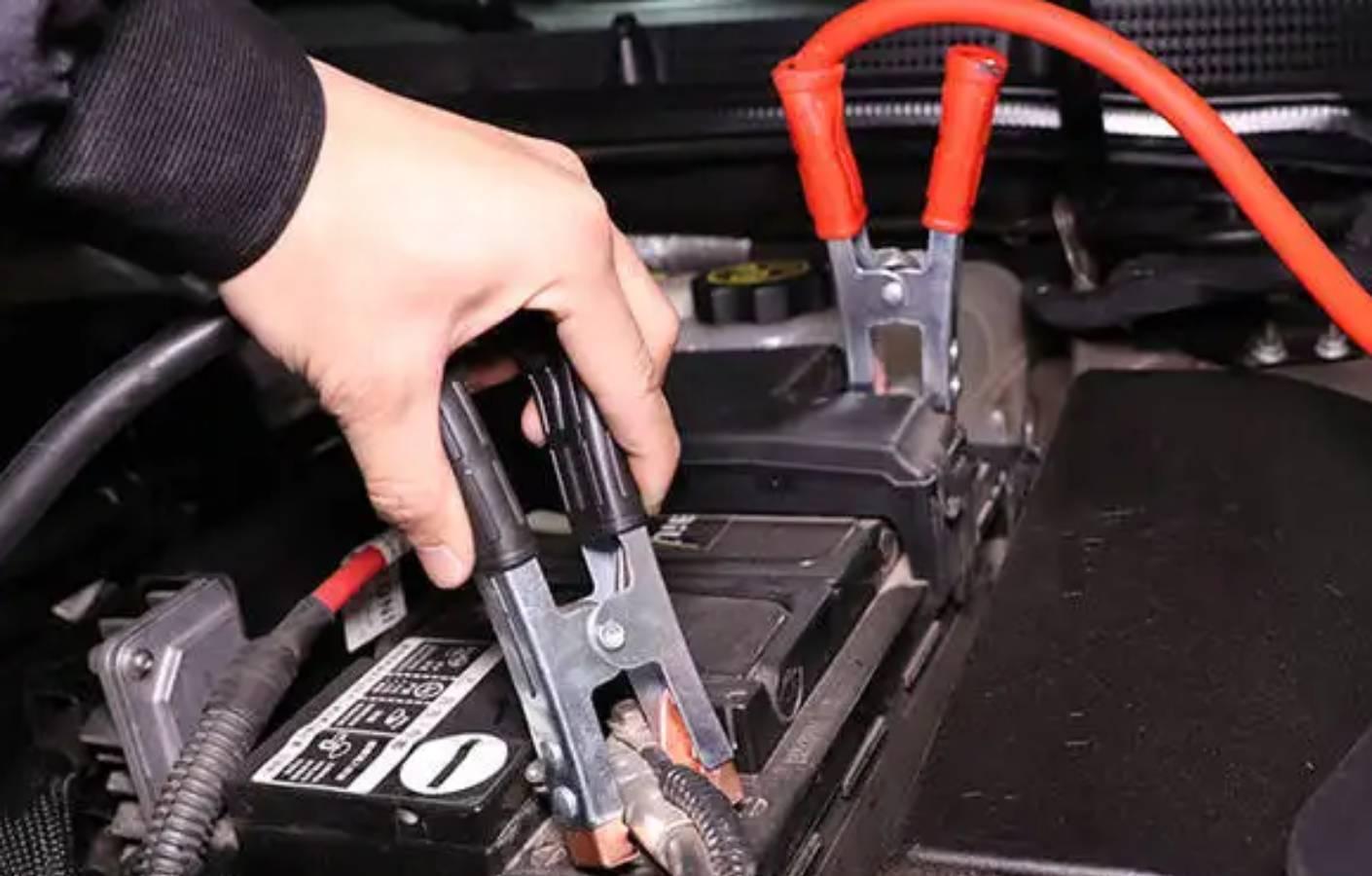
Red means positive on car batteries — always connect the red cable first to avoid sparks, then connect black last. Doing it in the wrong order can damage the car’s electronics. Check twice before connecting, and always wear gloves when handling batteries, since they’re heavy and contain corrosive acid.
Use the right tools, inspect batteries regularly to catch corrosion early, and store spare batteries somewhere cool and dry — heat shortens battery life significantly. A basic battery maintenance kit covers most of these tasks in one purchase, and a quick battery health check takes under five minutes.
Frequently Asked Questions
Why is red used for the positive terminal instead of some other color?
Red is used because it universally signals danger and high current, warning anyone working on the battery to handle that terminal with care. The positive post carries the risk of sparking or shorting if it contacts bare metal, so red draws attention to it the same way it does on warning labels and safety equipment.
Is red ever the negative terminal on any vehicle?
No. The red-positive, black-negative color code has been the automotive industry standard for decades and applies to every modern car, jumper cable set, and battery charger. What has varied historically is ground polarity — some older British cars ran positive-ground electrical systems until the mid-1960s — but the red cable itself still marked the positive post.
Do you connect red or black first when jumping a car battery?
Connect the red (positive) cable first, then the black (negative) cable last — and reverse that order when disconnecting, removing black first. For the full step-by-step jumper cable sequence and why the order matters, see our complete guide to which terminal to connect first.
What happens if you connect the cables backward?
Reversed polarity can blow a main fuse, damage the alternator, or fry the car’s onboard computer (ECU) almost instantly. Sparks at the terminal are also a fire risk near a battery, which vents flammable hydrogen gas. If you’re unsure which post is which, use the terminal-size or ground-trace method above before connecting anything.
Can I tell positive from negative if the terminal caps are missing?
Yes. Look for a raised “+” or “-” symbol stamped into the post itself, compare post size (positive is larger, about 19.5mm vs 17.5mm), or trace the cable — the negative cable runs to the engine block or chassis frame as the vehicle’s ground.
Conclusion
Red is positive, black is negative — a color code so consistent across the industry that it doubles as a safety warning system. When colors fade or markings wear off, the terminal-size difference and the ground-cable trace method give you a reliable backup. Double-check before every connection — getting it backward risks a blown fuse or a fried alternator, while getting it right takes only a few extra seconds.
Products related to this article
Sponsored / affiliate links. As an Amazon Associate I earn from qualifying purchases. I may earn additional commission from eligible campaigns.