Is White a Good Car Color? What the Safety & Resale Data Show
White is one of the safest and coolest-running car colors — Monash University crash research found a 12% lower daytime crash risk than black, and Berkeley Lab testing shows white cabins run 9-11°F cooler in full sun. The catch: iSeeCars data shows white actually depreciates faster than rarer colors, about 32% over three years, because it’s so common. This guide covers the real pros, cons, paint types, and how white compares to other colors.
Quick Answer
White is a strong, safe choice — Monash University research shows white cars have a 12% lower crash risk than black, and solid white paint is typically the cheapest, easiest-to-repair option. The main downsides are visible organic stains (bird droppings, tree sap) and slightly faster depreciation than rare colors, since white is the world’s most common car color.
Advantages of a White Vehicle
White cars have many benefits that make them a popular choice. They can be a practical option for various reasons. From its ability to hide certain types of imperfections to its impact on a car’s temperature, white cars have several plus points. We’ll discuss these in more detail, exploring why white is a frequently chosen color.
Heat Reflectance and Temperature Management
One of the biggest advantages of a white car is its ability to reflect sunlight. This is because white surfaces don’t absorb as much heat as darker colors. When sunlight hits a white car, most of the light waves bounce off, keeping the car’s interior cooler. In contrast, dark-colored cars absorb a lot of sunlight, converting it into heat that warms the cabin. This temperature difference can impact your comfort and the need for air conditioning.
This is related to the concept of albedo, which measures how well a surface reflects light. White has a high albedo, meaning it reflects a large portion of the light. Dark colors, with low albedo, absorb more light. Consequently, white cars help lower the amount of solar heat gain inside the vehicle. This means you might find your car is more comfortable on hot days and reduces your need to use air conditioning.
- Reduced Interior Temperature: White cars often have a cooler interior, making the driving experience more comfortable.
- Less Air Conditioning Use: A cooler cabin means less need for air conditioning, saving fuel and energy.
- Good for All Climates: While especially beneficial in sunny regions, the heat-reflecting ability is also useful in areas with any sunlight.
This difference in heat absorption is measurable, not just anecdotal. Lawrence Berkeley National Laboratory tested two identical Honda Civic sedans in Sacramento — one silver, one black. At peak sun exposure, the black car’s roof ran up to 45°F hotter than the silver car’s, and its cabin air stayed 9 to 11°F warmer even after the air conditioning kicked in. That gap also affects interior components: the dashboard, seats, and trim in darker cars absorb more heat and UV over time, which can accelerate cracking and fading. If you’re curious how much hotter a black car actually runs, we’ve broken down the surface temperature data separately.
📊 A black car’s roof can run 45°F hotter than a silver car’s in direct sun, and its cabin needs about 13% more air conditioning capacity to reach the same temperature. — Source: Lawrence Berkeley National Laboratory, Heat Island Group
"Solar reflective paints can decrease the ‘soak’ temperature of the air in a car that has been parked in the sun. This could improve the vehicle’s fuel economy by letting the manufacturer install a smaller air conditioner that draws less power from the engine."
Does a White Car Help with Fuel Economy or EV Range?
A white or light-colored shell can give a very small real-world efficiency edge, mainly because a cooler cabin needs less air conditioning to reach a comfortable temperature. Berkeley Lab’s modeling found that switching from a black shell to a white or silver one could cut the air conditioner’s required capacity by roughly 13%, which translated to an estimated 1-2% improvement in fuel economy on gasoline cars. For electric vehicles, the effect can matter more: running the AC compressor draws directly from the battery instead of waste engine heat, so a cooler-running white EV needs less battery power for climate control on hot days, which can modestly extend real-world range. This isn’t a reason by itself to choose white, but it’s a genuine, if small, advantage for hot-climate and EV owners.
Concealing Dirt and Scratches
White cars are surprisingly good at hiding minor imperfections. Dirt and dust are less visible on white compared to darker colors like black or dark blue. This can save you trips to the car wash and make your car look cleaner for longer. Small scratches and swirl marks are also harder to spot on a white surface. This doesn’t mean white cars are immune to showing wear, but they can maintain a cleaner appearance with less effort.
The way light interacts with the car’s surface is key. Scratches are less noticeable on white because they reflect light similarly to the surrounding surface. Darker colors, on the other hand, show scratches because they create a contrast that highlights the damage. The result is that white cars can look better for longer, especially if you have a busy lifestyle. You can often get away with washing a white car less often, without it looking obviously dirty.
- Less Visible Dirt: Dirt and dust are less obvious on white, keeping your car looking clean.
- Hiding Minor Scratches: Small scratches blend in better, improving the car’s overall appearance.
- Less Frequent Washing: You can wash your car less often and still maintain a clean appearance.
Consider the daily exposure your car gets. If you often drive on dusty roads or park outside where environmental conditions are a factor, the ability of white to mask dirt is a substantial benefit. A well-maintained white car can appear cleaner for a longer time compared to cars of other colors that require frequent cleaning to maintain their appearance. This aspect is especially important for those with less time for regular car care.
Safety and Visibility
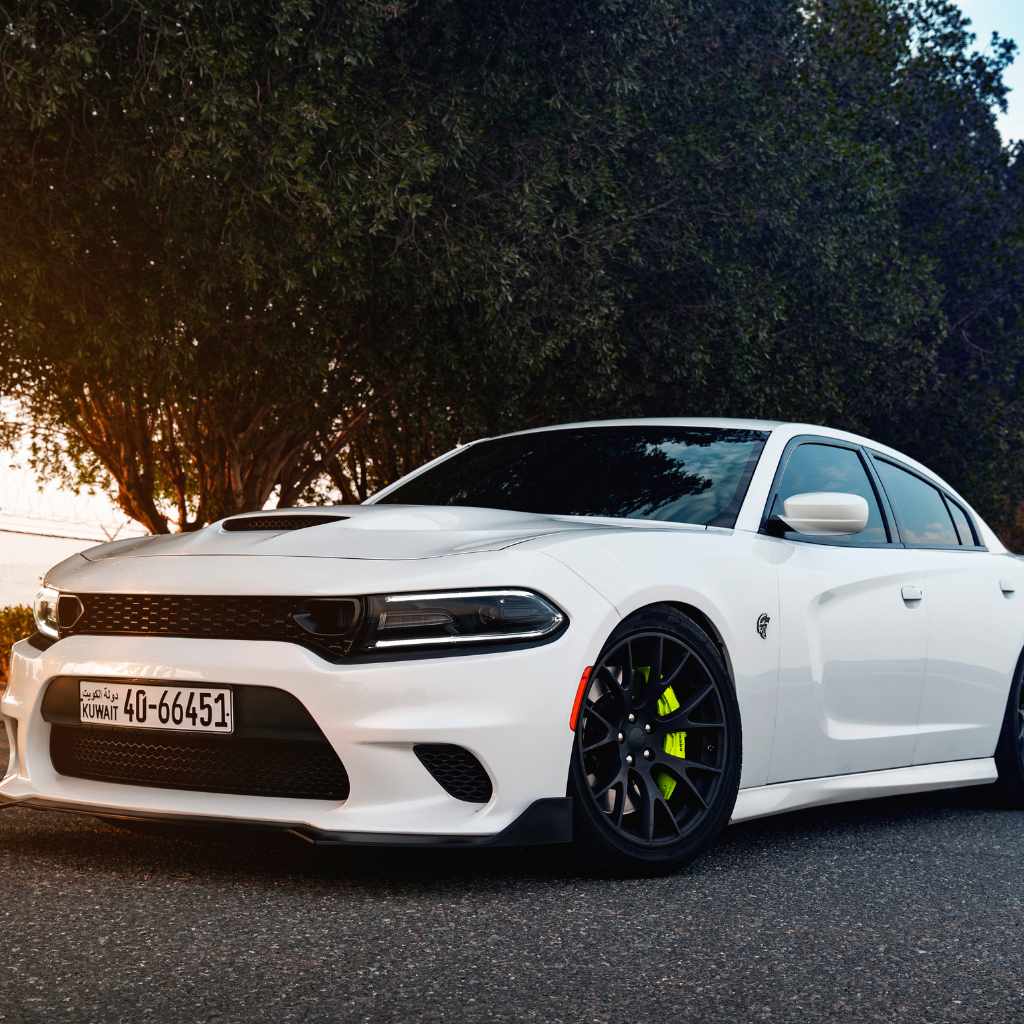
White is a highly visible color. White cars stand out in various lighting conditions, making them more noticeable to other drivers. This enhanced visibility is a safety advantage, reducing the likelihood of accidents. This is particularly important at dawn and dusk, or in conditions with low visibility, like fog or heavy rain. The color’s ability to reflect light makes it easier for other vehicles to spot your car, potentially preventing accidents.
Visibility impacts how quickly other drivers perceive and react to your vehicle. High visibility colors like white contrast well with the road and surroundings. This contrast helps drivers recognize your car sooner, thus reducing the reaction time needed to take preventative measures. It’s also crucial at night, where proper headlights can reflect off white surfaces, making the car more prominent on the road.
- Increased Visibility: White cars are highly noticeable, enhancing safety.
- Reduced Accident Risk: Better visibility helps other drivers see you, which lowers accident chances.
- Optimal in Various Conditions: Useful in many lighting situations, including low-light environments.
The most detailed research on this comes from the Monash University Accident Research Centre, which analyzed police-reported crash data across Victoria and Western Australia. Compared with white vehicles, black cars carried a 12% higher crash risk, grey cars 11%, silver 10%, and blue or red 7% — with the gap widening during daylight hours specifically, when visibility differences matter most. Safety is often a key aspect for those considering which car color to purchase. Being more visible is also helpful for people who are newer drivers or if you frequently drive during peak traffic hours.
📊 Black cars carry a 12% higher crash risk than white cars, and grey cars 11% higher, according to an analysis of police-reported crashes in Victoria and Western Australia. — Source: Monash University Accident Research Centre, 2007
Drawbacks of a White Vehicle
While white cars come with significant advantages, there are some potential downsides to consider before choosing this color. From showing certain types of stains to possible aesthetic issues, understanding these factors helps provide a complete picture. We’ll explore the issues that may arise with a white car.
Showing Certain Stains and Discoloration
Despite its ability to hide dirt, white can show certain types of stains. Things like tree sap, bird droppings, and industrial fallout can be more visible on a white surface. The contrast between these dark-colored contaminants and the white paint can make them stand out. Prolonged exposure to such elements can even cause discoloration or staining that is difficult to remove. This means regular cleaning and prompt attention to spills are essential to maintain the car’s appearance.
White paint is not immune to damage. The porous nature of car paint allows substances to penetrate the surface over time. Unlike general dirt that can be wiped off, stains from organic matter can become permanent if not treated quickly. The acidity in bird droppings, for example, can eat into the clear coat and paint, leaving lasting marks. Also, contaminants can react with the paint’s pigments, resulting in discoloration. This may be difficult or costly to repair.
- Visible Stains: Dark-colored stains like tree sap are more noticeable on white.
- Potential Discoloration: Prolonged exposure to contaminants can lead to staining.
- Requires Prompt Cleaning: Regular cleaning to prevent stains from setting in.
Here’s a real-world example: A car parked under a tree will likely experience tree sap stains over time. The sap will be obvious, requiring immediate cleaning to prevent it from permanently damaging the paint. Regular cleaning, using a suitable car wash and potentially specialized cleaners, is crucial to manage this problem. If left untreated, the car can develop unsightly streaks or spots that impact its overall look and value.
Yellowing and Oxidation Concerns
Over time, white car paint can yellow or become oxidized, especially in environments with high sun exposure. Oxidation occurs when the paint’s surface reacts with sunlight and the environment, leading to a faded, dull appearance. This is more of a concern with older cars or vehicles exposed to the elements. While modern paints are more resistant, yellowing can still happen. Regular care, including waxing and protection from UV rays, is necessary.
The ultraviolet (UV) rays from sunlight are the main cause of paint oxidation. They break down the chemical bonds in the paint, causing the color to fade and the surface to look dull. Yellowing is a form of this, where the white pigment gradually degrades, resulting in a yellow tint. The process is accelerated by exposure to direct sunlight. The degree of this varies. The quality of the paint, climate conditions, and how the car is maintained determine how fast this happens.
- Fading: Long-term sun exposure can lead to fading and loss of color.
- Yellowing: White paint can gradually develop a yellowish tint over time.
- Oxidation: Paint becomes dull and less reflective, requiring attention and care.
A good example of this is a car parked outdoors without any protection. The sun will eventually cause the white paint to fade and yellow. Regular waxing and the use of UV protectants can significantly slow down this process. Without these protections, the car’s appearance will decline and its value may decrease, as the paint’s condition directly impacts the overall value and aesthetics of a vehicle. Keeping your car clean and well-protected is key to preventing these issues.
Best White Car Paint Care Pick
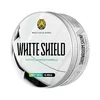
WEICA White Car Wax – Anti-Yellowing + UV Defense
A wax formulated specifically for white and light-colored paint, built to fight the UV-driven yellowing and oxidation covered above.
- Best for: Preventing yellowing and restoring gloss on faded white paint
- Why we picked it: Anti-yellowing formula plus UV defense addresses the exact oxidation issue this article covers
- Main drawback: Needs reapplication every few months in high-UV climates
Compare more white car care options
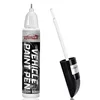 Option 1 White Car Paint Touch Up Pen – Color Accurate Scratch Repair
|
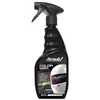 Option 2 Formula 1 Color Wax Spray for White Cars
|
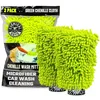 Option 3 Chemical Guys Chenille Microfiber Wash Mitt (2 Pack)
|
As an Amazon Associate we earn from qualifying purchases.
Resale Value Considerations
Resale value is where white’s popularity actually works against it. An iSeeCars analysis of more than 1.2 million three-year-old used vehicles found that white cars depreciate about 32.1% over three years — slightly worse than the 31% average across all colors, and almost identical to black at roughly 31.9%. The reason isn’t the paint itself; it’s supply and demand. Because white and black are so common, buyers can easily shop around for the same color at a lower price from a different seller, which pushes resale values down for everyone.
📊 White vehicles depreciated about 32.1% over three years in an iSeeCars study of 1.2 million used cars, worse than the 31% all-color average and well behind yellow (24.0%) and orange (24.4%), the two best-performing colors. — Source: iSeeCars Car Color Study
The type of white and the paint’s condition still matter at the margins. The specific type of white – such as metallic white or pearl white – can influence the car’s worth, and a well-maintained white car in good condition will always outsell a neglected one of the same color. But no amount of care changes the underlying math: white simply has more competing inventory than a rare color does.
- Market Trends: Rare colors like yellow and orange often resell better precisely because there’s less competing inventory.
- Paint Condition: Yellowing or fading paint can push an already-average depreciation rate even lower.
- Care: Protecting and maintaining the paint helps preserve whatever resale value white paint does hold.
The Uniqueness Problem: White Cars Are Everywhere
White isn’t just popular — it dominates. Axalta’s 73rd Global Automotive Color Popularity Report found white accounts for 29% of new vehicles built worldwide, and more than 31% in North America (Source: Axalta 73rd Global Automotive Colour Popularity Report, 2025). That scale is part of why white struggles on resale: when nearly one in three cars on a used lot is white, a buyer has no reason to pay a premium for yours specifically. If standing out matters to you as much as practicality, a less common color may hold its value better, even though white still wins on safety and heat performance.
Types of White Car Paint
There are multiple varieties of white car paint. Understanding the differences between these types can affect the car’s appearance and maintenance. From basic solid white to more complex options like pearl or metallic, each has distinct features. We’ll explore various white paint types and their properties.
Solid White
Solid white is the most basic and typically the most affordable white car paint option. It’s a single-layer paint that offers a clean, classic look. Solid white is easy to repair. It is a good choice for those who value simplicity and cost-effectiveness. It usually lacks the sparkle or depth of other paint types, and may be less effective at hiding minor imperfections. However, solid white remains a popular and reliable choice.
Solid white consists of a single coat of paint. It does not include metallic flakes or pearlescent pigments. The simplicity of the paint makes it easy to repair. Simple touch-ups are often easier to blend. This type of paint can be more prone to showing scratches or chips than those with multiple layers. The advantage, though, is the lower cost. This makes it an appealing choice for budget-conscious buyers.
- Simple Composition: A single layer, making it easy to apply and repair.
- Cost-Effective: Generally more affordable than other paint options.
- Classic Look: Offers a clean, straightforward appearance.
In practice, a solid white car is easy to maintain with regular washing and waxing. However, if the car gets a scratch, it’s typically simple to repair with a paint pen or touch-up. This simplicity extends to the overall maintenance routine. Solid white is often the base paint available on entry-level models. It is a suitable option for drivers who want a clean, classic look without spending extra on more complex paints.
Metallic White
Metallic white paint has small metallic flakes mixed into the paint. These flakes reflect light, giving the car a shimmering, sparkling appearance, especially in sunlight. Metallic white offers a more luxurious look than solid white. It often has a deeper, richer finish. The addition of the metallic flakes can make it more resistant to scratches and chips. It’s a step up in terms of aesthetic appeal.
The metallic flakes are usually made of aluminum or other reflective materials. They are mixed into the paint base. As light hits the car, these flakes cause the paint to appear to shift and change color depending on the angle of view. Metallic paints usually need multiple layers and a clear coat to protect them, enhancing their durability. The paint’s depth helps it hide minor imperfections better than solid white. However, metallic paints may cost more.
- Shimmering Effect: Metallic flakes add a sparkling appearance.
- Deeper Finish: The paint often looks more luxurious and complex.
- Increased Durability: The paint resists scratches and chips more.
Imagine a sunny day when a metallic white car glitters as it drives down the street. The light plays off the metallic flakes, making the car visually appealing. Also, the added layers offer better protection against the elements, which makes the paint last longer. The enhanced appearance and durability of metallic white make it a strong choice. It’s ideal for drivers looking for a premium aesthetic and an extra layer of defense against minor damage.
Pearl White
Pearl white paint contains ceramic crystals or mica flakes. These create a lustrous, iridescent effect, giving the car a rich, multi-layered look. Pearl white often appears to change colors under different lighting conditions. This makes it a popular choice for those who want a premium, eye-catching finish. This paint type is generally the most expensive. Also, it may be more difficult to match during repairs.
The special pigments in pearl white reflect light in multiple directions, leading to the iridescent effect. This paint usually consists of several layers, including a base coat, pearl coat, and clear coat. Each layer provides depth and enhances the color shifts. Pearl white is typically a more complex and expensive option compared to solid or metallic paints. This complex composition requires extra skill to apply during the manufacturing process and repairs.
- Iridescent Effect: Provides a rich, multi-layered look that can change.
- Premium Look: Highly appealing with a distinctive, luxurious appearance.
- Advanced Composition: The most complex and expensive paint type.
Consider a pearl white car parked under streetlights at night. The colors will shimmer and shift as the light moves, giving it a captivating visual effect. Although it can be more challenging to match, the extra cost is worthwhile for drivers seeking a luxurious and unique look. The sophisticated finish and depth of color makes pearl white an excellent option for car owners who value aesthetics and distinctive styling.
Car Color Comparison Table
The table compares car colors to help decide whether white is the right choice for you. It includes pros, cons, and other relevant details about different car colors.
| Feature | White | Black | Silver | Red |
|---|---|---|---|---|
| Visibility | High | Low | Medium | Medium |
| Heat Absorption | Low | High | Medium | Medium |
| Dirt Visibility | Medium | High | Low | Medium |
| Scratch Visibility | Low | High | Low | Medium |
| Resale Value | Good | Good | Good | Variable |
| Maintenance | Moderate | High | Low | Moderate |
Frequently Asked Questions
Is white car paint difficult to maintain?
No, but it needs prompt attention to specific spots. White cars require regular cleaning to remove stains like tree sap and bird droppings before they set, especially compared to colors like silver or gray. Everyday dust and dirt, on the other hand, are actually less visible on white than on darker colors.
Does white car paint fade easily?
White paint can fade or yellow over time, particularly under direct sunlight, as UV rays break down the paint’s chemical bonds. Regular waxing and UV protectants help slow down this process significantly, and modern clear-coat finishes resist it better than older paint jobs.
Are white cars safer than other colors?
Yes. A Monash University Accident Research Centre analysis of police-reported crashes found white vehicles have a 12% lower crash risk than black cars, 11% lower than grey, and 10% lower than silver. White’s high visibility, especially at dawn, dusk, and in low light, helps other drivers spot and react to it sooner.
What’s the difference between solid white, metallic white, and pearl white?
Solid white is a single-layer base color with no additives. Metallic white has tiny reflective flakes mixed in for a shimmer effect, while pearl white uses ceramic or mica pigments for an iridescent, multi-layered look. Each step up typically costs more and is harder to color-match during repairs.
Does white car color affect resale value?
Yes, and not necessarily in white’s favor. An iSeeCars study of 1.2 million used vehicles found white cars depreciate about 32.1% over three years, slightly worse than the 31% all-color average, because so many white cars compete for the same buyers. The condition of the paint and any yellowing still affect the price you’ll get.
Why is white the most popular car color?
White has been the world’s top-selling car color since 2011, and Axalta’s latest Global Automotive Color Popularity Report puts it at 29% of new vehicles built worldwide. It’s popular because it’s neutral, hides certain flaws well, reflects heat, and appeals to the broadest range of buyers when it’s time to resell.
Does a white car really help with fuel economy or EV range?
Only slightly. Berkeley Lab research found that a lighter-colored shell can reduce the air conditioner’s required cooling capacity by about 13%, which translates to roughly a 1-2% fuel economy gain on gasoline cars and a modest range benefit on EVs, since less battery power goes to climate control on hot days.
Final Thoughts
The data makes the trade-off clear: white genuinely wins on safety (12% lower crash risk than black, per Monash University) and heat management (9-11°F cooler cabins, per Berkeley Lab), and it’s the easiest, cheapest paint to repair. It loses on resale value and individuality, since roughly 3 in 10 new cars built worldwide are already white, which pushes used-market prices down. Stains and yellowing are manageable with routine care but do require more attention than they would on a mid-tone color like silver.
Before making a decision, weigh your priorities: safety and low running costs, or standing out and stronger resale value. White is an excellent choice if you live in a sunny climate, drive a lot at dawn or dusk, and want a car that’s simple and inexpensive to keep looking clean. If you’re planning to sell in a few years and want to maximize value, a rarer color may serve you better, even with white’s real advantages in comfort and visibility.
Products related to this article
Sponsored / affiliate links. As an Amazon Associate I earn from qualifying purchases. I may earn additional commission from eligible campaigns.