P0521 Chevy Silverado: Real Causes, Diagnosis, and Fixes
You’re driving your Silverado and the oil pressure gauge starts dancing. Then the check engine light pops on. You scan it and get P0521. The code alone won’t tell you if it’s a cheap sensor or a serious engine problem. That uncertainty is the worst part.
This guide walks through what P0521 actually means, how to test the sensor and wiring yourself, and when the problem goes deeper than a faulty part. You’ll learn the differences between older AFM-equipped 5.3L engines and the newer 2026+ models, because they fail in different ways.

Dorman
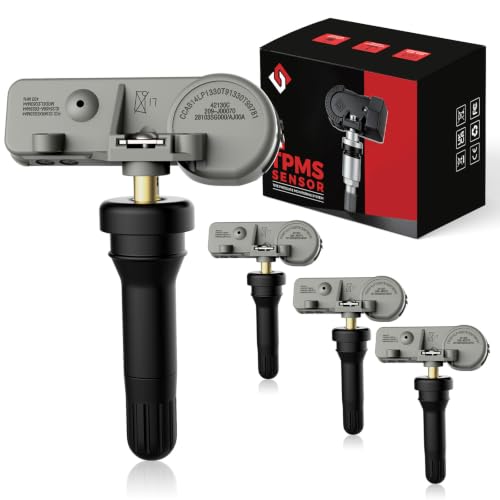
Dorman 926-188 Engine Oil Pressure Sensor
- Direct replacement - this engine oil pressure sensor is designed to match the fit and function of an original sensor on specified…
- Ideal solution - engineered to help accurately monitor oil pressure when an original sensor has failed from heat or internal compo…
- Durable construction - designed and manufactured to strict specifications for reliable performance
By the end, you’ll know exactly what to check first, what a mechanic will charge, and whether it’s safe to keep driving. No guesswork.
If you’ve confirmed the sensor is bad, the Dorman 926-188 Engine Oil Pressure Sensor is a direct replacement built to match the original fit and function. It’s engineered to handle the heat that kills factory sensors and comes backed by a century of automotive experience. Worth having on hand before you start the job.
What Does P0521 Mean on a Chevy Silverado?
P0521 is a diagnostic trouble code (DTC) that reads “Engine Oil Pressure Sensor/Switch Circuit Range/Performance.” The powertrain control module (PCM) sees a signal from the oil pressure sensor that’s outside the expected range for the current engine speed and temperature.
Here’s the key distinction: P0521 is not the same as P0520 (circuit malfunction) or P0522 (low voltage). P0521 means the sensor is working, but the reading doesn’t make sense. The signal might be stuck, erratic, or reading pressure when the engine is off. It’s a performance issue, not a complete electrical failure.
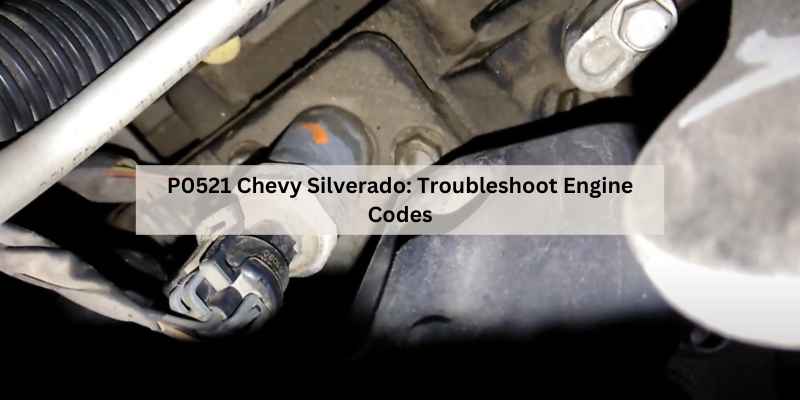
On a 2026-2026 Silverado with the 5.3L V8, the sensor sits on the top rear of the engine block, just behind the intake manifold. It’s a three-wire unit with a gray connector. The 2026+ models use a similar sensor but with a different connector shape and location, often tucked lower on the block near the oil filter housing. Getting to it on the newer trucks usually means removing the intake duct and maybe the wiper cowl.
P0521 Symptoms: What You’ll Notice
The symptoms vary depending on whether the sensor is lying or the engine actually has low pressure.
- Check engine light with P0521 stored
- Oil pressure gauge reads zero or pegs high while the engine runs normally
- Gauge fluctuates wildly at idle or under load
- Engine runs rough or misfires if the PCM reduces fuel injection to protect the engine
- Lifter noise on AFM-equipped engines (a rhythmic tapping that gets faster with RPM)
- Oil pressure warning message on the DIC display on newer models
Here’s the tricky part. A failing sensor often reads low pressure when the engine actually has plenty. The PCM sees a low reading and may trigger a limp mode or cut fuel to cylinders. That causes a noticeable misfire even though the engine is perfectly healthy. Don’t assume the worst until you verify with a mechanical gauge.
Root Causes of P0521 (Not Just the Sensor)
Most people replace the sensor and call it done. Sometimes that works. Often it doesn’t. Here are the real culprits, ranked by how often they show up.
The Oil Pressure Sensor Itself
The sensor is a piezoelectric transducer. Heat and vibration kill them. On the 5.3L V8, the sensor sits close to the exhaust manifold, so it cooks. Internal components degrade, and the signal drifts out of range. This is the most common cause, especially on trucks over 100,000 miles.
Wiring and Connector Issues
The three wires from the sensor to the PCM carry a 5-volt reference, ground, and signal. A chafed wire shorting to ground will drop the signal to zero. A broken wire inside the insulation creates an intermittent connection that only fails when the engine moves on its mounts. Corrosion in the connector pins is common on trucks that see road salt.
AFM/DFM Engine Problems
Active Fuel Management (AFM) on 2026-2026 trucks and Dynamic Fuel Management (DFM) on 2026+ models shut down cylinders to save fuel. The lifters that collapse can fail internally, causing oil to bypass the lifter bore. That drops oil pressure and can trigger P0521 before you hear any lifter noise. AFM engines also burn oil at higher rates, which leads to low oil level and low pressure.
Low Oil Pressure from Wear or Sludge
High mileage engines with worn main bearings or cam bearings lose oil pressure as the clearances open up. Sludge from missed oil changes blocks the pickup screen and restricts flow. A clogged oil filter or the wrong oil viscosity can also drop pressure enough to set P0521. This is the worst-case scenario because it means internal engine work.
How to Diagnose P0521 Step-by-Step
Don’t throw parts at this. Follow the sequence below and you’ll know exactly where the problem lives.
Check Oil Level and Condition
Park on level ground, wait 10 minutes after the engine shuts off, and pull the dipstick. The level should be between the marks. Wipe the dipstick on a white paper towel and look for metal flakes or a burnt smell. If the oil looks like honey, it’s fine. If it looks like black tar or has a gritty texture, that’s a problem.
On AFM engines, check the oil every 1,000 miles. These engines are known to consume oil between changes, and running a quart low can set P0521.
Manual Oil Pressure Test (Mechanical Gauge)
This is the only way to know if the engine actually has proper oil pressure. You need a manual oil pressure test kit with a gauge and a hose.
- Locate the oil pressure sensor on the engine block.
- Remove the electrical connector and then unscrew the sensor with a 1-1/16″ socket or a deep socket of the correct size.
- Screw the test gauge fitting into the sensor port. Use thread sealant on the adapter if it doesn’t have a tapered seat.
- Start the engine and let it idle. Note the pressure.
- Rev the engine to 2,500 RPM and note the pressure again.
Expected values are roughly 6-10 PSI at hot idle and 30-60 PSI at 2,500 RPM for a 5.3L V8. If your readings are in that range, the engine is fine and the problem is electrical. If you see less than 5 PSI at idle or under 20 PSI at 2,500 RPM, you have an internal engine problem. Stop driving and address that before anything else.
Testing the Sensor and Wiring with a Multimeter
With the mechanical gauge confirming good pressure, move to the electrical side. You’ll need a digital multimeter and a wiring diagram for your specific year.
- With the ignition off, disconnect the sensor connector.
- Turn the ignition to ON without starting the engine.
- Probe the 5-volt reference wire (usually the brown wire) at the connector. You should see 4.8-5.2 volts. If not, check the PCM fuse and wiring.
- Probe the ground wire (usually black). You should see near 0 ohms to battery negative.
- Connect the sensor and backprobe the signal wire (usually dark blue or gray). Start the engine. At idle, the signal should read about 1-2 volts. At 2,500 RPM, it should rise to 3-4 volts.
If the signal stays flat or jumps erratically while the mechanical gauge reads steady, the sensor is bad. If the signal reads fine but the PCM still stores P0521, inspect the wiring between the sensor and the PCM for chafing, especially where it passes the exhaust manifolds and the firewall grommet.
How to Fix P0521: Sensor Replacement Guide
Replacing the sensor is straightforward on most Silverados, but the location makes it fiddly.
- Disconnect the negative battery cable.
- Remove the engine cover if equipped.
- Disconnect the electrical connector from the sensor. Press the tab and pull straight up.
- Use a 1-1/16″ socket or deep socket to remove the sensor. On 2026-2026 models, you might need a universal joint and extension to reach it.
- Install the new sensor. Apply a small amount of thread sealant to the threads. Do not over-tighten; 15-20 ft-lbs is plenty.
- Reconnect the electrical connector until it clicks.
- Reconnect the battery and start the engine. Check for leaks.
- Clear the code with a scan tool.
If you’re working on a 2026+ model, you may need to remove the intake duct and the wiper cowl to access the sensor. It’s still a 30-minute job for a first-timer.
P0521 Cost: DIY vs. Mechanic
The cost difference is significant, and it depends on whether the root cause is the sensor or the engine.
| Repair Option | Parts Cost | Labor Cost | Total Estimate |
|---|---|---|---|
| DIY sensor replacement | $25-$60 | $0 | $25-$60 |
| Independent shop sensor replacement | $30-$70 | $100-$150 | $130-$220 |
| Dealer sensor replacement | $40-$80 | $150-$200 | $190-$280 |
| Wiring repair (chafed harness) | $10-$30 | $100-$200 | $110-$230 |
| AFM lifter replacement (engine internal) | $500-$1,200 | $1,500-$2,500 | $2,000-$3,700 |
| Engine rebuild or replacement | $3,000-$6,000 | $2,000-$4,000 | $5,000-$10,000 |
These are realistic numbers as of this writing. Parts prices vary by region and brand. Check the current price on Amazon for the sensor, and get at least two quotes from local shops before committing.
Preventing P0521 from Coming Back
A new sensor won’t fix a root cause like low oil level or sludge. Address the maintenance side and you’ll avoid a repeat.
- Use Dexos1 Gen 2 or Gen 3 oil in the correct viscosity (5W-30 for most 5.3L engines). The wrong oil can be too thin at operating temperature.
- Change oil every 5,000 miles for severe service, not 7,500. Towing, idling, and short trips all count as severe.
- Check oil level monthly, especially on AFM-equipped engines. Top off as needed.
- Replace the PCV valve every 50,000 miles. A clogged PCV system causes sludge buildup.
- Consider an AFM delete kit on 2026-2026 trucks if you’re doing major engine work. It eliminates the lifters that cause oil pressure issues.
FAQs About P0521
Can I drive my Silverado with P0521?
Only if the mechanical gauge confirms proper oil pressure. If the engine has real low pressure, driving it will cause catastrophic bearing damage. If the sensor is just lying, you can drive it to a shop, but you risk the engine entering limp mode. Get it diagnosed before you rely on the truck.
Why does my oil pressure gauge read zero but the engine runs fine?
That’s the sensor failing. The signal drops to zero or the gauge pegs, but the engine has normal pressure. A mechanical gauge test will confirm. Replace the sensor and the gauge will work again.
Will clearing the code fix P0521?
No. Clearing the code just erases the stored fault. If the sensor is bad or the wiring is chafed, the code will come back within a few drive cycles. You need to fix the root cause and then clear the code. After the fix, drive through a full drive cycle (cold start, idle, acceleration, cruise) to let the PCM verify the repair.
Is P0521 related to the AFM system?
Yes, on 2026-2026 models. AFM lifters can fail and cause oil pressure loss. The system also consumes oil, which can drop the level enough to trigger P0521. If you have an AFM engine and the code returns after a sensor replacement, inspect the lifters and oil consumption.
What’s the difference between P0520 and P0521?
P0520 means the sensor circuit is open or shorted — the PCM gets no signal at all. P0521 means the signal is present but out of range for the conditions. P0521 is more likely to be a sensor drift or a mechanical oil pressure problem, while P0520 is usually a wiring or connector issue.
Final Verdict: Is It Safe to Drive?
Here’s the honest answer: P0521 is a warning, not a death sentence. On most Silverados, it’s a $50 sensor and an hour of your time. But it can also be the first sign of an AFM lifter failing or a high-mileage engine losing pressure. The only way to know is to test.
- Check the oil level first — it’s free and takes two minutes.
- Do a mechanical oil pressure test before replacing anything.
- If pressure is good, replace the sensor and inspect the wiring.
- If pressure is low, stop driving and get a professional diagnosis.
- Keep up with oil changes using the correct Dexos1 spec oil.
- On AFM engines, monitor oil consumption between changes.
- Don’t clear the code and hope it goes away — it won’t.
Related reading: if you’re dealing with other engine codes, check our guide on P0121 Chevy Silverado troubleshooting. For electrical gremlins, the under hood fuse box is a common culprit worth inspecting.
Products related to this article
Sponsored / affiliate links. As an Amazon Associate I earn from qualifying purchases. I may earn additional commission from eligible campaigns.